Why is Scalability Important to Consumer Electronics Brands: Unlock Growth Potential
Imagine investing in a brand-new smartphone or a sleek smart TV, only to find it can’t keep up with the latest apps or software updates. Frustrating, right?
This is where scalability becomes a game-changer for consumer electronics brands. As a savvy consumer, you expect your devices to evolve with your needs, offering seamless performance and innovation. But have you ever wondered why some brands excel at this while others lag behind?
Scalability is the secret sauce that allows companies to meet your demands and stay ahead of the curve. It ensures that your favorite gadgets grow alongside technology trends, enhancing your experience without needing constant replacements. But what exactly makes scalability so crucial, and how does it impact your buying decisions? Dive into this article to uncover the hidden layers of scalability and discover why it’s a must-have trait for any consumer electronics brand aiming to win your loyalty.
Scalability And Consumer Electronics
Scalability plays a crucial role in the consumer electronics market. Brands must adapt quickly to changes in demand and technology. Without scalability, companies risk losing customers and market share. It allows businesses to grow smoothly and meet rising consumer expectations. Scalability also helps manage production costs and improve product availability.
Defining Scalability In Electronics
Scalability in consumer electronics means the ability to increase production and operations easily. It includes expanding manufacturing, supply chain, and customer support. A scalable brand can handle more orders without losing quality. It also means adjusting product features or designs to meet market needs. Scalability ensures that growth does not lead to delays or poor user experience.
Key Drivers For Scaling In The Industry
- Rapid technology changes require fast adaptation.
- Growing customer base demands larger production.
- Global market expansion increases distribution needs.
- Cost efficiency improves with higher production volumes.
- Supply chain flexibility helps manage risks and delays.
- Innovation cycles are shorter, requiring quick updates.
Impact On Market Reach
Scalability greatly affects how far consumer electronics brands can grow their market. It allows brands to reach more customers and meet larger demands without losing quality. Brands that scale well can enter new markets quickly and serve diverse customer needs. This flexibility leads to stronger market presence and better sales opportunities.
Expanding Customer Base
Scalability helps brands serve more customers efficiently. It supports increased production and faster delivery times. Brands can offer products to a wider audience without delays or shortages. This ability attracts new buyers and builds loyalty among existing customers. A larger customer base means higher revenue and more brand recognition.
Adapting To Global Demand
Global markets have different demands and trends. Scalable brands adjust production to meet these changes quickly. They can customize products for various regions without extra costs. This adaptability helps brands stay competitive worldwide. Meeting global demand boosts brand reputation and opens doors to international growth.
Cost Efficiency Benefits
Cost efficiency is crucial for consumer electronics brands to remain competitive. Scalability helps reduce expenses and improves profit margins. Brands can produce more units at lower costs. This benefit allows them to offer better prices and increase market share.
Optimizing Production Costs
Scaling production lowers the cost per unit. Bulk purchasing of materials reduces expenses. Automated manufacturing processes cut labor costs. Efficient use of resources minimizes waste. These factors combine to make production more affordable.
Streamlining Supply Chains
Scalability improves supply chain management. Brands can negotiate better deals with suppliers. Larger orders lead to faster deliveries. Inventory management becomes more precise. Streamlined supply chains reduce delays and expenses.
.png)
Credit: www.podbase.com
Innovation And Product Development
Innovation and product development are vital for consumer electronics brands to stay relevant. Brands must create new products that meet customer needs quickly and efficiently. Scalability supports this by allowing brands to handle growth in demand without slowing down. It enables smooth expansion of production and design processes, fostering continuous improvement.
Faster Time To Market
Scalability helps brands launch products faster. It allows teams to increase production capacity swiftly as needed. Faster launches keep brands ahead of competitors. Early market entry often leads to better sales and customer loyalty.
Supporting R&d Efforts
Scalability provides resources for research and development. Brands can invest more in testing and refining ideas. It supports experimentation with new technologies and features. This leads to better products and stronger innovation over time.
Enhancing Customer Experience
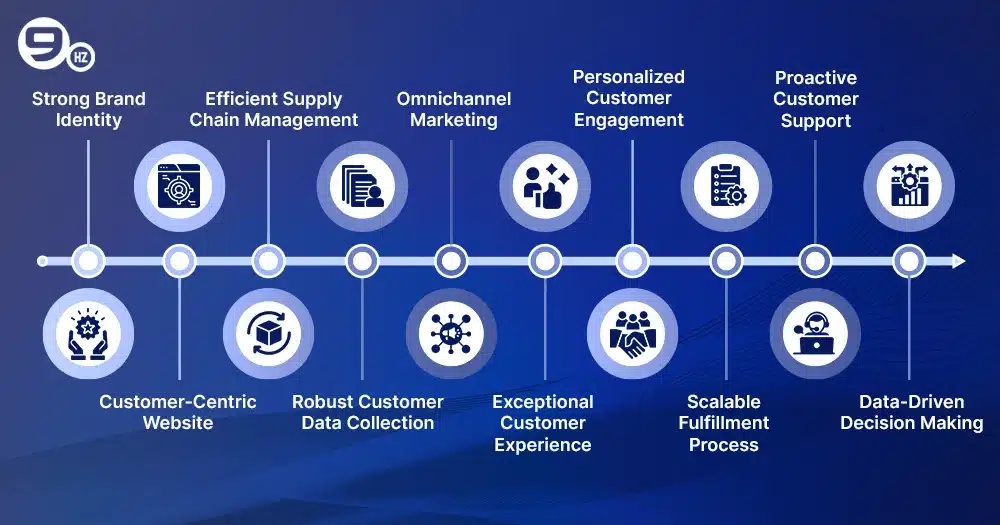
Enhancing customer experience is crucial for consumer electronics brands. Scalability supports brands in meeting growing customer demands without delays or quality loss. It helps maintain smooth operations as sales and customer interactions increase. A better experience builds trust and loyalty among buyers. Brands that scale effectively can offer reliable service and personalized attention to each customer.
Ensuring Product Availability
Scalability allows brands to keep products in stock at all times. It helps handle sudden surges in demand during launches or sales. Customers find what they want without waiting or searching elsewhere. This reduces frustration and abandoned carts. Reliable product availability creates a positive shopping experience. It also strengthens the brand’s reputation for dependability.
Personalizing Consumer Interaction
Scalable systems enable brands to tailor communication and offers. They collect and analyze data from many customers quickly. This helps create relevant recommendations and marketing messages. Personalized interactions make customers feel valued and understood. It increases engagement and chances of repeat purchases. Brands can respond faster to individual needs and preferences.
Credit: theninehertz.com
Challenges In Scaling Electronics Brands
Scaling a consumer electronics brand involves more than just increasing production. It requires overcoming several key challenges that can affect the brand’s reputation and success. These obstacles can slow growth or cause costly mistakes. Understanding these difficulties helps brands prepare better for expansion.
Managing Quality Control
Maintaining product quality during rapid growth is difficult. More units mean higher risks of defects. Electronics brands must ensure every item meets strict standards. Poor quality can lead to customer complaints and returns. Consistent testing and inspections become essential. Brands often invest in better tools and skilled staff to keep quality steady.
Balancing Growth And Sustainability
Expanding quickly can put pressure on resources and the environment. Brands face the challenge of growing without harming nature or communities. Efficient use of materials and energy saves costs and supports green goals. Sustainable practices help build trust with customers. Planning growth with sustainability in mind requires careful decision-making and long-term vision.
Strategies To Unlock Growth
Scaling your consumer electronics brand requires more than just increasing production. Growth depends on smart strategies that help you adapt quickly and efficiently. Let’s look at practical ways you can expand without losing control or quality.
Leveraging Technology And Automation
Technology is a powerful ally when you want to grow your brand. Automating routine tasks frees up your team to focus on innovation and customer experience.
Think about your supply chain. Using software to track inventory in real-time can prevent stock shortages or overproduction. This keeps costs down and ensures your customers get products on time.
Automation also helps in quality control. Sensors and AI can detect defects faster than manual checks, reducing returns and increasing customer satisfaction. Have you explored how digital tools can make your processes leaner and faster?
Building Flexible Business Models
Rigid business structures can hold you back. Flexible models allow you to respond to market changes and customer demands quickly.
Consider offering customizable products or modular designs. This approach lets you cater to different customer preferences without building entirely new product lines.
Subscription services or bundled offers can also create steady revenue streams. These options give your customers more choices and increase their lifetime value.
How can you redesign your business model to stay agile and meet evolving consumer needs?
Credit: www.thebusinessresearchcompany.com
Frequently Asked Questions
What Does Scalability Mean For Consumer Electronics Brands?
Scalability is a brand’s ability to grow production and operations efficiently. It helps meet rising demand without quality loss or excessive costs.
Why Is Scalability Crucial For Product Launch Success?
Scalability ensures smooth ramp-up during product launches. It prevents supply shortages and supports consistent customer experience across markets.
How Does Scalability Impact Customer Satisfaction?
Scalable brands deliver products on time and maintain quality. This reliability builds trust and enhances overall customer satisfaction.
Can Scalability Reduce Operational Costs For Brands?
Yes, scalable operations use resources efficiently. This reduces waste, lowers costs, and increases profit margins for consumer electronics brands.
Conclusion
Scalability helps consumer electronics brands grow with demand. It keeps costs low and products available. Brands can enter new markets without big risks. It supports innovation and faster product launches. Customers get better service and quality products. Scalability ensures brands stay competitive over time.
Investing in scalable systems is smart for future success. It creates a strong foundation for long-term growth. A brand that scales well meets customer needs better. Simple steps today lead to big gains tomorrow.