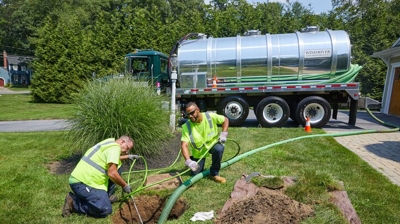
How Often Do Commercial Septic Systems Need Maintenance: Essential Guide
If you own or manage a commercial property with a septic system, you might be wondering how often it needs maintenance. Ignoring this can lead to costly repairs, unpleasant odors, and even health risks.
Knowing the right schedule for septic system care can save you time, money, and stress. You’ll discover exactly when and why your commercial septic system needs attention, helping you avoid unexpected problems and keep everything running smoothly. Keep reading to learn how to protect your investment and ensure your system works efficiently for years to come.
Importance Of Regular Maintenance
Regular maintenance is crucial for commercial septic systems. It keeps the system working smoothly and prevents costly repairs. Neglecting maintenance can cause blockages and overflows. These problems disrupt business operations and harm the environment.
Routine checks help spot small issues early. Fixing minor problems saves money and extends system life. A well-maintained septic system protects water quality and public health. It also ensures compliance with local regulations, avoiding fines or shutdowns.
Prevents Costly Repairs And Failures
Regular inspections catch problems before they grow. Repairing small leaks or blockages costs less than fixing major damage. Maintenance avoids system failures that stop wastewater treatment. This prevents expensive emergencies and downtime for your business.
Extends The Lifespan Of The System
Cleaning and servicing parts regularly keep the system efficient. Proper care reduces wear and tear on pumps and pipes. A longer lifespan means fewer replacements and lower capital costs. Businesses save money by avoiding premature system failure.
Protects The Environment And Public Health
A functioning septic system treats waste safely. It stops harmful bacteria and chemicals from entering soil and water. Proper maintenance lowers pollution risks and protects nearby communities. This helps maintain a safe and clean environment.
Ensures Regulatory Compliance
Many areas require routine septic system inspections. Staying up to date avoids fines and legal issues. Maintenance records prove compliance during official checks. This keeps your business running smoothly without legal interruptions.
Factors Affecting Maintenance Frequency
Several factors influence how often commercial septic systems require maintenance. These elements affect the system’s performance and lifespan. Understanding them helps plan timely inspections and services.
System Size And Usage
Larger systems often handle more waste. High usage means tanks fill up quickly. Frequent use can cause wear on components. Systems in busy locations need more regular checks. Small systems with less waste require less frequent service.
Type Of Waste Processed
Different wastes affect septic systems differently. Food waste, chemicals, and grease slow down treatment. Harsh substances can damage bacteria that break down waste. Systems treating mostly wastewater need fewer cleanings. Waste type directly impacts sludge buildup speed.
Environmental Conditions
Soil type and weather affect system health. Sandy soil drains better, reducing maintenance needs. Clay soil holds water, causing system stress. Heavy rain or flooding can overload the system. Cold climates may slow bacterial action, requiring more care.
Typical Maintenance Schedule
Maintaining a commercial septic system requires a clear schedule. Regular checks keep the system running smoothly. They prevent costly repairs and protect the environment.
Following a typical maintenance schedule helps catch issues early. Different tasks suit different times of the year. Knowing what to do monthly, quarterly, and annually is key.
Monthly Checks
Monthly checks focus on simple, quick tasks. Look for any signs of leaks or damage. Check the area around the tank for standing water or odors. Ensure all access lids are secure and intact. Clear any debris that might block vents or pipes. These small checks keep problems from growing.
Quarterly Inspections
Quarterly inspections are more detailed. Inspect the sludge and scum layers inside the tank. Check the outlet filters for clogs or buildup. Test the drain field for proper absorption. Look for signs of soil saturation or unusual plant growth. Keep records of each inspection for trends or issues. These inspections catch problems that monthly checks miss.
Annual Servicing
Annual servicing involves professional help. Pump the septic tank to remove sludge and scum. Inspect the entire system, including pipes and pumps. Test the system’s overall function and water flow. Repair or replace damaged parts as needed. Annual service keeps the system efficient and extends its life.
Signs Your System Needs Immediate Attention
Commercial septic systems require timely care to avoid costly repairs. Recognizing signs that need quick action helps protect your system. Early detection prevents damage and health risks. Watch for warning signals below to maintain system health.
Unpleasant Odors
Strong, bad smells near the septic tank or drains indicate problems. These odors may mean the system is full or leaking. The smell can spread around your property, causing discomfort. Immediate inspection can stop odors from worsening.
Slow Draining Fixtures
Sinks, toilets, or floor drains that drain slowly suggest blockages. Waste may build up inside pipes or the tank. Slow drainage can cause backups and spills inside the building. Act fast to avoid damage to plumbing and property.
Unusual Noises
Gurgling sounds from drains or toilets show air trapped in pipes. This can result from blockages or a failing septic tank. Strange noises mean the system is struggling to work properly. Addressing these sounds early helps avoid system failure.
Professional Vs. Diy Maintenance
Maintaining a commercial septic system involves choices between professional service and do-it-yourself (DIY) care. Each approach has its place depending on the task complexity and safety concerns. Understanding these differences helps keep the system efficient and prevents costly repairs.
Benefits Of Hiring Experts
Professionals bring specialized knowledge and tools to septic system maintenance. They can detect hidden problems early, reducing the risk of system failure. Experts perform thorough inspections and pump the tank safely. Their experience ensures compliance with local regulations. Hiring professionals saves time and avoids health hazards from improper handling.
Tasks Suitable For Diy
Some maintenance tasks are simple and safe for property owners. Regularly checking for leaks or unusual smells helps spot issues early. Clearing debris from vent pipes keeps airflow steady. Monitoring water use prevents system overload. Simple record-keeping of maintenance dates supports timely professional visits. These small steps extend the system’s life without expert help.

Credit: allbetterapp.com
Cost Implications Of Regular Maintenance
Understanding the cost implications of regular maintenance for commercial septic systems can save you significant money and stress. Skipping routine upkeep often leads to expensive repairs or even full system replacements. Investing in regular check-ups and cleaning protects your business’s plumbing infrastructure and budget in the long run.
Upfront Costs Vs. Long-term Savings
Regular maintenance involves predictable expenses like inspections and pumping. These costs might seem high initially, but they prevent unexpected failures that can shut down your business temporarily.
Imagine paying a few hundred dollars every year versus thousands for emergency repairs. Which option feels safer for your business continuity?
Cost Breakdown Of Routine Maintenance
| Service | Average Cost | Frequency |
|---|---|---|
| Septic Tank Pumping | $300 – $600 | Every 1-3 years |
| System Inspection | $100 – $200 | Annually |
| Minor Repairs | $150 – $500 | As needed |
These figures give a clear view of what you’re likely to spend. Staying on top of these costs can avoid a sudden spike in your maintenance budget.
Hidden Costs Of Neglect
Ignoring maintenance can cause blockages, leaks, or system backups that disrupt your operations. These issues often require emergency services that cost up to five times more than routine care.
Additionally, environmental fines or damage to your property value can add unexpected financial burdens. Are you ready to face these risks without a safety net?
How Maintenance Affects Business Reputation
A failing septic system can lead to unpleasant odors or sewage leaks. These problems hurt your business image and can drive customers away.
Investing in maintenance shows you care about cleanliness and safety. This commitment can enhance trust and customer loyalty, indirectly impacting your bottom line.
Tips For Extending System Lifespan
Extending the lifespan of your commercial septic system saves you money and prevents unexpected breakdowns. Paying attention to how you use and maintain your system can make a big difference. Here are some practical tips to help you get the most out of your septic setup.
Proper Waste Disposal
What you put down your drains directly affects your septic system’s health. Avoid flushing or pouring harsh chemicals, grease, or non-biodegradable items. These substances can clog pipes and kill the beneficial bacteria that break down waste.
Encourage everyone in your facility to dispose of waste responsibly. Simple actions like not pouring cooking oil down the sink or limiting paper towel use can significantly reduce strain on your system.
Regular System Evaluations
How often do you check your septic system? Waiting for problems to appear can lead to costly repairs. Schedule professional inspections at least once a year to catch small issues before they escalate.
During evaluations, technicians can spot leaks, sludge buildup, or damaged components early. Staying proactive helps maintain smooth operation and extends the system’s lifespan.
Use Of Bacterial Additives
Introducing bacterial additives can support the natural breakdown of waste in your septic tank. These additives replenish helpful bacteria, especially after chemical use or heavy waste loads.
Choose products specifically designed for commercial septic systems and follow the instructions carefully. Do you know if your current maintenance routine includes this simple yet effective step?
Credit: www.septicblue.com
Credit: www.bowensseptictank.com
Frequently Asked Questions
How Often Should Commercial Septic Systems Be Inspected?
Commercial septic systems should be inspected every 1 to 3 years. Regular inspections help identify issues early. This prevents costly repairs and system failures. Inspection frequency depends on system size and usage.
When Is The Best Time For Septic System Maintenance?
The best time for septic system maintenance is during spring or fall. These seasons have moderate weather, making servicing easier. Avoid peak usage times to minimize disruption and ensure thorough system care.
What Are Signs That Septic Maintenance Is Needed?
Signs include slow drains, foul odors, and standing water. Unusual noises or sewer backups also indicate problems. Early maintenance prevents major damage and costly repairs, ensuring system longevity.
Can Neglecting Septic Maintenance Cause Health Risks?
Yes, neglecting maintenance can lead to leaks and contamination. This poses serious health hazards from harmful bacteria and viruses. Regular upkeep protects public health and the environment.
Conclusion
Regular maintenance keeps commercial septic systems working well. Check your system at least once every year. Pump out the tank every three to five years. Watch for signs of trouble like slow drains or odors. Small problems can grow if you ignore them.
Taking care of your septic system saves money and stress. Stay on schedule to avoid costly repairs later. A healthy system protects your business and the environment. Simple steps now mean fewer headaches down the road. Keep your septic system in good shape with steady care.