Do Bev And Phevs Electrical Systems Require Routine Care?
Are you wondering if your BEV or PHEV’s electrical system needs regular care? You might think electric vehicles are low-maintenance, but ignoring their electrical health could lead to costly problems down the road.
Understanding how to keep your vehicle’s electrical system in top shape can save you time, money, and stress. You’ll discover why regular maintenance matters and how it helps your car perform better and last longer. Keep reading to protect your investment and enjoy a smoother, safer ride.
Basics Of Bev And Phev Electrical Systems
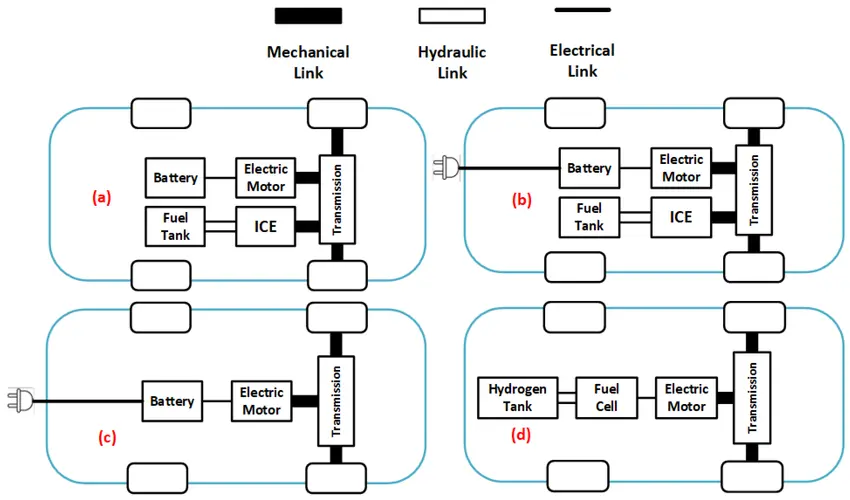
Understanding the basics of BEV and PHEV electrical systems helps maintain their performance. These vehicles rely on complex electrical parts to run smoothly. Knowing how these systems work can guide proper care and maintenance.
Key Components
- Battery Pack:Stores electrical energy for driving the vehicle.
- Electric Motor:Converts electrical energy into mechanical power.
- Power Electronics:Controls the flow of electricity between the battery and motor.
- Onboard Charger:Manages charging from external power sources.
- Battery Management System (BMS):Monitors battery health and safety.
- Charging Port:Connects the vehicle to charging stations.
How Systems Operate
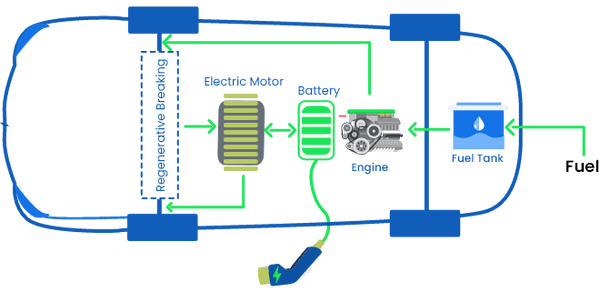
The battery pack supplies electricity to the electric motor. The power electronics regulate this energy flow. This control ensures the motor runs efficiently and safely.
The onboard charger converts AC power from the grid to DC power for the battery. The BMS constantly checks battery temperature and charge levels. It prevents overcharging and overheating.
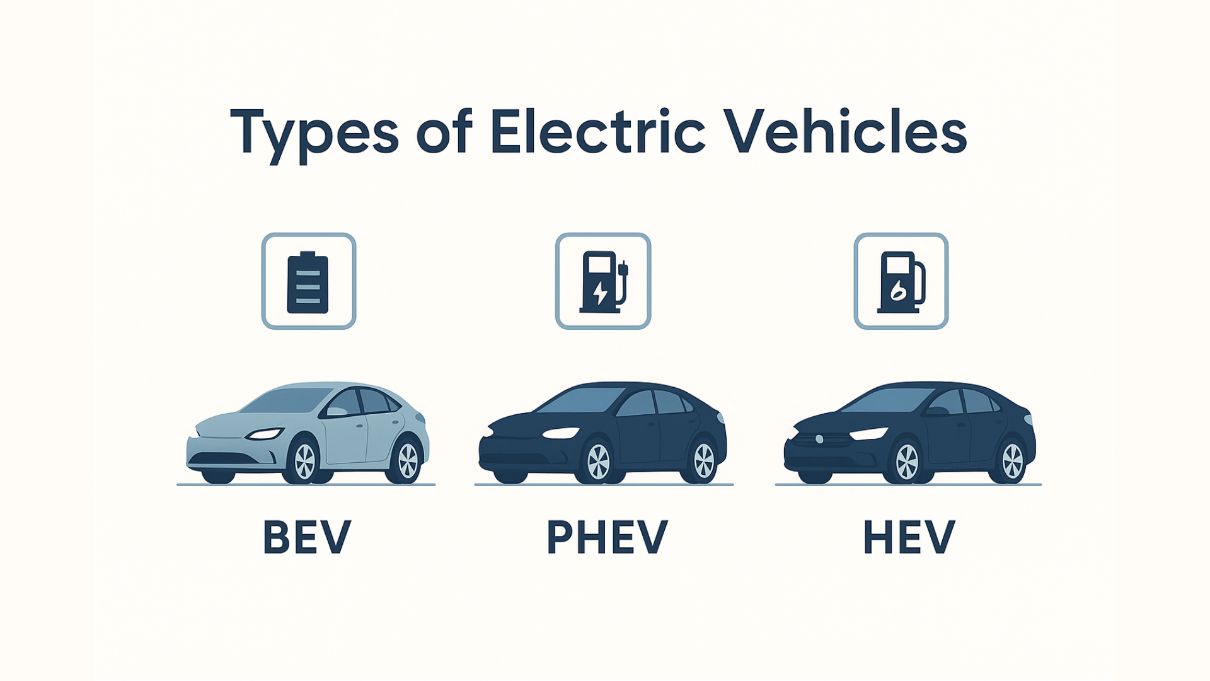
In PHEVs, the system switches between the electric motor and the internal combustion engine. This helps extend driving range and improves fuel efficiency. Both BEVs and PHEVs rely heavily on their electrical systems for smooth operation.
Credit: pulseenergy.io
Common Electrical Issues
Electric vehicles (EVs) and plug-in hybrid electric vehicles (PHEVs) rely heavily on complex electrical systems. These systems control everything from power delivery to safety features. Identifying common electrical issues early helps maintain performance and safety. Regular maintenance keeps the vehicle running smoothly and prevents costly repairs.
Battery Health Concerns
The battery is the heart of BEVs and PHEVs. Battery health can decline due to age, temperature, and charging habits. Common problems include reduced capacity and slower charging times. A weak battery affects driving range and overall vehicle performance.
Signs of battery issues include:
- Shorter driving distances
- Longer charging periods
- Warning lights on the dashboard
Routine checks help spot these problems early. Proper battery care extends its lifespan and ensures reliable operation.
Wiring And Connector Problems
Wiring and connectors link all electrical components. Over time, wires can wear out or become loose. Corrosion and dirt on connectors cause poor connections. These issues lead to intermittent power loss or system failures.
Common symptoms include:
- Flickering lights
- Non-functioning electronics
- Unexpected shutdowns
Regular inspection and cleaning of wires and connectors prevent these problems. Well-maintained electrical connections improve safety and vehicle reliability.
Routine Maintenance Tasks
Routine maintenance tasks keep BEV and PHEV electrical systems working well. These tasks help avoid costly repairs and extend vehicle life. Regular checks ensure safety and good performance on the road.
Battery Inspection And Care
Batteries are the heart of BEVs and PHEVs. Inspect battery health often. Look for signs of wear or damage. Clean battery terminals to prevent corrosion. Check connections for tightness. Proper care improves battery life and efficiency.
Software Updates
Software controls many vehicle functions. Update software regularly to fix bugs and improve features. Updates can boost battery management and energy use. Use manufacturer tools or visit service centers for updates. Staying current protects vehicle performance.
Cooling System Checks
Cooling systems keep batteries at safe temperatures. Check coolant levels often. Look for leaks or damaged hoses. Ensure fans and pumps work well. Proper cooling prevents overheating and damage to electrical parts.
_transmission_market.webp)
Credit: www.fortunebusinessinsights.com
Signs Of Electrical System Problems
Recognizing the signs of electrical system problems in BEVs and PHEVs can save you from costly repairs and unexpected breakdowns. These vehicles rely heavily on complex electrical components that need your attention. Paying attention to early warning signs helps you maintain your car’s reliability and safety.
Warning Lights
Dashboard warning lights are your vehicle’s way of communicating electrical issues. If you see lights related to the battery, engine, or electrical system flashing or staying on, don’t ignore them.
For example, a persistent battery warning light might indicate charging problems or a failing electrical connection. Sometimes, warning lights appear briefly during startup and then go off, which is normal. But if they stay illuminated, it’s a clear signal to get your electrical system checked.
Performance Changes
Have you noticed your vehicle acting differently? Electrical problems often cause subtle or sudden changes in how your car performs.
- Lights dimming or flickering during acceleration
- Unusual sounds from the electrical components
- Reduced power or sluggish response
- Difficulty starting the vehicle or intermittent power loss
These signs might seem minor at first, but they usually point to underlying electrical issues. Ignoring them can lead to bigger problems down the road. Ask yourself: Are these changes consistent, or do they happen only under certain conditions? That insight can help your mechanic diagnose the problem faster.
Role Of Professional Servicing
Professional servicing plays a crucial role in maintaining BEV and PHEV electrical systems. These systems are complex and require expert knowledge to ensure they run smoothly and safely. Skilled technicians use special tools and techniques to diagnose issues early. Regular check-ups help prevent costly repairs and extend the vehicle’s life.
Diagnostic Tools
Technicians use advanced diagnostic tools to check electrical systems precisely. These tools read error codes from the vehicle’s computer. They detect problems invisible to the naked eye. Common tools include:
- OBD-II scanners
- Battery analyzers
- Multimeters
- Thermal cameras
These devices help identify faults in the battery, wiring, and control modules. Early detection avoids breakdowns and improves safety.
When To Seek Help
Signs of electrical issues need prompt attention. Look out for warning lights on the dashboard. Strange noises or smells can also indicate problems. Reduced battery range or charging failures require inspection. Schedule professional servicing if you notice:
- Dashboard warning lights
- Unusual vehicle behavior
- Slow or no charging
- Battery overheating
Timely help ensures the electrical system stays reliable and efficient.
Tips For Extending Electrical System Life
Extending the life of your BEV or PHEV electrical system means paying attention to how you treat its components daily. Small habits and mindful choices can prevent costly repairs and keep your vehicle running smoothly. Let’s look at practical tips that help protect your car’s electrical heart.
Charging Best Practices
How you charge your electric vehicle impacts the health of its battery and electrical system significantly.
- Avoid frequent fast charging:While convenient, constant use of rapid chargers can cause the battery to heat up and degrade faster.
- Charge between 20% and 80%:Keeping the battery within this range reduces stress and prolongs its lifespan.
- Don’t leave your car plugged in all the time:Overcharging can lead to unnecessary wear on the electrical components.
Think about your own charging routine—could you adjust it to give your battery a longer, healthier life?
Environmental Considerations
Environmental factors play a surprising role in how well your electrical system performs over time.
- Protect against extreme temperatures:Both intense heat and cold can stress batteries and wiring. Park in shaded or indoor spots when possible.
- Keep the vehicle clean:Dirt and moisture buildup can affect electrical connections, causing corrosion or shorts.
- Avoid driving through deep water:Water exposure can damage sensitive electrical parts and sensors.
Have you noticed how your car behaves differently in winter or summer? Adjusting your care routine to the seasons can save you headaches later.
Credit: yocharge.com
Frequently Asked Questions
Do Bevs And Phevs Require Regular Electrical Maintenance?
Yes, both BEVs and PHEVs need regular electrical system checks. This ensures safety, performance, and battery longevity. Routine inspections help detect issues early and prevent costly repairs.
How Often Should I Service My Bev Or Phev Electrical System?
It is recommended to service the electrical system every 12 months or 10,000 miles. Regular servicing maintains optimal function and addresses wear on components like wiring and connectors.
What Components Are Checked During Electrical Maintenance?
Technicians inspect batteries, wiring, connectors, fuses, and charging ports. They also check software updates and ensure all electrical systems operate correctly for safety and efficiency.
Can Neglecting Electrical Maintenance Harm Bev Or Phev Performance?
Yes, neglect can cause battery degradation, reduced range, and electrical failures. Timely maintenance prevents these issues, ensuring your vehicle runs smoothly and reliably over time.
Conclusion
BEVs and PHEVs need regular electrical system checks. This keeps them safe and working well. Small issues can become big problems if ignored. Regular maintenance helps your car last longer. It also keeps the battery and electronics in good shape.
A healthy electrical system means better performance every day. Don’t wait for a breakdown to act. Take care of your vehicle’s electrical parts now. It saves money and stress in the long run. Simple checks make a big difference. Keep your BEV or PHEV running smoothly and reliably.