What is Associate in Aircraft Maintenance Technology: Ultimate Guide
Are you curious about a career that keeps airplanes safe and flying smoothly? Understanding what an Associate in Aircraft Maintenance Technology is could be the key to your future.
This specialized degree opens doors to exciting job opportunities where your skills directly impact air travel safety. If you want to know how this program works and how it can shape your career, keep reading. You might discover the perfect path to turn your passion for aviation into a rewarding profession.
Credit: aviationmaintenance.edu
Introduction To Aircraft Maintenance Technology
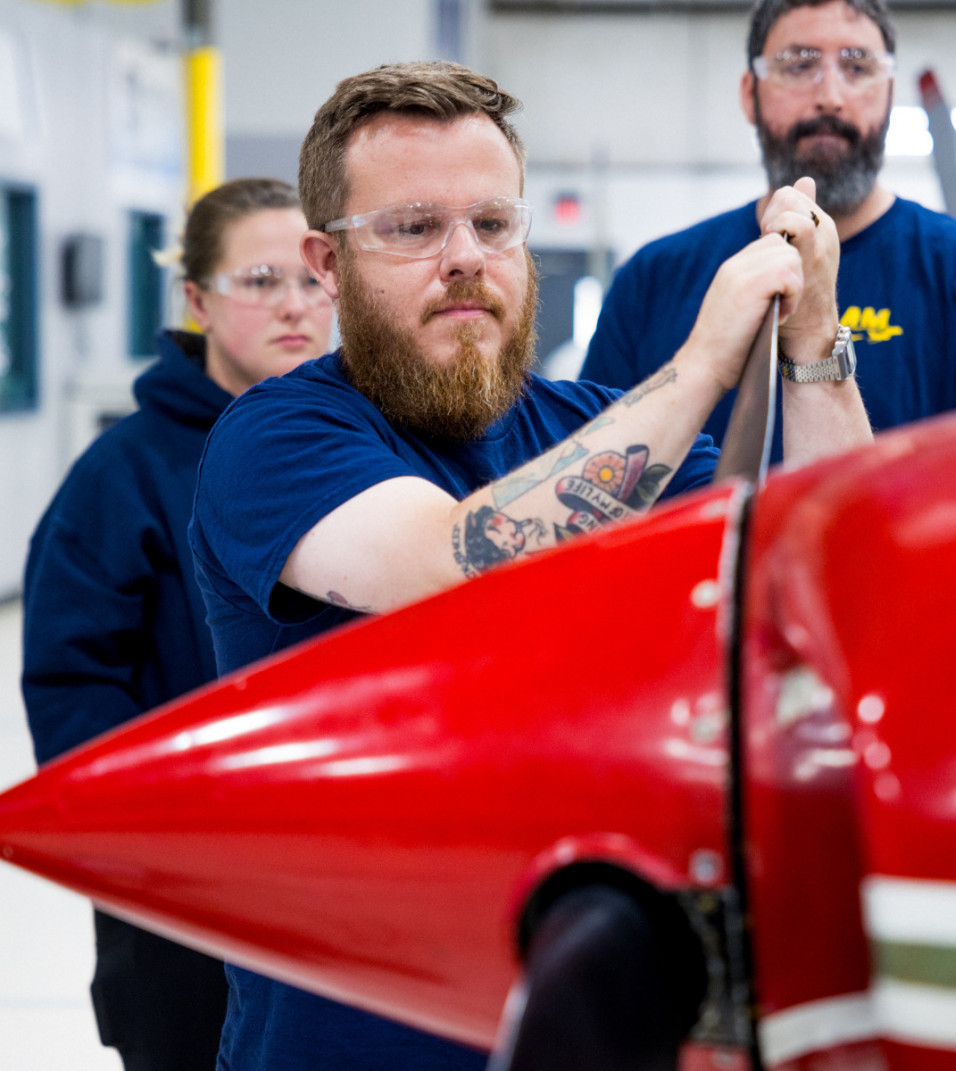
Aircraft Maintenance Technology is a vital field that keeps airplanes safe and operational. It involves hands-on work and technical knowledge to inspect, repair, and maintain aircraft systems. If you enjoy working with machines and solving problems, this career could be a great fit for you.
Studying for an Associate in Aircraft Maintenance Technology gives you the skills needed to handle real-world challenges in aviation. You learn how to diagnose issues, perform routine checks, and ensure every part of the aircraft meets strict safety standards.
Think about this: What would happen if a tiny fault in an aircraft went unnoticed? The responsibility on maintenance technicians is huge, and your work directly impacts passenger safety.
What Does Aircraft Maintenance Technology Cover?
This program covers various aspects like engine systems, electrical components, hydraulics, and avionics. You’ll also learn about federal aviation regulations and how to follow them carefully.
- Engine repair and troubleshooting
- Electrical and electronic system maintenance
- Structural inspections and repairs
- Understanding safety protocols and documentation
These skills prepare you to work confidently in different maintenance settings.
Who Should Consider This Program?
If you like working with your hands and have a strong interest in aircraft, this program is designed for you. It’s perfect if you want a career that combines technical skills with responsibility and problem-solving.
Imagine being the person who keeps flights safe and on schedule. Does that sense of importance and achievement appeal to you?
How Does This Degree Help Your Career?
With an Associate in Aircraft Maintenance Technology, you qualify for FAA certification exams, which are essential to work as a certified aircraft mechanic. Employers highly value this credential.
The aviation industry offers steady job opportunities and room to grow. You could move into specialized roles or supervisory positions after gaining experience.
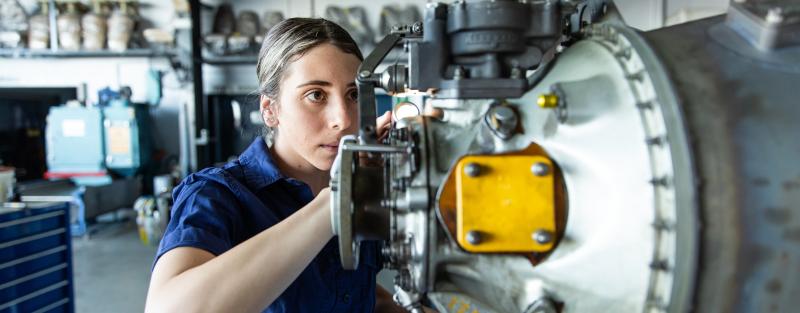
Credit: www.aims.edu
Role Of An Aircraft Maintenance Technician
The role of an Aircraft Maintenance Technician is vital for safe air travel. These professionals keep airplanes in top condition. They inspect, repair, and maintain aircraft systems and parts. Their work prevents mechanical failures and ensures safety for passengers and crew.
Technicians use various tools and diagnostic equipment. They follow strict guidelines and manuals from aircraft manufacturers. Precision and attention to detail are essential in this job. Each task must meet high standards to avoid accidents.
Daily Responsibilities Of An Aircraft Maintenance Technician
- Inspect aircraft for wear, damage, or faults
- Repair or replace defective parts and systems
- Test aircraft systems to confirm proper function
- Maintain detailed records of maintenance work
- Work with pilots and engineers to report issues
- Follow safety protocols and regulatory requirements
Skills Required For Aircraft Maintenance Technicians
- Strong mechanical and technical skills
- Ability to read and interpret technical manuals
- Problem-solving skills for diagnosing issues
- Good hand-eye coordination and manual dexterity
- Attention to detail and precision
- Communication skills for teamwork and reporting
Importance Of Certification And Training
Certification ensures technicians meet industry standards. Training covers aircraft systems, safety procedures, and tools. Licensed technicians can work on commercial and private aircraft. Continuous learning keeps skills up to date with new technology.
Educational Pathways For Aspiring Technicians
If you’re aiming to become an aircraft maintenance technician, understanding your educational options is essential. The path you choose can shape your skills, job opportunities, and career growth. Let’s break down the main educational routes that prepare you for this dynamic field.
Certificate Programs
Certificate programs focus on hands-on skills and technical knowledge needed to start working quickly. These programs often last from a few months up to a year and emphasize practical training over theory.
Many employers value certificates because they prove you have the basics to work on aircraft systems. If you want to jump into the workforce fast, this path offers a clear route.
Have you thought about how much time you want to invest before entering the job market? Certificate programs might be the answer if you prefer learning by doing and want to avoid lengthy schooling.
Associate Degree Programs
Associate degrees usually take about two years and combine both hands-on training and classroom instruction. These programs often include courses on aircraft systems, electronics, and safety regulations.
They provide a stronger foundation than certificates and may open doors to higher-paying positions or supervisory roles. Many community colleges offer these degrees with FAA certification preparation included.
Consider this: Would you like a balance between practical skills and a deeper understanding of aircraft technology? An associate degree can offer that mix and improve your long-term career prospects.
Bachelor’s Degree Options
While less common for technicians, bachelor’s degrees focus more on management, engineering, or advanced aviation technology. These programs last about four years and prepare you for leadership or specialized technical roles.
If you want to move beyond hands-on maintenance to roles like maintenance management, quality control, or design, a bachelor’s degree can be valuable. It also offers more flexibility if you decide to switch careers within aviation.
Ask yourself: Are you aiming for a technical expert role or looking to lead teams and projects? A bachelor’s degree might be the right choice if your goals include higher responsibility and broader knowledge.

Credit: www.greeleytribune.com
Core Subjects In Aircraft Maintenance Technology
Understanding the core subjects in an Associate in Aircraft Maintenance Technology program is essential for anyone serious about a career in aviation maintenance. These subjects form the foundation of your skills, helping you diagnose and fix complex aircraft issues efficiently. Let’s look closely at the key areas you’ll study and why they matter to your success.
Aerodynamics
Aerodynamics is the science of how air interacts with moving objects, especially aircraft. You’ll learn about lift, drag, thrust, and how these forces affect flight performance. This knowledge is crucial because it helps you understand why certain parts of the aircraft are designed the way they are.
Have you ever wondered why wing shapes vary so much between planes? Aerodynamics explains that difference clearly. When you grasp this subject, you can better predict how maintenance actions might impact an aircraft’s flight behavior.
Aircraft Systems
Aircraft systems cover the mechanical and electrical parts that keep a plane flying safely. This includes engines, hydraulics, avionics, landing gear, and fuel systems. You’ll get hands-on experience inspecting and repairing these systems, which is what makes this subject so practical.
Imagine troubleshooting a fuel leak—knowing how the fuel system works lets you pinpoint the problem fast. The skills you build here directly affect flight safety and efficiency, putting you at the heart of aircraft operation.
Safety And Regulations
Safety and regulations are the backbone of aviation maintenance. You will study FAA rules, maintenance standards, and safety protocols to ensure every repair meets strict guidelines. Following these rules protects passengers, crew, and your career.
Have you considered the consequences of skipping a required inspection? Understanding regulations helps you avoid costly mistakes and legal trouble. This subject trains you to think critically about safety at every step of your work.
Skills Developed In The Program
The Associate in Aircraft Maintenance Technology program builds key skills needed for aircraft care. Students gain hands-on experience with aircraft systems and tools. The program sharpens both technical and soft skills. Graduates become ready to handle real-world challenges in aircraft maintenance.
Technical Proficiency
Students learn to inspect, repair, and maintain aircraft parts. They work with engines, electrical systems, and hydraulics. Training includes using advanced tools and diagnostic equipment. This skill ensures the aircraft is safe and reliable.
Problem-solving Skills
Students practice identifying issues quickly and accurately. They learn to troubleshoot mechanical and electrical problems. The program teaches how to think critically under pressure. These skills help fix problems efficiently to avoid delays.
Attention To Detail
Every small part in an aircraft matters. Students develop a strong focus on precision and accuracy. They learn to follow strict safety standards and checklists. This careful attention prevents errors and keeps flights safe.
Certification And Licensing Requirements
Certification and licensing are key for anyone pursuing a career in aircraft maintenance technology. These credentials prove that a technician meets industry standards. They also ensure safety and reliability in aircraft repairs and inspections.
Earning an Associate in Aircraft Maintenance Technology is just the start. Technicians must pass specific tests and obtain licenses to work legally.
Federal Aviation Administration (faa) Certification
The FAA issues certification for aircraft maintenance technicians. This certification is known as the Airframe and Powerplant (A&P) license. It allows technicians to inspect, maintain, and repair aircraft.
To get the FAA certification, candidates must:
- Complete an FAA-approved training program or gain practical experience
- Pass written, oral, and practical exams
- Meet age and language proficiency requirements
State Licensing And Regulations
Some states require additional licenses or permits for aircraft maintenance workers. Requirements vary by state. It is important to check local laws before starting work.
State licenses may include:
- Business operation licenses for maintenance shops
- Additional technician certifications
- Compliance with environmental and safety standards
Continuing Education And Recertification
Aircraft maintenance technology is always evolving. Technicians must keep their skills current. The FAA recommends ongoing training and periodic recertification.
Staying updated can include:
- Attending workshops and seminars
- Completing refresher courses
- Renewing licenses as required
Career Opportunities In Aircraft Maintenance
Career opportunities in aircraft maintenance are diverse and rewarding. This field supports the safety and efficiency of air travel worldwide. Technicians keep planes in top condition, ensuring every flight is safe and smooth.
Graduates with an Associate in Aircraft Maintenance Technology find work in many sectors. Each sector offers unique roles and growth paths. The demand for skilled technicians remains strong across the aviation industry.
Airline Maintenance
Airline maintenance technicians inspect and repair commercial airplanes. They work on engines, electrical systems, and airframes. Their job is to ensure aircraft are safe before each flight. Airlines offer steady jobs and chances to advance. Technicians often work in large hangars at airports.
Corporate Aviation
Corporate aviation involves private jets and company planes. Technicians maintain smaller fleets but with high standards. They handle routine checks and urgent repairs. This sector offers closer teamwork and flexible schedules. Working in corporate aviation often means traveling with the aircraft.
Government And Military Roles
Government and military aircraft need specialized maintenance crews. Technicians work on various types of aircraft, including helicopters and cargo planes. These roles require attention to strict rules and safety protocols. Military jobs may offer additional training and benefits. This sector provides stable employment and chances to serve the country.
Advancements And Continuing Education
Advancements in aircraft technology are happening fast, and staying current is essential for anyone with an Associate in Aircraft Maintenance Technology. Continuing education helps you keep pace with new systems, tools, and safety standards. It also opens doors to better job opportunities and career growth.
Keeping Up With New Technologies
Aircraft systems are becoming more complex with digital avionics, composite materials, and advanced engines. You need to learn how to handle these innovations safely and efficiently. Regular training sessions and workshops can help you master the latest diagnostic tools and repair techniques.
Certifications And Specialized Training
Beyond your associate degree, gaining certifications like the FAA Airframe and Powerplant (A&P) license boosts your credibility. Specialized courses in areas such as avionics or turbine engines make you more valuable to employers. Have you considered which certification could give you a competitive edge?
Online Learning And Flexible Programs
Many schools offer online courses and flexible schedules designed for working technicians. This makes continuing education easier to fit into your busy life. You can upgrade your skills without sacrificing your current job or personal time.
Real-world Experience And Mentorship
Practical experience remains crucial even with ongoing education. Working alongside experienced mentors helps you apply new knowledge effectively. Think about how hands-on learning has helped you solve tough maintenance problems in the past.
Challenges Faced In Aircraft Maintenance
Aircraft maintenance is a demanding field with many challenges. These challenges test the skills and knowledge of those with an Associate in Aircraft Maintenance Technology. Staying updated and meeting strict standards is essential to keep aircraft safe and reliable.
Technological Changes
Technology in aircraft evolves rapidly. New systems and materials require constant learning. Maintenance technicians must adapt to advanced tools and software. This rapid change can be difficult to follow. Staying current means attending training and reading manuals often.
Regulatory Compliance
Aircraft maintenance follows strict government rules. Technicians must understand and apply these regulations correctly. Missing a rule can lead to serious safety risks or fines. Documentation and inspections must be precise and timely. Compliance requires careful attention to detail every day.
Work Environment
The work environment can be tough. Maintenance often takes place in noisy, cold, or hot conditions. Tasks may need to be done at odd hours or under pressure. Physical demands include lifting heavy parts and working in tight spaces. Safety precautions are crucial to avoid injuries.
Future Trends In Aircraft Maintenance Technology
The field of Aircraft Maintenance Technology is evolving fast. Staying updated with future trends can give you an edge in your career. Understanding these changes helps you prepare for the challenges and opportunities ahead.
Automation And Artificial Intelligence In Maintenance
Automation is changing how maintenance tasks are performed. AI systems can predict when parts will fail, reducing downtime and costs. Imagine your workday where routine checks are handled by smart machines, letting you focus on complex issues.
Have you considered how AI could improve your diagnostic skills? Learning to work alongside these technologies will be crucial for your success.
Use Of Augmented Reality (ar) And Virtual Reality (vr)
AR and VR are becoming tools for training and on-the-job support. These technologies let you visualize aircraft systems in 3D, making repairs faster and more accurate. You could practice complex procedures in a virtual environment before working on a real aircraft.
Would you feel more confident if you could preview repairs this way? These tools are designed to reduce errors and improve safety.
Advanced Materials And Smart Components
New materials like composites and smart sensors are now part of modern aircraft. These materials require new maintenance techniques you must master. Smart components can alert you to issues before they become serious problems.
Are you ready to learn how to handle these high-tech parts? Keeping up with material science is part of growing in this field.
Data Analytics And Predictive Maintenance
Big data is changing maintenance from reactive to proactive. By analyzing data from aircraft systems, you can anticipate failures and schedule maintenance more effectively. This approach saves time and money while improving safety.
How comfortable are you with data analysis tools? Developing skills in this area will make you a valuable asset to employers.
Environmental Sustainability In Maintenance Practices
Green maintenance practices are gaining importance. You may need to adopt eco-friendly materials and disposal methods. This trend reflects the industry’s commitment to reducing its environmental footprint.
What steps can you take to make your work more sustainable? Small changes in maintenance routines can contribute to big environmental benefits.
Frequently Asked Questions
What Is An Associate In Aircraft Maintenance Technology?
An Associate in Aircraft Maintenance Technology is a two-year degree program. It trains students to inspect, repair, and maintain aircraft systems. Graduates gain hands-on skills essential for aviation safety and regulatory compliance.
What Skills Are Learned In This Program?
Students learn aircraft electronics, engine repair, and safety protocols. The program covers troubleshooting, maintenance procedures, and FAA regulations. It prepares students for practical tasks in aviation maintenance.
How Long Does The Degree Program Take?
The Associate degree typically takes about two years to complete. It includes classroom learning and hands-on training. Some programs may offer accelerated or part-time options.
What Career Opportunities Follow This Degree?
Graduates can work as aircraft maintenance technicians or inspectors. They find jobs in airlines, repair stations, and government agencies. The degree also supports FAA certification eligibility.
Conclusion
An Associate in Aircraft Maintenance Technology offers solid skills for aircraft care. It prepares students to inspect, repair, and maintain airplanes safely. This degree opens doors to jobs in aviation and related fields. It suits those who enjoy hands-on work and technology.
Earning this degree can lead to a steady career with good pay. Aircraft safety depends on skilled maintenance professionals. Choosing this path means joining an important and respected industry. Consider this degree if you want a practical and rewarding job in aviation.