

Are you using an active soil depressurization system in your home or building? You might wonder if these systems need regular maintenance to keep working well.
The truth is, your safety and comfort depend on how well your system performs. Ignoring maintenance could lead to hidden problems that affect your indoor air quality and even your health. You’ll discover why keeping your active soil depressurization system in top shape is essential—and what simple steps you can take to protect your space and loved ones.
Keep reading to find out how to make sure your system works exactly when you need it most.
Active Soil Depressurization Systems Explained
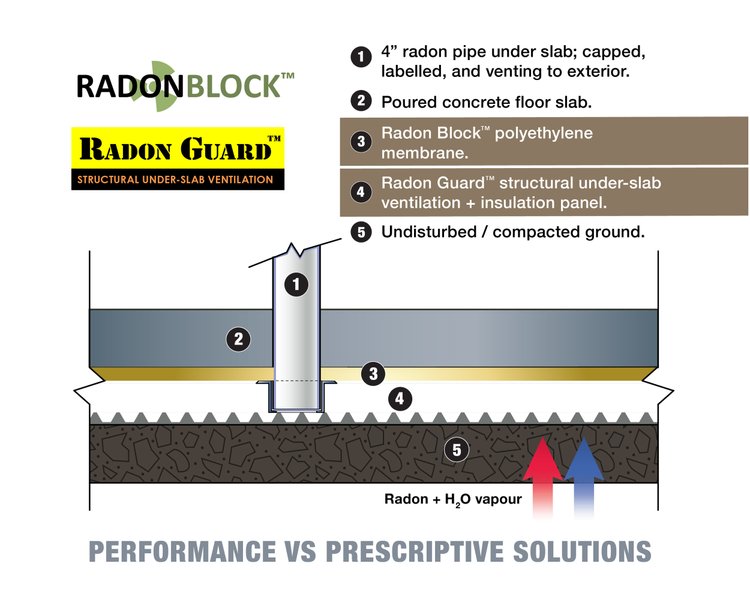
Active Soil Depressurization (ASD) systems help reduce harmful gases in buildings. They stop radon and other soil gases from entering indoor air. These systems use a fan and pipes to pull gases from the ground.
The fan creates a low pressure under the building. This draws soil gases away from the foundation. The gases then vent safely above the roof. This keeps indoor air cleaner and safer.
How Active Soil Depressurization Systems Work
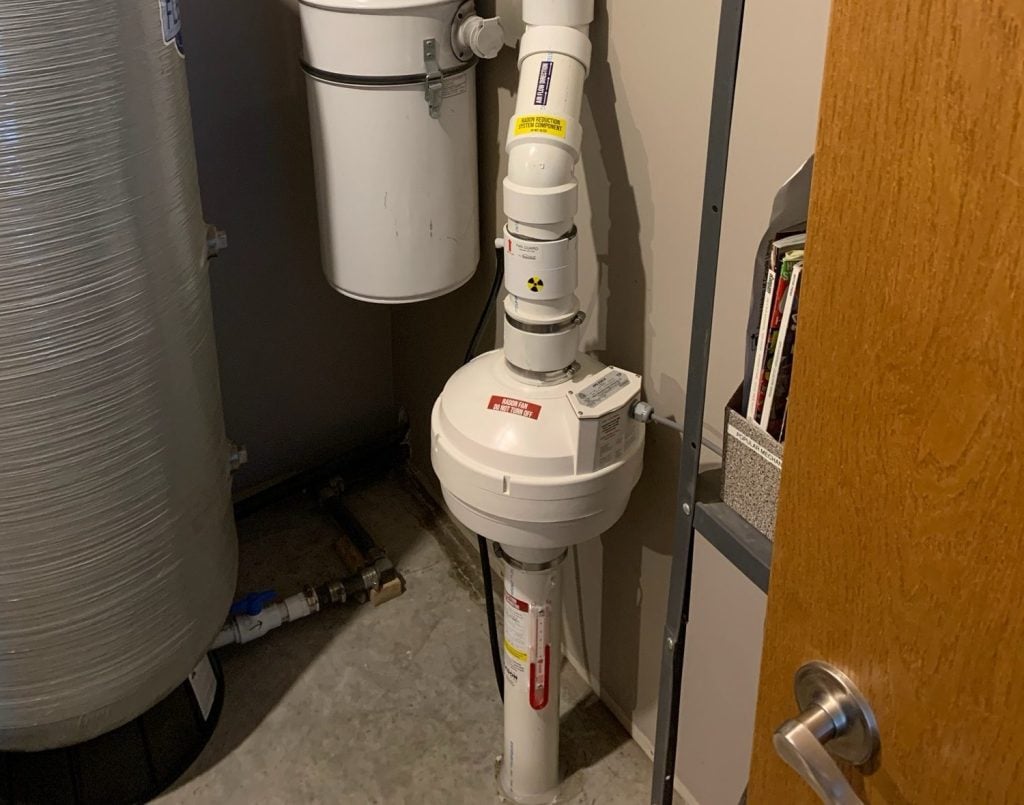
ASD systems use suction to lower soil pressure. A pipe runs from beneath the building to the outside air. A fan in the pipe pulls the soil gases upward. This prevents gases from seeping into the building.
Key Components Of Asd Systems
- Perforated pipe installed under the foundation
- Sealing materials to block gas entry points
- In-line fan that runs continuously
- Vent pipe that releases gases above the roof
Benefits Of Using Active Soil Depressurization
- Reduces radon and other harmful soil gases
- Improves indoor air quality
- Protects health by lowering gas exposure
- Works quietly and efficiently
Key Components Of The System
Active soil depressurization systems have several parts that work together. Each part plays a role in removing harmful gases from your home. Understanding these parts helps know why maintenance is needed.
Regular checks keep the system working well and protect your indoor air quality. Here are the key components of an active soil depressurization system.
Vent Pipe
The vent pipe moves soil gases from under the house to the outside. It is usually made of PVC and runs from the soil to above the roof. A clear, unblocked pipe is essential for good airflow.
Fan
The fan creates suction in the vent pipe to pull gases out. It runs continuously or as needed, depending on the system design. Fans need to work smoothly without noise or vibration.
Sealing Materials
Seals block cracks and openings in the floor and walls. This prevents soil gases from entering the home’s air. Good seals reduce the system’s workload and improve safety.
Electrical Connections
Wiring powers the fan and any control devices. Safe, secure electrical connections prevent shorts and failures. Regular inspection ensures wires are intact and protected from damage.
Pressure Monitoring Devices
Some systems include pressure sensors to track performance. They show if the system is pulling air correctly. Monitoring helps detect problems early and maintain system efficiency.
Importance Of Regular Maintenance
Active soil depressurization systems help reduce harmful gases in buildings. Regular maintenance keeps these systems working well. Without upkeep, their effectiveness drops. This can lead to unsafe indoor air quality. Checking and fixing parts prevents costly repairs. Maintenance also extends system life and saves money over time.
Ensures System Efficiency
Routine maintenance keeps the system running at full power. Fans and pipes must be clear and undamaged. Dirt or blockages slow airflow and reduce gas removal. Efficient systems protect your home better.
Prevents Health Risks
Soil gases like radon are dangerous if not controlled. A well-maintained system lowers these health risks. Regular checks ensure no leaks or failures happen. This keeps your indoor air safe to breathe.
Reduces Repair Costs
Finding problems early avoids big repairs later. Maintenance spots worn parts before they break. Fixing small issues costs less than replacing parts. This saves money in the long run.
Extends System Lifespan
Proper care helps the system last longer. Clean components and timely repairs prevent damage. A longer lifespan means fewer replacements. This is better for your budget and the environment.
Maintains Warranty Validity
Many systems require regular maintenance for warranty. Skipping upkeep may void your warranty. Following maintenance schedules protects your investment. It ensures coverage if problems arise.
Credit: radoncorp.com
Common Maintenance Tasks
Active soil depressurization systems rely on several components working smoothly to keep your home safe from radon gas. Regular maintenance helps you catch small issues before they become costly problems. Here are some common tasks you should perform to ensure your system runs efficiently and effectively.
Inspecting Fans And Motors
The fan and motor are the heart of the system, pulling radon gas out of the soil. Check for unusual noises or vibrations that might signal wear or damage. If the fan isn’t spinning freely or the motor feels hot to the touch, it’s time for a closer look or professional service.
Cleaning dust and debris off the fan blades can improve airflow and extend the motor’s life. Have you noticed any changes in your system’s noise level? This simple inspection can save you from unexpected breakdowns.
Checking Seals And Connections
Leaks in seals and connections reduce the system’s effectiveness by allowing radon to escape back into your home. Look for cracks, gaps, or loose fittings along the piping and around the fan housing. Even a small gap can compromise the entire system’s performance.
Using silicone caulk or specialized sealant can quickly fix minor leaks. If you find damaged pipes, replace them promptly to maintain airtight seals. How often do you check your pipes? Regular inspection prevents hidden radon entry points.
Monitoring Pressure Levels
Pressure levels indicate whether the system is actively pulling radon gas from beneath your home. Use a manometer or pressure gauge designed for these systems to track readings regularly. A drop in pressure might mean a fan failure or a leak somewhere in the system.
Keep a log of your pressure readings to notice trends over time. If you spot a sudden change, investigate immediately. Could tracking these numbers help you avoid costly repairs down the line?
Signs Of System Malfunction
Active soil depressurization systems are vital for safe indoor air quality. Detecting signs of malfunction early prevents bigger problems. Knowing these warning signs helps maintain system efficiency and home safety. Below are key indicators that your system needs attention.
Unusual Noises
Strange sounds like buzzing, rattling, or grinding may mean a problem. Fans and motors usually run quietly. Noise can indicate worn-out parts or blockages. Ignoring odd sounds risks system failure and higher repair costs.
Increased Energy Consumption
A sudden rise in energy bills can signal system issues. Malfunctioning fans may work harder, using more power. This waste affects efficiency and increases your costs. Monitoring energy use helps detect hidden faults early.
Inconsistent Pressure Readings
Pressure should remain steady during system operation. Fluctuating or low pressure means the system is struggling. Causes include leaks, clogs, or damaged components. Regular pressure checks ensure the system works as designed.
Credit: semspub.epa.gov
Benefits Of Routine Maintenance
Routine maintenance of active soil depressurization systems is more than a checklist task. It plays a crucial role in keeping the system running smoothly and effectively. By regularly checking and tuning your system, you can avoid unexpected failures and costly repairs.
Enhanced System Efficiency
Regular maintenance ensures your soil depressurization system works at its best. Dirt and debris can clog the fan or pipes, reducing airflow and weakening the system’s ability to remove radon gases. Cleaning components and checking for leaks keeps the airflow steady and strong.
Think about how a clean air filter in your home heater helps it run better—soil depressurization systems need similar care. Have you noticed a drop in your system’s performance? Maintenance might be the answer.
Prolonged System Lifespan
Maintaining your system regularly extends its working life. Components like fans have moving parts that wear out faster without proper care. Lubrication, cleaning, and timely repairs prevent small issues from turning into major breakdowns.
Consider a time when neglecting a small repair led to a bigger expense later. A little effort now saves you from replacing the entire system sooner than necessary.
Improved Indoor Air Quality
Active soil depressurization systems protect your home from harmful radon gas. If the system is clogged or malfunctioning, radon can seep back into your living spaces. Routine maintenance confirms the system is effectively reducing radon levels.
Your family’s health depends on clean air. Would you wait until symptoms appear before checking your system? Regular checks help you breathe easier and live safer.
Professional Vs. Diy Maintenance
Active soil depressurization systems need regular checks to ensure they work well. Deciding between professional and DIY maintenance depends on several factors. Safety, expertise, cost, and system complexity all play roles in this decision.
Professional maintenance offers expertise and thorough inspections. Professionals know how to spot problems early and fix them properly. They use special tools to test system performance and ensure safety standards. This reduces risks of radon gas leaks or system failure.
DIY maintenance can save money and is good for simple tasks. Homeowners can check fans, clean vents, and watch for visible damage. Basic troubleshooting may prevent minor issues from growing. Yet, it requires careful attention and some knowledge of the system.
Benefits Of Professional Maintenance
- Expert inspections and repairs
- Use of specialized testing equipment
- Guarantees on work and parts
- Ensures long-term system efficiency
- Reduces health risks linked to radon
Advantages Of Diy Maintenance
- Cost savings on labor
- Immediate response to minor issues
- Better understanding of your system
- Simple tasks like fan checks and cleaning vents
- Flexible scheduling without appointments
When To Choose Professional Help
- System shows signs of failure
- Complex repairs or replacements needed
- Annual or bi-annual safety inspections
- Testing radon levels after repairs
- Uncertainty about system components
Tips For Effective Diy Maintenance
- Read the system manual carefully
- Check fan operation monthly
- Keep vents clear of debris
- Inspect pipes for cracks or leaks
- Test radon levels regularly with kits
Cost Implications Of Maintenance
Understanding the cost implications of maintaining an active soil depressurization system helps you budget wisely and avoid unexpected expenses. Maintenance costs vary based on system complexity, frequency, and any repairs needed. Knowing what to expect keeps your system running efficiently without breaking the bank.
Initial Installation Vs. Ongoing Maintenance Costs
The initial installation of an active soil depressurization system often represents the biggest upfront expense. However, regular maintenance costs are generally lower and spread over time. You might spend anywhere from $100 to $300 annually on inspections and minor upkeep.
Think about how much you save by preventing bigger problems through routine checks. Small costs now can avoid costly repairs later, such as replacing damaged pipes or fans.
Common Maintenance Tasks And Their Expenses
- Fan Inspection and Replacement:Fans typically last 5 to 10 years. A replacement fan can cost $150 to $400, including labor.
- Pipe Integrity Checks:Minor repairs to cracks or leaks usually cost under $100.
- System Cleaning:Clearing blockages or debris may require professional help costing around $75 to $150.
Regular inspections can catch these issues early. How often do you check your system to avoid these costs?
Impact Of Neglecting Maintenance On Costs
Skipping maintenance can lead to system failure, resulting in higher repair bills and possible health risks. For example, a failed fan could allow radon to accumulate, forcing costly emergency fixes or even system replacement.
Ignoring small leaks may cause structural damage over time, multiplying your expenses. Investing in maintenance keeps your home safer and your wallet happier.
Tips To Manage Maintenance Expenses
- Schedule annual professional inspections to catch problems early.
- Learn to perform simple checks yourself, like ensuring vents are clear.
- Compare quotes from different service providers to get fair prices.
- Keep records of maintenance to track costs and system performance.
Would you rather spend a little regularly or face a big bill unexpectedly? Taking control of maintenance costs starts with informed decisions.
Tips For Homeowners
Maintaining your Active Soil Depressurization (ASD) system is essential to keep your home safe from radon gas. You might wonder how often you should check or service this system and who should handle the job. Here are practical tips to help you stay on top of maintenance without any hassle.
Setting Up A Maintenance Schedule
Creating a regular maintenance schedule helps you avoid unexpected problems with your ASD system. Check the system at least once every six months to ensure the fan is running smoothly and the pipes are intact.
Keep a simple log of your inspections and any repairs done. This record can be handy if you ever sell your home or want to track performance over time.
Ask yourself: Have you noticed any unusual noises or a drop in system efficiency? These signs tell you it’s time for a quick check-up.
Choosing The Right Service Provider
Not every technician knows the ins and outs of radon mitigation systems. Look for a service provider certified by a recognized radon safety organization to ensure quality care.
Read reviews and ask for references to find someone reliable and experienced. A good provider will explain the maintenance process and answer your questions clearly.
Don’t hesitate to get multiple quotes and compare services. Your safety depends on proper maintenance, so choose a provider you trust to keep your system working effectively.
Credit: www.groundworks.ca
Frequently Asked Questions
Do Active Soil Depressurization Systems Need Regular Checks?
Yes, these systems require regular inspections to ensure proper function and safety. Scheduled maintenance prevents system failure and maintains indoor air quality.
How Often Should Soil Depressurization Systems Be Maintained?
Maintenance is typically recommended annually. However, some environments may need more frequent checks depending on soil conditions and system usage.
What Does Maintenance Of These Systems Involve?
Maintenance includes inspecting fans, seals, and pipes for damage. It also involves cleaning components and verifying system pressure levels.
Can Neglecting Maintenance Affect System Performance?
Yes, lack of maintenance can lead to reduced efficiency, increased radon levels, and potential system breakdowns, risking occupant health.
Conclusion
Active soil depressurization systems need regular care to work well. Checking the system often helps catch problems early. Clean fans and pipes keep the air flowing freely. Ignoring maintenance can lead to poor air quality inside. Simple upkeep saves money and keeps your home safe.
Regular visits from a professional ensure the system runs right. Don’t wait for issues; stay ahead with routine checks. Good maintenance means healthier air and peace of mind. Keep your system in top shape with easy steps.


