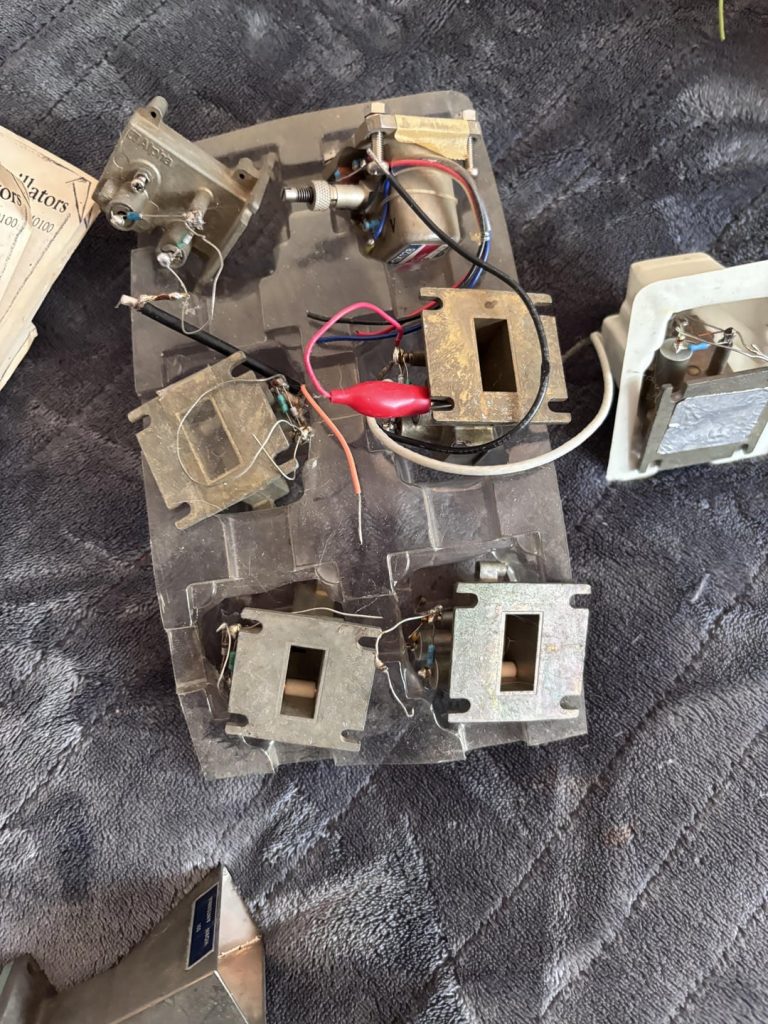
What are the Components of a Typical Electronic Air Cleaner: Key Parts Explained
Have you ever wondered how electronic air cleaners work to keep the air in your home fresh and healthy? Understanding the key parts inside these devices can help you get the most out of your air cleaner.
Knowing what each component does not only boosts your confidence in using the device but also helps you spot any issues early on. You’ll discover the main components of a typical electronic air cleaner and how they work together to remove dust, allergens, and other airborne particles.
Keep reading to unlock the secrets behind cleaner, fresher air in your space.
Credit: www.livesans.com
Electronic Air Cleaner Basics
Electronic air cleaners remove dust and pollutants from indoor air. They use electricity to trap tiny particles. These devices improve air quality in homes and offices. Understanding their basic parts helps you know how they work.
Power Supply Unit
The power supply unit provides the energy needed. It converts standard electricity to a high voltage. This voltage charges the air cleaner’s plates or wires.
Ionizing Section
The ionizing section gives particles an electrical charge. It uses sharp wires or points to create ions. These ions attach to dust and smoke particles.
Collection Plates
Collection plates attract and hold charged particles. They are metal plates with opposite charges. Particles stick to these plates, removing them from the air.
Pre-filter
The pre-filter catches larger particles before ionization. It protects the ionizing wires and plates from dust build-up. This helps the cleaner last longer and work better.
Cleaning Mechanism
Some models include a cleaning system. It removes dust from the plates automatically or manually. This keeps the air cleaner efficient over time.
Pre-filter Functionality
The pre-filter is a crucial part of an electronic air cleaner. It acts as the first line of defense against dust and larger particles. This filter helps protect the main components of the air cleaner from damage and clogging. It also improves the overall efficiency of the system by trapping bigger debris early on.
Material Composition
Pre-filters are usually made from synthetic fibers or foam. These materials allow air to pass through while trapping particles. Some pre-filters use metal mesh for durability and easy cleaning. The choice of material affects how well the pre-filter captures dirt and how often it needs replacement.
Dust And Larger Particle Capture
The pre-filter captures dust, hair, and larger particles. It prevents these from reaching the main filter or ionizing section. This step reduces the workload on the electronic air cleaner. A clean pre-filter ensures better airflow and longer filter life. Regular cleaning or replacement keeps the system working effectively.
Ionizer Role
The ionizer plays a vital role in an electronic air cleaner. It creates ions that attach to airborne particles. This process helps to remove dust, pollen, smoke, and other pollutants from the air. The ionizer ensures particles carry an electric charge. This charge makes it easier for the particles to stick to the collection plates.
Ion Generation Process
The ionizer produces ions by using high voltage electricity. This electricity splits air molecules into positive and negative ions. The ions float freely in the air. These ions are very small and light, so they move with air currents. The process happens continuously while the air cleaner is on.
Impact On Particle Charge
When particles in the air pass through the ionizer, they gain an electric charge. Charged particles attract to the oppositely charged plates inside the cleaner. This attraction removes particles from the air stream. The ionizer helps improve air quality by reducing airborne contaminants. It also prevents particles from recirculating in the room.
Collector Plates
Collector plates are a crucial part of an electronic air cleaner. They act as the surface where airborne particles stick after being charged. Without effective collector plates, the air cleaner wouldn’t capture dust, pollen, or smoke as efficiently as it should.
Plate Design
The design of collector plates can vary, but they usually consist of flat or corrugated metal sheets. Corrugated designs create more surface area, allowing the plates to trap more particles without increasing the size of the unit.
Some collector plates are coated with materials that help particles stick better. This coating can improve performance, especially in environments with oily or sticky particles. Have you noticed how some air filters seem to clog faster? That’s often due to plate design and material.
Efficiency In Particle Collection
Efficiency depends on how well collector plates attract and hold particles. Plates must maintain a strong electrical charge to capture even the smallest dust and allergens.
Regular cleaning of collector plates is essential. Dirty plates reduce efficiency and can even release trapped particles back into your air. Have you checked your air cleaner plates lately? Keeping them clean keeps your air cleaner working at its best.
Fan Mechanism
The fan mechanism is a key part of an electronic air cleaner. It moves air through the device, allowing the cleaner to remove dust, pollen, and other particles. Without a strong and steady airflow, the air cleaner cannot work well. The fan must balance power and quiet operation to keep indoor air fresh and comfortable.
Airflow Dynamics
The fan pulls air into the cleaner and pushes it through filters and plates. This airflow must be smooth and steady. Good design avoids air leaks and turbulence. A well-designed fan moves enough air to clean a room effectively.
Proper airflow helps capture more pollutants. It also improves energy efficiency by reducing the work the fan must do. The fan speed can often be adjusted to fit the room size and air quality needs.
Noise Considerations
Fans create noise during operation. Noise levels depend on fan speed, blade design, and motor quality. Quiet fans use balanced blades and smooth motors to reduce sound.
Low noise is important for homes and offices. It keeps the environment peaceful while air cleaning continues. Manufacturers often include noise ratings so buyers can choose a quiet model.
Control Panel Features
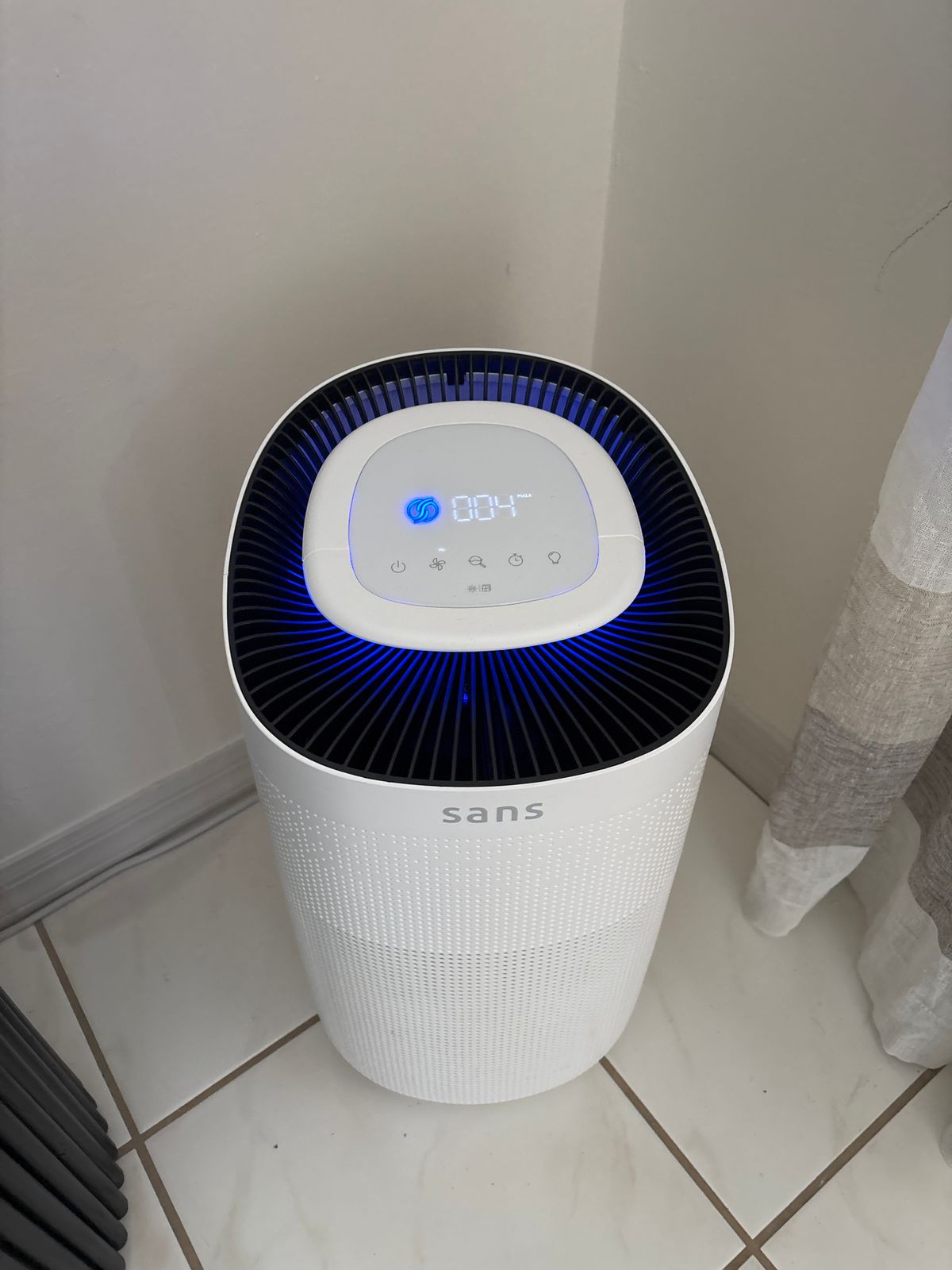
The control panel is the command center of a typical electronic air cleaner. It lets you interact directly with the device, making it easy to monitor and adjust its functions. Understanding the control panel features helps you get the most out of your air cleaner’s performance.
User Interface
The user interface is designed to be simple and clear. Most electronic air cleaners feature buttons or touchpads that let you turn the device on and off or switch between modes. Some models include LED displays or indicator lights that show the current settings and filter status.
Have you noticed how a well-lit display can make a difference in quick adjustments? Bright, intuitive controls reduce guesswork and make it easier to use the air cleaner regularly. This also encourages you to keep the device running at optimal settings.
Setting Adjustments
Setting adjustments allow you to customize the air cleaner based on your needs. You can often select different fan speeds or ionization levels to control how aggressively the unit cleans the air. Some units also have timers, so you can set the device to run only during specific hours.
Think about your daily routine. Would a timer help save energy by turning the air cleaner off when you’re not home? Small adjustments like these can improve efficiency and extend the life of your air cleaner’s components.
Maintenance Essentials
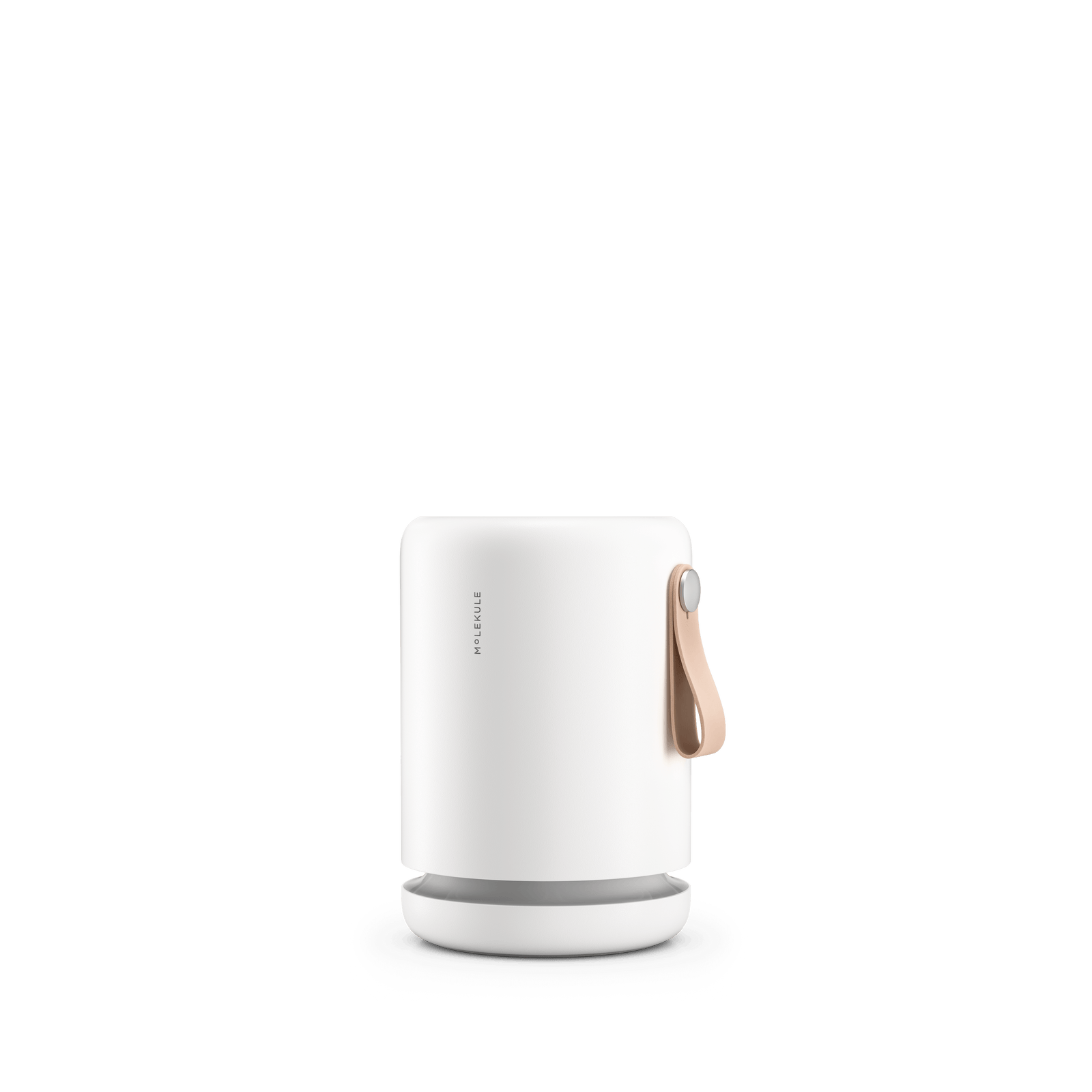
Maintaining an electronic air cleaner ensures it works effectively and lasts longer. Regular upkeep keeps the air quality high and prevents system damage. Knowing the right maintenance steps is essential for any user.
Cleaning Procedures
Cleaning the electronic air cleaner is crucial for its performance. Start by turning off the power to avoid accidents. Remove the collection cells carefully; these trap dirt and particles.
Wash the cells using warm water and mild soap. Avoid harsh chemicals that can damage the cells. Rinse thoroughly to remove all soap residues. Let the cells dry completely before reinstalling them to prevent electrical issues.
Clean the pre-filters regularly to reduce dust buildup. Wipe the outer surfaces with a damp cloth. Do not use abrasive materials that could scratch or harm the unit.
Replacement Parts
Some parts wear out and need replacement for optimal function. The collection cells, for example, can lose efficiency over time. Replace them according to the manufacturer’s guidelines.
Check the pre-filters and replace if damaged or excessively dirty. The power supply and control board may also require occasional attention. Use only genuine parts to maintain safety and performance.
Keep a schedule for inspecting and replacing components. This prevents unexpected breakdowns and costly repairs.
Credit: molekule.com
Safety Measures
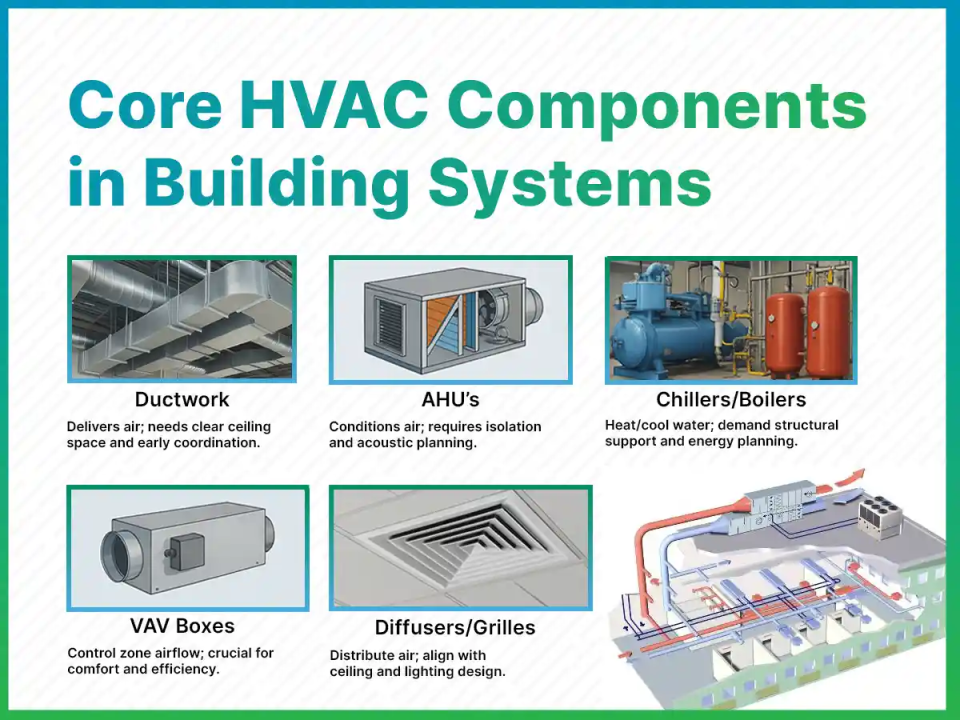
Safety measures are crucial when dealing with electronic air cleaners. These devices use electrical components and generate charged particles, so handling them with care ensures your protection and the unit’s longevity. Understanding key safety points can help you avoid accidents and keep your air cleaner functioning efficiently.
Electrical Safety
Electronic air cleaners operate on electricity, so it’s important to keep all parts dry and away from water sources. Always unplug the unit before cleaning or servicing to prevent electric shocks. Check the power cord for any damage regularly, and replace it immediately if you notice frays or exposed wires.
Improper wiring or using the wrong voltage can cause malfunctions or fires. Make sure your unit matches your home’s electrical specifications. If you’re unsure about installation, ask a qualified electrician to help.
Proper Usage Guidelines
Using your electronic air cleaner correctly can prevent damage and maintain safety. Never block the air intake or outlet; this can cause overheating. Place the unit in a location with good airflow and avoid areas with excessive dust or moisture.
Replace filters and clean the collector plates as recommended by the manufacturer. Neglecting maintenance can lead to poor air quality and increase the risk of electrical faults. Have you ever ignored a cleaning schedule only to find the air cleaner stopped working? That’s a clear reminder of why proper use matters.
Credit: www.tejjy.com
Frequently Asked Questions
What Are The Main Parts Of An Electronic Air Cleaner?
An electronic air cleaner typically includes a pre-filter, ionizing section, collector plates, and a power supply. These components work together to trap and remove airborne particles efficiently.
How Does The Ionizing Section Function In Air Cleaners?
The ionizing section charges particles in the air by emitting ions. This charge makes the particles stick to the collector plates, removing them from the airflow.
Why Are Collector Plates Important In Electronic Air Cleaners?
Collector plates capture charged particles from the air. They are essential for trapping dust, pollen, and other pollutants, improving indoor air quality.
What Role Does The Pre-filter Play In Electronic Air Cleaners?
The pre-filter traps large particles before air reaches the ionizing section. It protects internal components and enhances overall cleaning efficiency.
Conclusion
Electronic air cleaners have simple, key parts that work together well. The pre-filter catches large dust and debris first. The ionizer charges tiny particles in the air. The collector plates trap these charged particles effectively. Together, these parts clean the air you breathe.
Understanding these components helps you choose the right cleaner. Clean air supports better health and comfort at home. Regular care keeps your air cleaner working best. Simple parts, clear purpose, fresh air indoors.