What is the Difference between Electrical And Electronic Components: Key Insights
Have you ever wondered what sets electrical components apart from electronic ones? If you’re diving into the world of gadgets, circuits, or DIY projects, understanding this difference can save you time, money, and frustration.
Knowing how these components work and where to use them will make your work smoother and more efficient. Keep reading, and you’ll discover simple yet powerful insights that will change the way you look at every wire and chip in your devices.
This knowledge isn’t just for experts—it’s for you.
Basics Of Electrical Components
Understanding the basics of electrical components is key to grasping how many devices work. Electrical components control and direct the flow of electric current. They are the building blocks of electrical circuits found in homes, industries, and gadgets.
These components handle electrical energy to perform tasks like switching, controlling, and protecting circuits. They usually deal with high voltage or current levels. Learning about these parts helps in identifying how machines operate and how to fix them.
Definition And Function
Electrical components are parts that carry or control electric current. Their main job is to enable electricity to do work safely and efficiently. They include items that can store, resist, or conduct electricity.
These components help in creating circuits that power devices like lights, motors, and heaters. They turn electrical energy into useful forms such as heat, light, or motion. Each component has a specific role that supports the entire system.
Common Types And Uses
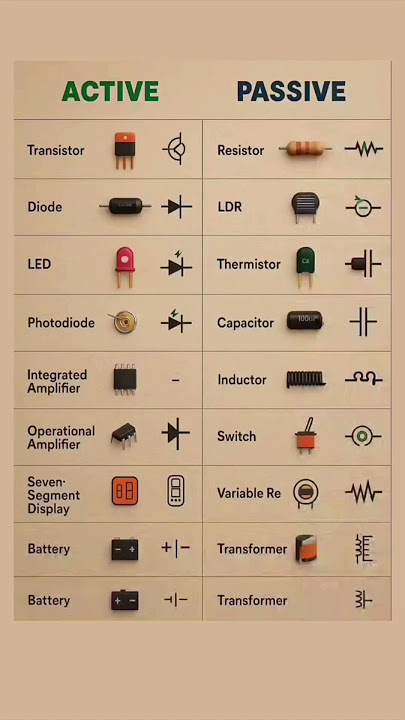
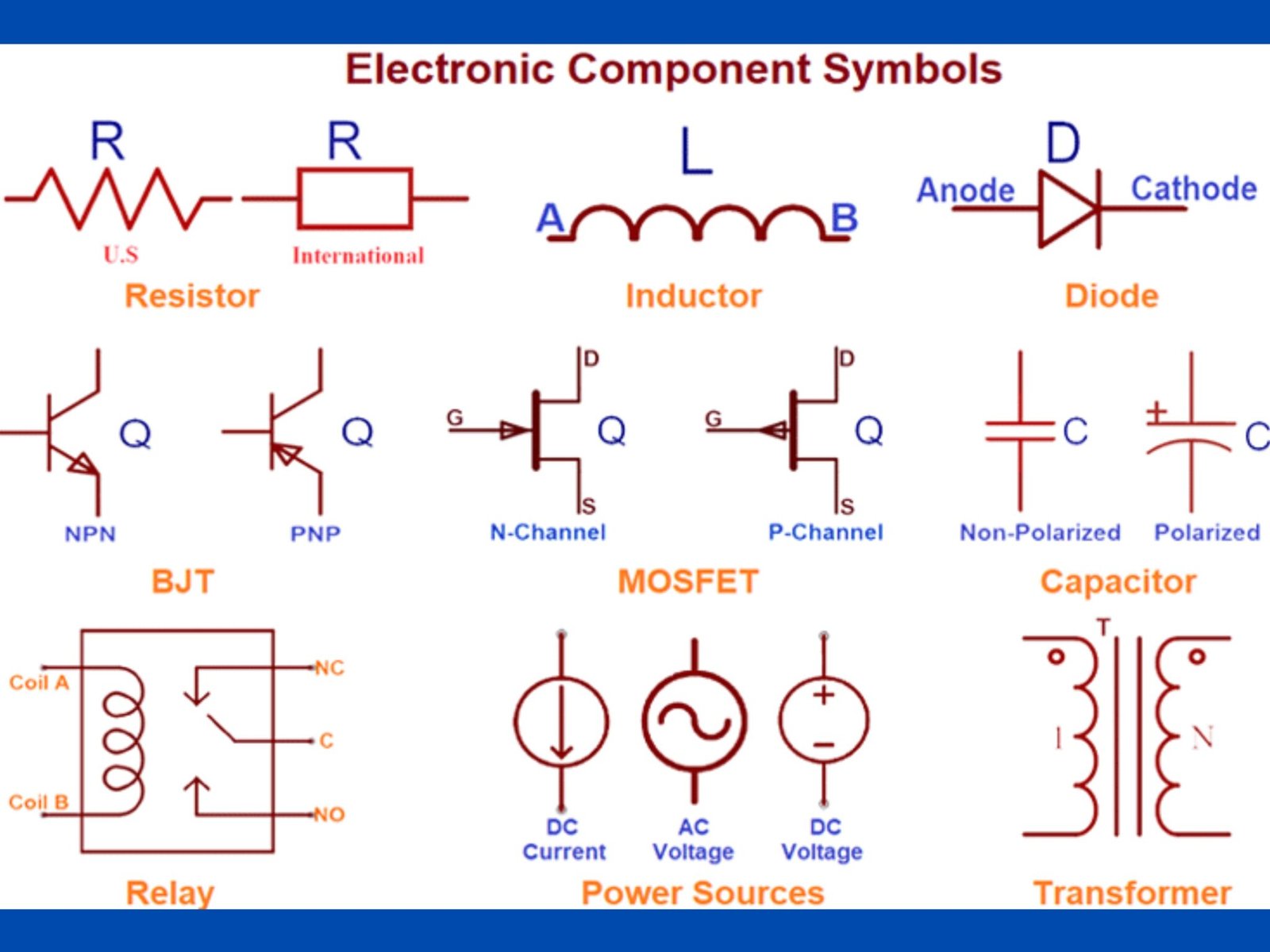
- Resistors:Limit current flow and divide voltages.
- Capacitors:Store and release electrical energy temporarily.
- Inductors:Store energy in a magnetic field when current flows.
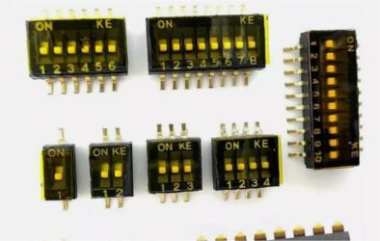
- Switches:Open or close circuits to control power.
- Transformers:Change voltage levels for different uses.
- Fuses:Protect circuits by breaking the connection if current is too high.
These components appear in simple household items and large industrial machines. Understanding their types and uses helps in designing and troubleshooting electrical systems effectively.
Credit: mscpl.in
Basics Of Electronic Components
Electronic components form the heart of modern devices. They control and manage electric signals to perform various tasks. Understanding their basics helps grasp how gadgets work. These components differ from electrical parts in how they handle energy. Electronic components focus on signal processing, amplification, and switching.
Definition And Function
Electronic components are tiny parts that control electric current. They change signals or power to achieve specific results. Their role includes amplifying signals, switching currents, and storing data. They do not just carry electricity like electrical components. Instead, they manipulate it to perform complex functions.
Each component has a unique job. Some control the flow of current. Others amplify weak signals. Some store energy temporarily. Together, they enable devices to work accurately and efficiently.
Common Types And Uses
- Resistors:Limit or regulate current flow in a circuit.
- Capacitors:Store and release electrical energy quickly.
- Diodes:Allow current to flow in one direction only.
- Transistors:Act as switches or amplifiers for signals.
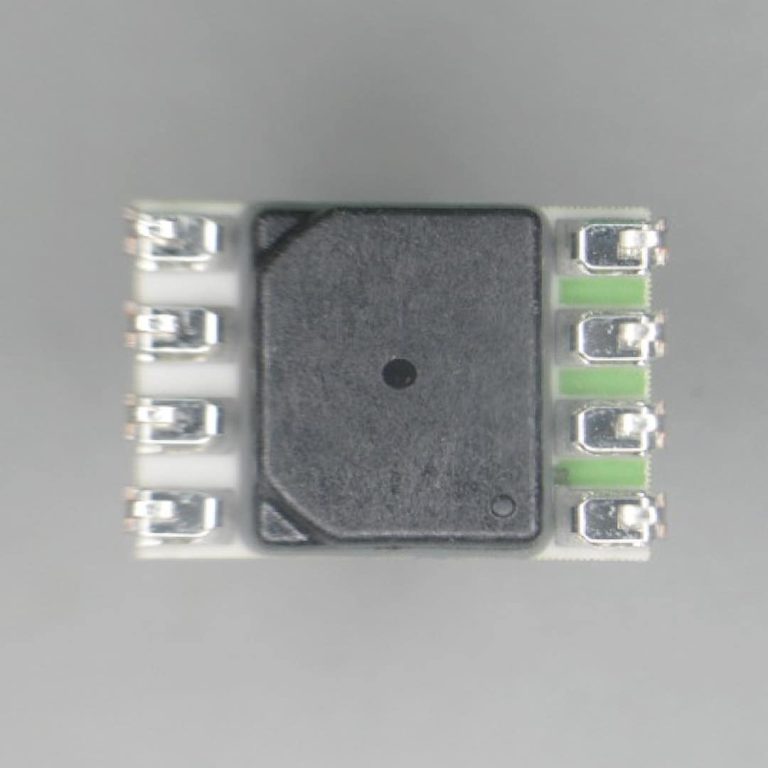
- Integrated Circuits (ICs):Combine many components in a small chip.
These components appear in phones, computers, and many devices. They make electronic gadgets smart and responsive. Their small size and efficiency allow complex functions in compact forms.
Materials Used In Manufacturing
Understanding the materials used in manufacturing electrical and electronic components is key to grasping their fundamental differences. These materials determine how components behave, conduct electricity, and perform in circuits. Let’s break down the main types of materials involved and why they matter to you.
Conductors And Insulators
Conductors are materials that allow electric current to flow easily. Metals like copper and aluminum are common conductors used in wiring and electrical components because of their low resistance. You’ve probably noticed copper wires in your home’s electrical system—that’s because copper efficiently carries electricity without much energy loss.
Insulators, on the other hand, prevent electrical current from flowing. Materials such as rubber, plastic, and glass act as insulators. They protect you from electric shocks by covering conductive parts. Have you ever wondered why power cables are coated in plastic? That’s to keep you safe by blocking electricity from escaping.
Semiconductors
Semiconductors fall between conductors and insulators in their ability to conduct electricity. Silicon is the star material here, used widely in electronic components like transistors and diodes. What makes semiconductors special is their ability to control electrical flow, which is essential for processing signals in devices you use daily, from smartphones to computers.
Manufacturing with semiconductors requires precision and purity. Even tiny impurities can change how a semiconductor behaves. This is why semiconductor fabrication is a complex and fascinating process. Have you ever stopped to think how tiny chips inside your devices manage so much information? It’s all thanks to carefully crafted semiconductor materials.
Energy Conversion And Control
Energy conversion and control are key aspects of both electrical and electronic components. They deal with how energy changes form and how it is managed within a system. Understanding their roles helps us see the practical uses of these components in devices and machinery.
Role In Energy Transfer
Electrical components mainly handle large amounts of energy. They convert electrical energy into other forms like heat, light, or motion. For example, a motor changes electricity into mechanical energy.
Electronic components work with small energy levels. They control and process electrical signals rather than convert energy. Their role is crucial in devices like computers and smartphones where precise energy use is needed.
Control Mechanisms
Electrical components use simple control methods. Switches and relays turn energy flow on or off. Transformers adjust voltage levels to control energy transfer efficiently.
Electronic components use complex control systems. Transistors and integrated circuits regulate current and voltage in tiny steps. This allows for detailed signal processing and energy management in circuits.
Applications In Daily Life
Electrical and electronic components play vital roles in everyday life. They power and control many devices around us. Understanding their applications helps us see their importance clearly.
Household Devices
Electrical components are common in household devices. They provide power and allow devices to operate. Examples include:
- Light bulbs
- Fans
- Heaters
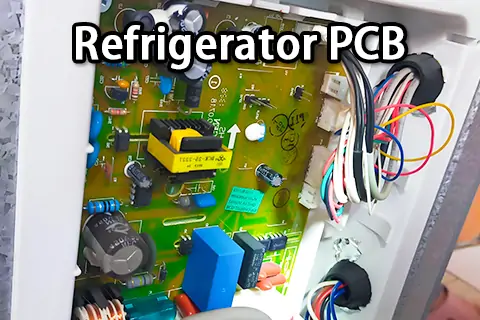
- Refrigerators
Electronic components control more complex tasks in devices. They manage signals and data to improve functionality. Examples include:
- Televisions
- Microwave ovens
- Smartphones
- Computers
Industrial Applications
Electrical components in industries handle power distribution and heavy machinery. They ensure machines run safely and efficiently. Common uses include:
- Motors
- Transformers
- Switches
Electronic components help industries automate and control processes. They monitor systems and improve precision. Examples include:
- Programmable logic controllers (PLCs)
- Sensors
- Microcontrollers

Credit: www.reddit.com
Complexity And Functionality
Understanding the difference between electrical and electronic components becomes clearer when you look at their complexity and functionality. These two types of components serve different roles in devices, shaping how simple or intricate the systems they build can be. Let’s break down how their complexity levels and functions set them apart.
Simple Vs. Complex Systems
Electrical components like resistors, capacitors, and switches tend to be simple. They usually handle straightforward tasks such as controlling current or voltage in a circuit. Because of their simplicity, these parts often form the building blocks of basic electrical systems.
Electronic components, on the other hand, can be much more complex. Devices like microchips, transistors, and integrated circuits perform multiple tasks simultaneously. They process information, store data, and even make decisions within a system.
Think about your home lighting system versus your smartphone. The light switch is a simple electrical component, while the smartphone’s processor is a complex electronic component. Which system do you think requires more intricate design and programming?
Functionality Differences
Electrical components mainly focus on power management. They conduct, control, and convert electrical energy but usually don’t process information. Their role is essential but limited to basic electrical functions.
Electronic components, however, add intelligence to circuits. They can amplify signals, perform calculations, and enable communication between devices. This makes them crucial in modern gadgets where functionality goes far beyond just moving electricity.
Have you ever wondered how your TV remote sends signals to the television? That’s electronic functionality in action. It shows how electronic components transform simple electrical energy into complex, usable data.
Maintenance And Durability
Understanding the maintenance and durability of electrical and electronic components can save you time and money. These two types of components behave differently under wear and tear, affecting how often you need to check or replace them. Knowing these differences helps you plan your upkeep more effectively.
Lifespan Considerations
Electrical components like resistors and switches generally have longer lifespans because they handle straightforward tasks such as conducting or interrupting current.
Electronic components, such as microchips or transistors, perform more complex functions and are often more sensitive to heat and voltage fluctuations, which can shorten their lifespan.
Have you noticed how a simple fuse can last years, while a tiny capacitor may fail after a few months? This difference is key when deciding which parts to monitor closely in your devices.
Repair And Replacement
Electrical components are often easier to repair or replace. Their simpler design means you can usually swap out a faulty switch or wire without much hassle.
Electronic components, however, are usually integrated into circuits and require careful handling. Repair might involve specialized tools or even replacing entire circuit boards.
Think about your smartphone: replacing a broken screen is common, but repairing an internal chip is rare and expensive. This shows how electronic component maintenance demands more precision.
Impact On Modern Technology
The impact of electrical and electronic components on modern technology is profound and shapes how devices function in our daily lives. Electrical components handle the flow of power, while electronic components control and manipulate signals for complex tasks. Understanding their roles helps you appreciate how your gadgets work and how technology continues to evolve.
Advancements In Electronics
Electronic components have driven significant progress in communication, computing, and automation. Miniaturization of electronic parts like microchips allows smartphones and laptops to be powerful yet compact. This progress means you can carry incredible computing power in your pocket.
Unlike traditional electrical parts that mainly conduct or switch power, electronic components process information. This capability enables smart devices to learn and adapt, improving user experience. Have you noticed how your devices seem smarter over time? That’s the result of electronic advancements.
Future Trends
The future points to even more integration of electronic components in everyday products. Emerging trends include flexible electronics that can bend and stretch, opening new possibilities in wearable technology and health monitoring. Imagine your clothes tracking your health without bulky gadgets.
Additionally, the rise of the Internet of Things (IoT) relies heavily on electronic components for connectivity and data processing. This means your home, car, and workplace will become more interconnected and responsive. What new conveniences would you want from such smart environments?
Credit: www.pcbasic.com
Frequently Asked Questions
What Distinguishes Electrical Components From Electronic Components?
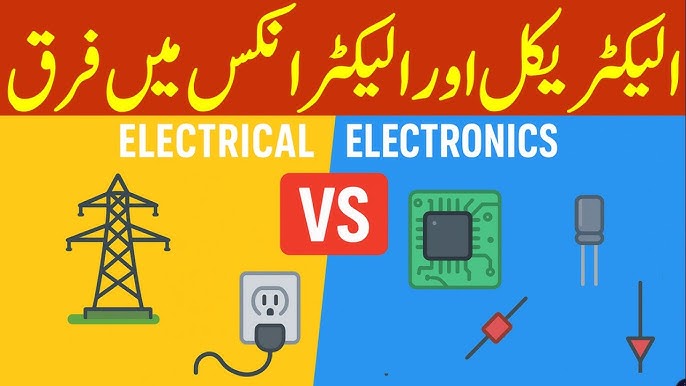
Electrical components control electric power, while electronic components manage electric signals. Electrical parts handle high voltage and current. Electronic parts work with low voltage and complex signals for processing information.
Can Electrical And Electronic Components Work Together?
Yes, many devices combine electrical and electronic components. Electrical parts supply power. Electronic parts perform control, signal processing, and communication functions within the system.
Which Components Are Considered Electrical Components?
Electrical components include resistors, capacitors, switches, transformers, and motors. They mainly deal with power distribution and conversion in circuits and devices.
What Are Common Examples Of Electronic Components?
Electronic components include transistors, diodes, integrated circuits, and microcontrollers. These parts manipulate signals to perform computing, amplification, and control tasks.
Conclusion
Electrical and electronic components serve different roles in devices. Electrical parts handle large power and simple tasks. Electronic parts control small signals and complex functions. Knowing their differences helps in choosing the right parts. It also aids in fixing or building gadgets.
Both types work together in many systems. Understanding these basics makes technology easier to grasp. Keep exploring to learn more about how things work. This knowledge supports smarter decisions in electronics and electrical projects.