What Can Be Made With Microwave Electronic Components: Innovative Creations
Have you ever wondered what you can create with microwave electronic components? Whether you’re a hobbyist or a professional, these tiny parts hold the key to building powerful devices that work at incredibly high frequencies.
Imagine designing gadgets that improve communication, radar systems, or even everyday wireless tech. You’ll discover the exciting possibilities and practical projects you can bring to life using microwave components. Ready to unlock new skills and ideas? Keep reading to see what you can make and how these components can transform your next project.
Basics Of Microwave Electronics
Microwave electronics deals with the study and application of electronic components that operate at microwave frequencies, typically ranging from 300 MHz to 300 GHz. These components are essential in many modern technologies, such as radar, satellite communication, and wireless networks. Understanding the basics of microwave electronics helps you see how these tiny parts impact devices you use every day.
What Defines Microwave Frequencies?
Microwave frequencies lie between radio waves and infrared light in the electromagnetic spectrum. At these frequencies, signals can carry large amounts of data quickly and efficiently. Have you ever wondered why your Wi-Fi router uses certain frequency bands? It’s because microwaves can travel well through walls and provide high-speed connectivity.
Key Microwave Components And Their Roles
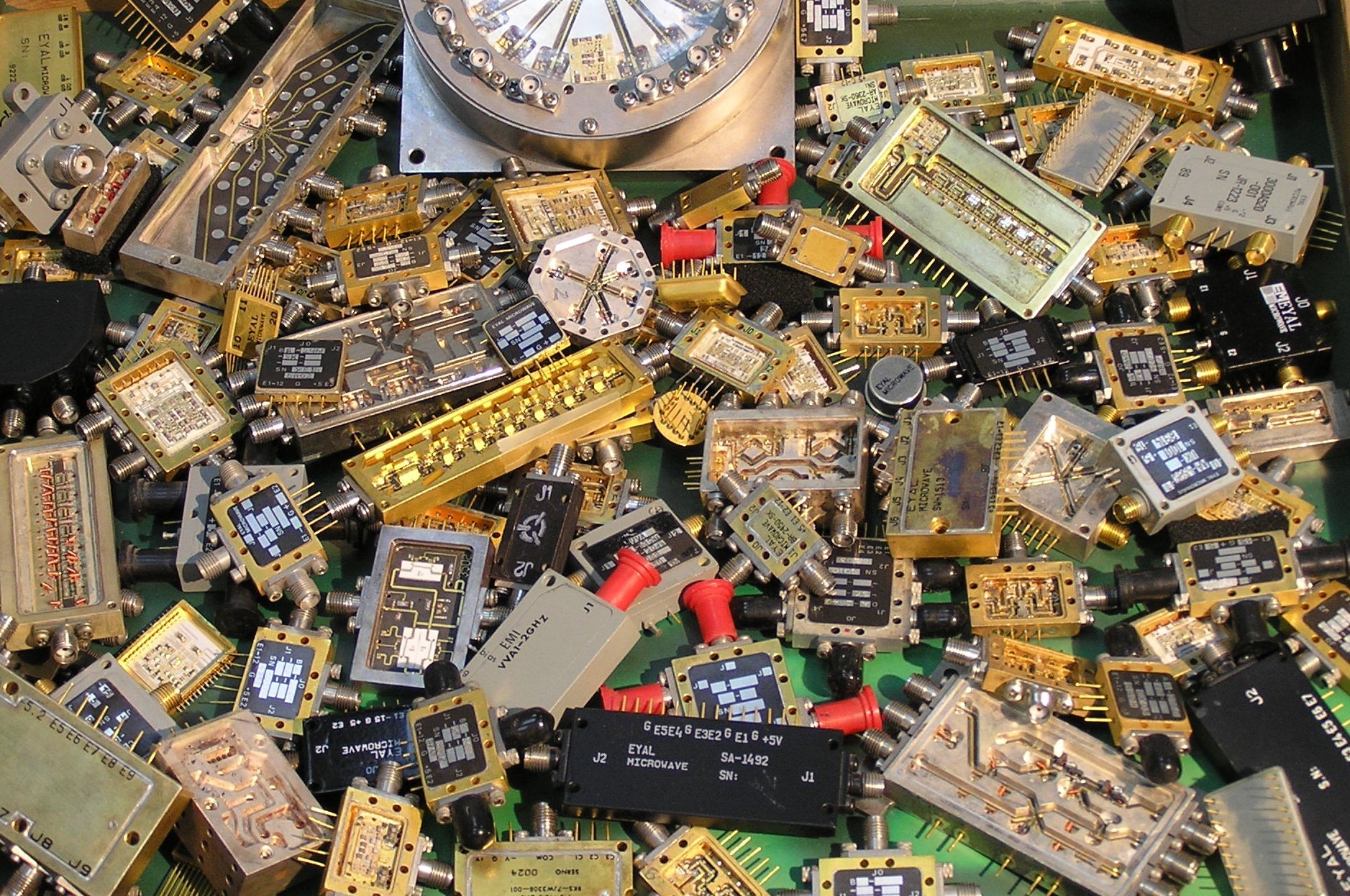
Microwave circuits use specialized components like waveguides, mixers, oscillators, and amplifiers. Each part plays a unique role:
- Waveguides:Guide microwave signals with minimal loss.
- Mixers:Combine or convert frequencies to enable signal processing.
- Oscillators:Generate stable microwave signals for transmission.
- Amplifiers:Boost signal strength without distortion.
Knowing these components helps you understand how signals are created, modified, and transmitted.
Challenges In Designing Microwave Circuits
Microwave circuits demand precision in design due to their high frequencies. Small changes in component size or placement can drastically affect performance. Have you noticed how sensitive your microwave oven’s controls are? That sensitivity comes from the need to handle microwave signals precisely.
Applications That Use Microwave Electronics
Microwave electronics powers many devices you interact with daily. These include:
- Cell phones and wireless communication devices
- Radar systems for aviation and weather monitoring
- Satellite TV and GPS receivers
- Microwave ovens for cooking food
Understanding the basics lets you appreciate the technology behind these tools and even inspires ideas for new inventions.
Repurposing Microwave Components
Repurposing microwave components offers a creative way to reuse parts and reduce waste. Many parts inside a microwave can be used for DIY electronics projects or educational purposes. These components often have valuable properties that make them useful beyond their original purpose.
Using microwave parts requires care and knowledge. Some pieces can store electricity or contain hazardous materials. Knowing which components to use and how to handle them safely is important for any project.
Common Components Found
- Magnetron:The core part that generates microwave radiation. It can be used in experiments involving high-frequency signals.
- High-voltage transformer:Provides power for the magnetron. It can be adapted for high-voltage projects with caution.
- Capacitor:Stores electrical charge. Useful for power supply circuits and timing devices.
- Diode:Controls current direction. Can be reused in rectifiers or signal circuits.
- Fan motor:Useful for small cooling or ventilation projects.
- Turntable motor:Ideal for slow rotation devices or robotic parts.
Safety Precautions
- Always unplug the microwave before opening it up.
- Discharge the capacitor fully to avoid electric shocks.
- Wear gloves and eye protection when handling components.
- Avoid touching the magnetron directly; it may contain harmful materials.
- Work in a well-ventilated area to prevent inhaling dust or fumes.
- Keep tools and components away from children and pets.
Diy Communication Devices
Microwave electronic components open up exciting opportunities to build your own communication devices. These parts let you experiment with signals and waves that carry information over the air. Whether you want to learn or create something useful, DIY communication projects are a hands-on way to get deeper into electronics.
Building A Simple Radar
Creating a basic radar system might sound complex, but with microwave components, you can make one yourself. The key parts include a microwave oscillator, an antenna, and a detector. These work together to send out microwave signals and capture their reflections from objects.
By measuring the time delay between sending and receiving signals, your radar can estimate how far away something is. A practical tip: use a small microwave module designed for hobbyists to keep your project manageable. Have you ever wondered how planes detect other aircraft? Now you can build a mini version to see the principle in action.
Creating Wireless Transmitters
Wireless transmitters rely on microwave components to send data through the air without wires. You can assemble a transmitter using a microwave oscillator, modulator, and antenna. This setup lets you send signals like audio or simple data to a receiver nearby.
One useful project is making a wireless microphone or a small remote control. When I built a wireless transmitter, I realized how critical antenna design is for clear signals. Experimenting with different antennas can teach you how to improve range and reduce interference.
- Choose a microwave oscillator with stable frequency output.
- Use simple modulation techniques like amplitude modulation to carry your signal.
- Test your transmitter with a compatible receiver to check signal quality.
What communication device would you like to create with microwave components? Trying your own ideas can lead to surprising results and deeper understanding.
Credit: www.kratosdefense.com
Microwave-based Energy Solutions
Microwave electronic components open up exciting possibilities for energy solutions that are both efficient and innovative. These components allow you to handle energy in new ways, especially when it comes to converting, transmitting, and managing power. Understanding how microwaves interact with energy can help you create practical devices that improve your daily life or even contribute to greener technology.
Homemade Solar Converters
Microwave components can be used to build simple yet effective solar converters at home. By using microwave diodes and waveguides, you can convert sunlight into microwave signals and then back into electricity. This approach can increase the efficiency of your solar power setup by focusing and directing energy more precisely.
If you’ve ever experimented with solar panels, you might notice inefficiencies due to energy loss. Adding microwave-based elements can help reduce these losses. You can start by integrating microwave rectifiers, which convert microwaves directly into DC power with less energy wasted.
Imagine creating a solar converter that fits into your backyard system and boosts your energy output. Would you be willing to try building one with microwave components to see how much power you can save?
Wireless Power Transmission
Wireless power transmission is another exciting application of microwave electronic components. Using microwave antennas and resonators, you can send energy over short distances without wires. This technology can power devices without the clutter of cables, making your workspace or home more organized.
One practical use is charging small gadgets like phones or sensors wirelessly. By setting up a microwave transmitter and receiver, you can test how efficiently power transfers through the air. This can be a fun and educational project that also serves a real-world purpose.
Are you curious about how far you can send power without losing too much energy? Experimenting with different microwave components can reveal surprising results about the limits and possibilities of wireless energy transfer.
Innovative Microwave Applications
Microwave electronic components have opened doors to many new applications beyond simple cooking. Their ability to generate and control high-frequency waves has led to creative uses in science and technology. These innovations improve efficiency and offer new solutions in various fields.
Non-invasive Heating Solutions
Microwave technology heats materials without direct contact. This method is gentle and precise. It allows heating of sensitive substances without damage. Medical treatments use this for targeted heating of tissues. Industrial processes apply it to cure coatings and dry materials quickly.
Non-invasive heating is energy-efficient and reduces waste. It controls temperature accurately to avoid overheating. This approach improves safety and product quality in manufacturing and healthcare.
Microwave-powered Engines
Microwaves can power engines by creating plasma or heating gases. These engines offer a new way to convert microwave energy into motion. Researchers explore microwave-powered thrusters for spacecraft propulsion. The technology promises lighter and simpler designs than traditional engines.
Microwave-powered engines produce less noise and fewer emissions. They may provide a cleaner alternative for future transportation. This field continues to grow with advances in microwave components and materials.
Artistic And Educational Projects
Microwave electronic components offer exciting possibilities for artistic and educational projects. Their unique properties allow creators and educators to design interactive experiences and clear demonstrations. These projects help people explore science and art in engaging ways.
Interactive Art Installations
Artists use microwave components to build dynamic installations. These pieces respond to movement or sound, creating immersive environments. Sensors detect nearby objects and trigger light or sound effects instantly. This interaction brings artwork to life, making viewers part of the experience.
Such installations often include:
- Microwave sensors to track motion
- Signal processors to control visual effects
- Wireless modules for remote interaction
Using these parts, artists create spaces that change with audience presence. The result is a blend of technology and creativity that captivates and surprises.
Teaching Tools For Physics
Microwave components are ideal for teaching physics concepts clearly. Students can see waves, frequency, and energy principles in action. Simple experiments demonstrate reflection, transmission, and interference patterns. These hands-on tools make abstract ideas easier to grasp.
Common educational projects include:
- Building basic radar models
- Studying wave behavior with sensors
- Exploring signal modulation techniques
These tools encourage curiosity and improve learning by doing. They help students connect theory with real-world applications effectively.
Future Of Microwave Innovation
The future of microwave innovation holds exciting possibilities. These electronic components keep evolving, driving new applications and solutions. Innovations focus on improving performance, efficiency, and integration with other technologies. This progress shapes how devices work and how users benefit from them.
Emerging Technologies
New materials like graphene and gallium nitride are changing microwave components. These materials handle higher power and frequency with less loss. Advances in miniaturization allow components to fit into smaller devices. Integration with 5G and beyond brings faster, more reliable communication. Artificial intelligence also helps optimize microwave circuit design and function.
Sustainability Considerations
Reducing energy consumption is a key goal in microwave innovation. New designs focus on lower power use without losing performance. Using recyclable materials helps minimize environmental impact. Longer-lasting components reduce electronic waste over time. Efforts aim to make microwave technology greener and more eco-friendly.

Credit: www.microwavejournal.com
Credit: www.nature.com
Frequently Asked Questions
What Products Use Microwave Electronic Components?
Microwave electronic components power devices like radar systems, satellite communications, and wireless networks. They are essential in medical equipment and automotive sensors. These components enable high-frequency signal processing and efficient data transmission in many modern technologies.
How Do Microwave Components Improve Communication Devices?
Microwave components enhance communication by enabling faster data transfer and better signal clarity. They support high-frequency signals crucial for cellular networks, Wi-Fi, and satellite links. This results in reliable, long-distance wireless communication and improved overall device performance.
Can Microwave Components Be Used In Medical Devices?
Yes, microwave components are vital in medical devices like imaging systems and cancer treatment machines. They enable precise microwave energy delivery for diagnostics and therapy. Their use improves accuracy and effectiveness in various medical applications.
What Role Do Microwave Components Play In Radar Systems?
Microwave components generate and process high-frequency signals in radar systems. They help detect objects, measure speed, and map environments accurately. These components are crucial for military, aviation, and weather monitoring radar technologies.
Conclusion
Microwave electronic components help build many useful devices. They work in communication tools, radar systems, and satellite equipment. These parts improve signal quality and speed. Engineers use them to create better wireless networks. The technology keeps advancing, opening new possibilities daily.
Understanding these components helps us appreciate modern gadgets. Simple parts make complex machines possible. The future holds exciting developments in microwave electronics. Keep exploring to learn how these parts shape our world.