How Much of US Homes Will Have Smart Devices: Future Trends Revealed
Imagine walking into your home and everything just works, seamlessly and intelligently. The lights adjust to your mood, the thermostat sets itself to the perfect temperature, and your coffee starts brewing as soon as you wake up.
This isn’t a scene from a sci-fi movie; it’s the reality of smart homes. But how widespread is this trend? How many U. S. Homes will embrace smart devices in the near future? We’re diving into the numbers and trends that predict the future of smart technology in American households.
You’ll discover why these devices are not just a fad but a significant shift in how we live. Plus, we’ll explore how this transformation could affect your lifestyle, savings, and even your home’s value. Stay with us to uncover how smart your home can really be.

Credit: straitsresearch.com
Current Smart Device Adoption
Smart devices have become a common part of many US homes, but adoption rates vary widely depending on several factors like age, income, and tech comfort. Understanding how many households actually use these gadgets can help you gauge whether investing in smart tech is worth it for your own space. Let’s look at some numbers and the types of devices that are making the biggest impact right now.
Statistics On Smart Device Usage
Recent surveys show that over 50% of US householdsown at least one smart device. This number has steadily increased each year, reflecting growing trust and interest in smart technology.
Here’s a quick snapshot:
- Smart speaker ownership rose from 20% in 2018 to nearly 40% in 2023.
- Smart security systems are present in about 30% of homes.
- Smart thermostats are installed in roughly 25% of households.
Do these numbers surprise you? If your home isn’t among them yet, you might be missing out on convenience and energy savings that many others enjoy.
Popular Smart Devices In Us Homes
Not all smart devices are created equal in popularity. Some have become staples, while others remain niche products.
The most common smart devices include:
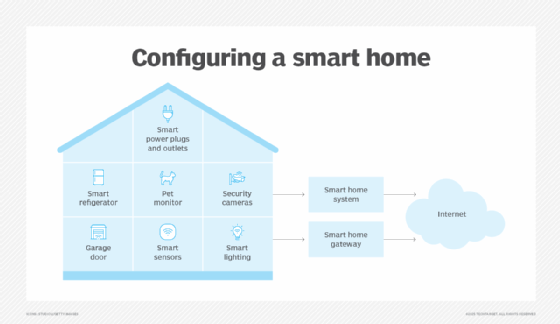
- Smart speakerslike Amazon Echo and Google Nest, which offer hands-free control over music, lighting, and information.
- Smart thermostatssuch as Nest and Ecobee, popular for cutting energy costs and enhancing comfort.
- Smart security camerasand doorbells like Ring, providing peace of mind through remote monitoring.
- Smart lighting systemsthat let you adjust brightness and color from your phone.
Have you thought about which smart device fits best with your daily routine? Sometimes starting with one device that solves a specific problem is the easiest way to get comfortable with smart tech.

Credit: www.sdmmag.com
Factors Driving Growth
The rise of smart devices in US homes depends on several key factors. These factors shape how quickly and widely these devices are adopted. Understanding these helps explain the growth trend in smart home technology.
Technological Advancements
Smart devices improve as technology evolves. Faster internet and better sensors make devices more reliable. Voice assistants have become more accurate and user-friendly. Integration with other home systems has also increased. This progress encourages more people to install smart devices.
Consumer Preferences
People want convenience and security in their homes. Smart devices offer easy control of lighting, heating, and security. Many users enjoy managing their homes remotely using smartphones. Energy-saving features appeal to eco-conscious consumers. These preferences drive demand for smart home products.
Affordability And Accessibility
Prices for smart devices have dropped over the years. More affordable products attract a wider audience. Online shopping makes it easy to buy smart devices. Installation has become simpler, requiring less technical skill. These factors make smart homes accessible to many families.
Emerging Smart Home Technologies
Emerging smart home technologies are shaping how we live. These new tools make homes more efficient and easier to manage. They bring convenience, security, and energy savings. Homeowners are adopting these technologies quickly.
Ai Integration
Artificial intelligence powers smart devices to learn user habits. It helps automate daily tasks without manual control. AI can adjust lighting, temperature, and security based on preferences. It also improves voice assistants for better responses. This technology makes homes smarter and more responsive.
Enhanced Connectivity
Smart homes rely on strong connections between devices. New tech improves how devices talk to each other. Faster Wi-Fi and mesh networks reduce dead zones. This means all smart gadgets work smoothly together. Reliable connectivity supports real-time control and monitoring from anywhere.
Energy Management Systems
Energy management systems help reduce power consumption at home. They track energy use and suggest ways to save. Smart thermostats and lighting adjust to avoid waste. Some systems even use solar energy efficiently. These tools lower bills and support a greener lifestyle.
Market Predictions
The future of smart devices in US homes looks bright. Experts predict strong growth in adoption over the next decade. This section explores key market predictions on how many homes will integrate smart technology. Expect insights on adoption rates, regional differences, and effects on real estate.
Projected Adoption Rates
Smart device adoption in US homes is expected to rise sharply. Analysts estimate that by 2030, over 75% of households will have at least one smart device. This growth is driven by falling prices and better technology.
Devices like smart speakers, thermostats, and security cameras will lead the market. Early adopters set trends that others follow quickly. The pace of adoption will speed up as more people discover benefits like convenience and energy savings.
Regional Variations
Adoption rates vary across the country. Urban areas tend to have higher smart device use than rural ones. Cities often have better internet access, which supports smart technology.
Regions with higher income levels also show faster adoption. The West Coast and Northeast lead in smart home technology. The South and Midwest are catching up but at a slower rate.
- Urban homes: 80%+ adoption by 2030
- Rural homes: Around 60% adoption by 2030
- High-income areas: Early adoption and advanced devices
Impact On Real Estate
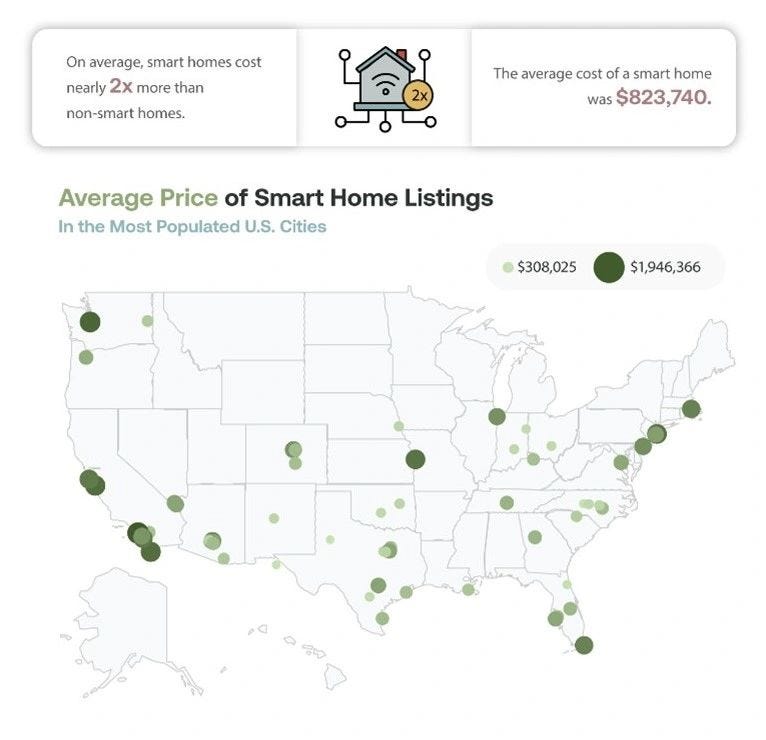
Smart devices influence home buying decisions. Homes with smart features often sell faster and at higher prices. Buyers value convenience and energy efficiency.
Real estate agents increasingly market smart homes. Features like automated lighting and security systems attract modern buyers. Smart technology can also lower insurance costs, adding appeal.
New home builders now include smart devices as standard. This trend will continue as demand grows. Older homes often undergo smart upgrades to increase value and comfort.
Challenges And Concerns
Smart devices are becoming more common in US homes, but there are real challenges and concerns you should consider before fully embracing this technology. These issues can affect how you use smart gadgets daily and whether they truly make life easier or more complicated. Understanding these challenges helps you make smarter choices about what devices to bring into your home.
Privacy And Security Issues
Smart devices collect a lot of personal data, from your daily routines to voice commands. If this information falls into the wrong hands, it could lead to identity theft or unauthorized access to your home.
Many users don’t realize how often their devices communicate with servers, sometimes sending data without explicit permission. Have you ever wondered who really controls the information your devices share?
To protect yourself, always update device software and use strong, unique passwords. Avoid connecting smart gadgets to unsecured Wi-Fi networks to reduce the risk of hacking.
Compatibility And Standardization
One of the biggest headaches with smart homes is making sure all devices work together smoothly. Different brands often use different protocols, causing frustration when trying to control everything from a single app.
You might find yourself juggling multiple apps or missing out on features because your devices don’t “talk” to each other. This lack of standardization can slow down your smart home setup and increase costs.
Before buying new devices, check if they support popular standards like Zigbee, Z-Wave, or Matter. This can save you time and headaches in the long run.
User Experience Barriers
Smart devices promise convenience, but if they are hard to set up or use, you may end up avoiding them altogether. Complex interfaces and confusing instructions can turn what should be a time-saver into a daily annoyance.
Many users, especially older adults or those less tech-savvy, face a steep learning curve with these devices. Have you experienced frustration trying to get a smart device to work properly?
Look for products with clear guides, responsive customer support, and intuitive controls. Sometimes, spending a little extra on user-friendly devices pays off more than going for the cheapest option.

Credit: medium.com
Future Lifestyle Changes
The future promises big changes in how we live with smart devices in our homes. These devices will blend into daily life, making many tasks easier and more efficient. Homes will become more connected, responsive, and personalized. This will affect how we manage our health, work, and leisure time.
Smart Homes And Daily Living
Smart devices will handle routine chores like lighting, heating, and security. Sensors will learn habits and adjust settings automatically. Voice assistants will answer questions and control appliances. This means less time spent on small tasks and more comfort. Homes will adapt to personal preferences with little effort.
Health And Wellness Applications
Smart technology will help monitor health in real time. Devices will track sleep, heart rate, and activity levels. Alerts will remind people to take medication or exercise. Some systems will detect emergencies like falls or unusual symptoms. This support helps people stay healthier and more independent.
Work And Entertainment Integration
Smart homes will create better spaces for work and fun. Automated lighting and sound will adjust for meetings or relaxation. Virtual assistants will manage schedules and control devices. Entertainment systems will offer personalized content and easy access. This integration makes balancing work and free time smoother.
Frequently Asked Questions
How Many Us Homes Have Smart Devices In 2024?
Around 40% of US homes currently use smart devices. This number is growing rapidly due to increased affordability and convenience. Smart speakers, thermostats, and security systems are the most common devices found in these homes.
What Types Of Smart Devices Are Popular In Us Homes?
Popular smart devices include voice assistants, smart thermostats, security cameras, and smart lighting. These devices offer convenience, energy savings, and enhanced home security. Their ease of use drives their adoption in many US households.
Why Are Smart Devices Growing In Us Homes?
Smart devices grow due to better technology, lower costs, and increased internet access. Consumers want more control over their homes and energy efficiency. Convenience and security features also boost their appeal.
How Will Smart Device Adoption Change In The Future?
Smart device adoption is expected to reach 60% of US homes by 2027. Advances in AI and IoT will make devices smarter and more integrated. More affordable options will also increase accessibility for many households.
Conclusion
Smart devices are becoming common in many US homes. More families choose smart gadgets every year. These devices help with daily tasks and save energy. Technology grows fast, making smart homes easier to set up. Many homes will have at least one smart device soon.
This trend shows no signs of slowing down. The future of home living looks connected and smart. Embracing these changes can bring comfort and convenience. Simple steps today lead to smarter homes tomorrow.