Are Tv Consumer Electronics Vs Consumer Appliances: Key Differences Explained
When outfitting a home, it’s easy to lump all plug-in tech into a single “electronics” category, but TVs and household appliances are governed by different standards, have wildly different lifespans, and impact your budget and daily routine in distinct ways. Many shoppers assume a TV counts as a “home appliance” because it lives in the living room, but industry classifications and practical use cases set them firmly apart. This guide breaks down the key, verified differences between TVs (a flagship consumer electronics product) and consumer appliances, so you can make smarter purchasing, maintenance, and budgeting decisions for your home.
Defining the Two Core Product Categories
To understand the gap between TVs and household appliances, it helps first to establish clear definitions for each product class, as industry bodies use consistent criteria to sort products into these buckets.
What Are Consumer Electronics?
Consumer electronics are devices designed primarily for entertainment, communication, information access, and personal productivity, relying on integrated electronic circuits and digital processing to function. They prioritize performance, connectivity, and feature updates, with shorter replacement cycles driven by rapid technological advancements. Common examples include televisions, smartphones, laptops, Bluetooth speakers, smart watches, and streaming devices. For context on how these devices fit into broader home tech ecosystems, check out other home entertainment options that complement TV setups.
What Are Consumer Appliances?
Consumer appliances are devices built to complete specific household tasks, reduce manual labor, and improve home efficiency. They rely on a mix of mechanical, electrical, and sometimes electronic components, but their core purpose is functional utility, not entertainment or communication. They prioritize durability, consistent performance for repetitive tasks, and longer replacement cycles. Examples range from major units (refrigerators, washing machines, dishwashers) to small kitchen gadgets (microwaves, blenders, toasters). For top-rated small kitchen picks, see our guide to top-rated over-the-range microwaves that balance performance and space efficiency.
Key Differences Between TVs (Consumer Electronics) and Consumer Appliances
The gap between these two categories extends far beyond where they are placed in a home. Below are the most impactful, practical differences to understand before making a purchase.
Design, Durability, and Portability
TVs are engineered for visual performance, so they use lightweight aluminum, ABS plastic, and tempered glass to create slim, unobtrusive profiles that fit modern living room aesthetics. This design choice makes them vulnerable to impact: a common mistake is mounting a TV on a low wall where it can be hit by furniture or toys, leading to screen repair costs that often exceed the price of a mid-range replacement unit. Most 55-inch modern TVs weigh 30–50 lbs, making them easy to move between rooms or transport when moving homes.
Consumer appliances, by contrast, are built for resilience. They use powder-coated steel, high-impact plastic, and heat-resistant components to withstand daily wear, moisture, heat, and frequent handling. A refrigerator door is designed to resist dents from grocery bags and spills, while a washing machine drum is built to handle heavy, abrasive loads week after week. Major appliances like full-size refrigerators weigh 200–400 lbs, requiring professional installation and removal, and are intended to stay in a fixed location for their entire lifespan.
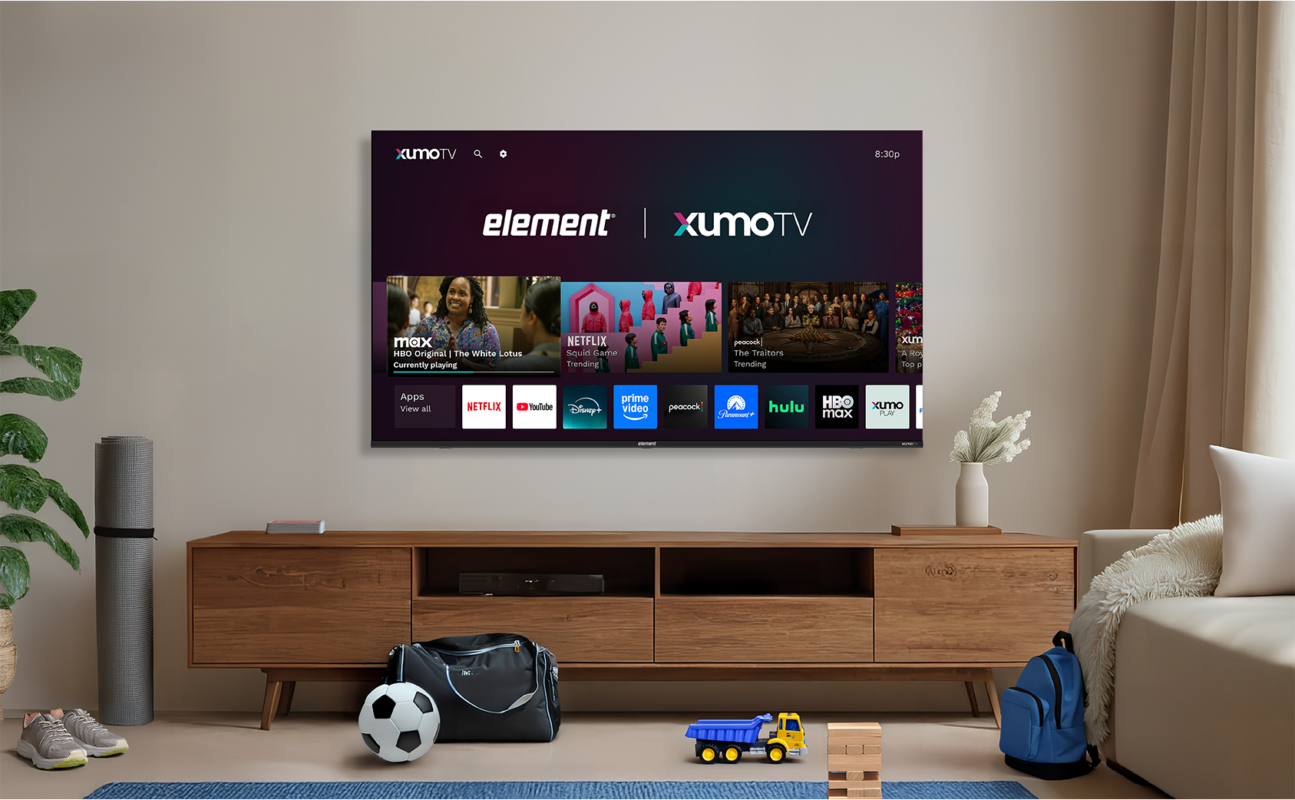 Slim-profile TVs prioritize screen visibility and sleek design over impact resistance.
Core Use Cases and Performance Priorities
TVs are built for media consumption, with core performance metrics centered on resolution (4K, 8K), refresh rate, color accuracy, and smart connectivity for streaming apps, gaming, and video calls. Their value is tied to entertainment and communication: a high-end TV delivers a better watch party experience, smoother gaming, and clearer video calls for remote work or family check-ins.
Appliances are built for task completion, with performance metrics tied to efficiency and reliability for specific household chores. A microwave is judged by heating speed and even cooking, not display quality; a washing machine is evaluated by its ability to remove stains while using minimal water, not its app ecosystem. While some high-end appliances now include smart features like Wi-Fi connectivity and touchscreens (e.g., ovens with built-in recipe libraries), their core function remains utility, which keeps them firmly in the appliance category.
Energy Consumption and Operating Costs
TVs typically use 100–400 watts when in use, and 1–5 watts in standby mode, with average annual energy costs of $10–$30 for typical household use. Appliances have far more variable energy footprints: a refrigerator runs 24/7 and costs $50–$150 annually, while a clothes dryer uses 1,800–5,000 watts per cycle, adding $1–$2 per load to your utility bill.
As of 2026, all new TVs and major appliances sold in the U.S. must meet updated official ENERGY STAR efficiency guidelines set by the EPA, which reduce standby power draw by 30% compared to 2020 models. If you’re trying to track your household tech energy spend, our guide to tracking your monthly tech energy costs breaks down average costs for every common device.
Maintenance, Repairs, and Lifespan
TVs have an average lifespan of 5–10 years, with most failures related to power supply boards, backlight degradation, or software glitches that require specialized repair technicians and proprietary parts. Attempting to repair a cracked TV screen yourself can void warranties and cause injury due to high-voltage internal components. Standard TV warranties last 1–2 years, with extended coverage available for an extra 10–20% of the purchase price.
Major consumer appliances have an average lifespan of 10–18 years, while small appliances (blenders, coffee makers) last 5–10 years. Repairs are often simpler, with standardized parts available from multiple manufacturers, and many minor fixes (like replacing a microwave door switch) can be completed at home with basic tools. Warranties for major appliances often last 3–10 years, with some brands offering 10-year coverage on critical components like refrigerator compressors. If you own smart connected appliances, our guide to securing smart appliance connectivity will help you avoid security risks and prolong device lifespan.
Pricing, Market Trends, and Purchase Timing
TV prices are driven by screen size, resolution, and smart features, with mid-range 55-inch 4K TVs costing $300–$600 in 2026, while premium 75-inch 8K OLED models retail for $2,000 or more. Appliance pricing is driven by capacity, durability features, and energy efficiency, with mid-range refrigerators costing $800–$1,500 and mid-range washing machines costing $500–$1,000.
Market trends follow distinct seasonal patterns: TV sales peak during major sporting events (Super Bowl, World Cup) and Black Friday, while appliance sales peak during spring home renovation season and Labor Day. In practice, the best time to buy a TV is during Black Friday or the week before the Super Bowl, while the best time to buy major appliances is during September–October holiday sales. For timing your TV purchase, check our guide to optimal TV purchasing windows, and for value-driven options, browse our picks for budget-friendly 4K TV options that deliver solid performance without premium markups.
Regulatory and Safety Standards
A often-overlooked difference between the two categories is the regulatory standards they must meet. TVs are regulated by the Consumer Product Safety Commission (CPSC) and Federal Communications Commission (FCC) for electrical safety and electromagnetic radiation compliance, with all U.S. models required to meet FCC Part 15 standards for radio frequency interference.
Appliances are regulated by the CPSC and Underwriters Laboratories (UL) for fire and electrical safety, with major appliances requiring UL certification to be sold in most national retail chains. Additionally, appliances like refrigerators and dishwashers are subject to water efficiency standards set by the EPA, while TVs are not. These differing standards reflect the unique risks associated with each product type: appliances often interact with water, heat, and heavy loads, while TVs pose risks related to electrical interference and screen breakage.
 End-of-life TVs and appliances require separate e-waste and bulk waste disposal streams.
Common Crossover Products and Edge Cases
A small number of products blur the line between consumer electronics and appliances, but industry classification remains consistent based on core function. For example, smart refrigerators with built-in touchscreens, streaming apps, and camera-enabled inventory tracking are still classified as appliances, as their primary purpose is food storage and preservation. Similarly, smart ovens with Wi-Fi connectivity and recipe apps are categorized as appliances, not electronics, because their core function is cooking.
A TV with built-in streaming apps and smart home hub features for controlling lights or thermostats is still classified as a consumer electronics product, as its core function remains media display and entertainment. The only rare edge case is niche all-in-one products that combine a media player with a small kitchen appliance (e.g., a countertop popcorn maker with a built-in streaming screen), which are classified based on their primary intended use.
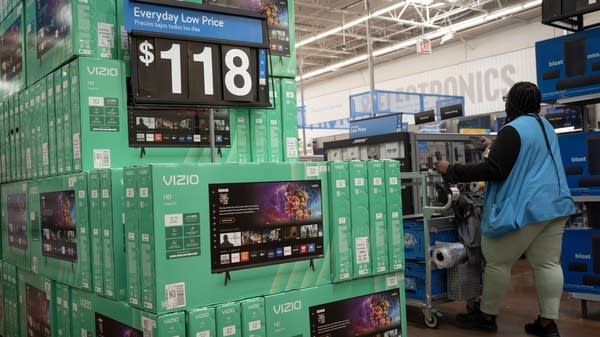 TVs often go on sale around major shopping holidays and sporting events.
Frequently Asked Questions
Are TVs classified as consumer electronics or appliances?
TVs are unambiguously classified as consumer electronics by global industry bodies including the Consumer Technology Association (CTA) and U.S. Census Bureau. Their core function relies on digital signal processing, electronic display technology, and connectivity for entertainment and communication, which sets them apart from appliances built for household task completion.
What is the core difference between consumer electronics and consumer appliances?
The key distinction lies in core purpose: consumer electronics are designed for entertainment, communication, information access, and personal productivity, prioritizing performance, connectivity, and feature updates. Consumer appliances are designed to complete specific household tasks (cooking, cleaning, laundry, food storage) prioritizing durability, consistent task performance, and long-term reliability.
Are there any products that count as both consumer electronics and appliances?
Rarely. Products that blend features (like a smart fridge with a streaming screen) are still classified as appliances, as their core function remains household utility. The only edge cases are niche all-in-one products, which are sorted based on their primary intended use.
Do TVs and appliances require different insurance coverage?
Yes. Most standard homeowner’s insurance policies cover both, but appliance coverage often includes protection for mechanical breakdowns, while TV coverage may require a separate rider for accidental damage (like screen cracks) or theft, especially for high-end models.
How do I choose between investing in a new TV or a home appliance?
Prioritize based on your household needs: if your current TV is outdated, broken, or too small for your space, upgrading will deliver more daily value for entertainment and remote work. If your refrigerator, washing machine, or other core appliance is failing or inefficient, an appliance upgrade will reduce household labor and lower long-term utility costs. For most households, replacing a broken core appliance takes priority over upgrading a functional TV.
Conclusion
The differences between TVs (consumer electronics) and consumer appliances go far beyond where they sit in your home. From build quality and lifespan to energy use and pricing, each category is engineered for a distinct purpose, which impacts everything from your daily routine to your long-term budget. If you’re shopping for a new TV, review our guide to the best purchasing windows to time your purchase for maximum savings, and check out our top budget 4K picks for value-driven options. If you’re upgrading household appliances, browse our recommendations for durable, energy-efficient kitchen and laundry units to reduce long-term utility costs and household labor.