Can You Recycle Things With Electronic Components: Essential Guide
Have you ever wondered what happens to your old gadgets once you throw them away? Those electronic components inside your devices aren’t just trash—they can be recycled and turned into something useful again.
But can you really recycle things with electronic parts? Understanding this can save you money, help the environment, and even protect your personal information. Keep reading to discover how you can make a difference with your old electronics and why recycling them matters more than you might think.
E-waste And Its Impact
Electronic waste, or e-waste, grows rapidly every year. Old phones, computers, and other gadgets pile up. Many of these devices contain harmful substances. These substances can damage the environment and harm human health.
Throwing e-waste in regular trash is risky. Toxic metals like lead, mercury, and cadmium can leak into soil and water. This pollution affects plants, animals, and people. E-waste also wastes valuable materials like gold, silver, and copper.
Proper recycling of e-waste helps reduce pollution. It recovers precious metals and lowers the need for mining. Recycling also saves energy and reduces greenhouse gas emissions. Awareness and action are essential to manage e-waste safely.
E-waste Composition And Dangers
E-waste contains metals, plastics, and glass parts. Some metals are toxic, such as lead and mercury. These can cause serious health problems. Exposure may lead to brain damage, kidney failure, or respiratory issues. Many plastics release harmful chemicals when burned.
Global E-waste Generation
Millions of tons of e-waste are created yearly worldwide. Fast technology changes increase e-waste amounts. Developing countries often receive discarded electronics from richer nations. These places lack safe recycling facilities. This leads to unsafe dismantling and pollution.
Environmental Impact Of Improper Disposal
Dumping e-waste in landfills causes soil contamination. Toxic chemicals seep into groundwater and surface water. Air pollution happens when e-waste is burned openly. Wildlife suffers from habitat damage and poisoning. Communities near dumping sites face health risks.
Benefits Of Recycling Electronic Components
- Reduces hazardous waste in landfills
- Recovers valuable metals for reuse
- Conserves natural resources and energy
- Limits pollution and health hazards
- Supports sustainable electronic production
Components Of Electronic Devices
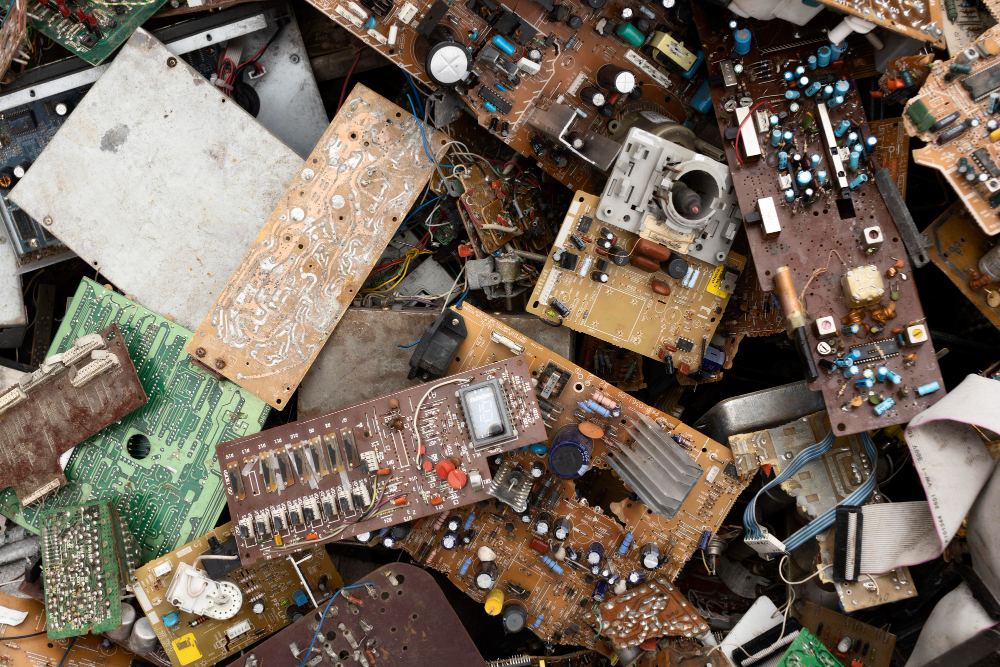
Electronic devices contain many parts made from different materials. These materials affect how devices can be recycled. Understanding these components helps in sorting and recycling electronic waste properly. Some parts are valuable, while others need careful handling due to safety risks.
Metals And Plastics
Metals like copper, gold, and aluminum are common in electronics. They conduct electricity and are often found in wires and circuit boards. These metals can be recycled and reused to make new products.
Plastics form the casing and many internal parts of devices. They help protect the electronics inside. Some plastics are easy to recycle, but others require special processes. Sorting plastics correctly improves recycling efficiency.
Hazardous Materials
Many electronic devices contain hazardous materials. These include lead, mercury, and cadmium. They are harmful to health and the environment if not handled correctly.
Proper recycling of these materials prevents pollution. Specialized facilities safely remove and dispose of hazardous substances. This step is crucial to protect people and nature.
Recycling Process For Electronics
Recycling electronics involves several important steps. It helps reduce waste and recovers valuable materials. The process starts with gathering used devices and ends with safely disposing of harmful parts. Each step ensures that electronic waste does not harm the environment.
Proper recycling also saves natural resources by reusing metals and plastics. It keeps toxic substances out of landfills. Understanding this process shows why recycling electronics is crucial for a cleaner planet.
Collection And Sorting
First, electronic devices are collected from homes, offices, and recycling centers. They are brought to facilities where workers sort them by type and condition. Sorting helps separate working devices from broken ones.
Items like computers, phones, and TVs are grouped for specific recycling methods. Hazardous materials, such as batteries, are removed carefully. Sorting makes the next steps more efficient and safe.
Dismantling And Recovery
Next, devices go through dismantling. Workers or machines take apart electronics to separate components. Circuit boards, metals, plastics, and glass are sorted for further processing.
Valuable metals like gold, silver, and copper are recovered from parts. Plastics are cleaned and sent to recycling plants. Hazardous substances are handled with special care to avoid pollution.
This step ensures that most materials get reused. It reduces the need to mine new resources and lowers environmental impact.

Credit: ecircular.com
Challenges In Recycling Electronics
Recycling electronics is not as straightforward as tossing plastic or paper into a bin. The process faces unique challenges that often complicate how effectively and safely these items can be recycled. Understanding these hurdles can help you make better decisions about disposing of your old devices.
Complexity Of Devices
Electronic devices are made up of many different parts—plastic, metals, glass, and tiny circuit boards. These components are often tightly packed and glued together, making it hard to separate them for recycling.
Think about your smartphone: it contains precious metals like gold and silver, alongside hazardous materials. Separating these materials requires specialized machines and skilled labor, which not all recycling centers have.
Have you ever tried to take apart an old gadget? It’s not just frustrating; improper disassembly can damage valuable parts or release harmful substances. This complexity slows down the recycling process and raises costs.
Toxic Materials Handling
Many electronic components contain toxic substances such as lead, mercury, and cadmium. These materials pose serious risks to both the environment and the workers handling e-waste.
Safe recycling means carefully managing these toxins to prevent contamination. For example, improper disposal can lead to heavy metals seeping into soil and water, causing long-term damage.
Recycling facilities must follow strict safety protocols and use protective gear to handle these substances. If you drop off your electronics at a non-certified center, you might unknowingly contribute to unsafe practices.
Recycling Programs And Initiatives
Recycling electronic components has become a vital part of managing waste in today’s tech-driven world. Various programs and initiatives are designed to help you recycle safely and effectively. Understanding these efforts can make a real difference in how you handle old gadgets and electronic waste.
Government Regulations
Governments around the world set rules to ensure electronic waste is recycled properly. These regulations often require manufacturers to take back old devices or ensure safe disposal methods.
Some places have strict laws that ban electronics from landfills, pushing you to use approved recycling centers. This helps prevent hazardous materials like lead and mercury from polluting the environment.
Have you checked if your local government offers electronic recycling days or drop-off points? Participating in these programs makes it easier to recycle without hassle.
Corporate Responsibility
Many companies now take responsibility for the lifecycle of their products. They offer take-back programs where you can return old electronics for free or at a low cost.
Brands like Apple and Samsung provide mail-in or in-store recycling options, encouraging customers to recycle rather than throw away devices. This reduces e-waste and promotes reuse of valuable materials.
Some corporations also invest in refurbishing old electronics to extend their life, which benefits both the environment and your wallet.
Have you ever returned a device to a company’s recycling program? Sharing your experience could inspire others to do the same and make recycling more common.
Consumer Role In E-waste Recycling
Your role as a consumer in e-waste recycling is more important than you might think. Every electronic device you use has components that can be harmful if not handled properly but also contain valuable materials that can be reused. How you choose to dispose of these items directly impacts the environment and resource conservation.
Proper Disposal Methods
Throwing electronics in the regular trash might seem easier, but it causes serious harm. Many devices contain toxic substances like lead and mercury, which can leak into soil and water.
Instead, look for designated e-waste drop-off points or recycling centers in your area. These places have systems to safely break down electronics and recover precious metals like gold and copper.
Think about the last time you discarded an old phone or laptop—did you know where it ended up? Making a habit of proper disposal protects your community and the planet.
Participating In Take-back Programs
Many electronics manufacturers and retailers offer take-back programs where you can return old devices for recycling. These programs are often free and convenient, sometimes even providing incentives.
For example, some stores give discounts or gift cards when you bring in used gadgets. This not only motivates you to recycle but also supports a circular economy.
Have you checked if your favorite brand offers such a program? Participating is a simple step that ensures your e-waste is handled responsibly and keeps harmful materials out of landfills.
Innovations In E-waste Management
Electronic waste, or e-waste, is one of the fastest-growing waste streams worldwide. Managing it effectively is crucial to reduce environmental harm and recover valuable materials. Innovations in e-waste management are transforming how we handle these complex products, making recycling more efficient and less harmful.
Advanced Recycling Technologies
New recycling technologies are making it easier to separate and recover valuable metals from electronic components. Techniques like robotic disassembly and automated sorting speed up the process while reducing human exposure to toxic substances.
Chemical treatments and bioleaching use less harmful chemicals or bacteria to extract metals like gold, silver, and copper. These methods help recover materials that traditional recycling often misses, increasing overall efficiency.
Have you ever thought about how your old phone’s precious metals are saved for reuse? These technologies make it possible to reuse materials without mining new resources, saving energy and reducing pollution.
Sustainable Design
Designers are now creating electronics with recycling in mind. Components are made to be easily separated and reused, reducing the complexity of dismantling devices.
Using fewer hazardous materials and more recyclable plastics helps make devices safer to recycle and less damaging to the environment. This shift means your future gadgets might be easier to recycle than what you use today.
Could you support products designed to reduce e-waste? Choosing electronics with sustainable design can encourage manufacturers to prioritize recyclability and environmental impact.
Credit: www.lunnonwaste.com
Future Of Electronic Recycling
The future of electronic recycling holds significant promise as technology advances and awareness grows. With electronic waste piling up worldwide, finding better ways to recycle devices containing electronic components is no longer optional but essential. This future depends on innovation, smarter policies, and your active participation in responsible disposal.
Trends And Predictions
Recycling electronics is becoming more automated thanks to improved sorting technologies and AI-driven disassembly robots. These machines can identify valuable components faster and more accurately than humans, increasing recovery rates and reducing waste.
Another trend is the rise of urban mining, where recycled electronics become a source of rare metals like gold, silver, and palladium. This method can reduce the environmental damage caused by traditional mining.
Do you think your local recycling center has the tools to handle the increasing complexity of modern electronics? If not, pushing for better facilities could make a big difference.
Role Of Circular Economy
The circular economy aims to keep materials in use for as long as possible, minimizing waste. In electronic recycling, this means designing devices that are easier to repair, upgrade, and recycle.
Manufacturers are starting to take responsibility for their products’ end-of-life by creating take-back programs. This encourages you to return old gadgets instead of tossing them into the trash.
Imagine a world where your smartphone’s components are reused multiple times in new devices. This approach not only saves resources but also lowers production costs and environmental impact.

Credit: samrinc.com
Frequently Asked Questions
Can Electronic Components Be Recycled Safely?
Yes, electronic components can be recycled safely. Specialized facilities handle hazardous materials properly. Recycling prevents pollution and recovers valuable metals like gold and copper. Always use certified e-waste recyclers to ensure safe processing.
Where To Recycle Electronic Components Near Me?
You can recycle electronic components at local e-waste centers, electronics stores, or municipal recycling programs. Many cities offer special collection events. Check online for certified e-waste recyclers near your location for convenient drop-off options.
What Items With Electronics Can Be Recycled?
Items like smartphones, computers, printers, and circuit boards can be recycled. Batteries, cables, and small gadgets also qualify. Avoid throwing them in regular trash to prevent environmental harm and recover precious materials.
How Does Recycling Electronic Components Help The Environment?
Recycling reduces landfill waste and prevents toxic chemicals from polluting soil and water. It conserves natural resources by reusing metals and plastics. This process lowers energy consumption and decreases greenhouse gas emissions.
Conclusion
Recycling items with electronic parts helps protect the environment. It reduces waste and saves valuable materials. Many parts can be reused or safely broken down. Always check local recycling rules before you toss electronics. Small efforts add up to big changes.
Everyone can join in to keep the planet cleaner. Making smart choices today helps build a better tomorrow. Keep learning and sharing how to recycle properly. Your actions matter more than you think.