How to Identify Smd Electronic Components: Ultimate Guide 2025
Are you struggling to recognize those tiny electronic parts on your circuit boards? Identifying SMD (Surface-Mount Device) components can feel like decoding a secret language.
But what if you could quickly tell what each component is, without second-guessing? You’ll discover simple tips and tricks to spot and understand SMD electronic components with confidence. By the end, you’ll be able to tackle your projects faster and avoid costly mistakes.
Ready to sharpen your skills and make your work easier? Let’s dive in!
Smd Components Basics
Understanding the basics of SMD components is essential if you want to work effectively with modern electronics. These tiny parts are the backbone of most circuit boards you encounter today. Knowing what they are and how to recognize them will save you time and frustration during repairs or projects.
Definition Of Smd Components
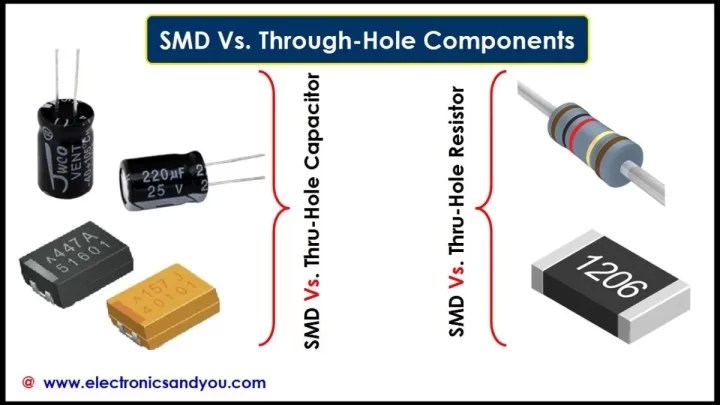
SMD stands for Surface-Mount Device. These components are designed to be mounted directly onto the surface of printed circuit boards (PCBs). Unlike traditional through-hole parts, SMDs do not have long leads that go through the board.
This design allows for smaller, lighter, and more compact electronic devices. If you have ever opened a smartphone or a laptop, you’ve seen countless SMD components packed tightly together. Their small size and efficient layout make them perfect for today’s technology.
Common Types Of Smd Components
You’ll encounter several common types of SMD components, each with its unique role in a circuit. Here are some of the most frequently used ones:
- Resistors:Control the flow of electrical current. Often marked with numerical codes to indicate resistance values.
- Capacitors:Store and release electrical energy. They come in ceramic or tantalum varieties with different shapes.
- Diodes:Allow current to flow in one direction only. Look for small black bodies with a stripe indicating polarity.
- Transistors:Act as switches or amplifiers. Usually have three terminals and come in tiny packages.
- Integrated Circuits (ICs):Contain multiple electronic components in one chip. They can be tiny squares or rectangles with many pins.
Have you ever tried identifying these parts on a tiny board without a magnifying glass? The markings might seem cryptic at first. But with a little practice, you’ll start recognizing patterns and codes that unlock what each component does.

Credit: electronics.stackexchange.com
Tools For Identifying Smd Components
Identifying SMD electronic components requires the right tools. These tools help read tiny markings and measure electrical properties. Proper tools save time and reduce errors during identification. Both beginners and professionals benefit from using suitable devices.
Essential Identification Tools
- Magnifying Glass or Loupe:Helps see small codes on components clearly.
- Multimeter:Measures resistance, capacitance, and continuity to verify components.
- Component Datasheets:Provide detailed information about markings and specifications.
- Reference Books or Charts:Assist in decoding common SMD codes and sizes.
- Smartphone Camera with Zoom:Captures clear images for later analysis.
Advanced Tools For Professionals
- SMD Code Readers:Specialized scanners that identify components by reading codes automatically.
- Microscope with Camera:Offers higher magnification and digital image capture for detailed inspection.
- ESR Meter:Measures Equivalent Series Resistance in capacitors to check quality.
- Component Analyzers:Test multiple electrical parameters and identify unknown components.
- Automated Optical Inspection (AOI):Used in manufacturing for quick, precise identification and quality control.
Reading Smd Markings
Reading SMD markings is key to identifying small electronic parts. These markings are codes printed on the surface of components. They give important details like value, type, and tolerance. Understanding these codes helps to find the right part quickly. It also avoids mistakes during repairs or assembly.
Decoding Alphanumeric Codes
Most SMD parts use short alphanumeric codes. These codes combine letters and numbers to show value or type. For example, resistors often use three-digit codes. The first two digits show the number. The third digit tells how many zeros to add. Capacitors may use a similar system but with different meanings. Learning common code patterns helps to identify parts easily.
Some codes include letters for tolerance or temperature rating. For example, “R” can stand for resistor. “C” might mean capacitor. Always check a reference chart for exact meanings. Many manufacturers use their own codes, so a datasheet helps.
Understanding Color Codes
Color codes appear as small bands or dots on some SMD parts. Each color stands for a number or multiplier. This system is common for resistors and inductors. A simple chart can decode these colors:
| Color | Number | Multiplier |
|---|---|---|
| Black | 0 | x1 |
| Brown | 1 | x10 |
| Red | 2 | x100 |
| Orange | 3 | x1,000 |
| Yellow | 4 | x10,000 |
| Green | 5 | x100,000 |
| Blue | 6 | x1,000,000 |
| Violet | 7 | |
| Gray | 8 | |
| White | 9 |
Using this table, match the colors on the part to numbers. Then apply the multiplier to get the value. This method works well for parts too small for printed codes.
Using Smd Code Books
Using SMD code books is a reliable way to identify surface-mount device (SMD) electronic components. These books list codes printed on tiny components. Each code matches a specific part, such as resistors, capacitors, or transistors. Code books save time and reduce errors during identification. They are essential tools for technicians and hobbyists working with SMD parts.
Code books organize component codes in an easy-to-use format. They include tables, charts, and descriptions. This helps users quickly find the component type and value. Many code books cover a wide range of manufacturers and component types. They also explain common coding systems, making the search straightforward.
Popular Smd Code Books
- The SMD Code Bookby Alan Douglas is a classic reference. It covers thousands of codes for resistors, capacitors, and semiconductors.
- Mark’s SMD Code Bookoffers clear tables and updated codes. It is popular among electronics hobbyists.
- Datasheets and Manufacturer Guidesoften include SMD codes. These are useful for brand-specific parts.
- Online PDF Collectionssometimes provide free downloadable SMD code books. They are handy for quick access.
How To Navigate Code Books
Start by locating the code printed on the SMD component. Codes usually consist of numbers, letters, or a combination. Next, use the code book’s index or table to find the matching entry.
Look for the code under the correct component category, such as resistor or transistor. Read the description carefully to confirm the part’s value and specifications. Pay attention to voltage, tolerance, and power ratings listed.
Use tables and charts to understand the coding system. Some books explain common abbreviations and symbols. This knowledge helps interpret complex codes more easily.
Note the manufacturer name if available. Some codes vary between brands. Cross-checking ensures you identify the exact component type.
Online Resources And Databases
Online resources and databases provide vast help in identifying SMD electronic components. These tools offer detailed information about markings, sizes, and specifications. They save time and reduce guesswork during component identification. Access to updated databases ensures accurate results.
Many websites host extensive libraries of SMD codes and datasheets. Forums and communities gather experts sharing practical tips and advice. Using these platforms together can improve your identification skills quickly.
Top Websites For Smd Identification
- Octopart:A comprehensive search engine for electronic parts with datasheets and specs.
- SMD Codebook:A large database focusing on SMD marking codes and component types.
- All About Circuits:Offers detailed articles and reference tools for electronics enthusiasts.
- Datasheet Archive:Provides free access to thousands of component datasheets for quick identification.
- Component Search Engine:Helps find parts based on code, size, and other details.
Utilizing Online Forums And Communities
Forums and online communities allow real-time help from experienced electronics hobbyists and professionals. Posting images and descriptions can lead to quick identification.
Popular forums include:
- EEVblog Forum:Known for active discussions on electronics repair and component ID.
- Electronics Stack Exchange:A Q&A site where users ask and answer detailed questions.
- Reddit Electronics:A community sharing advice, projects, and component help.
Participating in these groups improves knowledge and builds valuable connections. Users often share tips on tricky SMD codes and rare parts. These platforms encourage learning by doing and exchanging real examples.
Credit: www.electronicsandyou.com
Mobile Apps For Identification
Mobile apps offer a fast and easy way to identify SMD electronic components. These apps use your phone’s camera or a database to help recognize tiny parts. They save time and reduce errors in component identification. Anyone working with electronics can benefit from these tools.
Popular Apps Available
- SMD Codebook:Contains a large database of SMD codes and markings.
- ElectroDroid:Offers component identification, datasheets, and calculators.
- PartSeeker:Uses image recognition to identify components through photos.
- Component Identifier:Helps find details by entering code or scanning components.
Features To Look For In Apps
- Large Database:Covers many types of SMD components and codes.
- Image Recognition:Allows quick identification by taking a photo.
- User-Friendly Interface:Easy to navigate and use for beginners.
- Offline Access:Works without internet connection for convenience.
- Regular Updates:Keeps component data current and accurate.
- Additional Tools:Includes datasheets, pinouts, and calculators.
Practical Tips For Beginners
Identifying SMD electronic components can seem tricky for beginners. These tiny parts have small markings and shapes that need close attention. Practical tips make the process easier and faster. Learning the right way helps avoid confusion and errors.
Careful observation and basic tools help a lot. A good magnifier, a datasheet, and a steady hand are useful. Understanding common pitfalls also saves time and frustration. With simple steps, anyone can start identifying SMD components confidently.
Common Mistakes To Avoid
- Ignoring component orientation can cause wrong identification.
- Relying only on markings without checking shape or size.
- Using poor lighting or no magnification makes reading codes hard.
- Confusing similar codes due to lack of reference materials.
- Skipping datasheet verification before making assumptions.
- Mixing up resistors, capacitors, and inductors by shape alone.
Step-by-step Identification Process
- Start by cleaning the component to see markings clearly.
- Use a magnifying glass or microscope for tiny codes.
- Check the shape and size against standard SMD component sizes.
- Note down the code printed on the component carefully.
- Look up the code in an SMD codebook or online database.
- Compare the found data with the component’s physical features.
- Verify the component type: resistor, capacitor, diode, or transistor.
- Cross-check voltage and current ratings from the datasheet.
- Confirm your findings by testing the component with a multimeter.
Advanced Techniques
Advanced techniques help you go beyond the basics when identifying SMD electronic components. These approaches give you a clearer view and more reliable information. They are especially useful when markings are tiny or confusing.
Using Microscopes For Clarity
Small surface-mount devices often have markings that are hard to read with the naked eye. Using a microscope can reveal these tiny details clearly, making identification easier. A simple digital USB microscope can magnify components up to 200x, allowing you to see not only numbers but also manufacturer logos and subtle differences in shape.
When I first tried using a microscope, I realized how many details I was missing before. It helped me spot counterfeit parts and avoid costly mistakes. You don’t need an expensive setup; even affordable models improve your accuracy significantly.
Cross-referencing Multiple Sources
Identifying SMD components requires more than just reading markings. Cross-referencing datasheets, manufacturer catalogs, and online databases reduces errors. Each source may provide slightly different information, so comparing them helps verify your findings.
Websites like Octopart and DatasheetCatalog offer extensive libraries of component markings and specs. Combining these with physical datasheets gives you a solid reference. Have you ever found conflicting info? That’s where multiple sources become your best friend.
- Check the component’s package size against datasheet dimensions.
- Match marking codes with several databases to confirm identity.
- Use manufacturer part number lookups to avoid counterfeit parts.
Staying Updated With New Smd Trends
Staying updated with new SMD trends is crucial for anyone working with electronic components. Technology changes fast. New types of SMDs appear regularly. These changes impact how you identify and use components. Keeping track helps avoid mistakes and saves time. It also improves your skills and knowledge.
Following industry news, attending webinars, and reading technical papers help you stay informed. Manufacturers release new product lines often. They offer better performance and smaller sizes. Understanding these trends makes your work easier and more accurate.
Emerging Technologies In Smd
New technologies in SMD focus on making components smaller and faster. Materials like graphene and silicon carbide gain popularity. These materials improve heat resistance and electrical properties.
Advanced packaging techniques also change SMD design. Chip-scale packaging and 3D stacking reduce component size. This allows more parts on a single board.
Smart SMDs with built-in sensors and communication features are growing. They help in creating smarter devices for automation and IoT applications.
Future Trends In Smd Components
The future shows a trend toward even smaller and more efficient components. Nano-scale devices may become common. These will offer higher performance with lower power use.
Integration of passive and active elements in one package will increase. This reduces assembly complexity and improves reliability.
Environmentally friendly materials and manufacturing processes will shape future SMDs. Companies aim to reduce waste and energy consumption.
Keeping up with these trends ensures you can identify new SMD components quickly and correctly. It also prepares you for evolving industry demands.

Credit: www.reddit.com
Frequently Asked Questions
What Are Smd Electronic Components?
SMD (Surface-Mount Device) components are small electronic parts mounted directly on a circuit board’s surface. They save space and improve performance in modern electronics.
How To Read Smd Component Codes?
SMD codes are alphanumeric markings indicating component type and value. Use online codebooks or datasheets to decode these tiny markings accurately.
What Tools Help Identify Smd Components?
A magnifying glass or microscope helps read small codes. Multimeters and LCR meters test electrical values for precise identification.
Why Is Identifying Smd Components Important?
Correct identification ensures proper circuit repair and assembly. It prevents mistakes and guarantees device functionality and safety.
Conclusion
Identifying SMD electronic components becomes easier with practice and good tools. Start by checking the size and shape carefully. Look closely at the markings on each part. Use a magnifier if needed to read small codes. Compare these codes with a reliable reference chart.
Understanding these basics helps you work confidently with electronics. Keep learning and checking each component step by step. This skill saves time and reduces mistakes. Soon, recognizing SMD parts will feel natural and clear.