Does Home Warranty Cover Electronics: Essential Facts Uncovered
Imagine waking up to find your beloved TV or laptop suddenly stopped working. Frustrating, isn’t it?
Electronics are a vital part of your daily life, from keeping up with the latest news to unwinding with your favorite shows. But when they break down, the repair costs can be daunting. This is where a home warranty might come to the rescue.
But does a home warranty actually cover electronics? This is a question many homeowners like you often ask. We’ll delve into the details, ensuring you have the clarity and peace of mind you need. Stick with us as we uncover what’s really protected under your home warranty and what isn’t. You might be surprised at what you learn, and it could save you a lot of money and stress. Ready to find out more? Let’s get started.
Credit: homewarranty.firstam.com
Home Warranty Basics
Understanding home warranty basics helps you decide if it suits your needs. A home warranty offers protection for home systems and appliances. It helps cover repair or replacement costs from normal wear and tear. Many homeowners find this coverage useful for peace of mind.
Knowing what a home warranty covers and how it differs from insurance is important. These details guide you in making the right choice for your home and budget.
What A Home Warranty Covers
A home warranty typically covers:
- Major appliances like refrigerators and ovens
- Home systems such as plumbing, heating, and electrical
- Some warranties may include electronics, but coverage varies
This protection helps avoid large repair bills. It applies to breakdowns from normal use, not damage or neglect.
Difference Between Home Warranty And Insurance
Home warranty and insurance serve different purposes. Insurance protects against damage from events like fire or theft. It covers losses caused by accidents or disasters.
Home warranty focuses on repairing or replacing old or broken appliances and systems. It does not cover structural damage or liability issues. Both can work together to protect your home fully.
Electronics In Home Warranties
Understanding what electronics are covered under a home warranty can save you from unexpected repair bills. Many people assume all their gadgets are protected, but that’s often not the case. Knowing the specifics helps you make smarter choices when purchasing or upgrading your plan.
Common Electronics Included
Some home warranties do cover certain electronics, but usually the list is limited. Typical covered items often include:
- Built-in microwaves
- Garage door openers
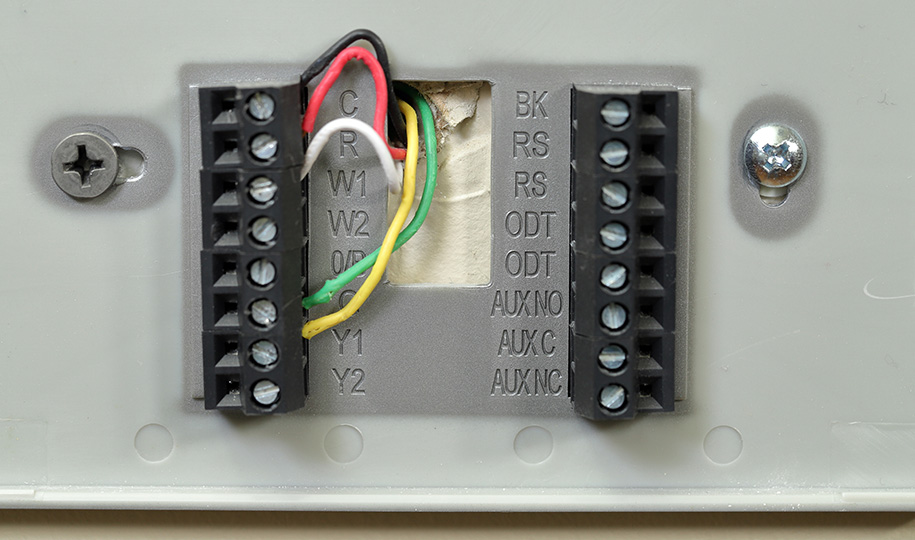
- Thermostats
- Smoke detectors and carbon monoxide detectors
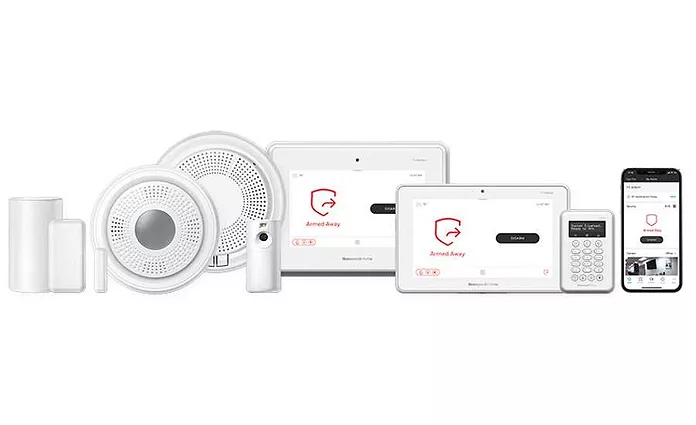
- Security systems
These devices are usually part of the home’s essential systems, so warranties focus on them. You might be surprised to find that your flat-screen TV or personal laptop isn’t included.
Items Typically Excluded
Many popular electronics are left out of home warranty coverage. This often includes:
- Personal computers and laptops
- Smartphones and tablets
- Televisions and home theater systems
- Gaming consoles
- Kitchen appliances with electronics, like coffee makers and toasters
These exclusions can feel frustrating if you expect full protection. Have you checked your warranty’s fine print to see what’s missing? It’s worth doing before you assume your gadgets are covered.
Coverage Limits And Conditions
Understanding the coverage limits and conditions of a home warranty for electronics is crucial before you decide to invest. These policies often have specific boundaries on what they cover, and knowing these details can save you from unexpected out-of-pocket expenses. Let’s break down some key factors that influence your protection under these warranties.
Service Fees And Deductibles
Most home warranty plans require you to pay a service fee or deductible each time a technician visits your home. This fee usually ranges between $50 and $125, depending on your plan. It’s important to ask yourself if this upfront cost is worth the potential savings on repairs.
For example, if your laptop’s motherboard fails and the service fee is $75, you’ll pay that amount regardless of the repair cost. Sometimes, minor repairs might cost less than the deductible, making a warranty less valuable in those cases. Check if the warranty covers multiple visits or if you pay the fee each time.
Repair Vs. Replacement Policies
Home warranties may offer repair or replacement options for your electronics, but each policy varies widely. Some companies prefer to fix the item first, while others might replace it if the repair cost is too high or if the item is beyond repair.
Consider your TV or sound system. If the warranty covers only repairs, you might end up with a costly fix on an older model. However, if it includes replacement, you could get a brand-new unit without extra charges.
Have you checked whether your warranty has limits on the age or condition of your electronics? Many policies exclude items older than a certain number of years or those with pre-existing issues. Knowing these conditions helps you decide if the warranty truly protects your valuable devices.
Choosing The Right Plan
Choosing the right home warranty plan for your electronics can save you time, stress, and money. It’s not just about picking the cheapest option but finding a plan that fits your specific needs and covers the devices that matter most to you. Let’s look at how to evaluate your electronics needs and compare warranty providers effectively.
Evaluating Your Electronics Needs
Start by listing all the electronics you want to protect, such as TVs, gaming consoles, sound systems, and smart home devices. Think about the age and condition of each item because newer devices might still be under manufacturer warranty. Also, consider how often you use each device—high-use items might deserve better coverage.
Ask yourself: Are there any expensive gadgets you’d struggle to replace quickly? That’s a good indicator they should be included in your plan. Don’t forget to check if your current homeowner’s insurance covers any electronics; this can help avoid overlapping coverage.
Comparing Warranty Providers
Not all warranty providers offer the same level of coverage or service quality. Look beyond the price and check what each plan covers specifically. Some providers exclude certain brands or types of electronics, while others might offer add-ons for extra protection.
Read customer reviews to get real insights into how companies handle claims and repairs. Fast, hassle-free service is just as valuable as broad coverage. Also, compare deductibles and service fees to understand your out-of-pocket costs when you need a repair.
- Check if the provider has local technicians for quicker service.
- See if the plan includes repair or replacement options.
- Ask about coverage limits per item and per claim.
Choosing the right plan means balancing your budget with the peace of mind that your electronics are protected. What’s your biggest worry when it comes to your gadgets breaking down?
Filing Claims For Electronics
Filing claims for electronics under a home warranty can feel overwhelming, especially if you’re unsure about the process. Knowing how to navigate the claim submission can save you time and frustration. The key lies in understanding the necessary steps and how to speed up approvals.
Steps To Submit A Claim
- Review your warranty coverage:Check if your specific electronic device is covered and under what conditions.
- Gather documentation:Collect receipts, warranty papers, and photos of the damaged or malfunctioning electronics.
- Contact the warranty provider:Use their preferred method—phone, app, or website—to initiate the claim.
- Describe the issue clearly:Provide detailed information about the problem, including when it started and how it affects the device.
- Schedule an inspection or repair:Follow instructions for the technician’s visit or authorized service center assessment.
- Keep records of all communications:Save emails, messages, and notes from phone calls for reference.
Tips For Faster Approvals
- Be thorough and honest:Missing information or exaggerations can delay your claim or cause denial.
- Submit clear evidence:Crisp photos and original receipts make your case stronger and speed up review.
- Follow up regularly:A polite check-in can keep your claim on the provider’s radar and prevent it from stalling.
- Understand common exclusions:Knowing what’s not covered helps you avoid submitting claims that waste time.
- Use your provider’s app or online portal:Digital submissions often get processed quicker than phone calls.
Have you ever waited weeks for a claim approval? Sharing your experience might help others avoid the same pitfalls. What’s your biggest frustration when dealing with home warranty claims for electronics?

Credit: www.homedepot.com
Alternatives To Home Warranty
If you’re wondering about coverage options beyond a home warranty for your electronics, it’s important to consider other choices that might suit your needs better. Alternatives like manufacturer warranties and extended protection plans can offer targeted coverage, often with more specific benefits tailored to your devices. Understanding these options helps you make smarter decisions about protecting your valuable electronics.
Manufacturer Warranties
Manufacturer warranties come directly from the company that made your device. They usually cover defects in materials and workmanship for a certain period, often one year.
These warranties are free and included with your purchase. However, they typically don’t cover accidental damage or issues caused by normal wear and tear.
Have you ever tried to claim a manufacturer warranty? You might find the process straightforward but limited in scope. Keeping your purchase receipt and registering your product online can speed up any future claims.
Extended Protection Plans
Extended protection plans give you extra coverage beyond the manufacturer’s warranty. You can buy these plans from retailers or third-party providers, often lasting for multiple years.
These plans may cover repairs for accidental damage, power surges, and other common problems that manufacturer warranties exclude.
Before buying, compare the costs and what’s included. Ask yourself if the plan covers the specific risks your electronics face daily. Sometimes, these plans can save you money on expensive repairs, but other times, the cost might outweigh the benefits.

Credit: www.youtube.com
Frequently Asked Questions
Does Home Warranty Cover All Types Of Electronics?
Home warranties typically exclude most electronics like TVs and computers. Coverage mostly targets home systems and appliances, not personal gadgets or entertainment devices.
Are Laptops And Smartphones Included In Home Warranty Plans?
Laptops and smartphones are generally not covered under home warranty plans. These warranties focus on household appliances and major systems, not personal electronic devices.
Can I Add Electronics Coverage To My Home Warranty?
Some providers offer optional electronics coverage add-ons. Check with your warranty company for available plans that include specific electronic devices.
What Electronics Are Usually Excluded From Home Warranty Coverage?
Commonly excluded electronics include TVs, computers, gaming consoles, and mobile devices. Home warranties mainly protect appliances like refrigerators, ovens, and HVAC systems.
Conclusion
Home warranties sometimes cover electronics, but not always. Coverage depends on the plan you choose. Many plans protect appliances but exclude personal electronics. Reading the contract carefully helps avoid surprises later. Knowing what is and isn’t covered saves money and stress.
Consider your needs before buying a warranty plan. It pays to be clear about the terms. That way, you get the protection you want. Choose wisely and keep your electronics safe.