How is Wearable Technology Made: Unveiling the High-Tech Process
Have you ever wondered how your smartwatch tracks your steps or how your fitness band monitors your heart rate? Wearable technology is revolutionizing the way you live, turning once unimaginable ideas into everyday essentials.
But how exactly are these tiny, powerful devices made? Imagine holding the blueprint to the future right on your wrist! You’ll uncover the fascinating process behind creating wearable tech. You’ll discover the intricate dance of design, materials, and cutting-edge technology that culminates in the gadgets you can’t live without.
Prepare to unlock the secrets of wearable technology and gain a deeper appreciation for the innovation you wear every day. Stay with us, and let your curiosity lead you to a world where technology meets the human experience.
Materials Behind Wearables
The materials behind wearable technology are crucial to its performance and comfort. These materials must be light, durable, and flexible. They allow wearables to fit the body and work reliably in daily life.
Different components come together to create a wearable device. Each part uses specialized materials designed for specific tasks. Understanding these materials helps reveal how wearables function.
Flexible Electronics
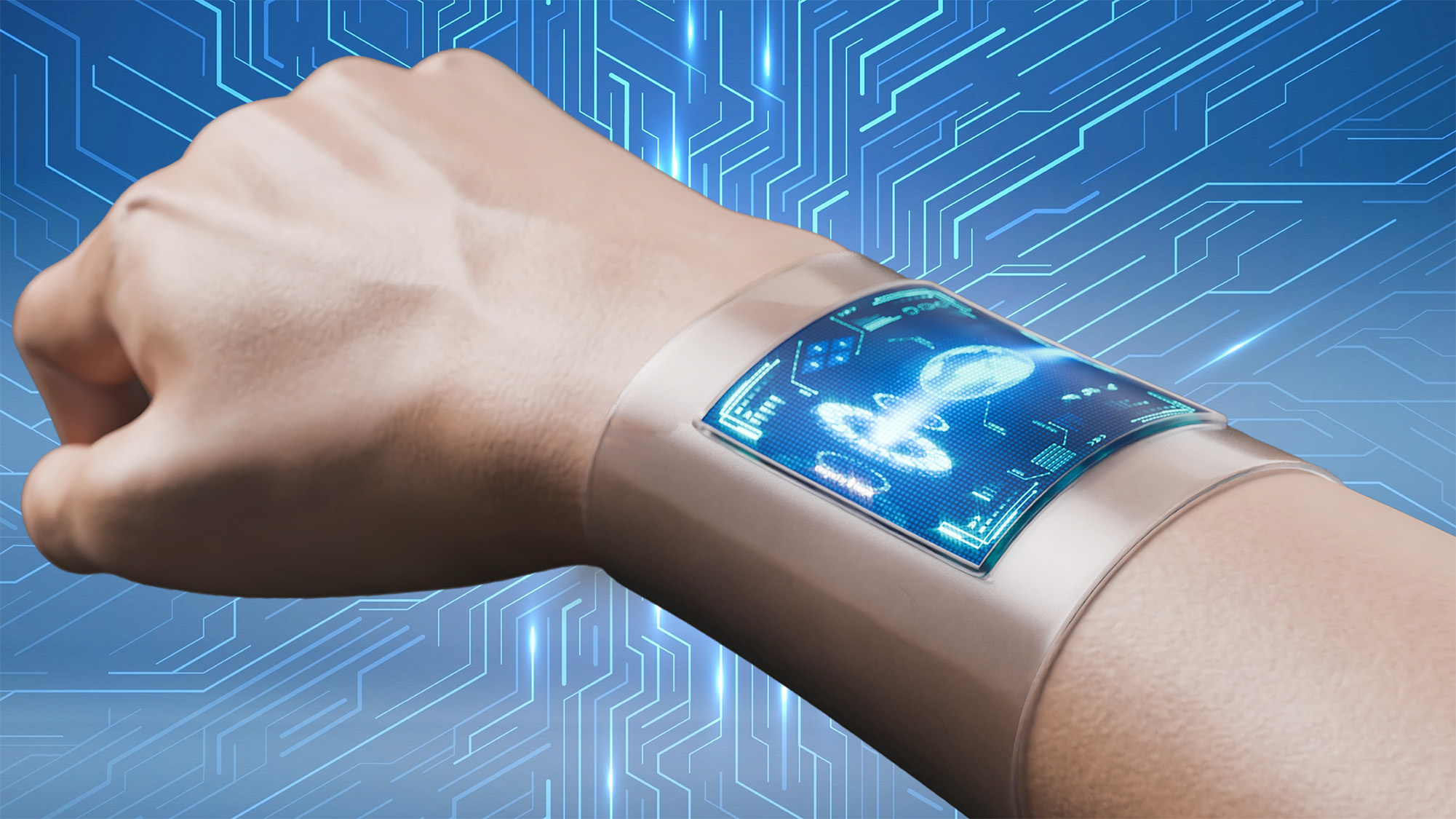
Flexible electronics use thin, bendable materials. These include plastic films, metal foils, and organic compounds. They replace rigid circuit boards to allow devices to curve with the body.
Conductive inks and stretchable wires connect tiny chips. These materials maintain electrical signals even when twisted or stretched. This flexibility makes wearables comfortable to wear all day.
Sensors And Actuators
Sensors detect physical changes like movement, temperature, or heart rate. They use materials such as silicon, piezoelectric crystals, and polymers. These convert real-world data into electrical signals.
Actuators respond to signals by creating movement or feedback. They often use shape-memory alloys or tiny motors. The materials must be small and energy-efficient to fit inside wearables.
Power Sources
Wearables need compact power sources that last long. Lithium-ion batteries are common due to their high energy density. Flexible batteries and supercapacitors also appear in newer designs.
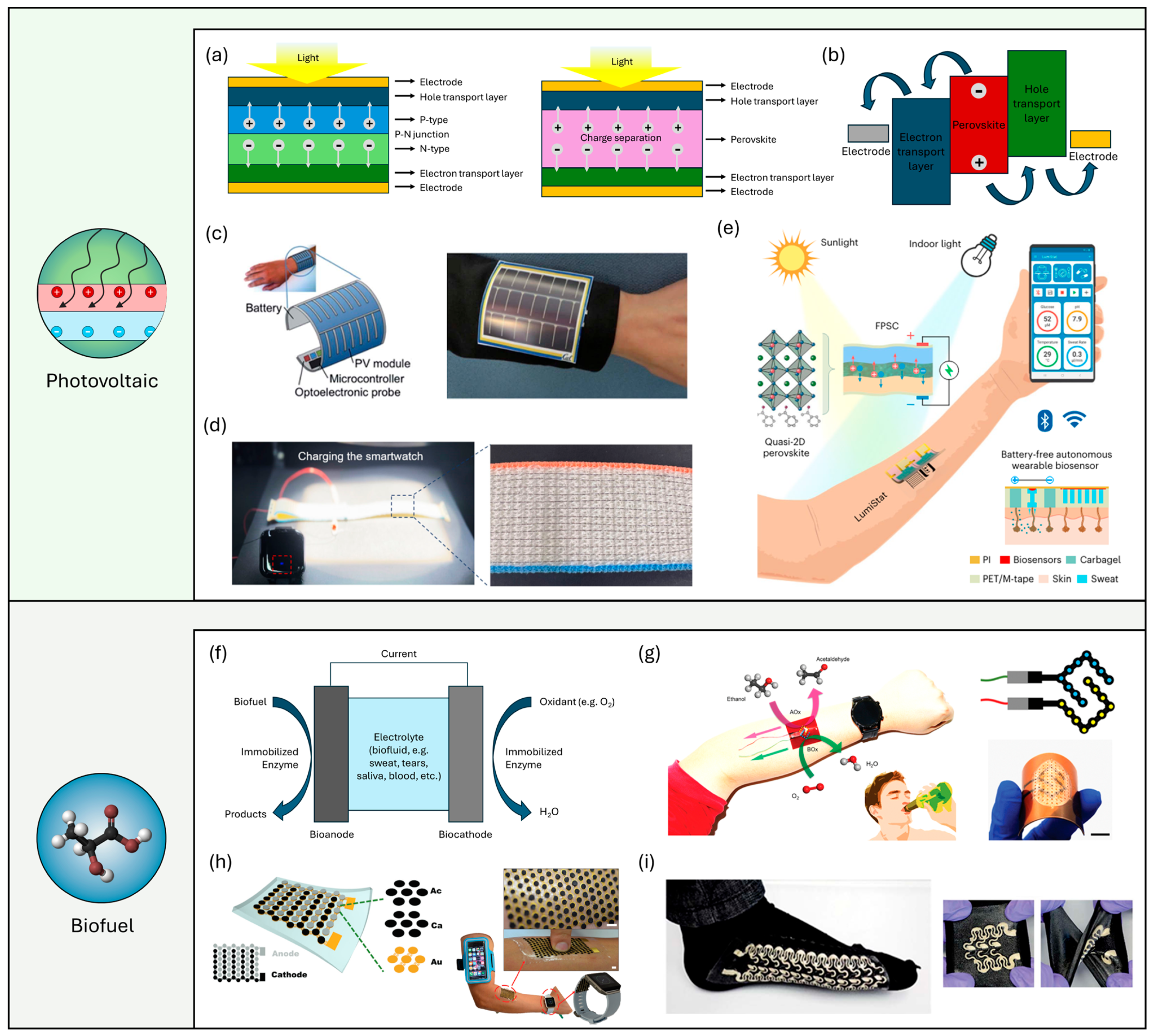
Materials like graphene and carbon nanotubes improve battery life and flexibility. Energy harvesting materials, such as solar cells, help recharge devices on the go. These innovations reduce the need for frequent charging.
Design And Prototyping
Design and prototyping are the foundation of wearable technology. This phase shapes how the device looks, feels, and functions before it reaches your wrist or clothing. It’s where ideas take form, balancing creativity and practicality to meet real user needs.
Concept Sketches
Concept sketches are the first visual step in creating wearable tech. Designers quickly draw multiple ideas on paper or tablets to explore shapes, sizes, and features.
These sketches help you visualize your device and spot potential issues early. It’s a fast, flexible way to experiment without investing in costly tools.
Have you ever tried doodling your own gadget? You’ll notice how much easier it is to improve your idea once it’s on paper.
3d Modeling
After sketches, designers use 3D modeling software to build detailed digital versions of the wearable. This step adds precision and allows testing of fit and movement in a virtual space.
3D models let you rotate, zoom, and simulate how components interact. It’s essential for checking comfort and usability before making anything physical.
Imagine adjusting the thickness of a smartwatch band or the position of buttons with a few clicks. That’s the power of 3D modeling.
Rapid Prototyping Techniques
Rapid prototyping brings digital models into the real world quickly. Techniques like 3D printing, laser cutting, and CNC machining create physical samples you can hold and test.
These prototypes help you feel the weight, check materials, and gather user feedback early. It’s common to go through several versions before finalizing the design.
Have you ever held a prototype and found a tiny flaw that no screen could reveal? That hands-on insight is priceless for wearable tech success.
Circuit Fabrication
Circuit fabrication is a key step in making wearable technology. It involves creating the electronic pathways that connect all parts. These circuits allow devices to process data and communicate with sensors. The process requires precision and advanced tools.
Each wearable device contains a small, complex circuit board. This board holds microchips and other components. They work together to perform the device’s functions. The fabrication process shapes these elements into a compact and efficient form.
Printed Circuit Boards
Printed Circuit Boards (PCBs) form the base of wearable circuits. They are made by layering thin sheets of copper and insulating material. The copper paths act as wires to link parts. Designers print these paths using special machines.
PCBs must be small and lightweight for wearables. They often have flexible versions to fit curved shapes. This flexibility helps devices stay comfortable on the body.
Microchip Integration
Microchips are tiny processors inside wearables. They control how the device works. Integrating microchips means placing and connecting them on the PCB.
Microchips receive power and data through the circuit. Precise positioning is crucial. It ensures the chips communicate correctly with sensors and other parts.
Surface Mount Technology
Surface Mount Technology (SMT) attaches parts directly to the PCB surface. It replaces older methods that used holes and wires. SMT allows for smaller and more reliable connections.
This technology uses machines to place parts exactly on the board. Then, solder melts to fix parts in place. SMT speeds up production and improves device performance.
Credit: www.t3.com
Software Development
Software development is a key part of making wearable technology work smoothly. It controls how the device operates, connects, and interacts with users. This process involves writing code that runs directly on the device and creating apps that users install on their phones. Every step ensures the wearable delivers accurate data and a good user experience.
Firmware Programming
Firmware is the low-level software inside the wearable device. It controls sensors, power management, and communication modules. Developers write firmware to make hardware components work together efficiently. The code must be small and fast to fit limited memory and processing power. Testing firmware ensures the device runs reliably without errors.
Mobile App Integration
Wearables often connect to mobile apps for easy control and data viewing. Developers create apps for iOS and Android platforms. These apps sync data from the wearable and show it in simple graphs or notifications. They also let users change settings and update firmware. Smooth app integration improves the overall user experience.
Data Security Measures
Protecting user data is critical for wearable devices. Developers use encryption to secure data sent between the wearable and the app. Authentication methods stop unauthorized access. Regular software updates fix security flaws. These measures keep personal information safe and build user trust.
Assembly And Testing
The assembly and testing phase is where wearable technology truly comes to life. This stage ensures that every tiny component works together seamlessly to deliver the performance you expect. Understanding this process can give you a new appreciation for the device on your wrist or the fitness tracker you wear daily.
Component Assembly
During component assembly, each electronic part—like sensors, chips, and batteries—is carefully placed onto the device’s circuit board. Precision is crucial because even the smallest misalignment can cause the device to malfunction.
Special machines often handle this delicate task, but skilled technicians also play a key role in ensuring everything fits perfectly. Have you ever wondered how those tiny parts connect so flawlessly inside such a small device?
Quality Control
Quality control checks are performed at multiple points during assembly. These checks catch any defects early, saving time and resources later on.
Inspectors use microscopes and automated systems to spot issues like soldering problems or faulty components. This attention to detail guarantees that your wearable won’t fail just after a few uses.
Performance Testing
Once assembled, the device undergoes rigorous performance testing. This includes checking battery life, sensor accuracy, and connectivity features.
Testing simulates real-world conditions to ensure your wearable performs reliably in daily use. Would you trust a fitness tracker that gives inconsistent heart rate readings?
Credit: www.mdpi.com
Packaging And User Experience
Packaging and user experience play a crucial role in how wearable technology fits into your daily life. The way a device looks, feels, and interacts with you can make all the difference between a gadget that’s used constantly and one that’s quickly forgotten. Let’s break down what makes this balance work.
Ergonomic Design
Wearables must fit your body comfortably to be effective. Designers often study body shapes and movements to create devices that don’t irritate or restrict you. Have you ever worn a watch that left marks or felt too tight? That’s a sign the ergonomic design missed the mark.
Good ergonomic design considers weight distribution, button placement, and flexibility. It ensures the device stays secure without causing discomfort during long hours of wear. Think about how a well-fitted fitness band motivates you to keep it on throughout the day.
User Interface
Your interaction with a wearable should feel natural and effortless. The user interface (UI) includes the screen layout, touch controls, and even voice commands. If you struggle to find features or navigate menus, the UI needs improvement.
Simple and intuitive controls are key. Some wearables use minimal buttons combined with touch or swipe gestures, making it easier to access information quickly. How often have you wished a device’s controls were more straightforward when you’re on the move?
Durability And Comfort
Wearables face daily challenges like sweat, rain, and accidental bumps. Durability ensures your device keeps working no matter what. Materials like silicone straps and reinforced screens help protect against damage.
Comfort goes beyond fitting well—it’s about choosing materials that feel good against your skin and don’t cause irritation. Breathable fabrics and hypoallergenic materials often make a big difference. When a wearable feels like a natural extension of your body, you’re more likely to keep using it.
Future Trends In Wearable Tech
The future of wearable technology is set to transform how you interact with the world around you. As devices become smarter and more integrated into daily life, several key trends are shaping what’s next. Understanding these can help you anticipate and make the most of upcoming innovations.
Advanced Materials
Wearables are becoming lighter, more flexible, and more durable thanks to new materials. Imagine fabrics that feel like regular clothes but can monitor your health or metals that bend without breaking. These materials improve comfort and functionality, making wearables easier to wear all day.
For example, graphene—a super-thin, strong material—is being used to create sensors that can detect heart rate or sweat levels without bulkiness. This means your wearable could be less noticeable but far more powerful. How would a device that feels like a second skin change your daily routine?
Ai Integration
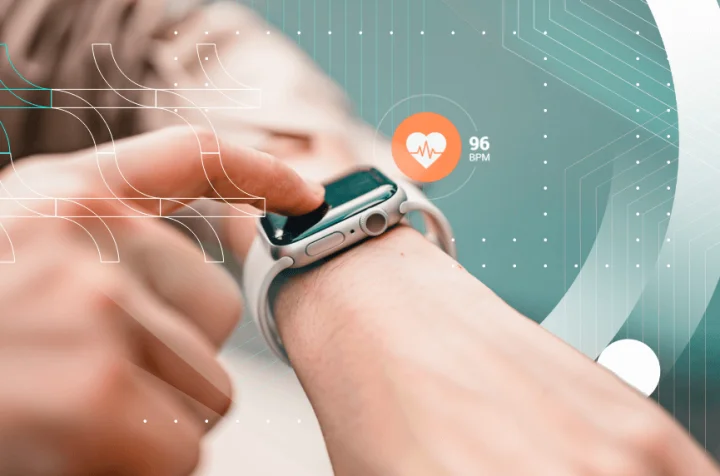
Artificial intelligence is making wearables smarter by helping them learn from your habits. Your device might soon predict when you need to hydrate or suggest the best time to exercise based on your energy levels. This personalized feedback can make your tech truly supportive.
Think about a smartwatch that not only tracks your steps but also analyzes your sleep patterns and offers tips to improve rest. This level of insight is already possible and will only get better. What would it mean for you to have a wearable that understands your body as well as you do?
Energy Harvesting
One big challenge for wearables is keeping batteries charged. New energy harvesting technologies aim to solve this by capturing power from your movements, body heat, or even sunlight. This could mean fewer charging sessions and longer-lasting devices.
For instance, some wearables now include tiny solar cells or piezoelectric materials that turn your daily activities into energy. Imagine never worrying about your device running out of power during an important workout or meeting. How much more convenient would your wearable be if charging became a thing of the past?
Credit: www.bgosoftware.com
Frequently Asked Questions
How Are Wearable Technology Devices Designed?
Wearable devices start with concept design focused on user comfort and functionality. Engineers create prototypes using CAD software. Materials are chosen for durability and lightweight. Designs integrate sensors and electronic components for seamless performance.
What Materials Are Used In Wearable Technology?
Wearables use flexible materials like silicone, nylon, and lightweight metals. Sensors require biocompatible and durable substances. Screens often use Gorilla Glass or OLED displays. These materials ensure comfort, durability, and efficient data collection.
How Are Sensors Integrated Into Wearables?
Sensors are embedded during assembly on flexible circuit boards. They monitor health metrics like heart rate and motion. The integration ensures accurate data capture while maintaining device comfort and compact size.
What Manufacturing Processes Are Involved In Wearables?
Wearables undergo PCB assembly, molding, and surface mounting. Components are soldered onto circuit boards with precision. Devices are then tested for quality and performance before packaging.
Conclusion
Wearable technology combines small parts and smart design. It starts with sensors that track data. Then, microchips process the information quickly. Batteries power the device for long use. Designers make sure the device fits well and feels comfortable. This technology helps people stay healthy and connected every day.
Understanding how it is made shows the effort behind each device. It also highlights how technology keeps improving. Wearables will keep getting smarter and easier to use. The future looks bright for these handy gadgets.