How to Get Involved in Wearable Technology: A Beginner’s Guide
Are you curious about wearable technology but don’t know where to start? Getting involved in this exciting field is easier than you might think.
Whether you want to create your own devices, stay updated on the latest trends, or join a community of tech enthusiasts, this guide is made just for you. Keep reading, and you’ll discover simple steps to dive into wearable tech—steps that can open new opportunities and spark your creativity.
Your journey into wearable technology begins here.
What Is Wearable Technology
Wearable technology includes devices worn on the body that connect to the internet or other devices. These gadgets collect data, offer information, and sometimes help users perform tasks. They combine technology and daily wear to improve life in small, smart ways.
Wearables track health, enhance communication, and provide entertainment. They come in many forms and use various sensors to gather data. This technology is growing fast and changing how people interact with devices.
Definition Of Wearable Technology
Wearable technology refers to electronic devices worn on the body. These devices often connect wirelessly to smartphones or computers. They monitor physical activity, health stats, or provide notifications.
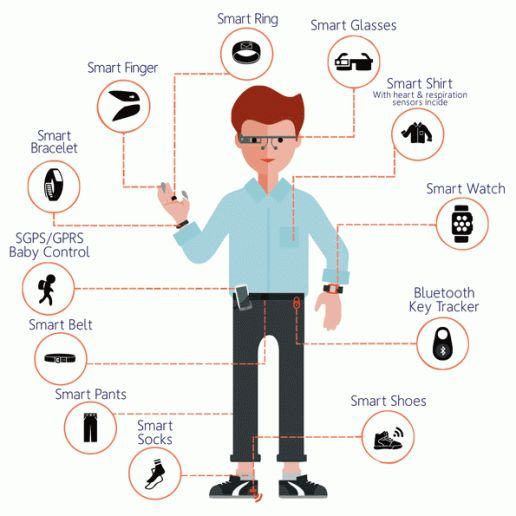
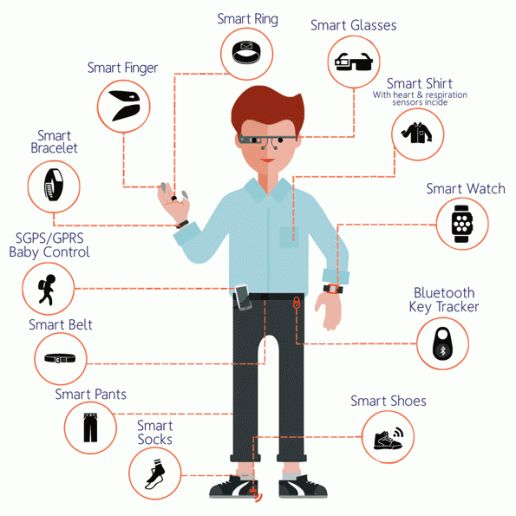
Common Types Of Wearable Devices
- Smartwatches
- Fitness trackers
- Smart glasses
- Wearable cameras
- Health monitors
How Wearables Work
Wearables use sensors to collect data like heart rate or steps taken. They send this data to apps for tracking and analysis. Users get real-time feedback to improve health or productivity.
Benefits Of Wearable Technology
- Tracks fitness and health easily
- Keeps users connected without a phone
- Offers convenience and hands-free use
- Provides alerts and reminders
- Helps monitor chronic conditions
Popular Types Of Wearables
Wearable technology includes many devices that people use daily. These devices collect data, help with tasks, and connect to the internet. They come in many forms and serve various purposes. Understanding the popular types of wearables helps in choosing the right one for your needs.
Fitness Trackers
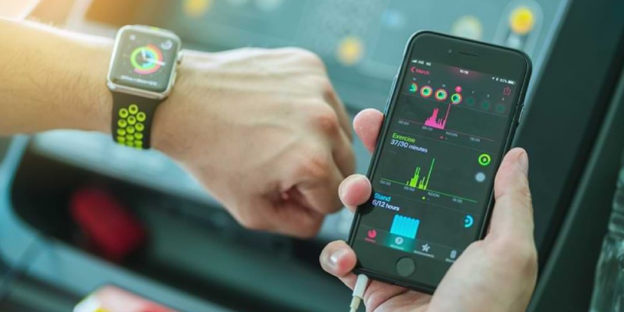
Fitness trackers monitor physical activities such as steps, distance, and calories burned. They often include heart rate sensors to track your pulse. These devices help set fitness goals and improve daily activity levels. Many models are lightweight and easy to wear all day.
Smartwatches
Smartwatches do more than just tell time. They connect to smartphones and show notifications like messages and calls. Some models support apps, music control, and GPS tracking. They combine style and technology for everyday convenience.
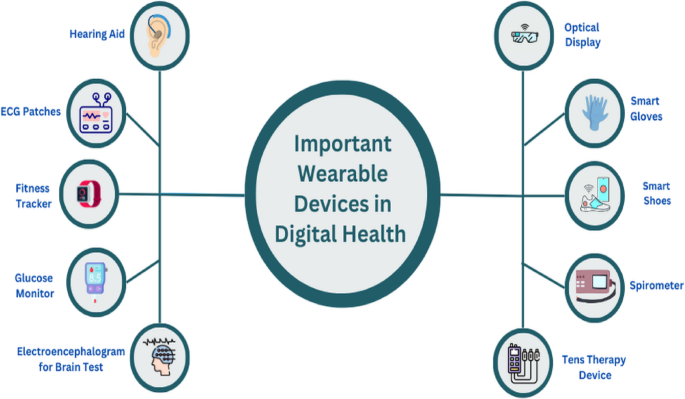
Health Monitors
Health monitors focus on tracking vital signs and health conditions. They can measure blood pressure, oxygen levels, and sleep quality. These devices assist users in managing chronic diseases. They provide valuable information for better health decisions.
Wearable Cameras
Wearable cameras capture photos and videos hands-free. They are popular among adventurers, athletes, and content creators. These cameras offer different mounting options, such as on helmets or clothing. They provide a unique view of activities and events.
Skills To Start With
Getting started with wearable technology means building a solid foundation of skills that connect hardware, software, and design. You don’t need to master everything at once, but focusing on some key areas will make your journey smoother and more rewarding. What skills will help you bring your wearable ideas to life?
Basic Electronics
Understanding basic electronics is essential for working with wearable devices. You should get comfortable with components like sensors, resistors, and microcontrollers. Simple hands-on projects, like assembling a basic circuit or using an Arduino board, can quickly boost your confidence.
Knowing how electricity flows and how to read circuit diagrams will save you time troubleshooting. Have you ever wondered how your smartwatch tracks your heartbeat? That’s electronics at work, and learning the basics lets you create similar functions.
Programming Languages
Coding skills are crucial for making your wearable device do what you want. Start with languages popular in the wearable world such as C, C++, and Python. These languages help you program microcontrollers and develop apps that run on wearable devices.
Focus on writing clean, efficient code that interacts with hardware. Experiment with simple projects like controlling LEDs or reading sensor data to see immediate results. What if you could write a program that alerts you when you’ve been sitting too long? Learning programming makes that possible.
Design Principles
Wearables need to be comfortable, functional, and stylish. Basic design skills will help you create devices people actually want to wear. Think about user experience, ergonomics, and aesthetics from the start.
Sketch your ideas and test prototypes with real users early on. Consider materials, weight, and battery placement carefully. Have you thought about how your device will fit into someone’s daily life? Design principles help you answer that question thoughtfully.
Credit: medium.com
Choosing The Right Tools
Choosing the right tools is key to starting with wearable technology. The tools you pick shape your learning and project success. Focus on hardware, software, and development environments. Each part plays a role in building functional wearables.
Hardware Kits
Hardware kits offer the physical parts needed to create wearables. They include sensors, microcontrollers, and batteries. Popular kits often have clear guides and community support. Choose kits that match your skill level and project goals.
- Basic kits for beginners with simple sensors
- Advanced kits with multiple sensors and connectivity
- Wearable-specific kits designed for comfort and size
Software Platforms
Software platforms control your wearable devices and process data. They help you program sensors and manage device functions. Look for platforms that support your hardware and are easy to use. Many platforms offer tutorials and pre-built functions to help beginners.
- Open-source platforms with a large user base
- Cloud-based platforms for remote data handling
- Mobile app platforms for wearable control
Development Environments
Development environments are where you write and test your code. A good environment offers debugging tools and easy device connection. Choose environments compatible with your hardware and software platforms. User-friendly interfaces speed up learning and development.
- Integrated Development Environments (IDEs) with code editors
- Visual programming tools for beginners
- Command-line tools for experienced developers
Learning Resources
Learning about wearable technology opens many doors. Various resources help beginners and experts grow skills. These resources cover basics, advanced topics, and hands-on projects. They suit different learning styles and paces.
Online Courses
Online courses offer structured learning paths. Platforms like Coursera, Udemy, and edX provide classes on sensors, programming, and design. Many courses include videos, quizzes, and coding exercises. Some offer certificates to show your progress.
Books And Tutorials
Books explain concepts clearly and in detail. They cover hardware, software, and user experience. Tutorials provide step-by-step guides for building devices. Many free tutorials are available on websites and blogs. They help practice real-world skills.
Community Forums
Community forums connect learners and experts. Sites like Reddit, Stack Overflow, and specialized groups share advice and feedback. You can ask questions, share projects, and find support. Joining communities boosts motivation and learning speed.
Credit: www.fortunebusinessinsights.com
Building Your First Project
Building your first wearable technology project can be exciting and rewarding. It helps you understand basic concepts and gain hands-on experience. Start small and keep your goals clear.
Focus on simple ideas that are easy to create and test. This approach builds confidence and skills. Experiment with different materials and tools to see what works best for you.
Simple Wearable Ideas
- LED bracelet that lights up with a button press
- Step counter using a basic motion sensor
- Temperature monitor with a small display
- Heart rate sensor attached to a wristband
- Sound-activated necklace that glows
Step-by-step Guide
- Choose your project idea and gather materials
- Learn the basics of the microcontroller you will use
- Write simple code to control the sensors or lights
- Assemble the components on a breadboard or circuit board
- Connect the wearable to power and test functionality
- Adjust the design for comfort and style
Testing And Debugging
Test your project carefully at every stage. Check connections and power supply first. Observe if sensors or lights respond as expected.
Use simple tools like a multimeter to find issues. Read error messages from your code and fix them step by step. Patience is key during this process.
Ask for help in online forums if stuck. Fixing small problems early saves time later.
Joining Wearable Tech Communities
Joining wearable tech communities is a great way to learn and grow in this field. These groups connect you with others who share your interests. You can share ideas, ask questions, and find new projects. Being part of a community also keeps you updated on the latest trends and tools.
Meetups And Events
Meetups and events bring wearable tech enthusiasts together in person. These gatherings offer chances to network and learn from experts. You can see new devices, attend workshops, and join discussions. Local meetups often welcome beginners, making it easier to start.
Online Groups
Online groups provide a space to connect from anywhere. Platforms like forums, social media, and chat apps host these communities. You can ask questions, share your work, and find collaboration partners. Many groups focus on specific topics, like fitness trackers or smart watches.
Hackathons
Hackathons are events where people build wearable tech projects fast. They encourage creativity and teamwork. Participating helps improve your skills and meet others passionate about wearable devices. Many hackathons offer prizes and mentorship opportunities.

Credit: www.techinsights.com
Career Paths In Wearable Tech
Wearable technology offers many career paths. These roles combine tech, design, and science. Many industries use wearable devices, creating diverse job opportunities. Understanding each path helps choose the best fit.
Engineering Roles
Engineers build the hardware and software for wearables. They work on circuits, sensors, and connectivity. Skills in programming and electronics are essential. Roles include embedded systems engineer, firmware developer, and hardware engineer. Problem-solving and attention to detail are key traits.
Design And Ux
Designers focus on making wearables user-friendly. They create the look and feel of devices. User experience (UX) experts study how people interact with wearables. Skills in graphic design, prototyping, and user testing help. The goal is comfort, style, and ease of use.
Research And Development
Research teams explore new technologies for wearables. They test materials, sensors, and software features. Innovation drives wearable tech forward. Roles include product researcher and innovation scientist. Curiosity and analytical skills are important in this field.
Frequently Asked Questions
What Skills Are Needed For Wearable Technology Involvement?
Basic knowledge in electronics, coding, and design is essential. Understanding sensors and Bluetooth helps. Creativity and problem-solving skills improve success in wearable tech projects.
How Can Beginners Start With Wearable Technology?
Start by learning programming languages like Python or C. Use DIY kits like Arduino or Raspberry Pi. Join online forums and tutorials to build simple wearable devices.
Where To Find Wearable Technology Communities?
Look for online platforms like Reddit, GitHub, and LinkedIn groups. Attend local meetups, tech conferences, or hackathons to network with enthusiasts and professionals in wearable tech.
What Are Common Projects For Wearable Technology Beginners?
Begin with fitness trackers, smartwatches, or health monitoring devices. Simple projects include step counters or heart rate sensors. These help understand basics and build practical skills.
Conclusion
Getting involved in wearable technology is easier than you think. Start by exploring simple devices and learning their uses. Join online groups or local meetups to connect with others. Experiment with basic projects to build your skills step by step.
Stay curious and keep trying new ideas. Wearable tech is growing fast and offers many chances to learn. Your journey begins with small steps. Stay patient and enjoy the process. The world of wearable technology awaits your participation.