How to Do Hobby Electronics for an Electrical Engineer: Expert Tips
Are you an electrical engineer looking to dive deeper into the world of hobby electronics? Imagine turning your technical expertise into thrilling DIY projects that spark both creativity and innovation.
Whether you want to build a personal gadget or explore new technologies, this guide is your ticket to transforming professional skills into exciting personal projects. You’ll discover how to start, what tools you need, and how to find inspiration. Ready to unlock a new level of fun and learning?
Let’s delve into how you can make hobby electronics your new favorite pastime, blending your engineering know-how with endless possibilities for exploration and creation.
Choosing The Right Projects
Choosing the right projects is key to staying motivated and growing your skills in hobby electronics. Picking projects that fit your current expertise while pushing your limits keeps the process rewarding. The right choice also helps you avoid frustration and burnout, making your time spent both fun and productive.
Simple Starter Ideas
Start with projects that match your foundational knowledge. Simple circuits like LED blinkers, basic amplifiers, or a temperature sensor build confidence quickly. These projects require minimal parts and tools, letting you focus on understanding the core concepts.
Try assembling a small kit or breadboarding a basic oscillator circuit. You’ll get hands-on practice with components and learn troubleshooting without overwhelming yourself. What simple project have you built that gave you a clear sense of achievement?
Balancing Challenge And Fun
Projects should challenge you, but not to the point of frustration. Aim for tasks that stretch your skills just enough to keep learning exciting. For example, designing a mini robot or an Arduino-based home automation system combines problem-solving with creativity.
Keep a mix of easy wins and harder goals on your list. This balance keeps your interest alive and builds your expertise steadily. Ask yourself: does this project excite me enough to push through when it gets tricky?
Incorporating New Technologies
Adding new tech elements can refresh your hobby and expand your skill set. Experiment with microcontrollers like ESP32, explore wireless communication with Bluetooth modules, or try your hand at sensor integration. These elements bring real-world relevance and open doors to advanced projects.
Start small by adding one new component or technology per project. This focused approach helps you master each part without feeling overwhelmed. Which new technology are you curious to try next in your hobby electronics journey?
Essential Tools And Components
Getting started with hobby electronics as an electrical engineer means gathering the right tools and components to bring your ideas to life. Having a well-chosen toolkit and quality parts not only saves time but also boosts your confidence to experiment. Let’s dive into what essentials you should have on hand to make your projects run smoothly.
Basic Electronics Toolkit
Your toolkit is the foundation of your hobby electronics workbench. At minimum, it should include:
- Soldering ironwith adjustable temperature – crucial for assembling and repairing circuits.
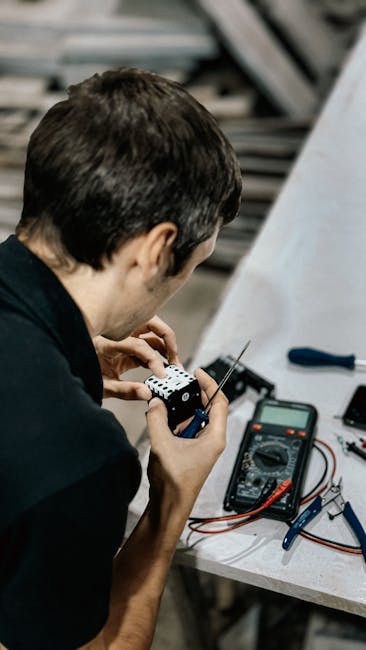
- Multimeter– for measuring voltage, current, and resistance accurately.
- Wire strippers and cutters– to prepare wires cleanly without damage.
- Helping hands or PCB holder– keeps components steady while you work.
- Basic hand toolslike screwdrivers, tweezers, and pliers.
Adding a small digital oscilloscope can greatly enhance your ability to troubleshoot signals. Think about how much easier debugging becomes when you can see waveforms live.
Selecting Quality Components
Choosing the right components matters more than you might expect. Low-quality parts can cause intermittent failures and frustration.
Always check datasheets for specifications like tolerance, voltage rating, and temperature range. For example, resistors with 1% tolerance provide more precise results than standard 5% ones.
Buying from reputable suppliers reduces the risk of counterfeit parts. Have you ever spent hours troubleshooting only to find a faulty capacitor was the culprit? Quality components help avoid that headache.
Useful Software And Simulators
Software tools save you time and money by allowing you to test circuits virtually before building.
- LTspice– excellent for analog circuit simulation and free to use.
- Fritzing– great for designing breadboard layouts and visualizing connections.
- KiCad– a powerful open-source tool for PCB design.
Simulators let you tweak values and spot issues without wasting components. Have you tried simulating a circuit before soldering? It can change how you approach design challenges.
Design And Prototyping Techniques
Design and prototyping are key steps in hobby electronics projects. They help turn ideas into working circuits. A good design saves time and avoids mistakes. Prototyping lets you test and improve your design. This process is fun and educational for electrical engineers.
Breadboarding Tips
Breadboards let you build circuits without soldering. Use jumper wires for easy connections. Keep wires short and organized to avoid confusion. Test small parts of your circuit first. Label components to remember their role. Check connections often to find errors quickly.
Schematic Design Practices
Create clear and simple schematics. Use standard symbols for components. Draw neat lines and avoid crossing wires. Group related parts to show function blocks. Add labels for voltages and signals. Review your schematic before building to catch mistakes early.
Pcb Design Basics
Designing a PCB turns your schematic into a physical board. Place components logically and keep paths short. Use ground planes to reduce noise. Follow design rules for trace width and spacing. Run a design check to find errors. Order a small batch to test your prototype.
Troubleshooting And Debugging
Troubleshooting and debugging are essential parts of hobby electronics. These skills help find and fix problems in your circuits quickly. Without them, projects might not work as expected. A clear approach saves time and frustration.
Understanding common issues and how to fix them improves your confidence. Using test equipment properly gives precise information about your circuits. Iterative improvement means testing, fixing, and testing again until the circuit works well.
Common Issues And Fixes
- Loose connections cause intermittent or no power flow. Check all wires and solder joints.
- Incorrect component placement leads to unexpected behavior. Verify component orientation and values.
- Short circuits can damage parts or cause failure. Use a multimeter to find shorts between power and ground.
- Overheating components might indicate excessive current. Ensure correct resistor values and proper heat sinks.
- Signal interference can cause noise. Keep wires short and use shielded cables if needed.
Using Test Equipment Effectively
- Multimeters measure voltage, current, and resistance. Use continuity mode to find broken paths.
- Oscilloscopes show signal waveforms in real time. Check timing and signal shape for errors.
- Logic analyzers help debug digital signals. Capture and analyze data to find logical faults.
- Power supplies provide stable voltage and current. Adjust limits to protect components during tests.
- Soldering irons and magnifiers assist in fixing small parts. Work carefully to avoid damage.
Iterative Improvement Strategies
- Test each part of the circuit separately. Isolate sections to identify faults easily.
- Make one change at a time. Track results to understand what works.
- Document your steps and observations. Notes help avoid repeating mistakes.
- Use simple test signals to check circuit response. Gradually increase complexity after success.
- Seek feedback from online communities or peers. Fresh eyes find problems faster.
Learning And Growing Skills
Growing your skills in hobby electronics is about more than just building circuits. It’s about deepening your understanding and sharpening your problem-solving abilities. As an electrical engineer, you have a solid foundation, but the hands-on nature of hobby projects will challenge you in new ways.
Developing your skills requires continuous learning and active participation. You’ll find that the path to mastery involves tapping into various resources, connecting with like-minded people, and keeping track of your progress. How do you make sure each project pushes your abilities forward?
Leveraging Online Resources
The internet offers a treasure trove of tutorials, datasheets, and project ideas. Websites like Instructables, Hackaday, and electronics forums provide detailed guides that can help you understand new components or techniques quickly.
Video platforms such as YouTube feature step-by-step walkthroughs that can clarify complex concepts. When I started working with microcontrollers, watching practical demos saved me hours of trial and error. Are you using these resources to their full potential?
Joining Electronics Communities
Engaging with electronics communities can accelerate your learning curve. Online groups on Reddit, Discord servers, and local maker spaces offer a chance to ask questions, share your projects, and get feedback from experienced enthusiasts and professionals.
You might discover new tools or tricks simply by discussing your challenges with others. When I shared a problem with a sensor calibration, a community member suggested a solution I hadn’t considered. What insights could you gain by joining a community today?
Documenting Your Projects
Keeping a detailed record of your projects helps you track what works and what doesn’t. Use a notebook or digital platform to note component choices, circuit diagrams, test results, and lessons learned.
This habit not only aids future troubleshooting but also builds a personal knowledge base you can revisit. I often find that reviewing old notes sparks new ideas or helps avoid repeating mistakes. How detailed is your project documentation?
Safety Measures In Hobby Electronics
Safety is the backbone of any successful hobby electronics project. As an electrical engineer, you already understand the risks involved with electrical components and power sources. Still, taking extra precautions protects you and your gear, making your experiments more enjoyable and less stressful.
Handling Electrical Components Safely
Always treat components with care to avoid damage and injury. Use anti-static wrist straps or mats to prevent static discharge that can fry sensitive parts.
Keep your hands dry and clean. Moisture can cause short circuits or corrosion, which may lead to malfunction or even electric shocks.
Label wires and components clearly. This simple habit prevents confusion and accidental cross-connections that can harm your project or you.
Proper Workspace Setup
Your workspace can make or break your safety. Ensure it is well-lit so you can see connections clearly and avoid mistakes.
Use a non-conductive surface like a wooden or plastic table to reduce the risk of short circuits. Avoid working on metal surfaces.
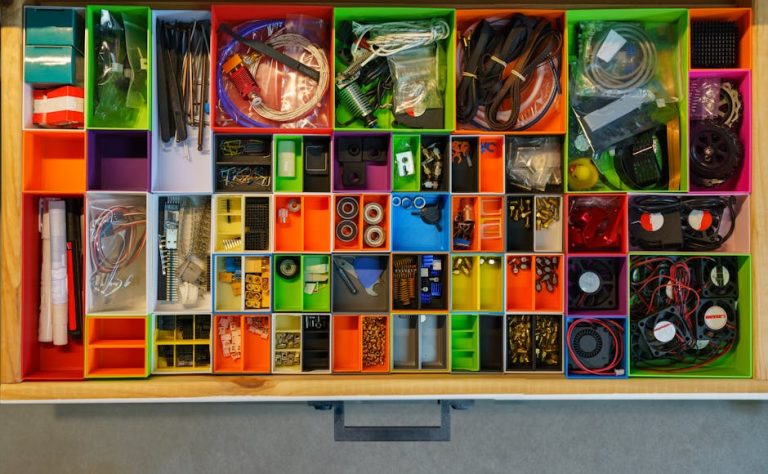
Keep your area organized. A cluttered desk increases the chances of knocking over components or tools, which can cause damage or injury.
Dealing With Power Sources
Never underestimate the power source you are working with. Always disconnect power before modifying circuits or swapping components.
Use insulated tools when working with live circuits. It might feel slower but protects you from accidental shocks.
Double-check voltage and current ratings before connecting a power supply. Overloading components can cause fires or explosions, and you don’t want to be the reason for that.
Balancing Hobby With Professional Work
Balancing a hobby in electronics with a professional career in electrical engineering requires careful planning and focus. This balance helps keep passion alive and skills sharp without overwhelming your daily routine. Managing time effectively and using your knowledge creatively supports both your job and personal projects. It also reduces stress and keeps your mind fresh for new ideas.
Time Management Tips
Set clear goals for both work and hobby projects. Create a weekly schedule with specific time blocks for hobby electronics. Prioritize tasks and avoid multitasking to stay focused. Use small pockets of free time for simple tasks like reading or planning. Regular breaks improve concentration and prevent fatigue. Keep a list of ideas to explore when time allows.
Applying Professional Knowledge Creatively
Use your engineering skills to solve hobby challenges in new ways. Experiment with different circuits or components beyond your daily work. Share ideas with hobby groups to gain fresh perspectives. Turn complex concepts into simple projects to deepen your understanding. Use your hobby as a testing ground for innovative solutions. This creative use of knowledge fuels both personal growth and professional success.
Avoiding Burnout
Listen to your body and mind to spot early signs of burnout. Take regular breaks from both work and hobby tasks. Change your routine to include relaxing activities unrelated to electronics. Set realistic expectations for hobby progress without pressure. Celebrate small achievements to stay motivated. Rest and sleep play a key role in maintaining energy and creativity.
Frequently Asked Questions
What Tools Are Essential For Hobby Electronics Beginners?
Basic tools include a multimeter, soldering iron, breadboard, jumper wires, and a power supply. These help test circuits and build prototypes easily.
How Can Electrical Engineers Start Hobby Electronics Projects?
Start with simple kits or tutorials online. Experiment with microcontrollers like Arduino or Raspberry Pi for hands-on learning and creativity.
What Are The Best Components For Hobby Electronics?
Common components include resistors, capacitors, LEDs, transistors, and sensors. These parts are versatile and ideal for various DIY projects.
How To Learn Circuit Design Effectively For Hobbyists?
Use simulation software like LTspice or Fritzing. Practice by building small circuits and gradually increase complexity to improve skills.
Conclusion
Hobby electronics offers great ways for electrical engineers to learn and create. Small projects build skills step by step. Experimenting keeps the mind sharp and ideas fresh. Simple tools and parts make starting easy. Enjoy the process, not just the results.
Each circuit teaches something new and useful. Stay curious and keep trying new things. This hobby can bring fun and satisfaction daily. Give yourself time to grow and explore. Electronics can be both work and play.