Where to Start Electronic Building Hobby: Ultimate Beginner’s Guide
Are you fascinated by the world of electronics and eager to dive into building your own gadgets? You’re not alone.
Starting an electronic building hobby can be both exciting and rewarding, offering you a unique blend of creativity and technical challenge. Imagine the thrill of seeing your projects come to life, from simple circuits to intricate devices. But with so much information out there, knowing where to begin can be overwhelming.
Don’t worry—you’re in the right place. In this guide, we’ll break down the essentials, giving you the confidence to start your electronic building journey. Whether you’re a complete beginner or looking to refine your skills, we’ve got you covered. Ready to unlock your potential and transform your curiosity into tangible creations? Let’s get started!
Choosing Your First Electronics Kit
Choosing your first electronics kit sets the foundation for your hobby. It shapes your learning and enjoyment. The right kit offers clear instructions and essential parts. A good start builds confidence and sparks curiosity. Consider your interests, skill level, and goals before buying. The kit should be easy to follow and include useful components. This guide helps you pick the best electronics kit to begin your journey.
Types Of Starter Kits
- Basic Circuit Kits:Contain simple components like resistors and LEDs.
- Arduino Kits:Include microcontrollers for programming projects.
- Robotics Kits:Combine electronics with mechanical parts for building robots.
- Soldering Kits:Focus on building circuits with soldering practice.
- Sensor Kits:Feature sensors to explore inputs like light and temperature.
What To Look For In A Kit
- Clear, step-by-step instructions with pictures or videos.
- Quality components that are easy to handle and durable.
- A variety of parts to create multiple projects.
- Compatibility with common tools and platforms.
- Good customer support or online resources.
Recommended Kits For Beginners
| Kit Name | Type | Best For | Price Range |
|---|---|---|---|
| Snap Circuits | Basic Circuit | Young learners and simple projects | Low |
| Elegoo UNO Project Super Starter Kit | Arduino | Programming and interactive projects | Medium |
| VEX Robotics Starter Kit | Robotics | Building and coding robots | High |
| Elenco Soldering Kit | Soldering | Hands-on soldering practice | Medium |
Essential Tools And Components
Getting started with electronic building means gathering the right tools and components. Having these essentials on hand makes your projects smoother and more enjoyable. Without the proper gear, even simple tasks can become frustrating.
Basic Tools You Need
You’ll want a good set of tools to handle most electronic projects. A reliable soldering iron is a must—it lets you connect components firmly. Pair it with a solder sucker or desoldering braid to fix mistakes quickly.
Wire cutters and strippers help you prepare wires without damaging them. A multimeter is essential for measuring voltage, current, and resistance, helping you troubleshoot your circuits. Tweezers and screwdrivers of different sizes also come in handy for precision work.
Common Electronic Components
Start with basic components to build a variety of circuits. Resistors, capacitors, and LEDs are fundamental parts you’ll use often. Transistors and diodes help control current flow in your designs.
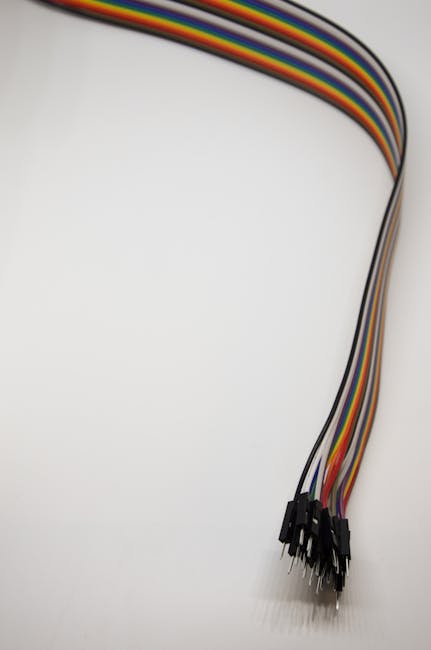
Don’t forget breadboards—they let you test circuits without soldering. Jumper wires connect components quickly and cleanly on a breadboard. Having a variety of sensors and switches will let you experiment with interactive projects.
Where To Buy Supplies
You can find electronic parts at local hobby shops or large retail stores. Online platforms like Digi-Key, Mouser, and Amazon offer wide selections and fast shipping. Sometimes, buying kits is a good idea—they include all components needed for specific projects.
Look for quality and check reviews before purchasing. Have you ever bought parts that didn’t work or arrived damaged? Choosing reputable suppliers saves you time and money in the long run.
Learning The Basics
Starting your journey in electronic building means getting comfortable with the basics first. This foundation will make your projects easier and more fun. Understanding simple circuits, reading schematics, and practicing safety will set you up for success.
Simple Circuit Concepts
Think of a circuit as a path for electricity to flow. It usually includes a power source, wires, and components like resistors or LEDs. Learning how these parts work together helps you create your own circuits.
Try building a basic circuit with a battery, a small light bulb, and some wires. You’ll see how electricity moves and powers the bulb. This hands-on experience reveals important concepts like current, voltage, and resistance without overwhelming technical terms.
Reading Schematics
Schematics are like maps for your electronics projects. They show how each component connects in a circuit using symbols. Once you understand these symbols, you can build or troubleshoot circuits more effectively.
Start by identifying common symbols: a zigzag line for resistors, a triangle for diodes, or a circle with a letter inside for LEDs. Try tracing simple schematics to imagine how current flows. Can you guess what a circuit will do just by looking at its diagram?
Safety Tips For Beginners
Working with electronics can be safe if you follow simple rules. Always disconnect power before changing your setup to avoid shocks or shorts. Use insulated tools and avoid touching live wires with bare hands.
Be cautious with batteries and power supplies — they can heat up or leak if mishandled. Keep your workspace clean and organized to prevent accidents. What safety habits will you start practicing today to protect yourself and your projects?
Hands-on Projects To Try
Diving into electronic building is best done by getting your hands dirty with real projects. These hands-on experiences help you grasp concepts faster and keep your motivation high. You’ll soon see how small successes build confidence and skills.
Easy Projects For Starters
Start with projects that require just a few components and basic tools. Simple LED blinkers, battery testers, or light-sensitive switches are perfect for beginners.
These projects let you practice soldering, wiring, and reading circuit diagrams without feeling overwhelmed. Plus, they’re quick to finish, giving you a sense of accomplishment early on.
- LED Blinker using a 555 Timer IC
- Basic Light Sensor Circuit
- Simple Battery Level Indicator
Building Your First Circuit
Gather your components—resistors, capacitors, transistors, and a breadboard to start without soldering. Carefully follow a schematic and place each part in its correct spot.
Take your time and double-check connections before powering up. Watching your circuit come to life is a rewarding moment that shows theory becoming reality.
| Component | Purpose | Tips |
|---|---|---|
| Resistor | Limits current flow | Check color codes to avoid mistakes |
| Capacitor | Stores and releases energy | Watch polarity on electrolytic types |
| LED | Light indicator | Connect correctly; longer leg is positive |
Troubleshooting Common Issues
Not every circuit will work on the first try. Don’t get discouraged if your LED doesn’t light or your sensor acts oddly.
Check connections first—loose wires or wrong polarities are common culprits. Use a multimeter to test voltages and continuity, which can pinpoint where the problem lies.
- Verify power supply levels
- Look for cold solder joints or shorts
- Ensure components aren’t damaged or reversed
Have you ever found a tiny wiring mistake that wasted hours? That’s part of the learning curve and a chance to sharpen your problem-solving skills.
Resources For Continued Learning
Continuing to learn is vital for growing skills in electronic building. Resources help deepen knowledge and spark new project ideas. Choose from many formats to find what suits your style best. Explore tutorials, books, and communities to keep your learning fresh and fun.
Online Tutorials And Courses
Online tutorials cover basics to advanced topics. Videos show step-by-step guides for building circuits. Courses offer structured lessons with quizzes and projects. Many websites provide free content for beginners. Paid courses often give certificates and extra support. Learning at your own pace fits busy schedules well.
Books And Magazines
Books explain concepts in clear, simple language. They include diagrams, examples, and exercises to practice. Magazines offer updates on the latest trends and tools. They often feature new projects to try at home. Reading regularly builds a solid foundation and inspires creativity. Choose titles focused on electronics and DIY projects.
Community Forums And Groups
Forums connect you with others who share your hobby. Ask questions and get advice from experienced builders. Join groups on social media or dedicated websites. Sharing your projects and challenges helps improve skills. Collaboration leads to new ideas and friendships. Active participation keeps motivation high and learning ongoing.
Setting Up A Workspace
Setting up a workspace is a key step for any electronic building hobbyist. A well-planned area helps keep projects organized and safe. It also boosts focus and efficiency during builds. A dedicated spot with the right setup makes learning and creating more enjoyable.
Organizing Your Tools
Start by grouping your tools by type and use. Keep small parts like screws and resistors in clear containers. Use drawer organizers or small bins for easy access. Hang frequently used tools on a pegboard or magnetic strip. Label everything to find items fast and avoid clutter.
Creating A Safe Environment
Ensure good lighting to reduce eye strain and mistakes. Use an anti-static mat to protect sensitive electronics. Keep liquids away from your workspace to avoid spills. Have a fire extinguisher nearby for emergencies. Make sure your area is well ventilated, especially when soldering.
Tips For Efficient Workflow
- Arrange tools in the order you use them.
- Keep your workspace clean after each session.
- Use a comfortable chair and desk height.
- Have a trash bin close for waste materials.
- Use a small whiteboard or notebook for notes and plans.
Frequently Asked Questions
What Tools Do Beginners Need For Electronic Building?
Beginners need basic tools like a soldering iron, wire cutters, multimeter, and a breadboard. These tools help assemble and test circuits easily.
Where Can I Find Beginner-friendly Electronic Kits?
You can find beginner kits on websites like Amazon, Adafruit, and SparkFun. These kits include components and instructions ideal for learning.
How Do I Learn Electronic Circuit Design Effectively?
Start with simple circuits and online tutorials. Use free platforms like YouTube and electronics blogs to build your skills gradually.
What Safety Precautions Should Beginners Follow In Electronics?
Always disconnect power before working on circuits. Use insulated tools and avoid touching live wires to prevent shocks and injuries.
Conclusion
Starting an electronic building hobby brings fun and learning together. Begin with simple projects and basic tools. Practice helps you understand how circuits work. Small steps build skills and confidence. Join online groups to share ideas and get help. Keep trying, even if things seem hard at first.
Enjoy the process of creating and discovering new things. This hobby can grow with your interest and time. Your journey in electronics starts right here, right now.