How to Learn Hobby Electronics: Easy Steps to Get Started Fast
Are you curious about how gadgets work or how to create your own electronic projects? Learning hobby electronics can open a world of creativity and innovation right at your fingertips.
Imagine being able to fix your own devices, build a custom gadget, or even invent something entirely new! This guide will walk you through the basics, giving you the confidence to dive into this exciting field. Whether you’re a complete beginner or looking to brush up on your skills, you’ll find tips and resources to make learning fun and effective.
Ready to unlock your potential and see what you can create? Let’s get started!
Choosing Your First Project
Choosing your first project in hobby electronics sets the tone for your learning journey. It should match your current skills while offering a bit of challenge to keep you interested. Picking the right project helps you build confidence and avoid frustration.
Simple Circuits To Try
Start with circuits that are easy to understand and build. A basic LED blink circuit is a great choice—it teaches you about resistors, LEDs, and using a breadboard.
Other simple projects include:
- Battery-powered flashlight
- Light-sensitive night light
- Basic buzzer alarm
These projects use common components and give instant visual or audible feedback, which is rewarding. Have you thought about what small gadget you’d enjoy making? Picking something useful or fun can keep you motivated.
Tools And Materials Needed
Before you begin, gather the essential tools and materials to avoid interruptions. You’ll need a soldering iron, wire cutters, a multimeter, and a breadboard for testing circuits without soldering.
| Tool/Material | Purpose |
|---|---|
| Soldering iron | Joining components permanently |
| Wire cutters/strippers | Preparing wires for connections |
| Multimeter | Measuring voltage, current, and resistance |
| Breadboard | Building and testing circuits without soldering |
| Basic components | Resistors, LEDs, capacitors, transistors |
Having these tools handy will make your projects smoother and more enjoyable. What tools do you already have, and which ones excite you to try out first?
Basic Electronics Concepts
Basic electronics concepts form the foundation of hobby electronics. Understanding these ideas helps you build and fix circuits with confidence. It involves learning about parts and how they connect to make devices work. Grasping these basics makes your projects clearer and more fun.
Understanding Components
Electronic components are the building blocks of any circuit. Each part has a specific job, such as controlling current or storing energy. Common components include:
- Resistors:Limit electric current flow.
- Capacitors:Store and release electrical energy.
- Diodes:Allow current to flow in one direction only.
- Transistors:Act as switches or amplifiers.
- LEDs:Light up when current passes through.
Knowing the function of each component helps you choose the right ones for your projects. Also, learning their symbols is useful for reading circuit diagrams.
Reading Circuit Diagrams
Circuit diagrams show how components connect in a project. They use symbols to represent parts and lines to show wires. Understanding these diagrams lets you build circuits accurately.
- Identify symbols for each component.
- Follow the lines that show connections.
- Note the flow of current from power to ground.
Practice by looking at simple circuit diagrams. Trace the path of electricity and imagine how the circuit works. This skill improves with time and helps in designing your own circuits.
Essential Tools For Beginners
Starting with the right tools can make learning hobby electronics much smoother and more enjoyable. Essential tools not only help you build circuits but also teach you how to troubleshoot and understand your projects better. Having these basics on hand saves frustration and boosts your confidence as you experiment and learn.
Multimeter And Soldering Kit
A multimeter is your best friend for measuring voltage, current, and resistance. It helps you verify if components and circuits work as expected. Without one, you’re guessing in the dark.
Choose a digital multimeter with clear display and easy functions. I remember how much time I saved when I first used a multimeter to find a broken wire instead of dismantling the whole project.
The soldering kit is equally important. It allows you to make strong, permanent connections between electronic parts. A basic kit includes a soldering iron, solder wire, and a stand. Make sure the iron has adjustable temperature control to avoid damaging delicate components.
Breadboards And Wiring
Breadboards let you build and test circuits without soldering. This flexibility is perfect for beginners who want to try different setups quickly. You can add or remove parts easily, which makes learning less intimidating.
Get a breadboard with enough rows and columns to support your projects. Pair it with a variety of jumper wires in different lengths and colors to keep your workspace organized.
Imagine how much easier it is to spot wiring mistakes when your wires are neat and color-coded. This small habit saves hours of troubleshooting time and frustration. How might your projects improve if you could test ideas instantly without permanent changes?
Finding Learning Resources
Finding good learning resources is key to starting hobby electronics. The right materials make complex ideas easier. They help build skills step by step.
Resources come in many forms. Each type suits different learning styles. Choose what fits your pace and interest.
Online Tutorials And Videos
Online tutorials offer clear, visual lessons. Videos show how to connect circuits and use tools.
- Step-by-step guides with images
- Hands-on project demonstrations
- Free access to many topics
- Community feedback in comments
Watching videos helps you see real setups. It improves understanding of tricky parts.
Books And Forums
Books provide detailed knowledge and theory. They explain basics and advanced topics clearly.
- Beginner-friendly textbooks
- Project idea collections
- Reference manuals for components
Forums connect you with others who share your interest. Members answer questions and share tips.
- Advice from experienced hobbyists
- Problem-solving discussions
- Latest trends and news
Books and forums together build strong understanding. Reading and chatting help deepen skills.
Building And Testing Circuits
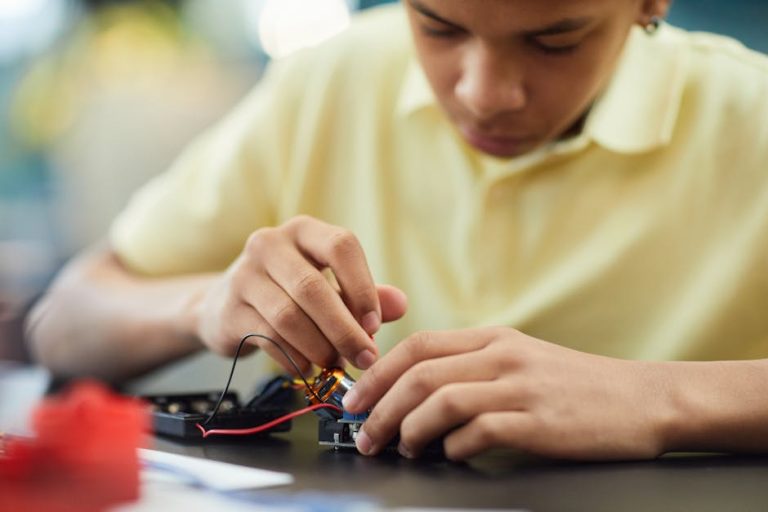
Building and testing circuits is where your hobby electronics journey truly comes alive. It’s about turning theory into reality, piece by piece, and seeing your ideas light up, buzz, or spin. This hands-on experience sharpens your skills and builds confidence as you learn to assemble components and ensure they work together flawlessly.
Step-by-step Assembly
Start by carefully reviewing your circuit diagram and gathering all the necessary components. Lay them out in an organized manner to avoid confusion. A clean workspace helps you focus and reduces mistakes.
Follow the diagram closely and place components on the breadboard or PCB one at a time. Connect wires neatly and double-check each connection against the schematic. Don’t rush—taking your time prevents errors and saves frustration later.
Use a multimeter to check for continuity before powering your circuit. This quick test can catch wiring errors early. If your circuit uses a power supply, connect it last and be ready to disconnect quickly if something sparks or heats up.
Troubleshooting Common Issues
Circuits rarely work perfectly on the first try. When your project doesn’t behave as expected, start by checking power connections and component orientations. A reversed diode or transistor is a common culprit.
Measure voltages at key points with a multimeter to find where the signal stops or changes unexpectedly. This helps isolate the problem area. Sometimes, replacing a suspect component is faster than trying to fix it.
Ask yourself: Does the circuit match the diagram exactly? Even a tiny misplaced wire can cause failure. Testing smaller sections individually can reveal faults before they affect the entire circuit.
Remember, troubleshooting is a skill you develop with each project. What’s the most challenging bug you’ve faced in your electronics work? How did you solve it?
Expanding Your Skills
Expanding your skills in hobby electronics opens many new doors. It moves you beyond simple circuits. New challenges help keep your interest alive. Learning fresh topics builds your confidence and abilities.
Start with small projects and gradually increase difficulty. Try different tools and parts to see how they work. This hands-on practice is key to understanding electronics deeply.
Microcontrollers And Programming
Microcontrollers are tiny computers inside many devices. They control lights, motors, sensors, and more. Learning to program these chips adds power to your projects.
Popular microcontrollers include Arduino and Raspberry Pi. They have many online tutorials and community support. Programming uses simple languages like C or Python.
Begin with basic code to blink an LED. Then move to reading sensors or controlling motors. This step builds useful skills that apply to many projects.
Joining Electronics Communities
Communities help you learn faster and avoid mistakes. They offer advice, share ideas, and solve problems together.
Find online forums, social media groups, or local clubs. Ask questions and show your projects. Feedback helps you improve and stay motivated.
Communities also share free resources like guides and code libraries. They connect you with people who share your interest. This support makes learning more fun and rewarding.
Frequently Asked Questions
What Basic Tools Do I Need For Hobby Electronics?
You need a soldering iron, multimeter, breadboard, jumper wires, and a power supply. These tools help you build and test circuits effectively.
How Can Beginners Start Learning Hobby Electronics?
Start with simple projects and online tutorials. Focus on understanding basic components like resistors, capacitors, and LEDs. Practice frequently for better skills.
What Are The Best Resources To Learn Electronics Online?
Websites like Adafruit, SparkFun, and YouTube channels offer tutorials. Online courses on Coursera and Udemy are also helpful for structured learning.
How Long Does It Take To Learn Hobby Electronics?
It depends on your dedication and practice time. Beginners can grasp basics in weeks but mastering complex projects takes months or years.
Conclusion
Learning hobby electronics can be fun and rewarding. Start with small projects and simple tools. Practice helps you understand how things work. Don’t be afraid to make mistakes. Each error teaches you something new. Use online resources and join communities for support.
Keep experimenting and stay curious. Step by step, your skills will grow. Enjoy the journey of discovery and creation.