How to Refine Electronic Components: Expert Tips for Precision
Are you looking to improve the quality and performance of your electronic components? Knowing how to refine electronic components can make a big difference in your projects and devices.
Whether you’re a hobbyist, engineer, or technician, refining these parts ensures they work better, last longer, and save you money in the long run. You will discover simple, effective steps to enhance your components and avoid common pitfalls. Keep reading to unlock the secrets that will take your electronics skills to the next level.
Understanding Electronic Components
Understanding electronic components is key to refining them effectively. Each component has a specific role in a circuit, and knowing what these parts do helps you identify where improvements can be made. When you grasp the basics, you gain control over the performance and reliability of your electronic projects.
Types Of Components
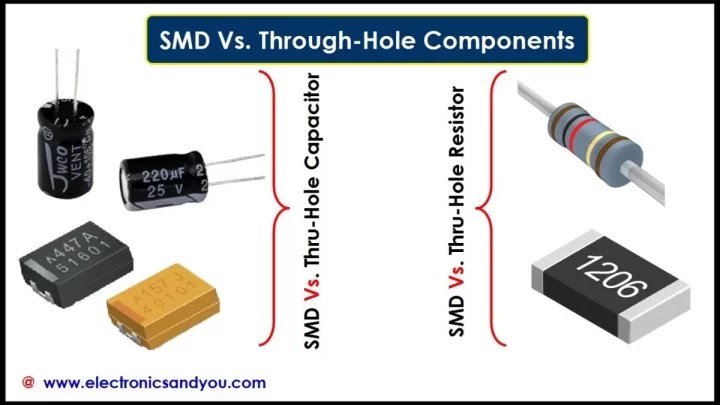
Electronic components come in various forms, each serving unique functions. You will encounter passive components like resistors, capacitors, and inductors. These control current, store energy, or filter signals without adding power to the circuit.
Active components include transistors, diodes, and integrated circuits. These parts can amplify signals or switch electrical currents. Understanding these distinctions allows you to focus your refining efforts on the right component type.
Common Materials Used
Materials influence how components perform and age. Resistors often use carbon or metal oxide, while capacitors may contain ceramic, aluminum, or tantalum. Each material has strengths and weaknesses affecting durability and conductivity.
For example, you might find that a capacitor made from ceramic handles heat better but stores less charge than a tantalum capacitor. Thinking about what materials suit your project environment can guide you in selecting or modifying components for better results.

Credit: www.youtube.com
Importance Of Precision
Precision is crucial in refining electronic components. Small errors can cause big problems in circuits. Accurate refinement ensures each part works as expected. It improves the reliability and safety of electronic devices.
Impact On Performance
Precise components deliver stable and consistent performance. They reduce electrical noise and signal loss. This leads to faster processing and better efficiency. Devices with precise parts run smoother and respond quicker.
Even tiny variations can affect the whole system. Precision controls voltage, current, and resistance accurately. This keeps devices operating within safe limits. It prevents overheating and other malfunctions.
Role In Device Longevity
Precision increases the lifespan of electronic devices. Components that fit perfectly experience less wear and tear. They avoid stress caused by poor connections or mismatched parts.
Accurate refinement helps maintain stable electrical flow. This reduces damage from power surges and spikes. Devices last longer and need fewer repairs.
In short, precision protects investments in electronics. It ensures devices stay reliable for years.
Preparation For Refinement
Preparation is key to successfully refining electronic components. Before you dive into the process, you need to gather the right tools and understand the safety measures that protect you and your workspace. Proper preparation not only makes the work smoother but also prevents costly mistakes and accidents.
Tools And Equipment Needed
Having the correct tools ready is essential for refining electronic components accurately. You will need:
- Soldering iron:A precise tool for removing or attaching components.
- Desoldering pump or wick:Helps in removing excess solder cleanly.
- Multimeter:To test circuits and components before and after refinement.
- Precision screwdrivers:For opening devices without damaging screws.
- Magnifying glass or microscope:Allows you to see small parts clearly.
- Anti-static wrist strap:Prevents damage from static electricity.
- Cleaning solvents and brushes:To remove flux and dirt from components.
Think about what specific components you’ll be working on, as some might require specialized equipment. Have everything within reach so you can focus on the task without interruption.
Safety Precautions
Safety should never be an afterthought when refining electronic components. Handling tools like soldering irons involves risks such as burns and inhalation of fumes.
Always work in a well-ventilated area to avoid breathing harmful gases. Wear safety glasses to protect your eyes from solder splashes or tiny flying parts. Using an anti-static wrist strap is crucial to prevent electrostatic discharge, which can damage sensitive electronics.
Keep a fire extinguisher nearby and never leave hot tools unattended. Do you really want to risk your safety or damage valuable components because of a simple oversight? Taking these precautions seriously will save you time, money, and potential harm.
Credit: emew.com
Techniques For Refinement
Refining electronic components ensures better performance and longer life. Proper techniques remove dirt, secure connections, and spot problems early. These steps help keep devices working smoothly and reduce failures.
Cleaning Methods
Cleaning electronic parts removes dust, grease, and corrosion. Use isopropyl alcohol and a soft brush to gently clean surfaces. Avoid water or harsh chemicals that can damage circuits. Compressed air helps clear dust from hard-to-reach spots. Regular cleaning prevents overheating and connection issues.
Soldering Tips
Soldering creates strong electrical connections between components. Use a clean, well-heated soldering iron with the right tip size. Apply solder sparingly to avoid shorts or weak joints. Hold components steady during soldering to ensure accuracy. Let the joint cool naturally for a solid bond.
Inspecting For Defects
Careful inspection finds cracks, loose parts, and burnt areas. Use a magnifying glass or microscope for detailed checks. Look for discoloration or broken wires that signal damage. Test connections with a multimeter to verify continuity. Early defect detection saves time and repair costs.
Advanced Refinement Strategies
Advanced refinement strategies enhance the quality and performance of electronic components. These methods focus on precision and customization to meet specific project needs. They help reduce errors and improve efficiency in electronic design and manufacturing.
Using Microcontrollers
Microcontrollers add intelligence to electronic components. They allow automation of processes and control of functions. Programmable features enable fine-tuning of component behavior.
Benefits include:
- Improved accuracy in signal processing
- Real-time monitoring of system status
- Flexible adjustment of parameters through software
Microcontrollers can be programmed for specific tasks. This reduces manual adjustments and increases reliability.
Customizing Circuit Boards
Custom circuit boards offer tailored solutions for electronic designs. They align perfectly with the project’s requirements and space constraints.
Customization options include:
- Optimized layout for better signal flow
- Use of specialized components to enhance performance
- Integration of multiple functions on a single board
Custom boards minimize interference and power loss. They boost overall efficiency and durability of electronic devices.
Quality Control Measures
Quality control measures are vital in refining electronic components. They ensure the parts work correctly and last long. These checks help detect flaws early, saving time and money. Maintaining high quality builds trust with customers and partners.
Testing For Reliability
Reliability tests check if components perform well under stress. These tests include:
- Thermal cycling to simulate temperature changes.
- Vibration testing to mimic real-world conditions.
- Electrical testing for consistent signal and power flow.
Components must pass these tests before moving forward. This reduces failures in final products. Reliable parts improve device safety and user satisfaction.
Ensuring Compliance With Standards
Electronic components must meet industry standards. These standards guarantee safety and compatibility. Common standards include:
- RoHS for hazardous substance restrictions.
- IPC standards for electronic assembly quality.
- ISO certifications for manufacturing processes.
Meeting standards avoids legal issues and market rejection. It also supports global sales and acceptance. Continuous audits and documentation prove compliance.
Trends In Electronic Component Refinement
The field of electronic component refinement is evolving rapidly. New trends shape how components are designed, tested, and improved. These trends aim to boost efficiency, reduce costs, and support greener practices. Staying updated with these trends helps manufacturers stay competitive and meet global demands.
Emerging Technologies
Advanced technologies now drive electronic component refinement. Automation and AI improve precision in production. Machine learning predicts defects before they occur. 3D printing allows rapid prototyping of parts. Nanotechnology enhances component performance at a tiny scale. These tools reduce errors and speed up development.
Sustainability Practices
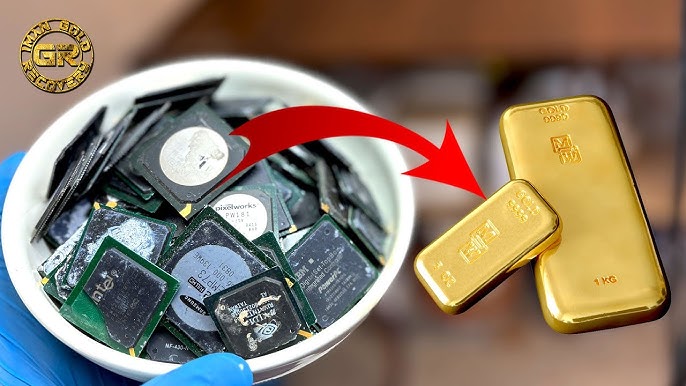
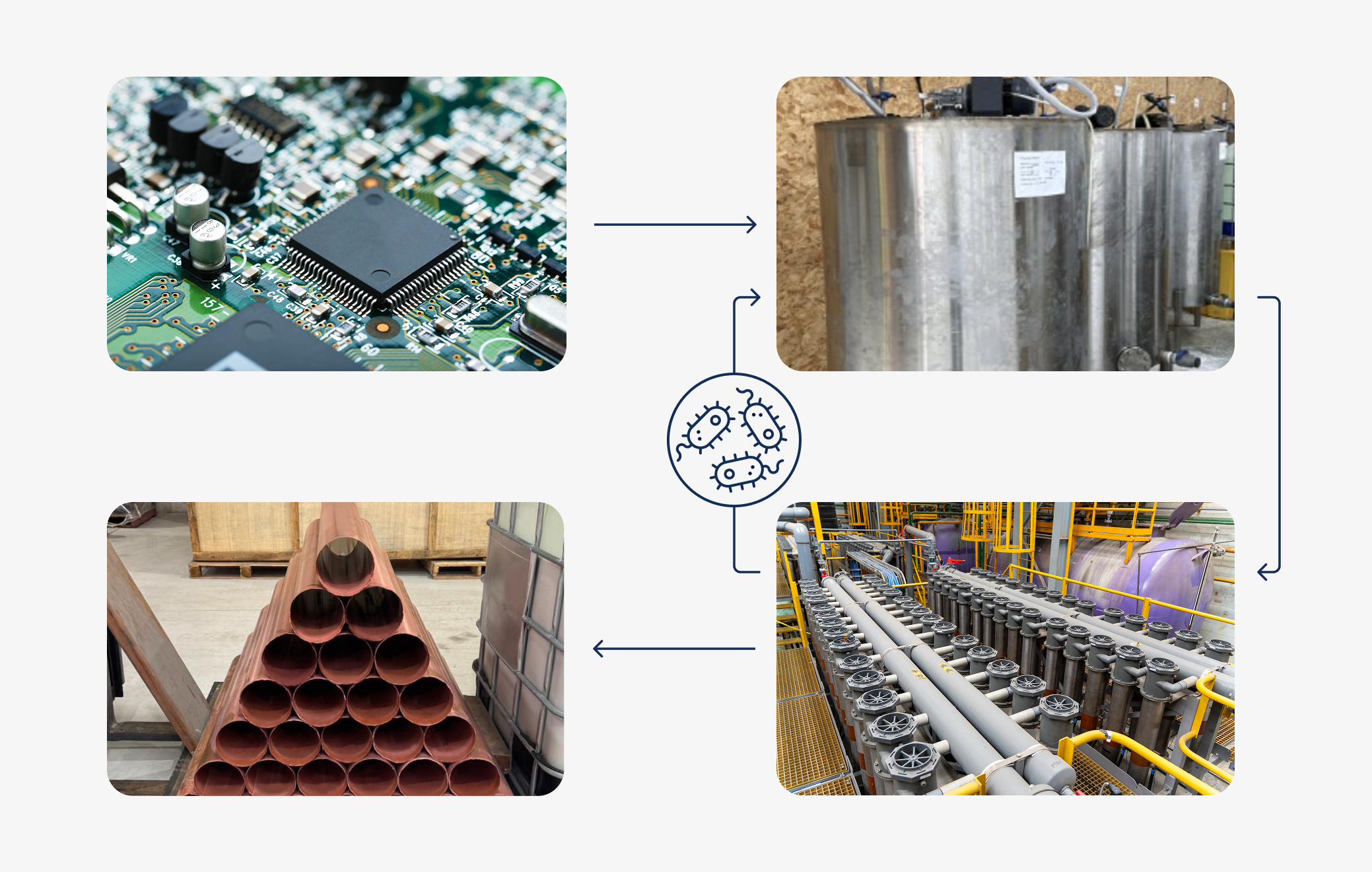
Environmental concerns push the industry toward greener methods. Recycling electronic waste recovers valuable materials. Manufacturers use less harmful chemicals in refining processes. Energy-efficient machines lower power consumption. Designing for easier disassembly supports future recycling. These steps help reduce the ecological footprint of electronics.
Credit: spacehaven.fandom.com
Frequently Asked Questions
What Are The Basic Steps To Refine Electronic Components?
Refining electronic components involves cleaning, testing, and repairing. First, remove dust and corrosion carefully. Next, test functionality with specialized tools. Finally, replace damaged parts or solder connections. This process extends component lifespan and ensures optimal performance.
Why Is Refining Electronic Components Important?
Refining improves reliability and performance of electronics. It prevents failure caused by dirt or wear. Regular refinement reduces costs by avoiding premature replacements. It also supports sustainability by enabling reuse of components.
How Can I Clean Electronic Components Safely?
Use isopropyl alcohol and a soft brush for cleaning. Avoid water or harsh chemicals that damage parts. Ensure components are powered off and disconnected before cleaning. Dry thoroughly to prevent short circuits.
What Tools Are Essential For Refining Electronics?
Key tools include multimeters, soldering irons, and cleaning brushes. Multimeters test electrical properties. Soldering irons fix connections. Brushes remove dust and debris. Proper tools ensure precise and safe refinement.
Conclusion
Refining electronic components takes care and attention to detail. Small steps make a big difference in quality and performance. Use clean tools and follow safety rules every time. Test parts often to catch problems early. Keep learning new methods to improve your skills.
Practice helps you get better and faster. Good refining leads to longer-lasting and reliable devices. Stay patient and focused throughout the process. This helps you create strong, working electronics. Success comes from steady work and smart habits.