Is Aviation Maintenance Technology a Good Career? Top Reasons Revealed
Are you considering a career that combines technology, precision, and the thrill of aviation? Aviation Maintenance Technology might be the perfect fit for you.
Imagine being the person who ensures every airplane is safe and ready to fly. This job is not just about fixing machines; it’s about keeping people safe and making air travel possible. But is it really a good career choice for your future?
Keep reading to discover what this field offers, the benefits you can expect, and whether it matches your skills and goals. Your next big career move could be just a few minutes away.
Demand For Skilled Technicians
The demand for skilled aviation maintenance technicians remains strong. Airlines and aircraft operators need professionals to keep planes safe and functional. This demand continues to grow as air travel expands worldwide.
Technicians with up-to-date knowledge and certifications have better job prospects. They play a vital role in ensuring passenger safety and aircraft reliability. The aviation industry values practical skills and technical expertise highly.
Growth In The Aviation Industry
The aviation industry is expanding rapidly. More flights require more aircraft to be maintained. This growth creates steady job openings for technicians.
New aircraft models with advanced technology also increase the need for skilled workers. Technicians must learn to handle modern systems and tools. This trend supports long-term career stability.
Retirement Of Experienced Technicians
Many experienced aviation technicians are retiring soon. This creates a gap in the workforce. Younger technicians will be needed to fill these positions.
Companies offer training and apprenticeships to attract new talent. This ensures a smooth transition and continuous maintenance quality.
Variety Of Career Opportunities
Skilled technicians can work in several areas. These include airlines, maintenance shops, and government agencies.
- Aircraft inspection and repair
- Engine maintenance
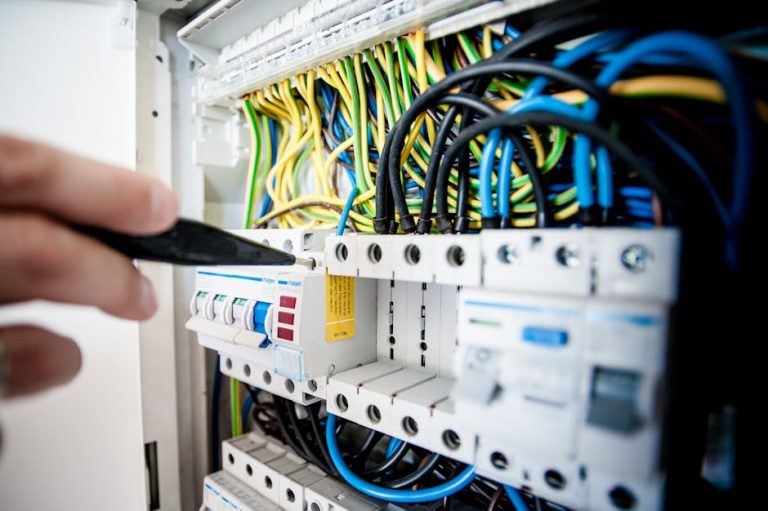
- Avionics system troubleshooting
- Quality control and safety checks
This variety allows technicians to find roles that fit their interests and skills.

Credit: aviationmaintenance.edu
Job Stability And Security
Job stability and security are crucial factors to consider when choosing a career in aviation maintenance technology. This field offers a strong sense of reliability due to the constant demand for skilled technicians. Aircraft must be maintained and repaired regularly to ensure safety, creating ongoing work opportunities.
Consistent Demand For Skilled Technicians
The aviation industry relies heavily on well-trained maintenance technicians to keep planes safe and operational. Airlines, private companies, and government agencies all need experts who can handle routine inspections and unexpected repairs.
Even during economic slowdowns, the need for maintenance doesn’t disappear because safety regulations require continuous upkeep. This demand creates a steady stream of job openings, making it easier for you to find and keep work.
Impact Of Technological Advancements
Technology in aviation is always evolving, and this can actually increase job security for maintenance technicians. New aircraft models and systems require technicians who understand the latest tools and software.
If you keep updating your skills, you become even more valuable to employers. This adaptability helps you stay ahead and avoid being replaced by automation or less skilled workers.
Opportunities In Various Sectors
Aviation maintenance skills are not limited to commercial airlines. You can work in cargo airlines, military aviation, private jets, or even aerospace manufacturing.
This variety broadens your job options and reduces the risk of unemployment. If one sector faces challenges, you can shift to another without starting over.
Regulatory Requirements And Certifications
Strict government regulations require technicians to have specific certifications and adhere to safety standards. This creates a professional environment where only qualified individuals are hired and retained.
Maintaining certifications and continuing education strengthens your position in the job market. It shows employers that you are serious and committed to your career.
Personal Insight: Why I Chose Aviation Maintenance
When I started in aviation maintenance, I was drawn by the promise of steady work. Over the years, I saw firsthand how airlines never stop needing skilled technicians.
Even during tough times, my ability to learn new systems kept me employed. This experience taught me that job security in this field comes from dedication and continuous learning.
Are you ready to commit to growing your skills and seizing the opportunities that aviation maintenance technology offers?
Competitive Salaries
Aviation Maintenance Technology offers competitive salaries that attract many job seekers. The pay reflects the skill and responsibility required to keep aircraft safe. Salary levels vary by location, experience, and employer type.
Technicians often earn more than workers in other technical fields. Employers value the precision and knowledge needed in this career. This demand helps maintain strong salary offers across the industry.
Average Salary Range For Aviation Maintenance Technicians
Entry-level technicians earn a solid starting wage. With experience, salaries increase steadily. Senior technicians and supervisors earn the highest pay.
| Experience Level | Average Annual Salary (USD) |
|---|---|
| Entry-Level (0-2 years) | $40,000 – $50,000 |
| Mid-Level (3-7 years) | $55,000 – $70,000 |
| Senior-Level (8+ years) | $75,000 – $90,000+ |
Factors Influencing Salary Growth
- Certifications and licenses
- Specialized skills and training
- Type of aircraft serviced
- Geographic location
- Type of employer (commercial, military, private)
Benefits Beyond Base Salary
Many employers offer benefits that add value to the total package. These include health insurance, retirement plans, and paid time off. Some companies provide bonuses for overtime and safety records.
Opportunities For Advancement
The field of aviation maintenance technology offers clear paths for growth that can turn your job into a rewarding career. Advancement opportunities often depend on your skills, certifications, and willingness to take on new challenges. Understanding these options can help you plan your future and aim higher.
Increasing Certifications And Specializations
Adding certifications like the FAA Airframe and Powerplant (A&P) license can boost your expertise and job prospects. Specializing in areas such as avionics or turbine engines opens doors to higher-paying roles. These credentials show employers you’re serious about your craft and ready for more responsibility.
Moving Into Supervisory Roles
As you gain experience, you might become a lead technician or maintenance supervisor. These positions allow you to guide teams and manage projects, which can be more fulfilling and financially rewarding. If you enjoy mentoring others and organizing work, this could be a natural step for your career.
Transitioning To Quality Control And Safety Positions
Quality control and safety inspectors play a critical role in aviation maintenance. Moving into these roles means ensuring compliance with regulations and improving maintenance standards. If you have an eye for detail and care about safety, this path lets you impact the entire operation.
Exploring Opportunities In Aviation Management
Some technicians move beyond hands-on work to take on management roles within airlines or maintenance companies. These jobs involve budgeting, scheduling, and strategic planning. If you’re interested in leadership and business aspects, this shift could expand your career options significantly.
Starting Your Own Maintenance Business
With enough experience and industry knowledge, you might consider starting your own aviation maintenance service. This path requires business skills and networking but offers independence and higher earning potential. Have you thought about what it would take to run your own shop?
Each of these paths requires different commitments, but they all share one thing: your willingness to grow. What steps are you ready to take to advance in aviation maintenance technology?
Diverse Work Environments
Aviation Maintenance Technology offers a variety of work environments that keep the career dynamic and interesting. You won’t be stuck in a single setting; instead, you could find yourself working in hangars, airports, or even on aircraft carriers. This diversity helps you build a broad skill set and keeps daily tasks fresh and challenging.
Hangars And Maintenance Facilities
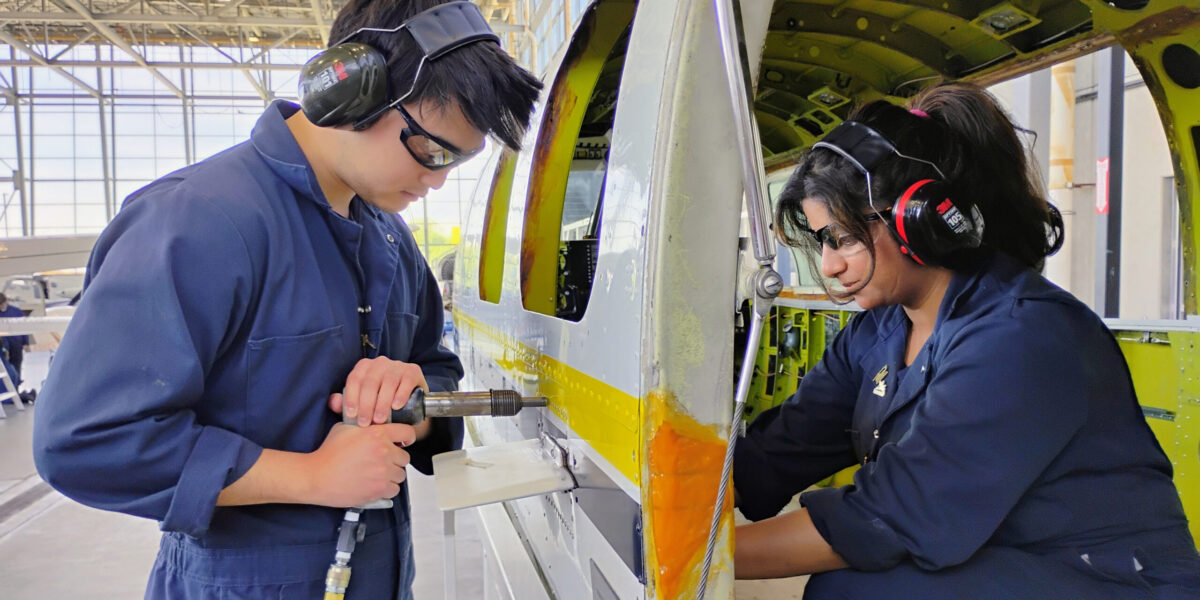
Many aviation technicians spend a lot of time in hangars, where large aircraft are parked for routine checks and repairs. These indoor spaces provide shelter from weather conditions, allowing you to focus on detailed work. In a hangar, you get hands-on experience with complex systems and advanced tools, sharpening your technical skills.
Airport Runways And Tarmacs
Working directly on runways or tarmacs means you are at the heart of aviation operations. Here, you might perform quick inspections or emergency repairs between flights. This environment requires quick thinking and adaptability, as you often work under tight time constraints.
Military And Government Settings
If you choose to work in the military or government sector, your environment could vary from airbases to naval ships. These settings often demand strict adherence to protocols and high security clearance. Your work supports critical missions, making your role essential to national safety and defense.
Remote And Field Locations
Sometimes, you may be deployed to remote locations for specialized maintenance tasks. This could mean working at small regional airports or even mobile repair units. Such experiences teach you to be resourceful and self-reliant, valuable traits in any career.
Have you considered which environment suits your personality and career goals best? The variety in settings not only challenges your technical abilities but also your adaptability and problem-solving skills.
Technological Advancements
Technological advancements shape the future of aviation maintenance technology. New tools and systems make work more precise and faster. This progress creates exciting opportunities for those in the field.
Technology simplifies complex tasks and reduces human errors. It also improves aircraft safety and performance. Staying updated with these changes is vital for a successful career.
Enhanced Diagnostic Tools
Modern diagnostic tools help technicians find problems quickly. These tools use software to analyze aircraft systems in real time. Early detection of issues saves time and reduces repair costs.
Use Of Automation And Robotics
Automation handles repetitive tasks and heavy lifting. Robotics assists in inspections and repairs in hard-to-reach areas. These technologies improve efficiency and worker safety.
Digital Record Keeping And Management
Digital systems replace paper logs and manual records. They store maintenance history, schedules, and compliance data. Easy access to information helps maintain aircraft better and faster.
Advanced Training Simulators
Simulators provide hands-on experience without risking real aircraft. They mimic real-life scenarios for training technicians. This method enhances skills and confidence before actual work.
Global Career Prospects
Aviation Maintenance Technology offers wide global career prospects. The aviation industry spans every continent. Skilled technicians are needed worldwide to maintain aircraft safety and performance.
The demand for qualified aviation maintenance professionals grows with expanding air travel. Many countries invest heavily in airport and airline infrastructure. This creates job opportunities in diverse locations.
Job Opportunities Across Continents
Technicians find work in North America, Europe, Asia, and beyond. Each region has unique aviation hubs needing maintenance experts. Airlines, airports, and private companies all hire skilled staff.
Work Environment Variety
Jobs vary from busy international airports to small regional airfields. Some technicians work on commercial jets, others on cargo planes or private aircraft. This variety helps match skills to interests.
Potential For International Travel
Many maintenance roles involve travel to different countries. Technicians may perform inspections or repairs abroad. This adds an exciting element to the job for those who enjoy new places.
Certification Recognition Worldwide
Licenses from recognized aviation authorities often transfer between countries. This makes it easier to work internationally. Continuous training keeps skills up to date and valid globally.
Essential Skills And Training
Aviation Maintenance Technology demands a unique mix of skills and training. These are vital for safety and efficiency in aircraft care. Professionals in this field must be precise, knowledgeable, and quick problem solvers.
Training programs offer hands-on experience and technical knowledge. They prepare students for real-world challenges. The right skills and training help maintain aircraft integrity and passenger safety.
Technical Knowledge And Mechanical Skills
Understanding aircraft systems is crucial. This includes engines, electronics, and hydraulics. Strong mechanical skills allow technicians to fix and maintain parts correctly. Learning to read blueprints and manuals is also necessary.
Attention To Detail And Safety Awareness
Small errors can cause big problems in aviation. Technicians must follow strict safety rules. Checking every detail prevents accidents. Safety awareness protects both crew and passengers.
Hands-on Training And Certification
Practical training is key to mastering aviation maintenance. Students use real tools and equipment. Certification from recognized bodies validates skills. It opens doors to better job opportunities.
Problem-solving And Critical Thinking
Unexpected issues arise during aircraft maintenance. Quick thinking helps find solutions fast. Technicians analyze problems and fix them safely. These skills improve work quality and reliability.
Communication And Teamwork
Technicians work with pilots, engineers, and inspectors. Clear communication ensures tasks are done right. Teamwork speeds up maintenance and enhances safety. Good listeners and communicators succeed in this field.
Work-life Balance Considerations
Work-life balance is a key factor to consider when deciding if aviation maintenance technology is the right career for you. This field often demands irregular hours and urgent problem-solving, which can impact your personal time. Understanding what to expect can help you make a choice that fits your lifestyle.
Shift Patterns And Their Impact On Daily Life
Aviation maintenance technicians frequently work in shifts that cover 24/7 airline operations. You might find yourself working nights, weekends, or holidays to keep flights safe and on schedule.
This can disrupt your usual routines and social plans. Yet, some appreciate the flexibility of non-traditional hours, which can free up daytime for personal activities.
Stress Levels And Managing Unexpected Repairs
Unexpected maintenance issues can cause last-minute schedule changes. Handling these urgent repairs requires quick thinking and can elevate stress levels.
Learning to manage this pressure effectively is essential. Many technicians find that developing strong problem-solving skills and a calm mindset helps maintain their work-life balance.
Opportunities For Time Off And Vacation
Despite irregular hours, many employers offer generous vacation time to compensate. This can allow you to recharge and spend quality time with family and friends.
Planning your time off around busy periods is crucial. Have you thought about how you would coordinate your work schedule with your personal commitments?
Support Systems And Workplace Culture
A supportive team and understanding supervisors can make a big difference in balancing work and life demands. Open communication about your needs often leads to better scheduling and reduced burnout.
Do you feel comfortable discussing your work-life balance with your employer? Building a positive workplace culture is key to long-term satisfaction in this career.
Credit: www.bcit.ca

Credit: avitrader.com
Frequently Asked Questions
What Skills Are Needed For Aviation Maintenance Technology?
Aviation maintenance requires technical knowledge, problem-solving, attention to detail, and manual dexterity. Strong communication and safety awareness are also essential. These skills ensure aircraft are serviced correctly and safely.
How Much Can Aviation Maintenance Technicians Earn?
Aviation maintenance technicians earn between $45,000 and $75,000 annually on average. Experienced professionals and those in specialized roles may earn higher salaries. Pay varies by location and employer.
Is Aviation Maintenance Technology A Stable Career Choice?
Yes, aviation maintenance offers job stability due to constant aircraft demand. Airlines, private companies, and government agencies require skilled technicians to ensure safe operations.
What Education Is Needed For Aviation Maintenance Technology?
A certificate or associate degree in aviation maintenance technology is typically required. FAA certification is also necessary for licensed aircraft maintenance technicians.
Conclusion
Aviation maintenance technology offers steady job opportunities and good pay. The work keeps planes safe and helps flights run on time. It needs strong skills and careful attention to detail. You can grow and learn new things in this field.
For those who enjoy hands-on work and problem-solving, it fits well. It can be a rewarding career with real impact. Think about what matters to you before choosing this path. This job suits those who want to keep the skies safe.