Which Type of Maintenance Boosts System Enhancements?
When you rely on an operational system, keeping it running smoothly is just the beginning. But what if you want your system to do more?
What if you need it to grow and improve over time? That’s where a special type of maintenance comes in—one that doesn’t just fix problems but adds real value. You might wonder, which type of maintenance actually brings these enhancements to your system?
Stick with me, and you’ll discover the answer that can transform how you manage and improve your technology. This insight could change the way you think about system maintenance forever.
Types Of Maintenance
Maintenance is essential to keep systems running smoothly and efficiently. It covers different types of work done on software or hardware after deployment. Understanding these types helps in managing system health and improvements effectively.
Each maintenance type serves a unique purpose. Some fix issues, others prevent problems. Certain types adapt the system to new environments. Another type focuses on improving system features and performance.
Corrective Maintenance
This type of maintenance fixes errors or bugs found in the system. It restores the system to its normal function. Corrective maintenance reacts to problems reported by users or detected by monitoring tools. The goal is to resolve issues quickly to reduce downtime.
Preventive Maintenance
Preventive maintenance stops problems before they happen. It includes regular checks, updates, and cleaning tasks. This type reduces the chance of system failure. It helps extend the life of hardware and software components. Scheduled maintenance activities keep systems stable and reliable.
Adaptive Maintenance
Adaptive maintenance changes the system to fit new conditions. It involves updating software to work with new hardware, operating systems, or regulations. This type ensures the system stays useful as the environment changes. It keeps the system compatible with external systems and technologies.
Perfective Maintenance
Perfective maintenance adds enhancements to improve system performance or features. It focuses on user requests and new requirements. This type of maintenance makes the system more efficient and easier to use. It often includes adding new functions or refining existing ones. Perfective maintenance keeps the system relevant and competitive.
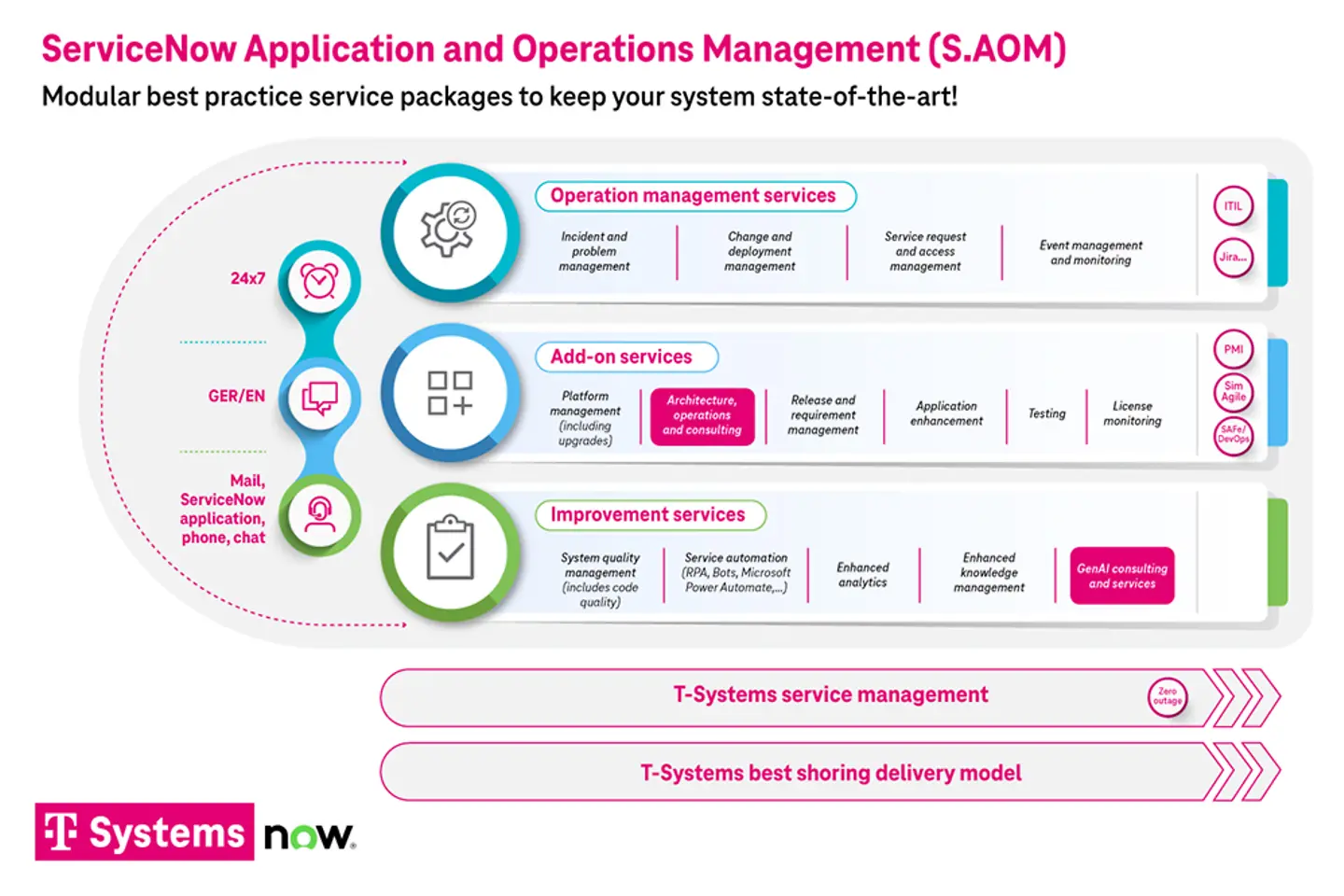
Credit: www.t-systems.com
Impact On System Enhancements
The impact on system enhancements varies depending on the type of maintenance applied. Each maintenance type plays a unique role in improving the system’s functionality, reliability, and user experience. Understanding these roles helps in choosing the right approach for system growth and optimization.
Role Of Corrective Maintenance
Corrective maintenance focuses on fixing errors and bugs in the system. It restores the system to its original working state. Although it mainly addresses problems, it indirectly supports enhancements by ensuring system stability. Without fixing issues, new features cannot work properly. This maintenance keeps the system reliable for users.
Benefits Of Preventive Maintenance
Preventive maintenance stops problems before they happen. It includes routine checks and updates to avoid failures. This type helps extend the system’s life and reduce downtime. By preventing issues, it allows smoother implementation of enhancements. Users enjoy a more stable system that supports new features better.
Adaptive Maintenance And System Growth
Adaptive maintenance changes the system to meet new requirements. It adjusts to external changes like new hardware or regulations. This maintenance type drives system growth by adding new capabilities. Adaptive updates keep the system relevant and ready for future enhancements. It ensures the system can handle evolving needs.
Perfective Maintenance For Optimization
Perfective maintenance improves system performance and usability. It fine-tunes existing features and adds new functions. This type of maintenance directly enhances the system’s efficiency and user satisfaction. Perfective updates make the system faster and easier to use. They focus on continuous improvement and optimization.
Choosing The Right Maintenance Type
Choosing the right maintenance type is key for improving operational systems effectively. Not all maintenance approaches fit every system or goal. Understanding system needs and goals helps select the right maintenance strategy. This choice influences system performance and user satisfaction.
Assessing System Needs
Analyze the current system condition carefully. Identify weaknesses and areas that need improvement. Understand user feedback and system limitations. Determine if the system requires minor fixes or new features. Pinpoint which enhancements will add real value to users. Tailor maintenance efforts to meet these specific needs.
Cost Vs. Benefit Analysis
Compare the costs involved with expected benefits. Include expenses for labor, tools, and downtime. Weigh these costs against the value of system upgrades. Consider how enhancements improve productivity or reduce errors. Choose maintenance that provides clear, measurable benefits. Avoid costly changes that offer little improvement.
Long-term Vs. Short-term Gains
Decide between quick fixes and lasting improvements. Short-term fixes may solve immediate problems fast. Long-term upgrades build stronger, more reliable systems. Evaluate the impact on future maintenance needs and costs. Prioritize changes that support system growth and stability. Balance urgent needs with strategic development goals.
Best Practices For Maintenance
Effective maintenance keeps systems running smoothly and improves their functions. It also helps avoid major breakdowns and costly repairs. Following best practices ensures maintenance adds real value to operational systems.
Maintenance teams should focus on proactive and continuous efforts. This approach supports system enhancements and stability over time.
Regular Monitoring And Updates
Track system performance daily to spot issues early. Use monitoring tools to check for errors and slowdowns. Apply updates and patches regularly to fix bugs and add new features. Staying current prevents problems and keeps systems secure.
Documentation And Feedback Loops
Keep clear records of all maintenance tasks and changes. Good documentation helps understand what works and what needs improvement. Collect user feedback to identify areas for enhancement. Use this information to guide future updates and fixes.
Training And Skill Development
Train maintenance staff on the latest tools and techniques. Skilled teams respond faster and solve problems better. Regular training builds confidence and improves system care. Encourage learning to keep up with technology changes.
Case Studies
Case studies provide clear examples of how maintenance adds enhancements to operational systems. They show real situations where specific maintenance types improve performance, reliability, and user satisfaction. These stories help understand the impact of maintenance beyond theory.
Successful Adaptive Maintenance
Adaptive maintenance changes a system to meet new needs or environments. A financial software company updated its platform for new banking regulations. This update kept the software compliant and improved user trust. The company avoided penalties and gained new clients due to timely adaptation.
Another example is a mobile app that added features for new devices. The app stayed relevant and increased downloads. Adaptive maintenance helped the business stay ahead in a fast-changing market.
Preventive Maintenance In Action
Preventive maintenance stops problems before they start. A manufacturing plant used sensors to monitor machines. Early warnings allowed technicians to fix issues quickly. This approach reduced downtime by 30% and saved costs.
In another case, a website regularly updated its security systems. These updates prevented many cyber-attacks. Users felt safer, and the website maintained a good reputation.
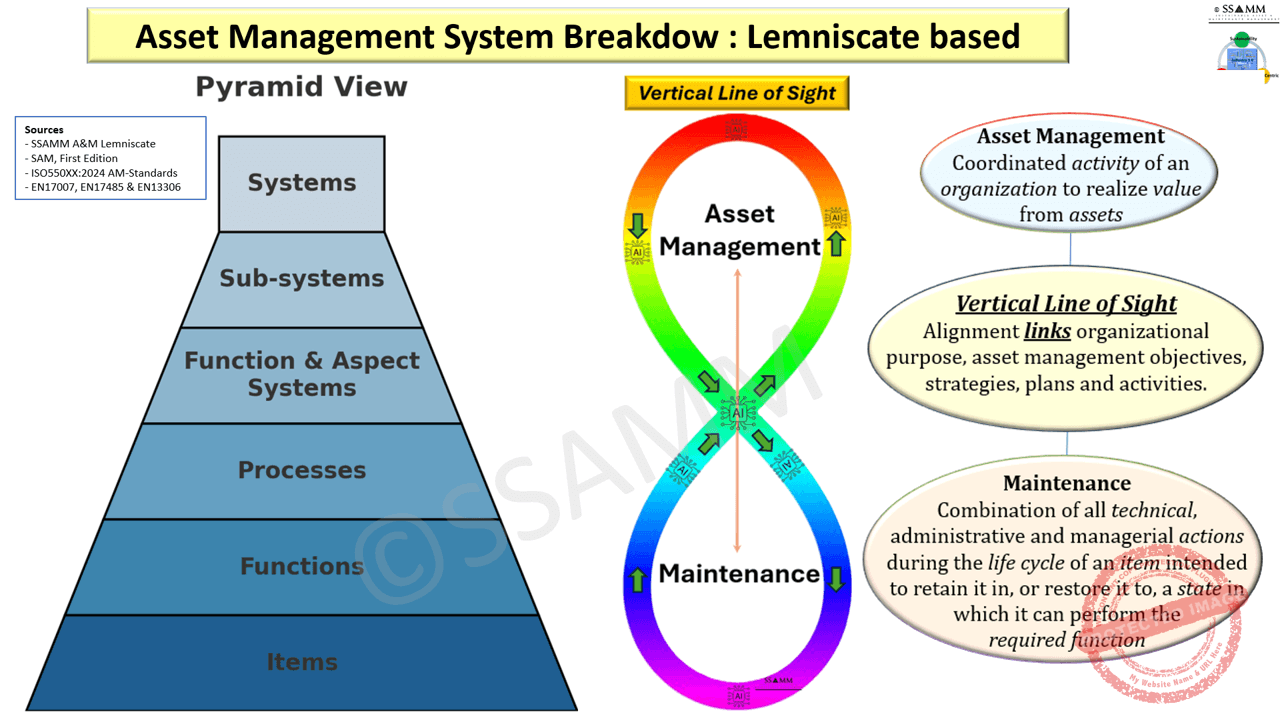
Credit: ssammeducation.com
Credit: anjireddy-kata.medium.com
Frequently Asked Questions
What Maintenance Type Adds New Features To Systems?
Enhancement maintenance adds new features or improves system functionality. It focuses on increasing system value and user satisfaction without fixing errors.
How Does Enhancement Maintenance Differ From Corrective Maintenance?
Enhancement maintenance adds features or optimizes performance. Corrective maintenance fixes bugs or errors found in the system after deployment.
Why Is Enhancement Maintenance Important For Operational Systems?
Enhancement maintenance keeps systems updated and competitive. It ensures systems adapt to changing user needs and technology trends, improving long-term usability.
Can Enhancement Maintenance Improve System Performance?
Yes, enhancement maintenance can optimize system speed, usability, and functionality. It upgrades components to meet evolving business requirements efficiently.
Conclusion
Enhancement maintenance improves system features and performance. It adds new functions to meet user needs. This type helps keep software current and useful. Regular updates prevent the system from becoming outdated. Teams should plan enhancements carefully to avoid issues. Enhancements make systems better without breaking them.
Choose enhancement maintenance to grow your system smartly.