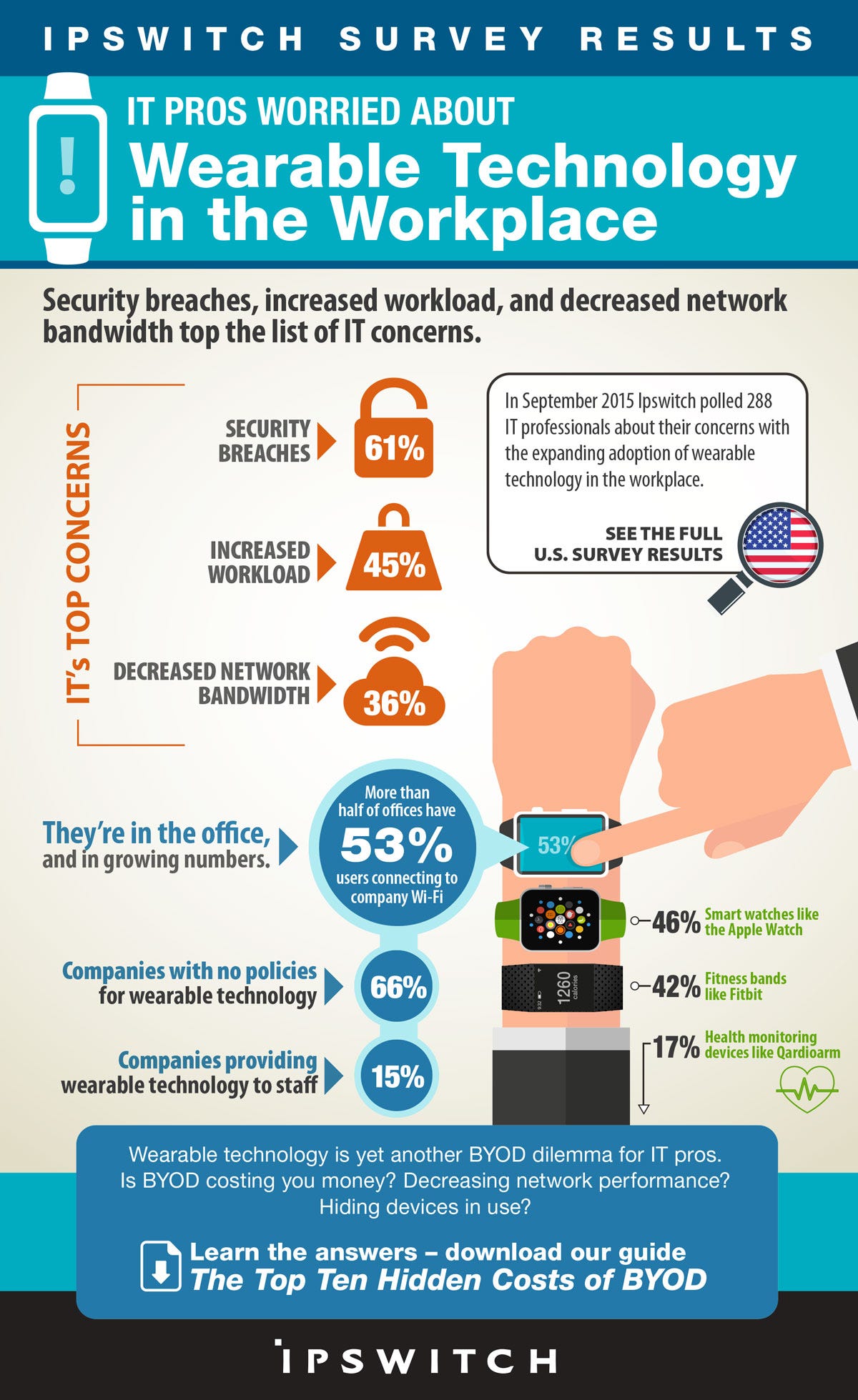
What are the Pros And Cons of Wearable Technology: Key Insights
Are you curious about the gadgets you wear every day? Wearable technology is all around us, from smartwatches counting your steps to fitness trackers monitoring your heart rate.
But how do these devices really impact your life? Are they truly beneficial, or do they come with hidden drawbacks? We’ll dive into the world of wearable technology to uncover both the advantages and potential downsides. Whether you’re a tech enthusiast or just considering your first wearable, understanding the full picture can help you make informed choices.
Stick with us to explore how wearables could revolutionize your daily routine or possibly complicate it. Your decision might just surprise you!
Credit: medium.com
Benefits Of Wearable Technology
Wearable technology offers many benefits that improve daily life. These devices provide easy access to useful information. They help users stay active, connected, and safe. Wearables also adapt to personal needs, making technology more user-friendly.
Health Monitoring And Fitness Tracking
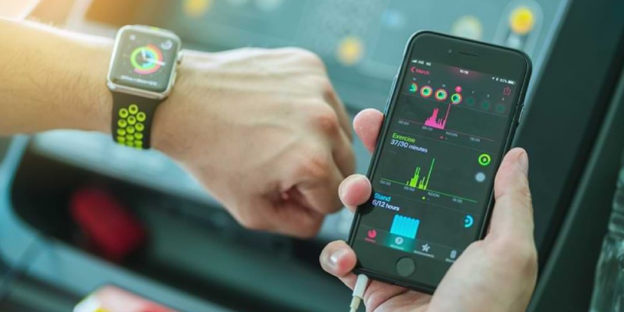
Wearables track heart rate, steps, and sleep patterns. They help users set and reach fitness goals. These devices provide real-time health data for better awareness. Some can detect irregular health signs early. This allows users to take quick action.
Enhanced Connectivity And Convenience
Wearable devices keep users connected without holding a phone. Notifications, calls, and messages appear on the wrist. This saves time and keeps users informed. Voice commands and quick replies make communication easier. Wearables also help control smart home devices.
Improved Safety And Emergency Response
Many wearables include safety features like fall detection. They can send alerts during emergencies to contacts. GPS tracking helps locate users in danger. Some devices offer SOS buttons for instant help. These features increase user safety and peace of mind.
Personalized User Experience
Wearables learn user habits and preferences over time. They offer customized recommendations for health and fitness. Users receive alerts tailored to their lifestyle. Settings can be adjusted for comfort and ease. This personalization enhances the overall user experience.

Credit: medium.com
Drawbacks Of Wearable Technology
Wearable technology offers many benefits but also comes with some drawbacks. These devices can affect privacy, require constant charging, and may not be affordable for everyone. Understanding these issues helps users make better choices.
Privacy And Security Concerns
Wearables collect a lot of personal data. This data can include location, health stats, and daily habits. If hacked, this information can be misused. Many devices lack strong security features. Users risk data theft and privacy breaches.
Battery Life And Maintenance Issues
Wearable devices need frequent charging. Short battery life can disrupt their use. Users must remember to charge them daily. Some devices require software updates to work well. Poor maintenance can cause device failure.
Cost And Accessibility
High prices limit access to wearables. Not everyone can afford the latest models. Some devices need smartphones or internet to work. This limits use for people in remote areas. Lower-cost options may lack key features.
Potential Health Risks
Wearing devices for long hours may cause skin irritation. Some users report discomfort or allergic reactions. Radiation concerns exist, though studies are not conclusive. Over-reliance on wearables may reduce natural body awareness.
Impact On Daily Life
Wearable technology has woven itself into the fabric of everyday life, altering how we interact, work, and manage our routines. Its impact is profound but not always straightforward. Understanding how these devices shape daily experiences helps you decide if they’re a fit for your lifestyle.
Workplace Efficiency
Wearables can boost your productivity by keeping essential data and notifications right on your wrist. Imagine receiving meeting reminders or quick email alerts without pulling out your phone—this can save time and reduce distractions.
However, constant notifications may interrupt deep focus. Have you noticed how a buzz or beep can pull you away from complex tasks? Balancing connectivity with concentration is key to using wearables effectively at work.
Social Interactions
These devices can make staying connected easier, especially with features like quick replies and health sharing with friends and family. They encourage a sense of community through shared fitness goals or group challenges.
On the flip side, wearables might create a barrier in face-to-face conversations. When your attention splits between a device and a person, meaningful connection can suffer. How often do you catch yourself glancing at your watch mid-chat?
Lifestyle Changes
Wearables motivate healthier habits by tracking steps, sleep, and heart rate, nudging you toward better choices. They bring awareness to your daily patterns, helping you set and achieve personal goals.
Yet, reliance on data can sometimes lead to stress or obsession over numbers. Not every day will be a record-breaker, and that’s okay. How do you keep technology from dictating your mood or self-worth?
Future Trends In Wearables
Wearable technology is evolving rapidly, shaping the way you interact with the digital world daily. Understanding future trends helps you make smarter choices about which devices to use and how they can improve your life. Let’s look at what’s coming next and how it might affect you.
Advancements In Technology
Wearables will become smaller, lighter, and more powerful. Expect longer battery life and faster processors that handle complex tasks without lag. Sensors will grow more accurate, measuring everything from heart rate to blood sugar levels with ease.
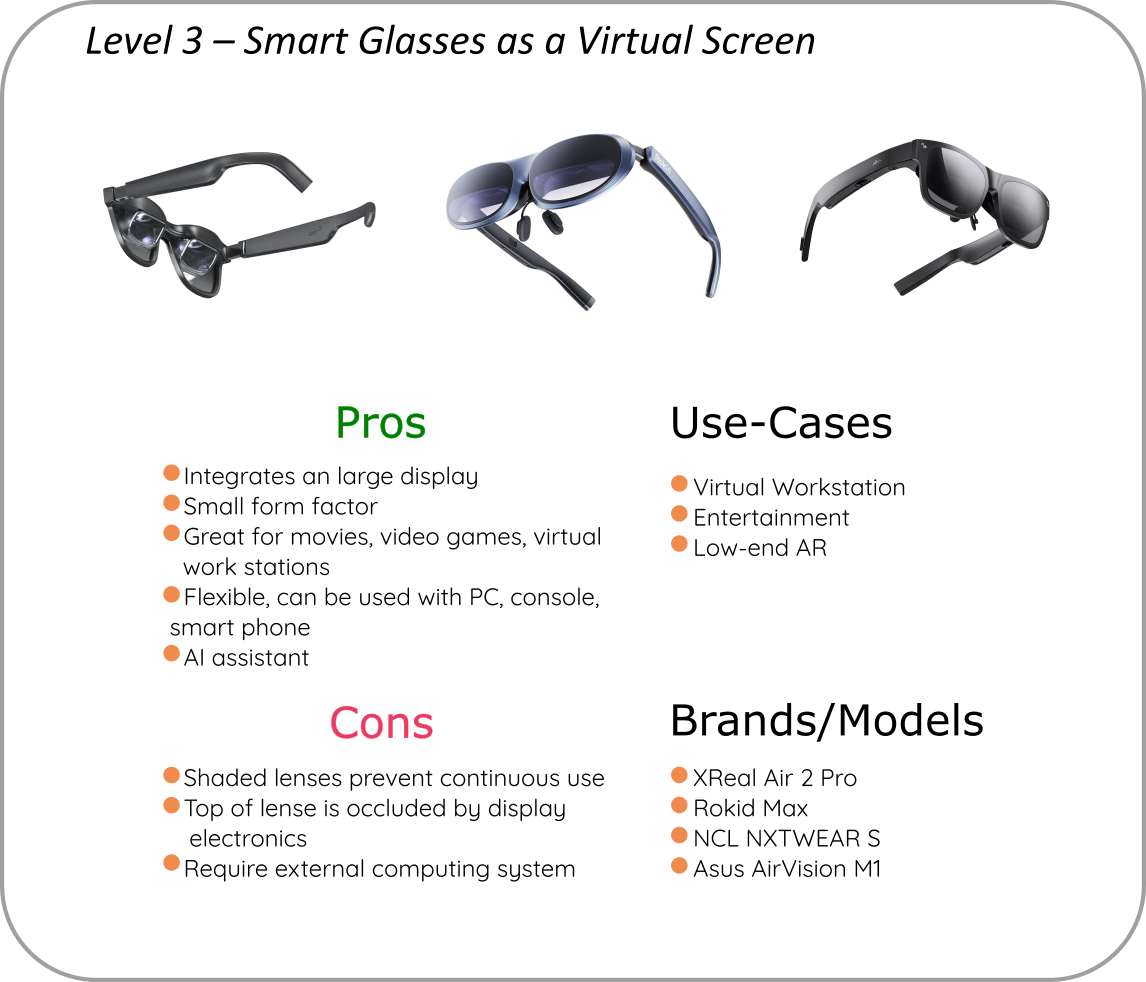
Imagine a watch that predicts health issues before symptoms appear or glasses that adjust their tint based on light. These advancements will make wearables not just gadgets but essential health and lifestyle tools.
Integration With Other Devices
Your wearable won’t work alone anymore. It will connect seamlessly with smartphones, smart home devices, and even your car. This integration means you can control your environment, monitor your health, and stay connected without switching devices.
Picture this: your fitness tracker signals your smart thermostat to adjust the temperature as you start your workout. This kind of synergy will save you time and energy every day.
Emerging Applications
Wearables will expand beyond fitness and health into new areas like mental wellness, augmented reality, and workplace safety. Apps that monitor stress levels or provide real-time language translation will become common.
Consider how a wearable could alert you when you’re too stressed or help you communicate in a foreign language instantly. These uses will make wearables more valuable and practical in everyday life.
What new feature would you want in your next wearable? How could it change the way you live or work?
Credit: medium.com
Frequently Asked Questions
What Are The Main Benefits Of Wearable Technology?
Wearable technology offers convenience, real-time health tracking, and improved fitness monitoring. It enhances productivity and supports hands-free communication. Users gain valuable data for better lifestyle choices, promoting overall well-being and efficiency in daily tasks.
What Are The Common Drawbacks Of Wearable Technology?
Common drawbacks include privacy concerns, limited battery life, and potential data inaccuracies. Wearables may also cause discomfort or distraction. Users should weigh these issues against benefits before adopting such technology.
How Does Wearable Technology Impact Health Monitoring?
Wearables provide continuous health data, such as heart rate and sleep patterns. This helps users detect abnormalities early and maintain healthier habits. However, they should not replace professional medical advice.
Can Wearable Technology Improve Fitness Goals Effectively?
Yes, wearables track activity levels, calories burned, and workout progress. This real-time feedback motivates users to stay active and reach fitness targets efficiently. Consistent use often leads to better results.
Conclusion
Wearable technology offers many benefits like health tracking and convenience. It helps users stay active and connected throughout the day. Yet, some devices can be costly and may raise privacy worries. Battery life and data accuracy also vary between brands.
Choosing the right wearable depends on your needs and budget. Balance the pros and cons before making a decision. Wearable tech can improve life but also has limits. Use it wisely for the best experience.