How Doe Medical Wearable Technology Operates: Revolutionizing Health Monitoring
Imagine having a personal health assistant with you at all times, tucked right into your clothing or accessories. That’s exactly what medical wearable technology offers.
These smart devices, from fitness trackers to advanced health monitors, are transforming how you manage your well-being. You’re probably wondering how these tiny gadgets can track everything from your heart rate to your sleep patterns. It’s fascinating, right? This article will unravel the mysteries behind how medical wearable technology operates.
By understanding the inner workings, you’ll discover how these devices not only empower you to stay healthy but also revolutionize healthcare as a whole. Dive in to learn more about how these wearables can make a significant impact on your daily life.
Types Of Medical Wearables
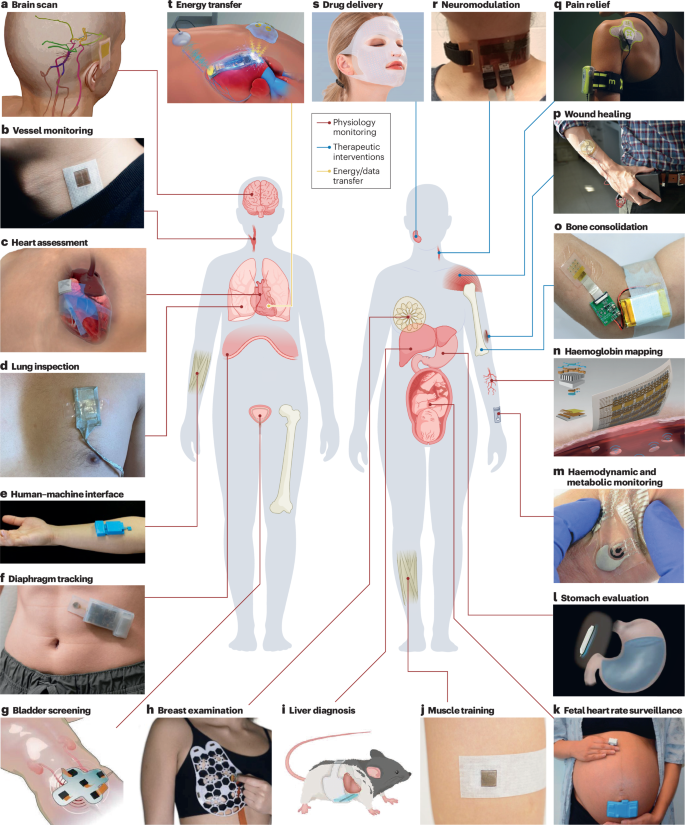
Medical wearable technology comes in various forms, each designed to track and monitor different aspects of your health. These devices collect real-time data that can help you and your healthcare provider make informed decisions. Understanding the types of medical wearables can help you choose the right one for your specific needs.
Fitness Trackers
Fitness trackers are popular devices that monitor your daily activity levels, including steps taken, calories burned, and heart rate. They encourage you to stay active by setting goals and providing feedback on your progress. Many people find these devices helpful for maintaining motivation during workouts or simply moving more throughout the day.
Smartwatches
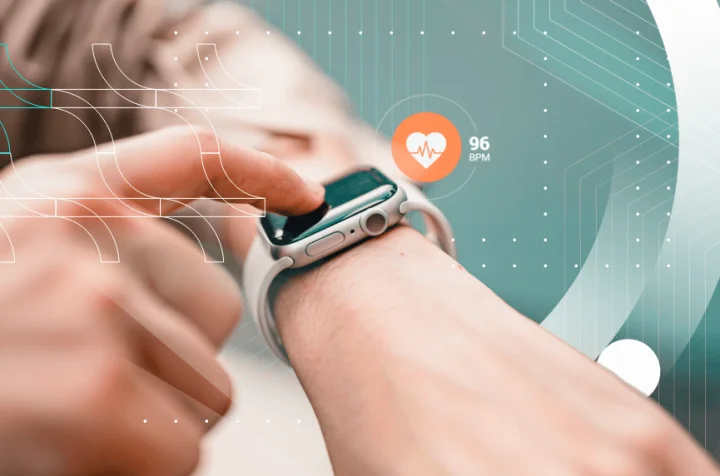
Smartwatches combine the features of fitness trackers with additional health monitoring tools and smartphone connectivity. Beyond tracking your activity, they can monitor sleep quality, stress levels, and even detect irregular heart rhythms. If you want a versatile device that keeps you connected while supporting your health, a smartwatch might be the best fit.
Wearable Ecg Monitors
Wearable ECG monitors provide detailed insights into your heart’s electrical activity. These devices are especially useful for people with heart conditions or those who need continuous monitoring after surgery. Unlike basic heart rate monitors, wearable ECGs can detect arrhythmias and other abnormalities, helping your doctor catch issues early.
Continuous Glucose Monitors
Continuous glucose monitors (CGMs) are essential for people managing diabetes. These small sensors measure your blood sugar levels throughout the day and night, reducing the need for finger-prick tests. CGMs provide alerts when your glucose levels go too high or too low, allowing you to take action before problems arise.
Credit: www.nature.com
Core Components Of Wearable Devices
Understanding the core components of wearable medical devices helps you appreciate how these gadgets provide real-time health insights. Each part plays a crucial role in capturing, processing, and transmitting your health data seamlessly. Let’s break down these elements to see how they work together to keep you informed and connected.
Sensors And Data Collection
Sensors are the frontline heroes in medical wearables. They detect vital signs like heart rate, blood oxygen, and movement with precision.
Think about how your smartwatch measures your pulse during a workout. It uses optical sensors that shine light through your skin to gauge blood flow.
Different sensors target different health metrics, such as accelerometers for activity tracking or temperature sensors for fever detection. What health data would you find most useful to monitor daily?
Processing Units
The processing unit acts like the brain of the device. It takes raw sensor data and converts it into meaningful information you can understand.
These microprocessors run algorithms to filter noise and analyze patterns, turning numbers into actionable health insights.
Without this component, your wearable would just collect random data with no clear purpose. How do you think faster processors could improve your device’s accuracy?
Power Sources
Wearable devices need reliable power to function throughout your day. Most rely on rechargeable batteries designed to last for hours or even days.
Battery life affects how often you need to charge your device, influencing your overall user experience.
Some newer models use energy-efficient components or even solar cells to extend battery life. Would longer battery life change how often you wear your device?
Communication Modules
Communication modules keep your device connected to your smartphone or cloud services.
Common technologies include Bluetooth and Wi-Fi, which send your health data securely in real time.
This connection allows you and your healthcare providers to monitor your health remotely. Imagine how instant data sharing can make a difference during emergencies or routine check-ups.
Data Transmission And Connectivity
Data transmission and connectivity are essential for medical wearable technology. These devices collect important health data and send it to other devices or systems. Fast and secure connections ensure real-time monitoring and accurate information sharing. Various technologies enable this smooth flow of data.
Bluetooth And Wi-fi
Bluetooth is common in medical wearables for short-distance data transfer. It connects devices like smartphones and tablets to wearables easily. Bluetooth uses low energy, saving battery life. Wi-Fi supports longer-range communication and higher data speeds. It allows wearables to send data directly to home networks. Both help keep devices linked without wires.
Cellular Networks
Cellular networks provide wide coverage for medical wearables outside home or office. Devices use 4G or 5G connections to send health data securely. This technology is vital for patients needing continuous monitoring on the move. Cellular connections work even in remote areas with good signal. They ensure data reaches doctors and caregivers quickly.
Cloud Integration
Cloud integration stores and manages data from medical wearables safely online. Health information uploads to cloud servers for easy access by medical teams. Cloud systems enable real-time data analysis and alerts for urgent health issues. They support data backup and sharing across devices and locations. Cloud services improve the overall efficiency of wearable health monitoring.
Health Metrics Monitored
Medical wearable technology tracks a variety of health metrics to give you real-time insights into your body’s condition. These devices collect data continuously, allowing you to notice patterns and make informed decisions about your well-being. Understanding what these metrics mean can help you take control of your health daily.
Heart Rate And Rhythm
Your heart rate is one of the most basic yet vital signs monitored by wearable devices. It measures how many times your heart beats per minute, helping you understand your fitness level and stress. Some advanced wearables also track heart rhythm, detecting irregularities like arrhythmias, which can be early signs of heart problems.
Have you ever noticed your heart racing during a stressful moment? Wearables can alert you to unusual changes, prompting you to seek medical advice before symptoms worsen.
Blood Oxygen Levels
Blood oxygen saturation shows how well your lungs deliver oxygen to your blood. Wearables use sensors to estimate this level, providing important data especially for people with respiratory issues. Monitoring oxygen levels can help you catch potential breathing problems early, even before you feel symptoms.
This feature became particularly valuable during the COVID-19 pandemic, as it helped many track their lung health without frequent doctor visits.
Activity And Sleep Patterns
Tracking your daily activity—like steps taken, calories burned, and exercise intensity—helps you stay motivated and set realistic health goals. Wearables also analyze your sleep cycles, revealing how well you rest each night.
Improving your sleep can lead to better energy and mood, but many don’t realize how fragmented sleep affects their days. Have you checked your sleep data recently? It might surprise you.
Blood Glucose Monitoring
Some advanced wearables now offer continuous blood glucose monitoring, crucial for people managing diabetes. Instead of finger-prick tests, these devices provide real-time glucose readings through sensors placed on the skin.
Keeping track of blood sugar fluctuations helps you adjust diet and medication promptly, reducing the risk of dangerous highs and lows. Could this technology change how you handle diabetes management?
Benefits For Patients And Providers
Medical wearable technology offers clear benefits for both patients and healthcare providers. It transforms how health data is collected and shared, creating a more connected and responsive care environment. You get faster access to vital information, while providers can make better-informed decisions.
Real-time Monitoring
Wearable devices track your vital signs continuously, sending updates instantly to your healthcare team. This means any changes in your condition are noticed right away, allowing for quick responses. Imagine catching a heart irregularity early during your daily activities instead of waiting for a scheduled checkup.
Early Detection Of Conditions
By analyzing patterns and trends in your health data, wearables can spot warning signs before symptoms appear. This early detection can prevent complications and reduce hospital visits. Have you considered how spotting issues early could change the course of your treatment?
Personalized Health Insights
Wearable tech collects detailed information tailored specifically to your body and lifestyle. This helps create personalized health recommendations rather than one-size-fits-all advice. You receive insights that fit your unique needs, making it easier to manage your health daily.
Remote Patient Management
Providers can monitor you without the need for frequent in-person visits, which saves time for both parties. This is especially helpful for people with chronic conditions who require constant supervision. Wouldn’t you appreciate managing your health from the comfort of your home?
Credit: www.bgosoftware.com
Challenges And Limitations
Medical wearable technology faces several challenges and limitations that affect its effectiveness and user experience. These obstacles influence the design, functionality, and adoption of wearable devices. Understanding these issues helps improve future developments and user trust.
Data Privacy And Security
Protecting user data is critical for medical wearables. Devices collect sensitive health information that must remain confidential. Weak security can lead to data breaches and misuse.
Manufacturers must use strong encryption and secure communication methods. Users also need clear privacy policies and control over their data. Trust depends on how well privacy is maintained.
Device Accuracy And Reliability
Accurate data is essential for medical decisions. Wearables must provide consistent and precise measurements. Variations in sensor quality or placement can cause errors.
Device reliability depends on hardware and software performance. Calibration and regular updates improve accuracy. Inaccurate data can lead to wrong treatments or missed health issues.
Battery Life Constraints
Battery life limits how long wearables can function without charging. Frequent recharging interrupts continuous health monitoring. Users may stop using devices if charging is inconvenient.
Improving battery efficiency and power management is a priority. Some devices use low-energy sensors or optimize data transmission to save power. Long battery life enhances user experience.
User Compliance
User compliance affects the success of wearable technology. Devices must be comfortable, easy to use, and non-intrusive. Complex setups or discomfort reduce consistent use.
Clear instructions and user-friendly interfaces encourage adherence. Users need motivation to wear devices regularly and follow guidelines. Compliance ensures reliable health data collection.
Future Trends In Medical Wearables
The future of medical wearable technology is shaping up to be more intelligent, smaller, and deeply connected to healthcare systems. These devices will not only track your health but also help predict problems before they arise. Imagine your wearable alerting you and your doctor about risks in real time, making healthcare proactive rather than reactive.
Integration With Ai And Machine Learning
Medical wearables are starting to use AI and machine learning to analyze health data continuously. This means your device can learn your normal patterns and spot unusual changes faster than ever. For instance, an AI-powered wearable might detect early signs of heart issues by recognizing subtle changes in your heartbeat that a human might miss.
Have you ever wondered how your wearable could help manage chronic conditions more effectively? With AI, these devices could personalize alerts and recommendations tailored specifically to your health needs.
Advanced Biometric Sensors
New sensors are becoming capable of measuring a wider range of health indicators. Beyond heart rate and steps, future wearables will track hydration levels, blood sugar, and even stress hormones. This opens up possibilities for managing complex health conditions right from your wrist.
Think about how useful it would be to monitor your blood sugar continuously without needles. Advanced sensors aim to make this a reality, improving comfort and compliance for users like you.
Improved Miniaturization
Wearables are getting smaller, lighter, and less intrusive. This miniaturization means you can wear them comfortably all day and night without noticing. Smaller devices also mean they can be integrated into everyday items like clothing or jewelry.
Do you find bulky devices uncomfortable? Imagine a future where your health tracker is so small you forget it’s there, yet it continuously keeps you informed about your wellbeing.
Expanded Telemedicine Applications
Wearable technology will play a bigger role in telemedicine by providing doctors with real-time, continuous data during virtual visits. This enhances diagnosis accuracy and treatment personalization. You could have a virtual appointment where your wearable sends live health metrics directly to your doctor.
Would having instant access to your health data during a telehealth call make you feel more confident about your care? This trend is making healthcare more connected and responsive to your needs.

Credit: onlinelibrary.wiley.com
Frequently Asked Questions
How Does Medical Wearable Technology Collect Health Data?
Medical wearables use sensors to monitor vital signs like heart rate, temperature, and movement. They collect real-time data continuously. This data helps track health and detect abnormalities early.
What Types Of Sensors Are In Medical Wearables?
Common sensors include accelerometers, gyroscopes, ECG sensors, and optical sensors. These detect motion, heart activity, and blood oxygen levels. They enable precise health monitoring and data collection.
How Is Data From Medical Wearables Transmitted?
Wearables use Bluetooth or Wi-Fi to send data to smartphones or cloud servers. This ensures instant access for users and healthcare providers. Secure transmission protects user privacy.
Can Medical Wearables Diagnose Health Conditions?
Wearables primarily monitor and alert users to potential issues. They support early detection but do not replace professional medical diagnosis. Data must be reviewed by healthcare professionals.
Conclusion
Doe Medical wearable technology collects health data in real time. It uses sensors to track heart rate, activity, and more. The device sends information to apps for easy monitoring. Users can see trends and get alerts quickly. This technology helps people stay aware of their health daily.
It fits comfortably and works continuously without disruption. Simple, clear data supports better choices and doctor visits. Doe Medical wearables show how tech aids personal health care. Small tools, big impact.