What Can Wearable Technology Do: Unlock Life-Changing Benefits
Imagine a world where your watch not only tells time but also monitors your heart rate, tracks your steps, and even nudges you to stand up if you’ve been sitting too long. This is not science fiction; this is wearable technology.
You might wonder what exactly wearable technology can do for you and how it can enhance your everyday life. Whether you’re a fitness enthusiast, a busy professional, or someone simply curious about the latest tech trends, wearable devices hold the potential to revolutionize the way you interact with the world.
Dive into this article to uncover the surprising capabilities of wearable technology and see how it can make your life easier, healthier, and more connected.
Health Monitoring
Wearable technology has transformed how you keep an eye on your health every day. These devices provide real-time data that helps you understand your body better. Whether you are a fitness enthusiast or managing a health condition, wearables offer practical tools to stay informed and proactive.
Track Vital Signs
Your wearable can track vital signs such as heart rate, blood oxygen levels, and sleep patterns with ease. This constant monitoring helps you spot changes quickly, which might otherwise go unnoticed. Imagine catching an irregular heartbeat early just because your watch alerted you—this can prompt timely medical advice.
Many devices also measure your activity levels, calories burned, and stress indicators. This data supports you in making smarter lifestyle choices daily. Have you ever checked your heart rate during a stressful moment and realized you needed to pause and breathe?
Detect Early Symptoms
Wearables can detect early symptoms of illness before you even feel unwell. Some devices monitor signs like temperature fluctuations or abnormal heart rhythms that hint at infection or other health issues. Getting an early warning could mean you seek treatment sooner and avoid complications.
For example, some users have noticed subtle changes through their wearables that led to early diagnosis of conditions like atrial fibrillation. This technology acts like a personal health alert system, helping you stay one step ahead. What small symptom could your device help you catch today?
Manage Chronic Conditions
Living with chronic conditions becomes easier when you have detailed data at your fingertips. Wearables help manage diseases like diabetes, hypertension, or asthma by tracking relevant metrics continuously. This ongoing monitoring helps you and your healthcare provider adjust treatments effectively.
For instance, glucose-monitoring wearables allow diabetics to see real-time blood sugar levels without frequent finger pricks. This insight reduces guesswork and improves daily management. Could your wearable be the tool that keeps your condition under better control?
Fitness Enhancement
Wearable technology helps improve fitness by tracking body data and guiding workouts. It makes exercise easier and more effective. Users get real-time information to adjust their efforts. This leads to better results and healthier habits.
Activity Tracking
Wearables count steps, measure distance, and monitor calories burned. They track heart rate and sleep quality too. This data shows how active you are each day. It helps spot patterns and areas for improvement.
Personalized Workout Plans
Wearables suggest workouts based on your fitness level and goals. They adjust plans as you progress or face challenges. This keeps exercises safe and suited to your needs. It saves time and increases workout efficiency.
Motivation And Goal Setting
Wearable devices set clear fitness goals and send reminders. They celebrate milestones to keep motivation high. Friendly challenges and social sharing add fun to workouts. This support helps maintain focus and build habits.
Safety And Security
Wearable technology plays a big role in keeping people safe and secure. These devices offer features that help users respond quickly during emergencies. They also provide peace of mind to families and caregivers. Safety tools in wearables are designed for all ages and lifestyles.
Emergency Alerts
Wearables can send instant emergency alerts to chosen contacts. Users can trigger alerts with a simple button press or voice command. These alerts share vital information like location and the type of emergency. This feature helps get fast help in accidents or dangerous situations.
Location Tracking
Location tracking helps keep track of a person’s exact position. It is useful for children, elderly, or people with health issues. Caregivers can monitor real-time locations through apps linked to the wearable device. This feature adds an extra layer of security for vulnerable individuals.
Fall Detection
Fall detection uses sensors to spot sudden falls or crashes. When a fall happens, the device sends an alert automatically. The alert goes to emergency contacts or medical services. This helps get quick aid, especially for seniors living alone.
Improved Productivity
Wearable technology can significantly boost your productivity by keeping you connected and organized without interrupting your workflow. These devices help you stay focused on tasks, reduce distractions, and manage your time more effectively. Let’s look at how wearables can make a real difference in your daily routine.
Notifications And Reminders
Wearables deliver important notifications directly to your wrist, so you don’t have to check your phone constantly. This immediate access to alerts helps you respond faster to urgent messages and stay on top of deadlines.
Imagine being in a meeting and discreetly receiving a reminder about a critical task. This small nudge can keep you aligned with your priorities without breaking your concentration.
Hands-free Communication
With voice commands and built-in microphones, wearables allow you to make calls, send texts, and interact with virtual assistants without using your hands. This hands-free feature is especially helpful when you’re multitasking or on the move.
Think about how much time you save when you can reply to a message while cooking or driving. It keeps your workflow smooth and uninterrupted, letting you accomplish more in less time.
Time Management Tools
Wearables often include timers, alarms, and calendar integrations that help you plan your day precisely. These tools encourage better time allocation and prevent you from overcommitting or losing track of important events.
Have you noticed how a simple timer can improve your focus during work sessions? These features help you break tasks into manageable chunks and track your progress efficiently.
Mental Wellness Support
Mental wellness is a key part of overall health. Wearable technology offers tools to support emotional balance and calmness. These devices track various signals from the body to help users understand their mental state better.
By monitoring stress levels, encouraging mindfulness, and analyzing sleep, wearables provide useful insights. This data helps people make small changes that improve mental well-being over time.
Stress Monitoring
Wearables measure heart rate and skin temperature to detect stress. Sudden changes in these signs often indicate rising tension. Users receive alerts to take breaks or relax. This real-time feedback helps manage stress before it grows.
Mindfulness And Relaxation
Many devices offer guided breathing and meditation exercises. These features promote calmness and focus. Users can practice mindfulness anytime, anywhere. Regular use may reduce anxiety and improve mood.
Sleep Quality Analysis
Good sleep is vital for mental health. Wearables track sleep stages and duration automatically. They highlight disturbances like waking up at night. Users can adjust routines to enhance rest and feel refreshed daily.
Integration With Smart Devices
Wearable technology connects smoothly with various smart devices. This integration allows users to control, monitor, and manage their digital lives easily. It brings convenience and efficiency to everyday tasks. Wearables act as an extension of smartphones and home systems, creating a unified experience.
Home Automation Control
Wearables let users manage smart home devices on the go. Lights, thermostats, and security cameras respond to simple commands. You can adjust settings without reaching for your phone. This control enhances comfort and saves time. Voice commands or touchscreens on wearables make interactions quick and easy.
Seamless Connectivity
Wearable devices maintain constant connection with smartphones and other gadgets. Bluetooth and Wi-Fi create a stable link for real-time updates. Notifications, calls, and messages reach you instantly on your wrist. This connectivity keeps you informed without interrupting daily activities. Switching between devices happens without hassle or delay.
Data Synchronization
Wearables sync health, fitness, and activity data with multiple apps automatically. Information flows smoothly between devices for accurate tracking. Sleep patterns, heart rate, and steps are recorded and stored securely. Users can view detailed reports on smartphones or computers. This synchronization helps maintain a clear overview of personal wellness.
Future Innovations
Wearable technology is evolving fast. New innovations promise smarter, more useful devices. These advancements will change how we track health, interact with gadgets, and manage daily tasks. The future holds exciting possibilities for wearables that blend into life seamlessly.
Advanced Sensors
Sensors will become smaller and more sensitive. They can detect more body signals like hydration, blood sugar, and stress levels. These sensors will provide real-time data with higher accuracy. Users will get deeper insights into their health and fitness.
Ai And Machine Learning
Artificial intelligence will help wearables learn user habits. Devices will give personalized advice and alerts. Machine learning will improve predictions about health risks and activity patterns. This makes wearables smarter and more helpful every day.
Expanded Healthcare Applications
Wearables will support more health conditions beyond fitness. They will monitor chronic diseases like diabetes and heart problems closely. Remote patient monitoring will become common, reducing hospital visits. This expansion will improve patient care and early diagnosis.
Frequently Asked Questions
What Are The Main Functions Of Wearable Technology?
Wearable technology tracks health, fitness, and activity data. It also provides notifications, GPS navigation, and contactless payments. These devices enhance convenience and promote a healthier lifestyle.
How Does Wearable Technology Improve Health Monitoring?
Wearables monitor heart rate, sleep patterns, and physical activity. They provide real-time data for better health insights. This helps users detect issues early and maintain wellness effectively.
Can Wearable Technology Boost Productivity At Work?
Yes, wearables offer hands-free notifications and quick access to information. They help manage schedules and reduce distractions. This leads to improved focus and time management.
What Types Of Wearable Technology Are Popular Today?
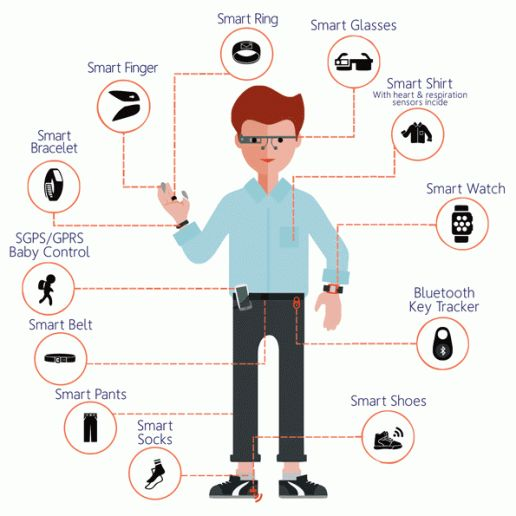
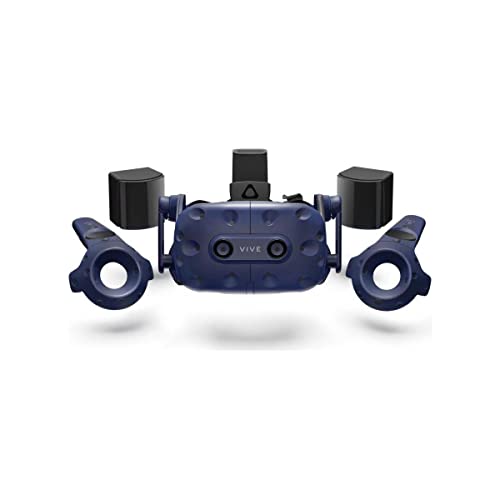
Popular wearables include smartwatches, fitness trackers, smart glasses, and VR headsets. Each serves unique purposes, from health tracking to immersive experiences. Their versatility appeals to diverse user needs.
Conclusion
Wearable technology helps us stay healthy and connected every day. It tracks fitness, monitors health, and even improves safety. Many devices offer convenience and save time in busy lives. The future holds more smart features and new possibilities. Wearables are easy to use and fit into any lifestyle.
They bring small benefits that add up over time. Trying one can show how useful they really are. Wearable tech keeps evolving, making life a bit simpler. Why not see what it can do for you?