Why is Wearable Fitness Technology Becoming Popular: Discover Now
Have you ever wondered why so many people around you are wearing fitness trackers or smartwatches? These devices are no longer just gadgets—they are changing the way you understand your health and fitness.
Imagine having a personal coach on your wrist, guiding you every step of the way. This is why wearable fitness technology is catching on fast. It’s simple, personal, and designed to help you reach your goals without extra effort. Keep reading to discover how these powerful tools can transform your daily routine and why they might just be the motivation you’ve been looking for.
Rise Of Wearable Fitness Tech
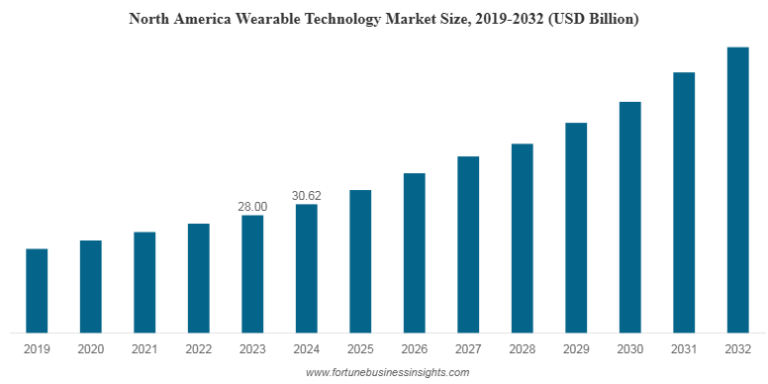
Wearable fitness technology has surged in popularity, transforming how people approach their health and exercise routines. These devices provide real-time data that helps you understand your body better, making fitness goals more achievable. But what exactly is driving this rise in wearable fitness tech?
Growth In Health Awareness
More people are paying close attention to their health than ever before. You might have noticed friends or family members tracking their daily steps or monitoring their heart rate. This shift toward proactive health management pushes demand for tools that offer easy access to personal health data.
Wearable devices empower you to take control of your well-being. They make tracking habits simple, encouraging consistent activity and better lifestyle choices. Have you ever wondered how much your daily habits affect your long-term health? Wearable tech helps answer that question.
Advancements In Technology
The technology behind wearables has improved dramatically in recent years. Devices are now lighter, more accurate, and packed with features like GPS, sleep tracking, and even stress monitoring. These advancements make wearables not only useful but also enjoyable to wear every day.
Battery life has gotten better, and syncing with smartphones is seamless. This convenience means you’re less likely to stop using your device. Imagine having a personal coach on your wrist, constantly helping you adjust your routine based on real data.

Credit: www.athleticlab.com
Key Features Driving Popularity
Wearable fitness technology gains popularity due to several key features. These features make fitness tracking easy and helpful. They offer users a better way to manage their health and fitness daily. Below are the main features that attract many users to wearable devices.
Real-time Health Monitoring
Wearables provide instant health data like heart rate and sleep quality. Users can see their health stats anytime during the day. This helps in spotting health issues early. Real-time alerts can notify users about unusual heart activity. It supports better health decisions quickly.
Personalized Fitness Tracking
Wearables adapt to individual fitness goals and activities. They track steps, calories burned, and workout intensity. The data adjusts based on user progress and preferences. This personal approach motivates users to stay active. It makes workouts more effective and enjoyable.
Seamless Connectivity
Wearable devices connect easily with smartphones and apps. Users sync data to review progress and set new goals. Notifications and messages appear on the device for convenience. This connectivity keeps users engaged without distraction. It creates a smooth fitness experience every day.
Benefits For Users
Wearable fitness technology offers a range of benefits that make staying active and healthy more manageable and enjoyable. These devices do more than just track steps—they help you stay motivated, improve your workouts, and provide valuable insights about your health. Understanding these benefits can help you decide how to best use wearable tech in your fitness journey.
Motivation And Accountability
Wearing a fitness tracker can turn your daily activity into a game. Seeing your progress visually encourages you to move more, whether it’s hitting a step goal or completing a workout streak. You might find yourself pushing a little harder just to meet your targets, even on days when motivation is low.
Accountability comes naturally when you share your progress with friends or join fitness challenges. It’s easier to stay consistent when you know others are watching or competing alongside you. Have you noticed how a simple notification can spark the motivation to get up and move?
Improved Workout Efficiency
Wearables provide real-time feedback that helps you optimize your workouts. By tracking heart rate, calories burned, and exercise duration, you can adjust your intensity to get better results. This prevents wasted effort and reduces the risk of overtraining or injury.
For instance, if your device shows your heart rate is too low during cardio, you can push harder to reach your target zone. Similarly, it helps you rest just enough between sets during strength training. How often do you find yourself guessing whether you’re working out effectively?
Better Health Insights
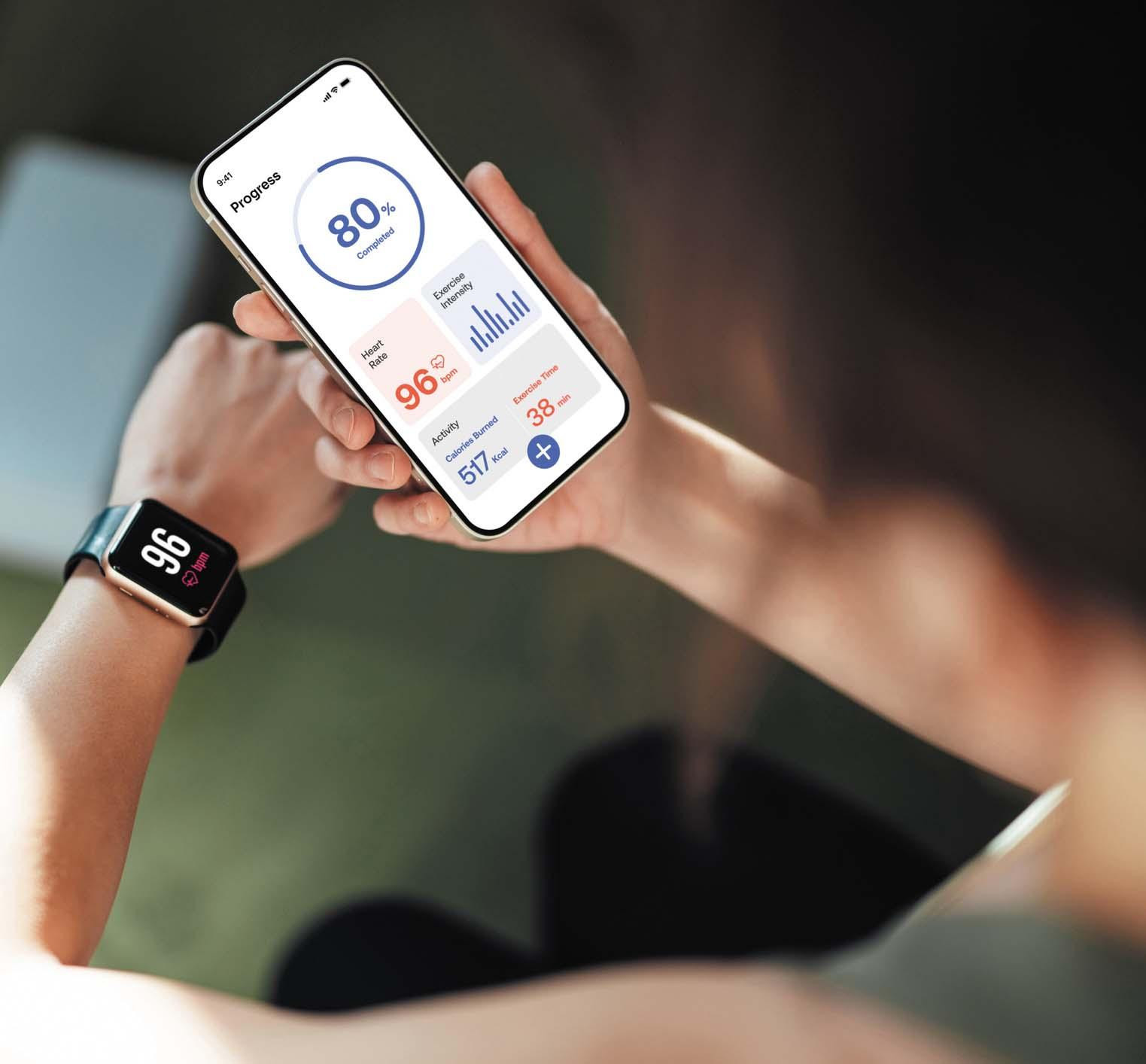
Fitness trackers collect data on sleep patterns, heart rate variability, and daily activity levels, giving you a clearer picture of your overall health. This information can reveal trends you might not notice otherwise, like poor sleep or irregular heart rhythms.
Armed with these insights, you can make informed decisions about lifestyle changes or seek medical advice when necessary. Imagine catching potential health issues early because your wearable alerted you. What health patterns might you discover about yourself through consistent tracking?
Credit: medium.com
Popular Types Of Wearable Devices
Wearable fitness devices come in many forms. Each type offers unique features to track health and activity. People choose devices based on comfort, style, and functionality. Here are the popular types of wearable fitness technology today.
Smartwatches
Smartwatches are the most common wearable devices. They show time and offer fitness tracking features. Users can monitor heart rate, steps, and calories burned. Many smartwatches also support GPS for outdoor activities. Notifications from phones can appear on the watch screen. These devices combine style with health tracking.
Fitness Bands
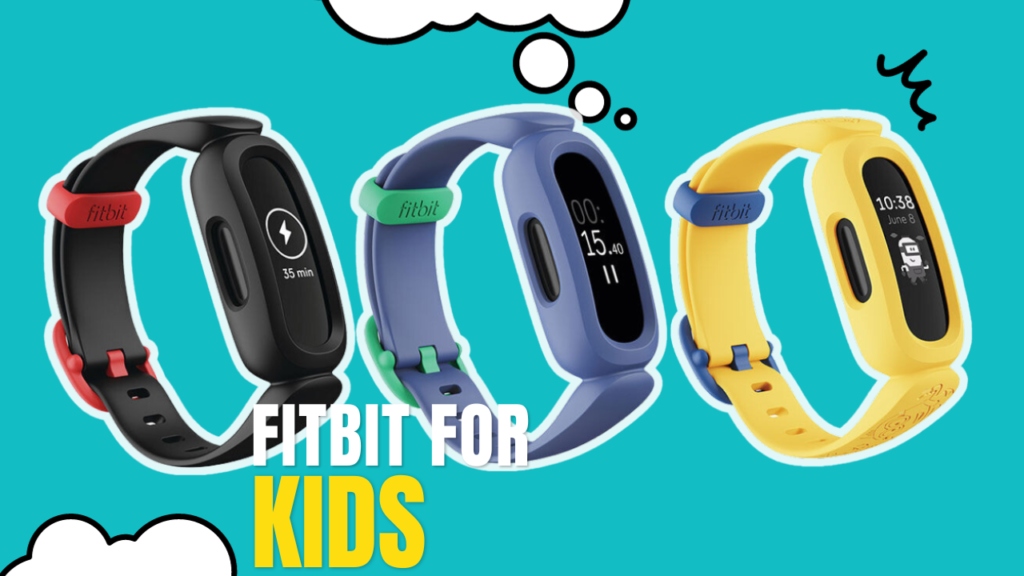
Fitness bands focus mainly on health and activity tracking. They are lightweight and easy to wear all day. Bands track steps, sleep quality, and heart rate. Some models include reminders to move or drink water. Fitness bands often cost less than smartwatches. Their simple design appeals to users who want basic tracking.
Smart Clothing
Smart clothing includes sensors woven into the fabric. These clothes track movement, posture, and muscle activity. They provide detailed data for athletes and fitness enthusiasts. Smart shirts, socks, and leggings are available in the market. This technology offers comfort and accurate health tracking. It is ideal for those who prefer not to wear devices on wrists.
Challenges And Limitations
Wearable fitness technology offers exciting benefits, but it’s not without its challenges and limitations. These hurdles can affect your experience and the value you get from these devices. Understanding these issues helps you make smarter choices about which tech fits your lifestyle.
Privacy Concerns
Your wearable tracks sensitive health data like heart rate, sleep patterns, and location. This raises real questions about who sees this information and how it’s used. Some devices share data with third parties, sometimes without clear consent, putting your privacy at risk.
Have you ever wondered what happens to your fitness data after you sync your device? Being aware of privacy policies and adjusting your settings can give you more control. Always ask yourself if the convenience is worth the potential exposure.
Accuracy Issues
Wearables promise precise tracking, but accuracy can vary widely. Sensors might misread your heart rate during intense workouts or count steps incorrectly on uneven terrain. This inconsistency can lead to misleading progress reports.
Remember when you thought you hit your daily step goal, but later the app showed fewer steps? This happens more often than you think. It’s smart to use wearable data as a guide, not an absolute measure.
Cost Factors
High-quality fitness wearables often come with a hefty price tag. Beyond the initial purchase, some devices require subscriptions for full functionality, adding to your expenses. This can make it tough to justify the cost if you’re unsure about long-term use.
Think about your budget and fitness goals before investing. Sometimes, a basic tracker or even a smartphone app can meet your needs without breaking the bank. Is spending more always better for your fitness journey?
Credit: www.health.harvard.edu
Future Trends In Wearable Fitness
The future of wearable fitness technology looks exciting and full of new possibilities. These devices will become smarter and more helpful. They will do much more than just count steps or measure heart rate. Advances in technology will make wearables a key part of everyday health and fitness routines.
Wearable fitness devices will soon offer deeper insights and better support for users. They will help track health in new ways, making fitness easier and more personal. Here are some important trends to watch for in wearable fitness technology.
Integration With Ai
Artificial intelligence will help wearables analyze data quickly. AI can give personalized advice based on your activity and health patterns. This means fitness plans will adjust in real time. AI will also predict potential health issues early, improving prevention. It will make devices smarter and more responsive to user needs.
Enhanced Sensor Technology
Sensors will become more accurate and diverse. They will measure things like blood oxygen, hydration, and stress levels. New sensors will track muscle activity and sleep quality with precision. This will allow users to understand their bodies better. Enhanced sensors will offer more detailed health information every day.
Broader Health Applications
Wearables will support more than fitness tracking. They will monitor chronic conditions like diabetes and heart disease. These devices will help manage medication and provide reminders. Mental health tracking will also improve, offering mood and stress insights. Broader applications will make wearables essential for overall wellness.
Frequently Asked Questions
What Makes Wearable Fitness Technology So Popular Today?
Wearable fitness technology offers real-time health tracking and personalized insights. It motivates users to stay active, improving wellness. Its convenience and connectivity with smartphones enhance user experience, making fitness goals easier to achieve. This blend of technology and health drives its growing popularity worldwide.
How Does Wearable Fitness Tech Improve Workout Effectiveness?
Wearable fitness devices monitor heart rate, calories burned, and activity levels. This data helps users adjust intensity and duration for optimal results. Real-time feedback encourages better form and consistency. Overall, it enhances workout quality by providing measurable, actionable insights that boost fitness progress efficiently.
Can Wearable Fitness Devices Track Health Beyond Exercise?
Yes, many devices monitor sleep patterns, stress levels, and heart health. This holistic data helps users understand their overall well-being. Continuous tracking aids early detection of potential health issues. Thus, wearables support a comprehensive approach to health, extending benefits beyond just physical fitness.
Are Wearable Fitness Trackers Suitable For All Age Groups?
Wearable fitness trackers are designed for various ages and fitness levels. They offer customizable features to meet individual needs. Elderly users can benefit from health monitoring, while younger users track activity and goals. Their adaptability makes wearables accessible and beneficial across diverse age groups.
Conclusion
Wearable fitness technology helps people track their health easily. It motivates users to stay active every day. Devices give instant feedback on steps, heart rate, and sleep. Many enjoy setting goals and watching progress improve. This tech fits well into busy lives and routines.
It makes fitness simple and fun for everyone. As more people care about health, wearables gain popularity. Small gadgets lead to big changes in daily habits. Choosing the right device depends on personal needs. Wearable fitness tech keeps growing because it truly helps.