What Electronic Components are Used in Telephone Circuits: Essential Guide
Have you ever wondered what makes your telephone work? It’s more than just wires and plastic.
Understanding the electronic components used in telephone circuits can be quite fascinating and might change how you view your everyday device. You might be surprised by the complexity hidden behind that simple dial tone. By diving into the details of these components, you’ll discover how they work together to keep you connected.
Whether you’re curious about technology or just love to know how things work, this article will satisfy your curiosity and maybe even spark a new interest in electronics. Stick around, and let’s unravel the mysteries of telephone circuits together!

Credit: cnsemicon.en.made-in-china.com
Basic Telephone Circuit Components
Telephone circuits rely on several basic electronic components. These parts work together to send and receive voice signals clearly. Understanding these components helps explain how telephones operate.
Each component has a specific job. Resistors and capacitors control electrical flow. Transformers and inductors manage signal strength. Switches and relays handle connections and signal routing.
Resistors And Capacitors
Resistors limit the electric current in the circuit. They protect sensitive parts from too much power. Capacitors store and release electrical energy quickly. This helps filter noise and smooth signals in the line.
Transformers And Inductors
Transformers change voltage levels to match the telephone’s needs. They isolate different parts of the circuit to prevent damage. Inductors store energy in a magnetic field. They help maintain signal strength over long distances.
Switches And Relays
Switches allow users to open or close the circuit manually. They control the flow of electricity when making or ending calls. Relays are electrically operated switches. They automatically connect or disconnect circuits based on signals.
Semiconductor Devices In Telephones
Semiconductor devices are key parts of telephone circuits. They control and process electrical signals. These devices help telephones send and receive clear audio and data. Modern telephones rely on these components to work efficiently and reliably.
Diodes And Their Roles
Diodes allow electric current to flow in one direction only. This prevents damage from wrong current flow. In telephone circuits, diodes protect sensitive parts. They also convert alternating current (AC) to direct current (DC). This conversion is important for powering the phone’s internal parts.
Transistors For Signal Amplification
Transistors boost weak signals so the phone can process them. They act like switches or amplifiers in circuits. Without transistors, sounds would be too faint to hear. They make voices louder and clearer during calls. Transistors also help control the flow of electricity efficiently.
Integrated Circuits In Modern Phones
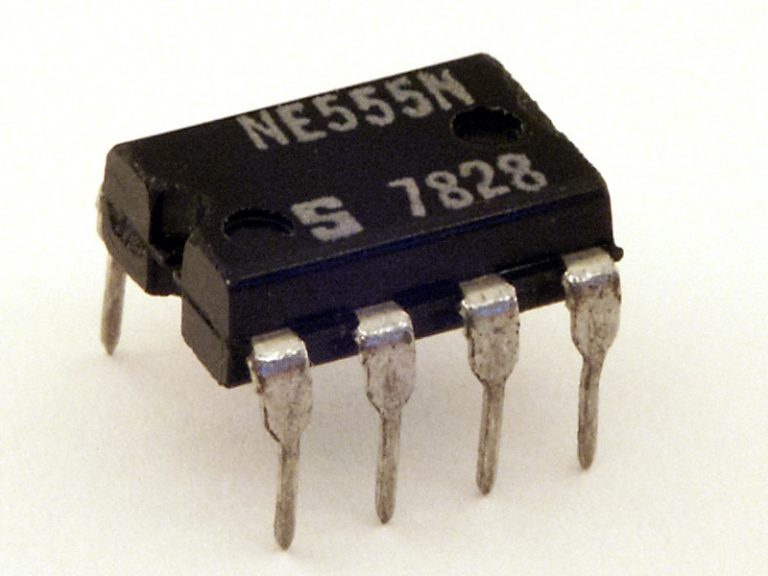
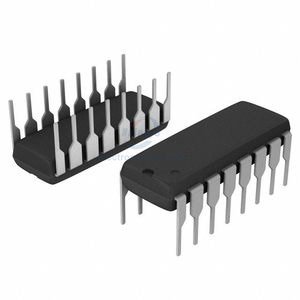
Integrated circuits (ICs) combine many semiconductor components in one chip. They perform complex tasks in small spaces. ICs manage audio, signal processing, and power control. They reduce the size and weight of telephones. This makes modern phones compact and easy to carry.
Power Supply Components
Power supply components are the backbone of telephone circuits. They ensure that every part of the telephone receives the right amount of energy to function properly. Without a stable power source, your calls could drop, the display might fail, or the whole system could shut down unexpectedly.
Batteries And Power Regulators
Batteries provide the initial and backup power needed to keep telephone circuits alive. They store energy and release it steadily when the phone is in use or during power outages.
Power regulators work alongside batteries to maintain a consistent voltage level. This protects sensitive components from damage caused by voltage spikes or drops.
Have you ever wondered why your cordless phone still works during a blackout? That’s the battery and regulator team at work, ensuring you stay connected no matter what.
Voltage Stabilizers
Voltage stabilizers play a critical role in telephone circuits by keeping the voltage steady despite fluctuations in the external power supply.
They act like a shield, preventing sudden changes that could harm the delicate electronics inside your phone.
Without voltage stabilizers, your calls might suffer from interruptions or poor quality. Do you notice any static or signal loss during storms? That could be a sign of inadequate voltage stabilization in your system.
Credit: www.alibaba.com
Audio Components
Audio components are at the heart of telephone circuits. They handle the conversion of sound waves into electrical signals and back again, allowing you to hear and be heard clearly. Without these components, a telephone would simply be a box with no way to communicate.
Microphones And Speakers
Microphones capture your voice and convert it into electrical signals. There are different types used in telephones, such as carbon microphones, which are common in older models, and electret microphones found in modern devices. Each type affects sound quality and power consumption differently.
Speakers do the opposite—they convert electrical signals back into sound. In telephones, they must be small yet powerful enough to deliver clear audio. Have you ever noticed how speaker quality can change your call experience? Poor speaker components can make conversations frustrating.
Audio Amplifiers
Audio amplifiers boost the weak electrical signals from microphones so the sound can be transmitted clearly. They also amplify incoming signals before sending them to the speaker. Without these amplifiers, your voice would sound faint, and you would struggle to hear the other person.
In telephones, amplifiers must balance power efficiency with sound clarity. If you’ve ever adjusted the volume on a call, you’ve interacted with the amplifier’s output level. How do you think your call quality would change without good amplification?
Signal Processing Elements
Signal processing elements are at the heart of telephone circuits. They manage the way your voice travels through the network, ensuring clarity and reducing noise. Without these components, conversations would be distorted or lost entirely.
Filters And Oscillators
Filters clean up the signals by removing unwanted noise or interference. They allow only specific frequencies to pass through, which is crucial for clear voice transmission. Oscillators generate precise frequencies that help in tuning and timing within the circuit.
Imagine trying to have a conversation in a crowded room full of chatter. Filters work like noise-cancelling headphones, blocking out the background sounds so you can focus on the speaker. Oscillators act like a metronome, keeping the timing steady to prevent your voice from sounding choppy.
Multiplexers And Demultiplexers
Multiplexers combine multiple signals into one, allowing many calls to share the same line without interference. Demultiplexers reverse this process, separating the combined signals back into individual calls. This efficient handling of data keeps telephone networks running smoothly.
Think about how your phone can handle several apps running at once without slowing down. Multiplexers and demultiplexers play a similar role in managing multiple conversations over the same channel. Understanding their function can help you appreciate the complexity behind a simple phone call.

Credit: www.accio.com
Connectors And Wiring
Connectors and wiring form the backbone of any telephone circuit. Without reliable connectors and proper wiring, even the best components can fail to deliver clear communication. Understanding these elements helps you troubleshoot issues and set up efficient telephone systems.
Telephone Jacks And Plugs
Telephone jacks and plugs are the physical interfaces where the phone connects to the network. The most common type you encounter is the RJ11 connector. This small, rectangular plug typically uses four or six pins to carry voice and sometimes data signals.
Have you ever noticed how a loose phone jack can cause static or dropped calls? That’s because a poor connection interrupts the signal flow. Keeping these connectors clean and firmly plugged in improves call quality significantly.
Besides RJ11, some business systems use RJ14 or RJ45 connectors for multi-line setups. These connectors look similar but handle more wires, allowing multiple phone lines over one cable. Knowing which jack your system uses can save you time when expanding or repairing your setup.
Cabling Types
The type of cable used in telephone wiring affects signal clarity and durability. The classic choice is twisted pair cable, which reduces electrical interference by twisting two wires together. This design helps keep your voice clear, even in environments with lots of electronic noise.
Another option is flat cable, often seen in older installations. It’s easy to handle but more prone to interference and damage compared to twisted pairs. If you’re upgrading wiring, twisted pair is usually the better investment for long-term performance.
Shielded cables are less common in residential phones but come into play in industrial or high-noise areas. They have an extra layer of shielding to block external signals. Have you ever wondered why some phone lines sound clearer in busy office buildings? Shielded cables could be the reason.
- Twisted pair cable: standard for most telephone lines
- Flat cable: older, simpler but less reliable
- Shielded cable: used in noisy environments for better protection
Frequently Asked Questions
What Are The Main Components In Telephone Circuits?
Telephone circuits use resistors, capacitors, inductors, transformers, and transistors. These components manage signal processing and transmission.
How Do Capacitors Function In Telephone Circuits?
Capacitors block direct current while allowing alternating current to pass. They filter signals and stabilize voltage in telephone circuits.
Why Are Transformers Important In Telephone Systems?
Transformers match impedance and isolate circuit sections. They enable efficient signal transfer and reduce interference in telephone lines.
What Role Do Transistors Play In Telephone Circuits?
Transistors amplify signals and switch electronic signals. They enhance voice clarity and control circuit operations in telephones.
Conclusion
Telephone circuits rely on many key electronic parts. Resistors, capacitors, and transistors help control signals. Diodes protect the system from damage. Transformers adjust voltage levels for clear sound. Integrated circuits combine tasks in small chips. Each component works together to make calls possible.
Understanding these parts helps you see how phones work. Simple pieces create complex communication systems. The next time you use a phone, think about these tiny parts inside. They make talking easy and reliable every day.