How Does Electronic Consumer Surveillance Work: Unveiling Secrets
Have you ever wondered how much companies know about you? As you browse online or walk through a store, electronic consumer surveillance is quietly collecting data about your habits and preferences.
It might sound a bit like science fiction, but it’s a reality that’s shaping the way businesses interact with you. This surveillance isn’t just about tracking your purchases; it’s about understanding you better to offer personalized experiences and targeted advertising.
Curious about how this all works and what it means for your privacy? Stick around. This article will uncover the secrets behind electronic consumer surveillance, revealing both the benefits and the challenges it brings to your everyday life.
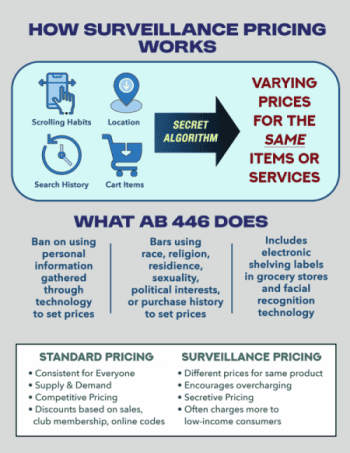
Credit: consumerwatchdog.org
Electronic Surveillance Basics
Electronic consumer surveillance tracks and collects data about people’s activities. It helps businesses understand customer behavior. This information shapes marketing strategies and improves services. Surveillance can be simple or complex, involving many tools and methods.
Surveillance works by monitoring digital footprints left by consumers. These can include online searches, purchases, location data, and social media activity. Data is gathered through various devices and software. Then, it is analyzed to reveal patterns and preferences.
Types Of Consumer Surveillance
- Online Tracking:Collecting data from websites and apps through cookies and pixels.
- Location Tracking:Using GPS or Wi-Fi signals to monitor physical movements.
- Purchase Monitoring:Recording shopping habits via loyalty cards or payment methods.
- Social Media Surveillance:Analyzing posts, likes, and shares to understand interests.
- Behavioral Analytics:Studying user interactions with digital content to predict future actions.
Common Devices And Technologies
- Smartphones:Track locations, app usage, and browsing history.
- Smart TVs:Monitor viewing habits and connected app activity.
- Wearable Devices:Collect health data and movement patterns.
- Smart Home Devices:Record voice commands and daily routines.
- Cookies and Web Beacons:Store user information and track online behavior.
- RFID Chips:Used in loyalty cards to track in-store purchases.
Data Collection Methods
Electronic consumer surveillance collects data through several key methods. These methods help companies and organizations understand consumer habits and preferences. The data collected can range from simple clicks to detailed location information. Each method uses specific technology to gather useful insights. Understanding these methods reveals how much information is tracked daily.
Tracking Online Behavior
Online tracking collects data from websites and apps. Cookies store information about visited sites and preferences. Browsing history, search queries, and clicks are recorded. This data helps build a profile of interests and habits. Advertisers use this profile to target ads specifically. Tracking pixels and web beacons also monitor how users interact with content.
Monitoring Physical Movements
Physical movement tracking uses devices like smartphones and GPS. Location data shows where and when people travel. Retailers analyze foot traffic in stores using sensors. Wearable devices track steps, activity, and even health data. This information gives insight into consumer routines and shopping patterns. It helps businesses optimize store layouts and marketing strategies.
Audio And Visual Surveillance
Audio and visual tools capture sounds and images in public spaces. Cameras record video footage in stores, streets, and events. Voice assistants listen for commands and sometimes collect background sounds. Facial recognition technology identifies individuals in crowds. These methods gather data about behavior, emotions, and interactions. They provide real-time information for security and marketing use.
Data Processing And Analysis
Data processing and analysis lie at the heart of electronic consumer surveillance. Raw data collected from devices and online activities undergoes transformation into valuable information. This process helps businesses understand consumer behavior and preferences. It involves sorting, organizing, and interpreting vast amounts of data quickly. The goal is to reveal useful trends and patterns for better decision-making.
Big Data And Consumer Insights
Big data refers to extremely large data sets collected from various sources. These include social media, purchase histories, and browsing habits. Handling such vast data requires powerful tools and storage systems. Companies analyze this data to find consumer insights. Insights show how customers interact with products and services. They help tailor marketing strategies and improve customer experience. The more data analyzed, the clearer the consumer picture becomes.
Algorithms And Pattern Recognition
Algorithms are sets of rules or instructions for solving problems. In consumer surveillance, they process data to identify patterns. Pattern recognition helps detect buying habits, preferences, and trends. Machines learn from data, improving their accuracy over time. This allows companies to predict future consumer behavior. Algorithms can also spot unusual activities or shifts in trends. This technology makes data analysis faster and more precise.

Credit: www.youtube.com
Purpose Behind Surveillance
Understanding the purpose behind electronic consumer surveillance helps you see why companies invest heavily in tracking your online activities. It’s not just about collecting data; it’s about shaping experiences, protecting assets, and sometimes influencing your decisions. Let’s break down the main reasons why surveillance plays a key role in today’s digital world.
Targeted Advertising
Have you ever noticed ads that seem to know exactly what you want? That’s targeted advertising in action. Companies gather data about your browsing habits, preferences, and even location to show ads tailored specifically to you.
This approach increases the chance you’ll buy something because the ads feel relevant. It saves you time by filtering out unrelated promotions. But it also raises questions—how much of your privacy are you willing to trade for convenience?
Behavioral Profiling
Behavioral profiling goes deeper than just advertising. It builds a detailed picture of your habits, interests, and routines over time. This helps businesses predict what you might want next or how you’ll react to certain offers.
For example, a streaming service might notice you watch more comedies on weekends and suggest new releases accordingly. While it improves user experience, it can also limit your exposure to new ideas by keeping you in a narrow content bubble. Have you ever felt like your choices were getting too predictable?
Security And Fraud Prevention
Surveillance isn’t only about marketing; it also plays a critical role in keeping you safe. Companies monitor transactions and online behaviors to spot unusual activity that could indicate fraud or identity theft.
This constant watch helps prevent financial losses and protects your personal information. It’s like having a digital security guard who flags suspicious actions instantly. However, this level of monitoring means your data is always under scrutiny—how comfortable are you with that trade-off?
Privacy Risks And Concerns
Understanding the privacy risks and concerns linked to electronic consumer surveillance is crucial for anyone who values their personal data. As technology collects more about your habits and preferences, the question arises: how safe is your information? The risks go beyond simple data collection, touching on deeper ethical and security issues that affect your daily life.
Data Breaches And Misuse
Data breaches happen when unauthorized people access your personal information. These breaches can expose sensitive details like your location, purchase history, or even financial data.
Once your data is exposed, it can be misused in many ways:
- Identity theft and fraud
- Unwanted targeted advertising
- Manipulation of personal choices through misleading information
Have you ever received ads that seem too personal, making you wonder if someone is watching? That feeling might be closer to reality than you think. Protecting your data means being aware of where it’s stored and who has access to it.
Ethical Implications
The ethics of electronic surveillance raise important questions about consent and control. Are you truly informed about what data is collected and how it’s used?
Many companies collect data without clear permission, creating an imbalance of power. This can lead to:
- Loss of personal autonomy
- Discrimination based on data profiles
- Undermining trust between consumers and businesses
Think about how much control you have over your own information. Should companies be allowed to track you everywhere you go? Your privacy is a right, not a privilege, and understanding these ethical concerns helps you make smarter choices about your digital footprint.
Credit: www.zetronix.com
Consumer Protection Measures
Consumer protection measures help guard personal data from misuse. These measures set limits on how companies collect and use information. They also give consumers ways to control their privacy. Understanding these protections helps people stay safe online.
Regulations And Laws
Several laws regulate electronic surveillance of consumers. These laws require companies to get consent before collecting data. They also demand transparency about data use and storage. Violating these laws can lead to fines and penalties.
Key regulations include:
- General Data Protection Regulation (GDPR) in Europe
- California Consumer Privacy Act (CCPA) in the USA
- Personal Information Protection and Electronic Documents Act (PIPEDA) in Canada
These rules protect consumer rights and promote fair data handling.
Tools For Privacy Control
Consumers can use tools to manage their digital privacy. Browsers offer settings to block trackers and cookies. Privacy-focused search engines limit data collection. Apps exist to monitor and control data permissions.
Common tools include:
- Ad blockers to stop targeted ads
- Virtual Private Networks (VPNs) for anonymous browsing
- Privacy settings on social media platforms
Using these tools empowers consumers to reduce unwanted surveillance.
Future Trends In Surveillance
The future of electronic consumer surveillance is rapidly evolving, bringing new possibilities and challenges to your everyday experience. As technology advances, surveillance methods will become more sophisticated, blending deeper into the fabric of your digital and physical environments. What will this mean for your privacy and the way businesses interact with you?
Advancements In Ai And Machine Learning
Artificial intelligence and machine learning are set to transform how surveillance systems analyze data. These technologies can detect patterns and behaviors faster than ever, often predicting actions before they happen.
You might notice more personalized ads or security alerts tailored to your habits. However, this raises questions about how much control you have over your personal data and who gets to decide what’s relevant to you.
Increasing Integration With Iot
The Internet of Things (IoT) connects everyday devices to the internet, creating a vast network of data sources. Surveillance systems will increasingly tap into this network, collecting information from smart home devices, wearables, and even connected cars.
This means your environment will constantly feed data into surveillance platforms, making it harder to separate your online actions from your real-world behavior. Have you considered how many devices around you might be quietly monitoring your every move?
Frequently Asked Questions
What Is Electronic Consumer Surveillance?
Electronic consumer surveillance involves tracking customer behavior using digital tools. It collects data from online activities, purchases, and device usage to analyze preferences and habits. Businesses use this data to improve marketing strategies and personalize user experiences.
How Do Companies Collect Consumer Data Electronically?
Companies gather data through cookies, mobile apps, social media, and smart devices. These tools monitor browsing patterns, location, and product interactions. The collected data helps businesses understand consumer needs and target ads effectively.
Is Electronic Consumer Surveillance Legal And Ethical?
Yes, electronic surveillance is legal if companies follow privacy laws and obtain user consent. Ethical concerns arise when data is collected without transparency. Responsible companies prioritize user privacy and data security to maintain trust.
How Does Consumer Surveillance Benefit Businesses?
Consumer surveillance allows businesses to tailor marketing campaigns and improve customer service. It helps identify trends and predict consumer behavior. This targeted approach increases sales and enhances customer satisfaction.
Conclusion
Electronic consumer surveillance collects data through devices and online activity. Companies analyze this data to understand behavior and preferences. This process helps improve services and target ads better. Yet, it raises questions about privacy and control. Consumers should stay aware of what data they share.
Knowing how surveillance works can help make smarter choices. Technology keeps changing, so understanding it matters more each day.