What is Wearable Fitness Technology: Revolutionize Your Health
Have you ever wondered how some people track their steps, heart rate, and sleep without even thinking about it? That’s the power of wearable fitness technology.
These small devices fit right on your wrist or clip onto your clothes, helping you understand your body better every single day. Whether you want to get fitter, sleep better, or just stay more active, wearable fitness tech can be your perfect partner.
Keep reading to discover how this smart technology works and how it can change the way you take care of yourself.

Credit: www.athleticlab.com
Wearable Fitness Tech Basics
Understanding the basics of wearable fitness technology helps you make smarter choices for your health journey. These devices track your activities, monitor your health, and motivate you to stay active. Knowing what types of devices are available, their key features, and how they work will help you pick the right one for your lifestyle.
Types Of Devices
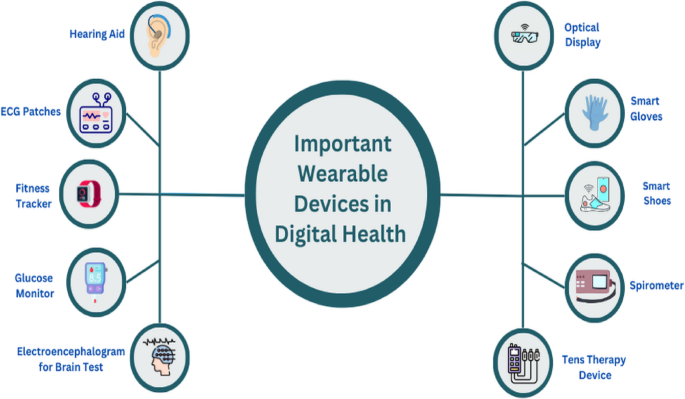
Wearable fitness tech comes in many forms, each designed for different needs and preferences. Common types include:
- Fitness Trackers:Simple bands that count steps, calories, and monitor sleep.
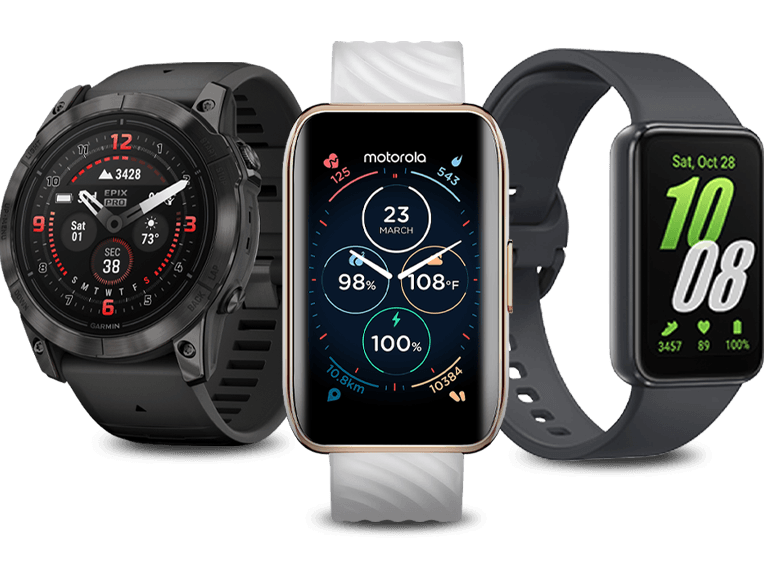
- Smartwatches:Offer advanced features like GPS, heart rate monitoring, and smartphone notifications.
- Heart Rate Monitors:Focus on tracking your heart rate during workouts for precise fitness insights.
- Smart Rings:Compact devices that track activity and sleep without the bulk of a watch.
- Clip-on Devices:Attach to clothing and track movement without wearing anything on your wrist.
Have you noticed which device fits seamlessly into your daily routine?
Key Features
Most wearable fitness devices share core features that help you monitor and improve your health. These include:
- Step Counting:Tracks your daily movement to encourage more activity.
- Heart Rate Monitoring:Measures your pulse to gauge workout intensity and recovery.
- Sleep Tracking:Analyzes sleep patterns to help you rest better.
- GPS Tracking:Records your route during outdoor activities like running or cycling.
- Calorie Tracking:Estimates calories burned based on activity and personal data.
- Water Resistance:Allows use during swimming or rainy conditions.
Which features would motivate you to stay consistent with your fitness goals?
How They Work
Wearable fitness devices use sensors to collect data about your body and movements. Accelerometers detect motion and count steps, while optical sensors measure your heart rate by shining light through your skin. GPS chips track your location and distance during outdoor workouts.
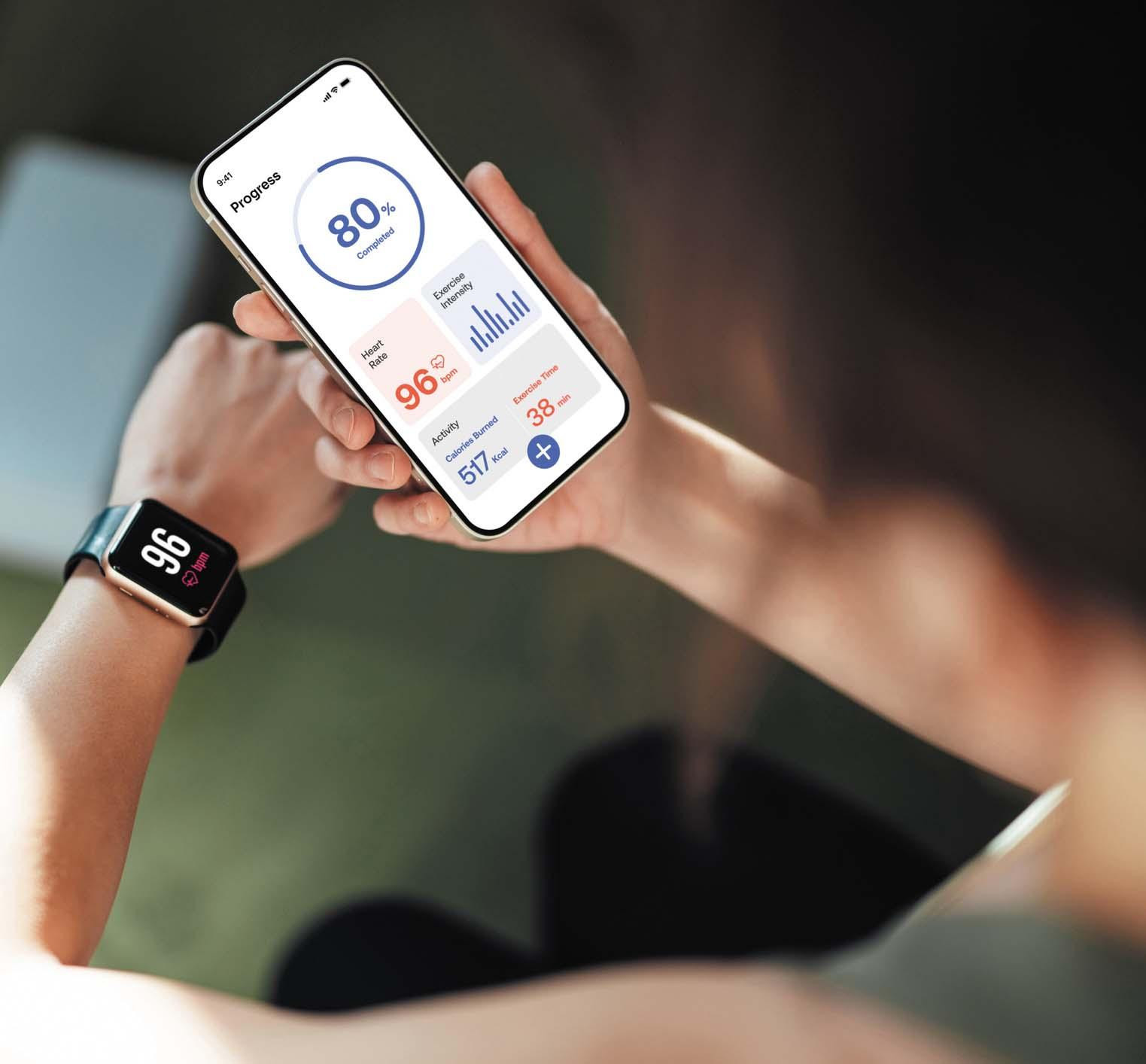
This data is then sent to a companion app on your phone or computer, where it’s analyzed and displayed in easy-to-understand charts and summaries. Seeing your progress in real time can push you to improve daily.
Have you ever checked your fitness stats and realized you could push a little harder or rest more? That insight can change how you approach your workouts.
Credit: www.bestbuy.ca
Health Benefits
Wearable fitness technology offers many health benefits. It helps people stay active and make smarter choices for their bodies. These devices provide real-time data that motivates users to improve their health every day.
Tracking Physical Activity
Wearable devices count steps, distance, and calories burned. This data shows how much users move daily. It helps set goals and measure progress easily. Small changes in activity can improve overall health quickly.
Monitoring Vital Signs
Many wearables track heart rate, sleep, and oxygen levels. Monitoring these signs helps detect health issues early. Users can see patterns and adjust habits to stay healthier. Continuous tracking supports better doctor visits and treatments.
Encouraging Healthy Habits
Wearables remind users to drink water, stand up, and exercise. These alerts create better routines and reduce sedentary behavior. Positive feedback boosts motivation and builds long-term habits. Consistent healthy actions lead to stronger bodies and minds.
Popular Wearable Brands
Popular wearable brands have shaped how you track fitness and health every day. These brands combine technology with style, making it easier to stay motivated and informed. Whether you’re a casual walker or a serious athlete, there’s a device tailored for your needs.
Smartwatches
Smartwatches like Apple Watch and Samsung Galaxy Watch dominate the market with their sleek designs and powerful features. They not only track your steps and heart rate but also offer apps, notifications, and music control on your wrist.
Apple Watch’s ECG and fall detection features can be lifesaving, showing how wearables go beyond fitness. Have you ever checked your activity rings and felt motivated to hit your daily goals? That’s the power of these devices.
Fitness Bands
Fitness bands such as Fitbit Charge and Xiaomi Mi Band focus on core health tracking without the bulk. They’re lightweight, affordable, and provide accurate data on sleep, calories burned, and daily activity.
If you prefer simplicity and longer battery life, fitness bands might suit you better. Think about how a subtle reminder on your wrist can nudge you to move during a busy day.
Specialized Sensors
Brands like Whoop and Polar offer specialized sensors designed for athletes and serious fitness enthusiasts. These devices measure advanced metrics like recovery, strain, and muscle oxygen levels to optimize performance.
Using such detailed data can transform your training approach and prevent burnout. Are you ready to take your fitness tracking beyond basic steps and heart rate?
Credit: www.health.harvard.edu
Tech Trends Shaping Wearables
Wearable fitness technology is evolving fast, driven by exciting tech trends that make these gadgets smarter and more useful every day. These trends not only improve how wearables track your health but also how they fit into your lifestyle.
Ai And Machine Learning
AI and machine learning help wearables understand your unique habits and body signals. They analyze your data to offer personalized workout suggestions and health alerts that actually matter to you. Imagine a device that learns when you’re most active and adjusts goals to keep you motivated.
Improved Battery Life
Longer battery life means you spend less time charging and more time moving. Advances in battery technology allow wearables to last days or even weeks on a single charge. This improvement is crucial if you want to track your sleep, workouts, and daily activity without interruptions.
Advanced Sensors
New sensors can measure more than just steps and heart rate. Some devices now track blood oxygen levels, hydration, and even stress. These sensors give you a deeper view of your health, helping you make smarter choices every day.
Challenges And Limitations
Wearable fitness technology offers exciting ways to track health and boost motivation, but it’s not without its hurdles. Understanding the challenges and limitations can help you make smarter choices and get the most from your device. Let’s take a closer look at some key areas where these gadgets can fall short.
Data Privacy Concerns
Your fitness tracker collects a wealth of personal information—heart rate, location, sleep patterns, and more. This raises important questions about who has access to your data and how it’s being used. Have you ever wondered if your health details might be shared with advertisers or third parties without your clear consent?
Many devices rely on cloud storage, increasing the risk of data breaches. Always check the privacy policy and consider whether the company takes strong measures to protect your information. Using features like two-factor authentication and regularly updating passwords can add extra layers of security.
Accuracy Issues
Wearable devices often promise precise tracking, but their measurements can vary widely. Step counts, calorie estimates, and heart rate readings may not always be spot-on, especially during intense workouts or irregular movements. Have you noticed your tracker giving inconsistent results during different activities?
Manufacturers improve algorithms constantly, but no device is perfect. To get the best results, use your wearable as a guide rather than a definitive source. Cross-checking data with other methods, like manual pulse checks or fitness assessments, can help you stay grounded.
User Engagement
Many people start using fitness wearables with great enthusiasm, only to lose interest after a few weeks. Keeping up with daily tracking and analyzing data can feel overwhelming or boring over time. What strategies do you use to stay motivated and make your wearable a helpful part of your routine?
Setting small, achievable goals and celebrating progress can boost engagement. Some find social features, like sharing achievements or competing with friends, add a fun challenge. Remember, the technology is a tool—your commitment drives real change.
Future Of Wearable Fitness
The future of wearable fitness technology is shaping up to be more than just step counters and heart rate monitors. These devices are becoming smarter, more connected, and deeply integrated into your daily health and wellness routines. Imagine a world where your wearable not only tracks your activity but also helps prevent illness and customizes workouts specifically for you.
Integration With Healthcare
Wearable fitness devices are starting to work hand-in-hand with healthcare providers. They can continuously monitor vital signs like blood pressure and oxygen levels, alerting you and your doctor to potential health issues before they become serious.
This real-time data sharing can lead to faster diagnoses and more personalized treatment plans. Have you ever thought about how your smartwatch could save your life by detecting irregular heartbeats early?
Personalized Fitness Plans
Your wearable can soon act like a personal coach that understands your unique body and goals. Using data it collects about your activity, sleep, and recovery, it will suggest workouts tailored just for you.
This means no more guessing which exercises work best. Instead, you’ll get a clear, customized path to improve your strength, endurance, or flexibility based on your progress and needs.
Emerging Technologies
New tech like AI, advanced sensors, and even flexible electronics are making wearables smaller and more powerful. Sensors may soon track everything from hydration levels to stress hormones.
These advances will help you get a fuller picture of your health and fitness in one device. What new feature would you want most in your next fitness tracker?
Frequently Asked Questions
What Is Wearable Fitness Technology Used For?
Wearable fitness technology tracks physical activity, heart rate, sleep patterns, and calories burned. It helps users monitor health and improve fitness routines easily.
How Do Wearable Fitness Devices Improve Workouts?
These devices provide real-time data and personalized feedback. They motivate users to meet goals and optimize exercise efficiency for better results.
Are Wearable Fitness Trackers Accurate In Measuring Health Data?
Most wearable fitness trackers use advanced sensors for accuracy. However, slight discrepancies may occur due to device placement or activity type.
Can Wearable Fitness Technology Help With Weight Loss?
Yes, it encourages regular exercise and monitors calorie burn. Tracking progress boosts motivation, supporting effective weight loss and healthy habits.
Conclusion
Wearable fitness technology helps track your daily activity and health. It makes staying active easier and more fun. You can see your progress and set new goals. These devices fit well into busy lifestyles. They support better habits and keep you motivated.
Choosing the right wearable depends on your needs and budget. Start small, and learn what works best for you. This tech brings fitness closer to everyone’s reach. Try it, and feel the difference yourself.