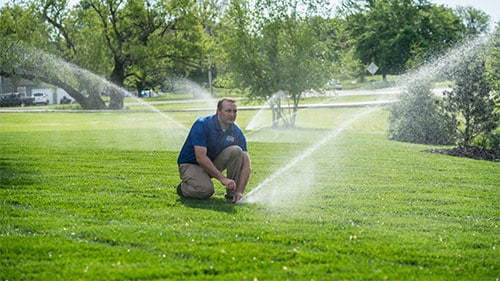
What Maintenance Involved in Lawn Sprinkler System: Essential Tips
Is your lawn sprinkler system giving you trouble or not working as well as it used to? You might be surprised to learn that regular maintenance can keep your system running smoothly and save you money in the long run.
Knowing what maintenance is involved helps you avoid costly repairs and ensures your lawn stays green and healthy all year round. You’ll discover simple steps you can take to maintain your sprinkler system effectively. Keep reading to find out how easy it is to protect your investment and enjoy a lush lawn without any hassle.
Lawn Sprinkler Basics
Understanding lawn sprinkler basics helps keep your system working well. A sprinkler system saves water and keeps grass green. Knowing its parts and types makes maintenance easier. This knowledge prevents common problems like leaks or dry spots.
Key Components
- Control Valve:Manages water flow to the system.
- Sprinkler Heads:Distribute water evenly over the lawn.
- Timer/Controller:Schedules watering times automatically.
- Pipes and Tubing:Carry water from the source to the sprinkler heads.
- Backflow Preventer:Stops water from flowing back into the main supply.
Types Of Sprinkler Systems
- Rotor Systems:Spray water in large arcs, good for big lawns.
- Spray Systems:Deliver a fixed spray, ideal for small areas.
- Drip Irrigation:Releases water slowly at the soil level, saves water.
- Soaker Hoses:Leak water along their length, best for garden beds.
Routine Inspection
Routine inspection is essential to keep your lawn sprinkler system running smoothly. It helps spot problems early and saves water and money. Regular checks ensure every part works as it should. This simple habit extends the life of your sprinkler system and keeps your lawn healthy and green.
Checking For Leaks
Leaks waste water and increase bills. Start by looking for wet spots or puddles near sprinkler heads and pipes. Listen for unusual sounds like hissing or dripping. Check valves and connections for cracks or damage. Fix leaks quickly to avoid bigger problems and water loss.
Examining Nozzle Spray Patterns
Nozzles control how water spreads over your lawn. Watch the spray when the system runs. Make sure water covers all areas without spraying sidewalks or driveways. Look for clogged or broken nozzles that cause uneven watering. Clean or replace nozzles to keep the spray pattern correct and efficient.
Seasonal Adjustments
Seasonal adjustments are key to keeping your lawn sprinkler system running smoothly all year round. Changing weather affects how your system works, so you need to prepare it for winter and get it ready again in spring. Skipping these steps can lead to costly repairs or inefficient watering.
Winterizing Sprinklers
Before the cold hits, you must protect your sprinkler system from freezing damage. Water left inside pipes can freeze, expand, and crack your system.
- Start by turning off the water supply to your sprinkler system.
- Drain all water from the pipes and sprinkler heads. You can use manual drain valves or an air compressor to blow out the remaining water.
- Remove and store any detachable parts like backflow preventers or timers in a warm place.
- Insulate exposed pipes and valves with foam covers or insulation tape.
Have you ever seen a cracked sprinkler head after winter? That’s often from neglecting this step. Taking the time to winterize saves you money and hassle later.
Spring Startup Tips
When temperatures rise, your sprinkler system needs a careful restart to avoid surprises during the dry months.
- Inspect all sprinkler heads and pipes for damage caused by frost or animals during winter.
- Turn on the water supply slowly and check for leaks or broken parts.
- Test the timer and adjust watering schedules based on current weather and lawn needs.
- Clean clogged nozzles to ensure even water distribution.
Did you know that adjusting your watering schedule in spring can save water and keep your lawn healthier? Pay attention to rainfall patterns and soil moisture to avoid overwatering.
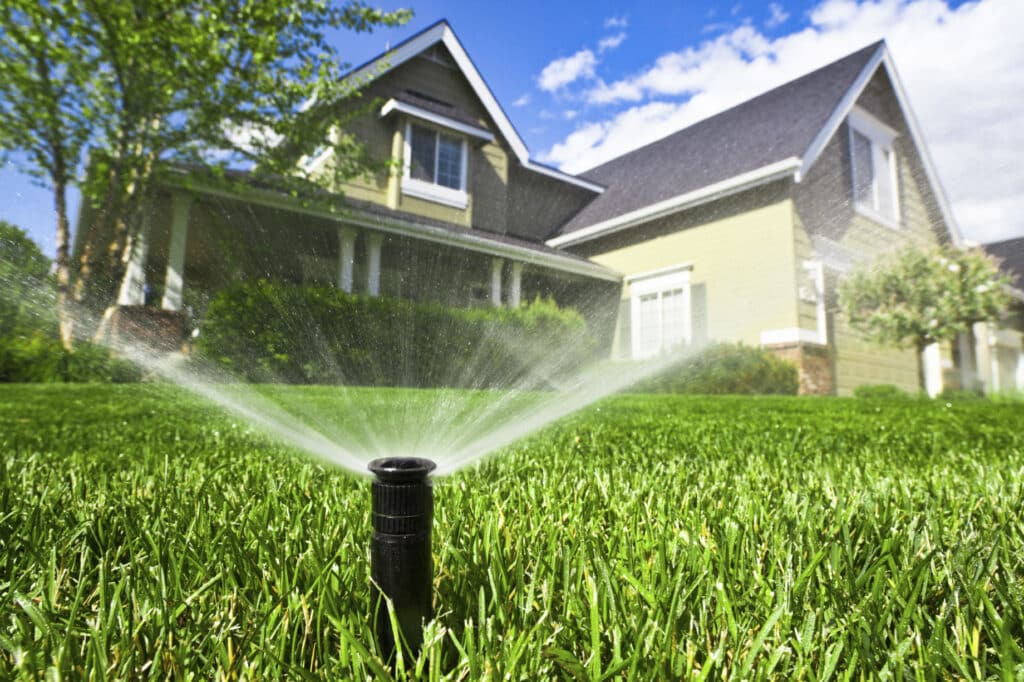
Credit: www.masseyservices.com
Cleaning And Repairs
Cleaning and repairs are vital for keeping your lawn sprinkler system in top shape. Dirt, debris, and wear can reduce its efficiency. Regular upkeep helps prevent water waste and uneven watering. It keeps your lawn lush and healthy.
Simple cleaning tasks remove blockages and improve water flow. Repairs fix leaks and broken parts. Both extend the system’s life and save money on costly replacements.
Clearing Clogged Nozzles
Nozzles can get blocked by dirt, grass, or minerals. This stops water from spraying properly. To clear clogged nozzles:
- Turn off the sprinkler system.
- Remove the nozzle carefully.
- Use a soft brush or toothpick to clear debris.
- Soak the nozzle in vinegar to dissolve mineral buildup.
- Rinse with clean water and reattach.
Regularly checking nozzles prevents dry spots and uneven watering.
Fixing Broken Pipes And Valves
Leaks and breaks in pipes or valves cause water loss and poor coverage. Check for wet soil or soggy spots. To fix:
- Turn off the water supply.
- Locate the damaged pipe or valve.
- Cut out the broken section with a pipe cutter.
- Replace it with new pipe or valve parts.
- Seal joints with waterproof tape or glue.
- Turn water back on and test for leaks.
Prompt repairs stop damage and keep your system working well.
System Calibration
System calibration is a crucial part of maintaining your lawn sprinkler system. It ensures that every part of your lawn receives the right amount of water, preventing both dry patches and water waste. Skipping calibration can lead to uneven growth and higher water bills, which no one wants.
Adjusting Spray Coverage
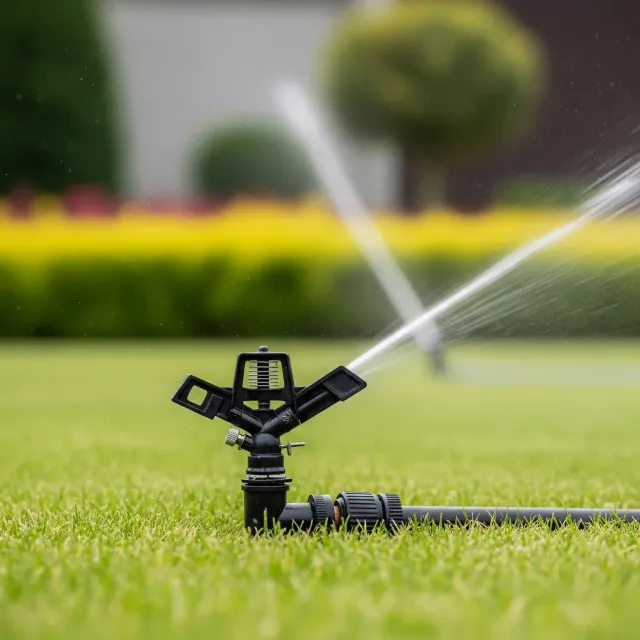
Check your sprinkler heads regularly to confirm they cover the intended area without overlapping too much or missing spots. Spray patterns can shift due to wind, damage, or clogging. Adjust the spray nozzles so water reaches every corner of your lawn evenly.
Try walking around your yard during a watering cycle. Are some areas soaking while others stay dry? Adjust the angle and distance of the spray accordingly. Small tweaks can make a big difference in water distribution.
Setting Proper Watering Schedules
Watering your lawn at the right time and frequency is just as important as how much water you use. Early mornings are usually best to reduce evaporation, but your schedule should also consider local weather and soil type.
How often does your lawn really need watering? Overwatering can be as harmful as underwatering. Use the system’s timer settings to set watering days and durations that match your lawn’s needs, especially during changing seasons.
Credit: www.greenlawncareinc.com
Water Efficiency Tips
Maintaining water efficiency in your lawn sprinkler system not only saves money but also protects the environment. Efficient watering ensures your grass stays healthy without wasting a single drop. Let’s look at practical tips you can use to make your system smarter and your lawn greener.
Using Timers And Sensors
Timers let you control exactly when and how long your sprinklers run. Set them to water during early mornings or late evenings when evaporation is lowest. This simple change can cut water loss dramatically.
Adding rain sensors or soil moisture sensors takes efficiency even further. These sensors pause watering during rain or when the soil is already moist. This prevents unnecessary watering that many homeowners overlook.
Have you checked if your system has these features? Upgrading your setup with timers and sensors can feel like a small effort with big savings in your water bill.
Avoiding Overwatering
Overwatering is a common mistake that can harm your lawn and waste water. Watch for signs like soggy soil or pools of water after irrigation. These are signals you need to cut back watering time or frequency.
Adjust your sprinkler heads to avoid watering sidewalks, driveways, or other hard surfaces. This simple fix keeps water where your grass needs it most.
Try watering deeply but less often. This encourages roots to grow deeper and makes your lawn more drought-resistant. Could adjusting your watering habits lead to a healthier lawn with less effort?
Professional Maintenance
Professional maintenance of your lawn sprinkler system is essential to keep it running efficiently and avoid costly repairs. Experts bring specialized tools and knowledge that ensure every component, from valves to sprinkler heads, works perfectly. Regular check-ups by professionals help you catch minor issues before they turn into major problems.
When To Call Experts
Not all sprinkler problems require a professional, but some signs clearly do. If you notice uneven watering, leaks, or strange noises, it’s time to call an expert. Seasonal changes, especially before winter or after a long dry spell, are also perfect times to schedule maintenance.
Have you ever tried fixing a broken valve yourself, only to make it worse? Calling a professional saves you time and prevents unnecessary damage. They can quickly diagnose issues that might take you hours to figure out.
Benefits Of Regular Servicing
Regular professional servicing extends the life of your sprinkler system and improves water efficiency. Experts adjust settings to match seasonal needs, helping you save water and lower your utility bills.
- Prevents clogged nozzles and broken sprinkler heads
- Detects leaks that waste water and increase costs
- Ensures proper pressure and coverage for healthy lawns
Imagine your sprinkler system working flawlessly all season without you having to worry about it. That’s the peace of mind regular maintenance provides. Isn’t it worth investing a little time and money now to avoid bigger headaches later?

Credit: www.masseyservices.com
Frequently Asked Questions
How Often Should I Check My Sprinkler System?
You should check your sprinkler system at least once a month. Regular inspections help identify leaks, clogs, or damaged parts. This ensures efficient water usage and lawn health.
What Parts Of The Sprinkler System Need Maintenance?
Key parts needing maintenance include sprinkler heads, valves, and pipes. Regular cleaning and checking these components prevent leaks and inefficiencies. This keeps your system running smoothly.
How Do I Winterize My Lawn Sprinkler System?
To winterize, drain all water from the system to prevent freezing. Insulate exposed pipes and shut off the water supply. Proper winterization protects your system from winter damage.
Why Is My Sprinkler System Leaking?
Leaks often occur due to damaged pipes or faulty valves. Inspect the system regularly to identify and fix leaks promptly. Quick repairs prevent water wastage and ensure system efficiency.
Conclusion
Maintaining your lawn sprinkler system keeps it working well. Check for leaks and broken parts often. Clean sprinkler heads to avoid clogs. Adjust the timer for seasons and weather. Winterize the system before cold months arrive. Regular care saves water and money too.
A healthy sprinkler system means a greener lawn. Small steps make a big difference over time. Keep your lawn fresh and beautiful all year. Simple maintenance protects your investment and your grass.