
What are the Maintenance Needs for AWD vs 4WD Systems?
Many drivers assume all-wheel drive (AWD) and four-wheel drive (4WD) systems have identical maintenance requirements, but this common misconception can lead to thousands of dollars in preventable repairs. While both systems send power to all four wheels for improved traction, their core design differences create unique care needs that, if ignored, can cause catastrophic drivetrain failure. This guide breaks down the exact maintenance needs for each system, common warning signs to watch for, 2026 cost benchmarks, and actionable tips to extend your drivetrain’s lifespan, no matter what vehicle you drive.
Core Design Differences That Drive Maintenance Needs
Before diving into care tasks, it’s critical to understand how AWD and 4WD systems operate differently, as these gaps are the root of their unique maintenance requirements. AWD is a full-time, driverless system that uses a center differential or viscous coupling to automatically distribute power between the front and rear axles, sending extra torque to wheels with the most grip as road conditions change. It requires no input from the driver to function, making it ideal for everyday driving in rain, snow, or light off-road conditions. 4WD, by contrast, is a part-time system that the driver manually activates via a lever, button, or shift knob. It locks the front and rear driveshafts together to send equal power to all four wheels, designed exclusively for low-traction, low-speed scenarios like deep mud, snow, or rock crawling. Full-time 4WD systems exist, but they include a center differential to allow for dry-pavement driving, distinguishing them from traditional part-time 4WD. You can also read our guide on do solar energy systems require regular maintenance.
 This graphic highlights the key design differences between automatic AWD and driver-activated part-time 4WD systems.
Credit: agirlsguidetocars.com
This graphic highlights the key design differences between automatic AWD and driver-activated part-time 4WD systems.
Credit: agirlsguidetocars.com
AWD System Maintenance Requirements
AWD systems rely on precise synchronization between electronic sensors, fluid-lubricated components, and evenly worn tires to function properly. Neglecting any of these core care tasks can cause premature wear or total system failure.
Fluid Changes for Transfer Case and Differentials
All AWD systems use specialized fluids to lubricate the transfer case, front differential, and rear differential (some models also include a center differential). Over time, these fluids degrade from heat and friction, losing their ability to protect gears and seals. For most 2020 and newer AWD vehicles, manufacturers recommend changing transfer case fluid every 30,000 to 50,000 miles, and differential fluid every 60,000 to 100,000 miles under normal driving conditions. If you frequently tow, drive in stop-and-go traffic, or live in an area with extreme temperatures, reduce these intervals by 20% to prevent accelerated wear. Always use manufacturer-approved fluid types, as generic formulas can damage seals and cause leaks. For model-specific service schedules, refer to industry-recommended service intervals from the non-profit Car Care Council, which aggregates guidance from major auto manufacturers. You can also read our guide on how much is annual maintenance for hvac system.
Tire Maintenance and Alignment
Tire condition is the single most critical factor for AWD system longevity. Even a 1/4-inch difference in tread depth between any two tires can cause the center differential or viscous coupling to bind, leading to premature failure that costs $1,000 to $3,000 to repair. Rotate your tires every 5,000 to 7,500 miles to ensure even wear, and get a wheel alignment annually to correct uneven wear patterns. If one tire is damaged beyond repair, replace all four tires at the same time — never mix new and used tires with more than 2/32 of an inch of tread difference on an AWD vehicle. Modern AWD systems rely on electronic wheel speed sensors to monitor traction, a level of automated responsiveness similar to wearable health monitoring that tracks biometric data to adjust to your body's needs; keeping these sensors clean during brake jobs will prevent false traction control warnings.
Electronic Component Inspections
AWD systems use a network of wheel speed sensors, traction control modules, and an ECU to adjust power distribution in real time. Dirty, damaged, or failed sensors can cause the system to send power to the wrong wheels, reducing traction and triggering dashboard warning lights. Have your drivetrain sensors scanned for error codes during any service visit, and clean wheel speed sensors annually to remove brake dust and road grime that can interfere with their function. You can also read our guide on when does windows system maintenance run.
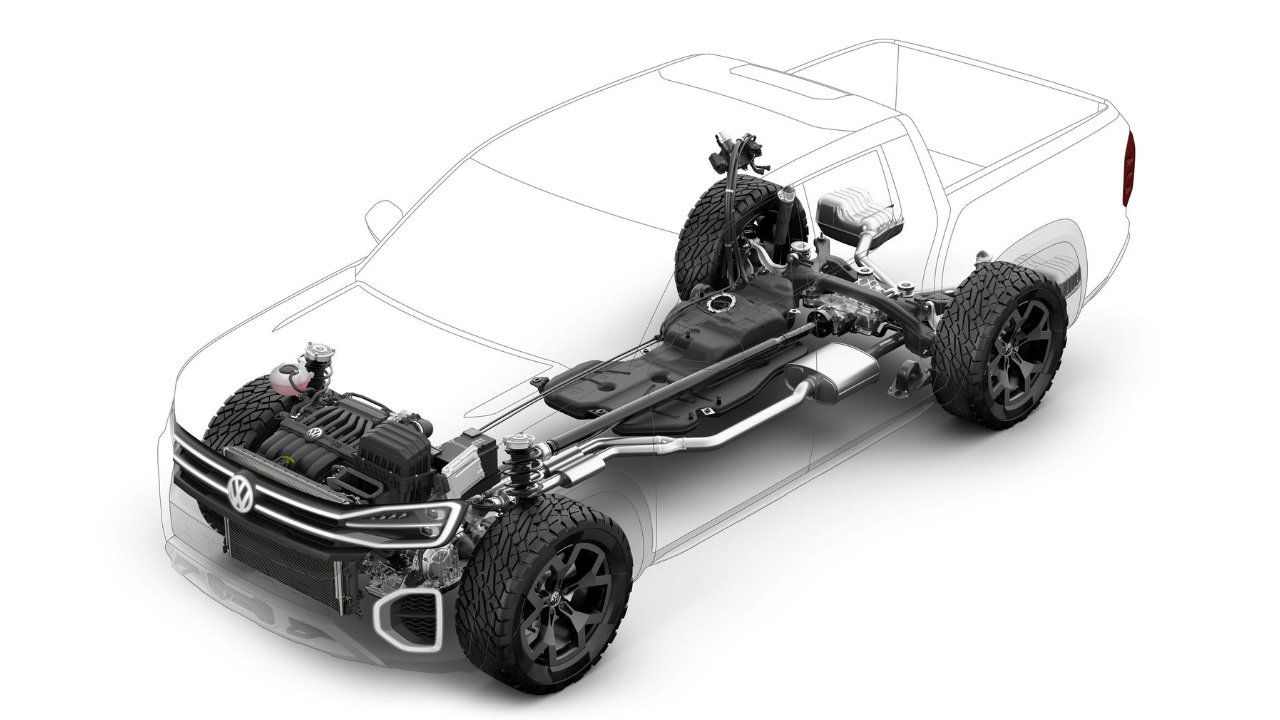 This image shows the core drivetrain parts unique to AWD systems, including the transfer case, differentials, and driveshafts.
Credit: www.complexevw440.com
This image shows the core drivetrain parts unique to AWD systems, including the transfer case, differentials, and driveshafts.
Credit: www.complexevw440.com
4WD System Maintenance Requirements
4WD systems are built for heavy-duty, low-traction use, but their manual engagement design and exposed components require a different set of care tasks than AWD. Regular maintenance is especially critical for drivers who use their 4WD for off-roading, towing, or driving in harsh winter conditions.
Transfer Case and Differential Fluid Service
Part-time 4WD systems use a transfer case to split power between the front and rear axles, and most models have front and rear differentials to allow wheels to turn at different speeds when cornering. Transfer case fluid should be changed every 30,000 to 60,000 miles, while differential fluid should be replaced every 60,000 to 90,000 miles under normal use. If you frequently off-road, cross deep water, or tow heavy loads, change these fluids every 15,000 to 25,000 miles, as mud, water, and heavy strain can contaminate fluid faster than standard driving. Always use the exact fluid type specified in your owner’s manual, as mixing GL-4 and GL-5 fluids can damage gear coatings. You can also read our guide on what maintenance tasks are essential for maximising hydraulic system lifespan.
Locking Hub and Drivetrain Inspections
Part-time 4WD systems use locking hubs to engage and disengage the front wheels from the drivetrain. Manual locking hubs require regular cleaning and lubrication to avoid seizing, especially if you only use 4WD seasonally. Automatic locking hubs should be inspected annually for proper engagement and wear. Inspect U-joints, CV joints, and driveshafts for cracks, grease leaks, or excessive play every 15,000 miles, and more often if you drive off-road frequently. Worn U-joints or CV joints can cause dangerous vibrations and total drivetrain failure if left unaddressed.
4WD Engagement System Checks
The mechanism that activates 4WD (mechanical linkage, electric shift motor, or vacuum system on older models) requires annual inspection to ensure proper function. Common issues include worn shift forks, vacuum leaks, or failed shift motors that prevent 4WD from engaging or cause grinding when switching modes. If you notice difficulty shifting into 4WD, or the system slips out of gear under load, have the engagement system inspected immediately to avoid further damage. You can also read our guide on do active soil depressurization systems require regular maintenance.
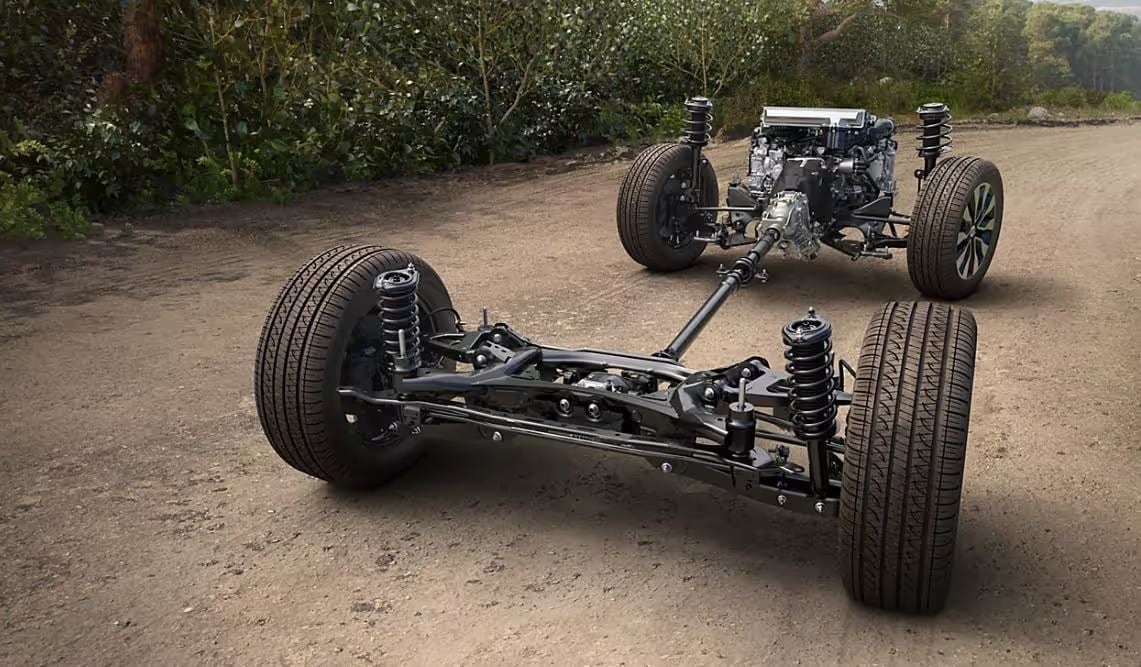 This image shows a 4WD system's transfer case and locking hubs, components that require regular inspection and lubrication.
Credit: www.subaruoflasvegas.com
This image shows a 4WD system's transfer case and locking hubs, components that require regular inspection and lubrication.
Credit: www.subaruoflasvegas.com
Common Issues and Early Warning Signs
Catching drivetrain issues early can save you from costly, time-consuming repairs. Below are the most common problems for each system, and the symptoms to watch for.
Typical AWD Problems and Symptoms
The most frequent AWD issues stem from poor tire maintenance or neglected fluid changes:
- Center differential or viscous coupling failure: Caused by uneven tire wear or old fluid, symptoms include whining when turning, binding during acceleration, or an AWD warning light on the dashboard.
- CV joint or axle failure: Caused by torn rubber boots that let dirt and water ingress, symptoms include a clicking noise when turning, or vibration that increases with speed.
- Transfer case leaks: Caused by worn seals, symptoms include puddles of red or brown fluid under the vehicle, or whining noises from the transfer case.
A common mistake AWD owners make is replacing only one or two tires when wear is uneven, which causes irreversible damage to the center differential in as little as 5,000 miles.
Typical 4WD Problems and Symptoms
4WD issues are often tied to heavy use, infrequent maintenance, or improper engagement:
- Transfer case gear damage: Caused by shifting into 4WD on dry pavement, symptoms include loud grinding when engaging 4WD, or difficulty shifting out of 4WD.
- U-joint or CV joint failure: Caused by lack of lubrication or off-road impact, symptoms include vibration that changes with speed, or clunking noises when accelerating or decelerating.
- Locking hub seizure: Caused by infrequent use or dirt buildup, symptoms include the 4WD system failing to engage, or the vehicle binding when turning in 4WD.
If you’ve ever felt a sudden jerk or heard grinding sounds when switching to 4WD, these are early warning signs that should be addressed immediately to avoid total drivetrain failure.
2026 Maintenance Cost Comparison
Maintenance costs for AWD and 4WD systems vary based on vehicle make, model, and usage, but 2026 national averages provide a clear benchmark for budgeting:
AWD Maintenance Costs
- Transfer case fluid change: $150–$300
- Differential fluid change (per axle): $100–$250
- CV joint replacement (per side): $300–$700
- Full transfer case replacement: $1,500–$3,000
Luxury AWD systems (e.g., Audi Quattro, BMW xDrive) have 20–30% higher parts and labor costs than mainstream AWD systems (e.g., Subaru Symmetrical AWD, Honda Real Time AWD).
4WD Maintenance Costs
- Transfer case fluid change: $120–$280
- Differential fluid change (per axle): $80–$200
- U-joint replacement (per side): $150–$400
- Full transfer case replacement: $1,200–$2,500
4WD systems used regularly for off-roading or heavy towing have 15–25% higher long-term maintenance costs than part-time 4WD systems used only for occasional winter driving, due to increased wear on drivetrain components. These unexpected repair costs can add to your monthly household expenses, so staying on top of routine service is a cost-saving measure long-term.
Pro Tips to Extend Drivetrain Lifespan
Small, consistent habits can add 50,000 miles or more to the life of your AWD or 4WD system, while reducing the risk of costly repairs.
Driving Habits That Reduce Wear
- Avoid sudden acceleration, hard braking, and aggressive cornering, which put excess stress on CV joints, U-joints, and differential gears.
- Never use part-time 4WD on dry, high-traction pavement, as this binds the drivetrain and causes immediate damage to the transfer case and U-joints.
- When off-roading, engage 4WD low-range before entering rough terrain, not after you’re already stuck, to reduce strain on the drivetrain.
- If you frequently drive through deep mud or water, have your transfer case and differentials inspected for fluid contamination after each off-road trip.
If you use your 4WD for off-roading, packing rugged off-road gear like portable speakers and recovery kits can make your trips safer and more enjoyable.
Routine Service Best Practices
- Always use manufacturer-recommended fluids for your transfer case and differentials; generic fluids can cause seal damage and premature wear.
- Replace all four tires at the same time on AWD vehicles, and never use a spare tire with significantly different tread depth.
- Schedule a full drivetrain inspection annually, even if you don’t notice any issues, to catch small leaks or wear before they become costly repairs.
- Keep a detailed log of all fluid changes and inspections, including regular service record reviews to verify your maintenance history; this can increase your vehicle’s resale value by up to 10%.
For drivers who rely on their vehicle for work, a well-maintained AWD or 4WD system ensures you arrive on time, paired with reliable mobile work tools to stay productive on the go.
Frequently Asked Questions
How often should I change AWD transfer case fluid?
For most 2020 and newer AWD vehicles, manufacturers recommend changing transfer case fluid every 30,000 to 50,000 miles under normal driving conditions. If you frequently tow, drive in stop-and-go traffic, or live in a climate with extreme temperatures, reduce this interval to 25,000 miles. Check your owner’s manual for model-specific guidance, as some luxury AWD systems require more frequent changes.
Can I use 4WD on dry pavement?
No, unless your vehicle is equipped with a full-time 4WD system with a center differential. Part-time 4WD locks the front and rear driveshafts together, forcing both axles to turn at the same speed. On dry pavement, this causes drivetrain binding, which can damage the transfer case, U-joints, and tires in a matter of miles. Only engage part-time 4WD when traction is limited, such as on snow, mud, sand, or loose gravel.
Are AWD vehicles more expensive to maintain than 4WD?
On average, routine maintenance costs for AWD and 4WD systems are comparable, with AWD fluid changes running $150–$300 and 4WD fluid changes $120–$280. However, AWD repairs (like center differential or viscous coupling replacement) are often more expensive than equivalent 4WD repairs, with costs ranging from $1,000 to $3,000 for a full transfer case replacement, depending on the vehicle. 4WD systems used regularly for off-roading may have higher long-term maintenance costs due to increased wear on U-joints, differentials, and locking hubs.
What happens if I neglect AWD/4WD maintenance?
Neglecting regular maintenance is the leading cause of catastrophic drivetrain failure. Low or dirty fluid causes accelerated gear wear, seal damage, and eventual component failure. Uneven tire wear on AWD systems can destroy the center differential or viscous coupling in as little as 10,000 miles, leading to repair bills of $2,000 or more. For 4WD systems, failing to lubricate locking hubs can cause them to seize, leaving you stuck in 4WD or unable to engage the system when you need it. Regular drivetrain maintenance is also highlighted in official vehicle maintenance guidance from the National Highway Traffic Safety Administration as a key factor in preventing road accidents and extending vehicle lifespan.
Conclusion
AWD and 4WD systems offer unique benefits for different driving needs, but their maintenance requirements are not interchangeable. AWD systems require strict adherence to tire rotation and alignment schedules, plus regular fluid changes for the transfer case and differentials, to prevent damage to their automatic power distribution components. 4WD systems need regular inspections of the transfer case, locking hubs, and drivetrain, plus careful adherence to proper engagement rules (never use part-time 4WD on dry pavement) to avoid catastrophic wear. By following manufacturer-recommended service intervals, addressing warning signs early, and adopting the driving habits outlined above, you can extend the life of your drivetrain by tens of thousands of miles and avoid costly, unexpected repairs. If you’re unsure about your vehicle’s specific maintenance schedule, consult your owner’s manual or a certified mechanic to get a personalized service plan tailored to your driving habits.