Where to Get Started Electronic Hobby: Ultimate Beginner’s Guide
Are you itching to dive into the fascinating world of electronics but don’t know where to begin? You’re not alone.
Many enthusiasts feel overwhelmed by the vast array of components, tools, and projects available. But the good news is, starting your electronic hobby can be easier than you think. Imagine the thrill of creating your own gadgets, understanding how everyday devices work, and joining a community of like-minded tinkerers.
This guide is crafted just for you, to simplify your first steps and ignite your passion for electronics. So, let’s uncover the essential tips and resources you need to kick-start your electronic hobby with confidence and excitement.
Choosing Your First Electronics Kit
Choosing your first electronics kit is an exciting step into the world of circuits and gadgets. A good kit helps you learn the basics clearly. It provides parts and instructions to build simple projects. This makes learning fun and hands-on. Picking the right kit can keep you motivated and confident.
Starter Kits For Beginners
Starter kits usually include common components like resistors, LEDs, and breadboards. They come with easy-to-follow guides for basic projects. These kits are perfect for beginners. They help you understand simple circuits and how parts work together. Choose kits with clear instructions and simple projects to build your skills step by step.
Tools You’ll Need
Some basic tools make working with electronics easier. A small screwdriver set helps with assembling parts. Wire cutters and strippers are useful for preparing wires. A multimeter lets you check voltage and continuity. Soldering irons are needed if you want to make permanent connections. Investing in these tools improves your learning and project quality.
Affordable Vs. Advanced Kits
Affordable kits are great for beginners with a small budget. They focus on basic components and simple projects. Advanced kits include more parts and complex instructions. They often cover programming and microcontrollers. Start with an affordable kit to build confidence. Move to advanced kits as your skills grow and you want new challenges.
Basic Components To Know
Starting in electronics means knowing the basic parts. These parts form the foundation of every project. Understanding them helps you build circuits and solve problems. Each component has a special job. Learning their roles makes your hobby easier and more fun.
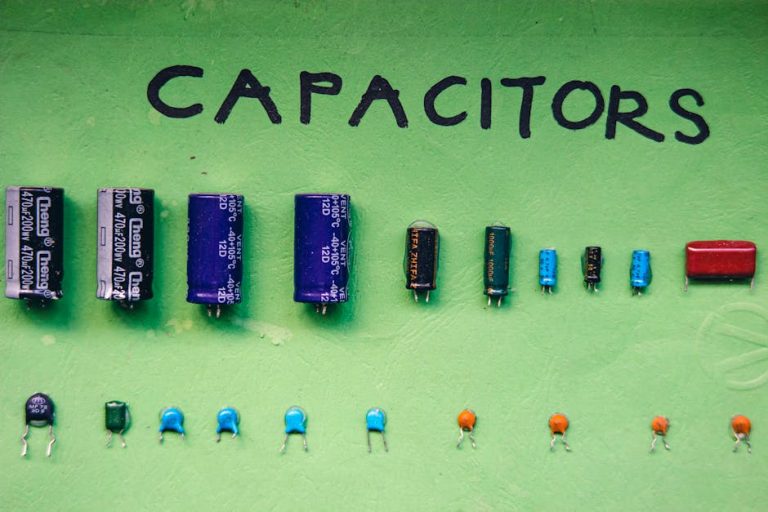
Resistors And Capacitors
Resistors control the flow of electric current. They protect parts from too much electricity. Capacitors store and release electric charge quickly. They help smooth signals and power in circuits. Both parts come in many sizes and values. You read their values from color codes or numbers.
Transistors And Diodes
Transistors act like switches or amplifiers. They can turn current on or off in a circuit. Diodes let current flow in one direction only. They protect circuits from damage and control signals. Both parts are small but powerful in electronics. They are found in almost every device.
Microcontrollers And Sensors
Microcontrollers are tiny computers on a chip. They run programs and control other parts. Sensors detect things like light, temperature, or motion. They send signals to microcontrollers for action. Together, they make projects smart and interactive. Knowing how they work opens many possibilities.
Setting Up Your Workspace
Setting up a workspace for your electronics hobby is the first step to success. A well-organized area helps you focus and work safely. It also makes your projects more enjoyable. Create a space that fits your needs and keeps tools handy. Proper setup saves time and avoids frustration.
Safe And Organized Environment
Choose a quiet spot with good lighting and ventilation. Keep your workspace free from clutter. Use a sturdy table to hold your tools and parts. Avoid eating or drinking near your electronics to prevent damage. Use an anti-static mat to protect sensitive components. Arrange cables and wires to avoid tripping hazards.
Essential Tools And Equipment
Start with basic tools like:
- Soldering iron and solder
- Wire cutters and strippers
- Multimeter for testing circuits
- Screwdrivers of various sizes
- Tweezers for small parts
- Helping hands or clamps
Choose tools that fit your budget and skill level. Quality tools last longer and work better.
Storage And Maintenance Tips
Use small containers or bins to sort components by type. Label each container clearly. Keep your tools in a toolbox or drawer. Clean your workspace regularly to avoid dust buildup. Check your tools for wear and replace them when needed. Store solder and flux in a cool, dry place to keep them fresh.
Learning Through Simple Projects
Learning electronics by doing simple projects is one of the best ways to understand the basics and stay motivated. Hands-on experience helps you see how components work together and builds your confidence. Starting small lets you avoid feeling overwhelmed and keeps the process fun and rewarding.
Building A Basic Circuit
Begin with a basic circuit like lighting up a single LED. This project teaches you about power sources, resistors, and how current flows. You’ll get familiar with a breadboard and wiring, which are essential skills for any electronic hobbyist.
Try swapping components like resistors with different values to see how brightness changes. This simple experiment deepens your understanding of electrical resistance. Have you noticed how a tiny change in parts can affect the whole circuit?
Creating Led Blinkers
Next, move on to making LED blinkers using a 555 timer chip. This project introduces you to timing circuits and pulse generation. Watching an LED blink at different speeds is a satisfying way to learn about oscillators.
Adjust the timer’s resistors or capacitors to change the blinking rate. This hands-on tuning shows how components influence circuit behavior. What other patterns could you create by combining multiple LEDs?
Assembling A Simple Alarm
Building a simple alarm is a practical project that combines sensors, switches, and buzzers. You’ll learn how electronic signals can trigger actions, which is the foundation for many real-world devices. This project also encourages problem-solving as you troubleshoot why the alarm might not sound.
Experiment with different triggers like light or motion sensors to activate your alarm. How could you customize your alarm for specific situations or environments? This project not only teaches electronics but sparks creativity in designing useful gadgets.
Finding Resources And Communities
Starting an electronics hobby requires access to good resources and a supportive community. These help beginners learn faster and avoid common mistakes. Finding the right place to study and connect with others makes the journey more enjoyable.
Several options exist for learning electronics. Some prefer guided lessons, while others enjoy hands-on help from peers. Combining different resources often works best for steady progress.
Online Tutorials And Videos
Online tutorials offer step-by-step guides for beginners. Videos show how to build circuits and use tools clearly. Many sites provide free content, ideal for low-cost learning.
- Watch beginner-friendly videos on platforms like YouTube.
- Use websites with interactive lessons and quizzes.
- Follow series that start with basic concepts.
Forums And Social Media Groups
Forums connect hobbyists from all skill levels. Members ask questions, share projects, and give advice. Social media groups provide quick tips and updates.
- Join forums like Electronics Stack Exchange or All About Circuits.
- Participate in Facebook or Reddit groups focused on electronics.
- Post your projects to get feedback and ideas.
Local Workshops And Maker Spaces
Local workshops offer hands-on experience with guidance. Maker spaces provide tools and a place to build. Meeting people face-to-face boosts motivation and skills.
- Find nearby maker spaces through community centers or libraries.
- Attend workshops on soldering, programming, or circuit design.
- Collaborate with others on group projects.
Troubleshooting Common Issues
Troubleshooting is a key skill in electronics. It helps you fix issues and learn more about circuits. Problems are common for beginners. Knowing how to find and solve them saves time and frustration.
Start by checking parts that might be faulty. Use tools that help you test connections and components. Careful observation and testing lead to better results.
Identifying Faulty Components
Look for signs like burnt marks or broken parts. Smell can also reveal overheating. Loose wires or cold solder joints cause problems too.
Test components visually before using tools. Replace any part that looks damaged or suspicious.
Using A Multimeter Effectively
A multimeter measures voltage, current, and resistance. Set it correctly for the test you want to do. Touch probes to the right points in the circuit.
Check batteries, resistors, and diodes with the multimeter. It helps confirm if components work or need replacing.
Debugging Circuit Problems
Start with the power supply. Confirm it gives correct voltage. Follow the circuit path step-by-step. Look for breaks or shorts.
Use a systematic approach: test one part at a time. Write down what you find. This helps track the problem and avoid mistakes.
Expanding Your Skills
Expanding your skills in electronics opens many new possibilities. It helps you build more complex and useful projects. Learning new techniques and tools makes your hobby more rewarding and fun.
Focus on improving hands-on skills and understanding key concepts. This approach builds confidence and encourages creativity. Start with simple tasks and gradually try harder ones to keep growing.
Learning To Solder
Soldering is a basic skill for electronics hobbyists. It joins components to circuit boards with melted metal. Good soldering ensures strong and lasting connections.
Practice on simple kits or scrap boards first. Use a soldering iron with adjustable temperature. Keep the tip clean and apply heat briefly to avoid damage.
- Use safety glasses to protect your eyes.
- Work in a well-ventilated area.
- Practice steady hand movements for neat joints.
Programming Microcontrollers
Microcontrollers are small computers in many electronic devices. Programming them allows control over sensors, lights, and motors. It gives life to your projects.
Start with beginner-friendly boards like Arduino or Raspberry Pi Pico. Learn basic coding concepts using simple languages like C or Python. Experiment with example codes and modify them.
- Understand inputs and outputs of microcontrollers.
- Use online tutorials and community forums for help.
- Test code on real hardware to see results.
Exploring Advanced Projects
Advanced projects combine multiple skills and components. They challenge your knowledge and problem-solving abilities. Try building robots, home automation, or wireless devices.
Break down complex projects into smaller tasks. Plan and research each part carefully. Use schematics and code libraries to save time.
- Keep notes of your design and changes.
- Test each section before full assembly.
- Share your work with hobby groups for feedback.
Frequently Asked Questions
What Are The Best Beginner Electronics Kits?
Starter kits like Arduino and Raspberry Pi are ideal. They include components, guides, and projects for easy learning. These kits help beginners build circuits and code. They provide hands-on experience, boosting confidence in electronics.
Where Can I Buy Electronic Components Affordably?
Online stores like Amazon, eBay, and AliExpress offer affordable parts. Local electronics shops and hobby stores also stock components. Compare prices and check shipping times before purchasing. Buying in bulk often reduces costs.
How Do I Learn Basic Electronics Concepts?
Start with online tutorials and YouTube videos focused on basics. Books and courses on electronics fundamentals are helpful too. Practice by building simple circuits to reinforce learning. Joining hobbyist forums can provide valuable support and advice.
What Tools Do I Need For Electronic Hobbies?
Essential tools include a soldering iron, multimeter, wire cutters, and screwdrivers. A breadboard is useful for prototyping circuits without soldering. Having a power supply and jumper wires makes project building easier. Quality tools improve accuracy and safety.
Conclusion
Starting an electronic hobby can be fun and rewarding. Begin with simple projects and basic tools. Learn step by step and enjoy each small success. Join online groups or local clubs to share ideas. Remember, patience and practice help build your skills.
Keep experimenting and stay curious. Electronics open many doors to creativity and problem-solving. Take your time and enjoy the journey.