What Kind of Electronics Hobby Sparks Creativity and Innovation?
Are you fascinated by the world of electronics and eager to dive into a hobby that sparks your creativity? Whether you’re dreaming of building your own gadgets or simply want to understand how things work, finding the right electronics hobby can open up a world of excitement and innovation.
Imagine the thrill of creating something from scratch, right at your fingertips! But with so many options available, how do you choose the one that’s perfect for you? You’ll uncover the most engaging and rewarding electronics hobbies, tailored to match your interests and skill level.
Get ready to discover a hobby that not only challenges your mind but also brings endless joy and satisfaction. Keep reading, and let’s find the perfect fit for your electronic adventures!
Popular Electronics Hobbies
Electronics hobbies attract many people who enjoy hands-on learning and creativity. These hobbies offer a chance to explore how devices work and build exciting projects. Popular electronics hobbies include activities that suit beginners and advanced enthusiasts alike. Each hobby lets you develop skills in designing, programming, and problem-solving.
Diy Circuit Building
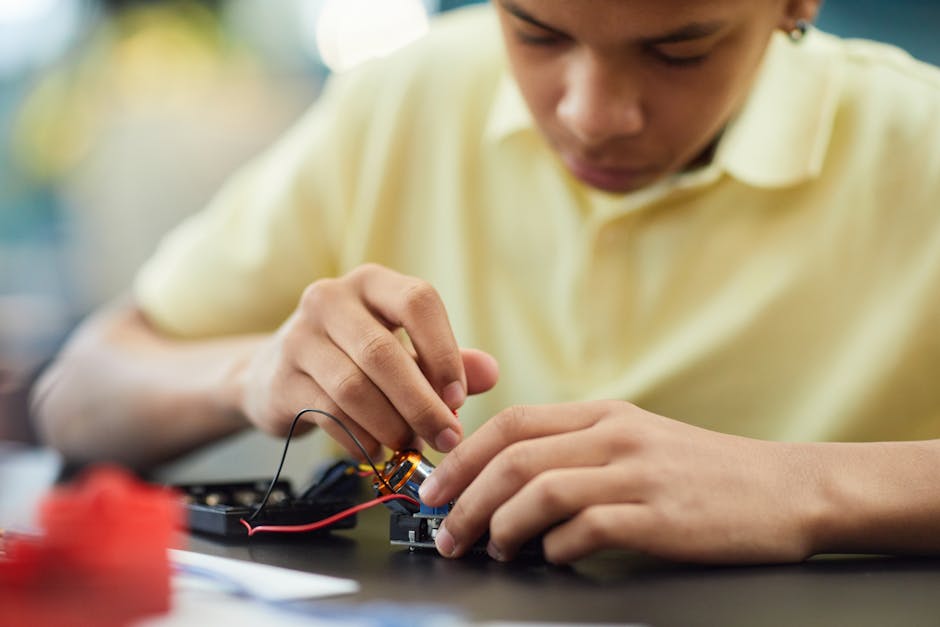
DIY circuit building is a classic electronics hobby. It involves creating simple electronic circuits using components like resistors, capacitors, and transistors. Beginners learn basic concepts such as current, voltage, and resistance. This hobby helps improve soldering skills and understanding of electronic parts. Many start by building small gadgets like LED blinkers or sound alarms.
Arduino Projects
Arduino projects are very popular among electronics hobbyists. Arduino is a small, programmable board that controls electronic parts. Hobbyists use it to build robots, home automation, and sensor devices. It requires basic coding knowledge, which is easy to learn. Arduino encourages creativity and problem-solving through endless project ideas.
Raspberry Pi Experiments
Raspberry Pi experiments offer a mix of electronics and computing. Raspberry Pi is a tiny computer that fits in your hand. You can connect it to screens, sensors, and motors. This hobby suits those interested in programming and hardware. People build media centers, weather stations, and simple games with Raspberry Pi.
Robotics And Automation
Robotics and automation combine mechanics, electronics, and software. Hobbyists design and build robots that perform tasks automatically. This hobby teaches skills in sensors, motors, and control systems. Robots range from simple line-followers to complex drones. It offers a great way to understand real-world engineering and technology.
Creative Benefits Of Electronics Hobbies
Electronics hobbies open a door to creativity and innovation. They encourage you to think in new ways and bring ideas to life. These hobbies help develop skills that are useful beyond the workshop.
Hands-on Problem Solving
Working with electronics requires fixing issues step by step. It teaches patience and sharp thinking. Each problem solved builds confidence and understanding.
Finding solutions involves trial and error. This process improves critical thinking skills. It also boosts your ability to focus on details.
Designing Custom Gadgets
Creating your own devices lets you express unique ideas. It allows you to tailor tools to your needs. This freedom sparks innovation and personal satisfaction.
You learn to plan and execute designs. It involves choosing parts and assembling them carefully. The result is a product made just by you.
Combining Art With Technology
Electronics can be a form of art. Projects often include lights, sounds, and movement. This mix creates visually stunning and interactive pieces.
Art and technology together enhance creativity. They allow you to explore new ways to communicate. Your projects can tell stories or create moods.
Innovation Through Electronics Play
Innovation Through Electronics Play is more than just tinkering with circuits. It’s about exploring new possibilities and turning creative ideas into reality. When you engage with electronics hands-on, you open doors to learning, experimenting, and improving in ways that theory alone can’t provide.
Prototyping New Ideas
Building prototypes lets you test your ideas quickly and see what works. You don’t need perfect components or expensive tools to start; even simple setups can reveal valuable insights. Have you ever noticed how a quick breadboard circuit helps you understand a concept better than diagrams alone?
Prototyping encourages you to try different approaches without fear. It’s a playground for creativity where every failure teaches something new. What small project could you start today to bring your idea closer to reality?
Open Source Collaboration
Working with others on open source electronics projects expands your knowledge and skillset. You can share your designs and learn from people worldwide who face similar challenges. This teamwork often leads to improvements you wouldn’t have thought of on your own.
Participating in open communities also keeps you updated on the latest trends and tools. Have you joined any electronics forums or contributed to open source projects yet? Your unique perspective might be exactly what someone else needs.
Learning From Failures
Failure in electronics is not the end; it’s a step toward success. Each mistake reveals what doesn’t work and guides you toward better solutions. When a circuit doesn’t perform as expected, what clues can you gather to fix it?
Keeping a log of your trials and errors helps you track progress and avoid repeating mistakes. Remember, every expert was once a beginner who faced many setbacks. How will you use your next failure to grow?
Tools That Spark Creativity
Tools shape your electronics hobby more than you might expect. The right gear doesn’t just make projects easier—it sparks new ideas and keeps you excited to build. From simple kits to advanced programming platforms, these tools open doors to creativity and discovery.
Soldering Kits And Tools
Nothing beats the hands-on thrill of soldering your own circuits. A good soldering kit usually includes a soldering iron, solder wire, and a stand, giving you everything to start joining components securely.
Picking the right soldering iron tip size matters—it helps you work on tiny parts without damage. I remember when I upgraded my iron from a generic one to a temperature-controlled model, my solder joints improved instantly. Have you checked if your kit fits the projects you want to try?
Microcontrollers And Sensors
Microcontrollers like Arduino or Raspberry Pi are your project’s brain. They let you control lights, motors, and sensors, turning simple ideas into interactive gadgets.
Sensors add real-world data—temperature, motion, or light—to your projects. Adding a motion sensor to a night light project made it much smarter, saving energy and adding convenience. Which sensor could bring your next project to life?
Programming Platforms
Programming platforms provide the software side for your hardware. Platforms like Arduino IDE or MicroPython give you the tools to write code that controls your devices.
These platforms often offer tutorials and community support, making learning easier. When I first started coding on Arduino, the simple interface helped me focus on creating rather than struggling with complex setups. What programming environment feels most intuitive to you?
Getting Started With Electronics
Starting your journey in electronics can feel overwhelming, but it doesn’t have to be. The key is to take manageable steps that build your confidence and skills. By choosing the right projects, tapping into quality resources, and connecting with like-minded people, you’ll find yourself learning faster and enjoying the process more.
Choosing Beginner-friendly Projects
Pick projects that match your current knowledge and tools. Simple kits like blinking LED circuits or basic radio receivers are excellent starters. These projects teach you core concepts without confusing you with complex parts.
Think about what excites you. Is it building a small robot or creating a custom alarm? Starting with something you care about keeps motivation high and makes troubleshooting feel rewarding rather than frustrating.
Finding Online Resources
The internet is packed with tutorials, videos, and forums tailored for beginners. Websites like Adafruit, SparkFun, and Instructables provide step-by-step guides with clear photos and explanations.
Don’t just read—watch videos and follow along. Visual learning speeds up understanding, especially for wiring and soldering techniques. Bookmark a few favorite sources so you can quickly return when you hit a snag.
Joining Maker Communities
Connecting with other electronics enthusiasts can accelerate your progress. Local maker spaces and online groups offer support, advice, and sometimes even shared tools.
Have you ever felt stuck on a problem and found the answer after a quick chat with a fellow hobbyist? That’s the power of community. You’ll also discover new project ideas and learn shortcuts that save you time and effort.
Frequently Asked Questions
What Are Popular Electronics Hobbies For Beginners?
Popular electronics hobbies for beginners include building simple circuits, soldering kits, and Arduino projects. These activities teach basic skills and boost creativity.
How Can Electronics Hobbies Improve Problem-solving Skills?
Electronics hobbies challenge you to troubleshoot and fix issues. This process enhances analytical thinking and practical problem-solving abilities.
What Tools Do I Need For Electronics Hobbies?
Basic tools include a soldering iron, multimeter, wire cutters, and breadboard. These help in assembling and testing electronic components effectively.
Are Electronics Hobbies Suitable For All Age Groups?
Yes, electronics hobbies can be adapted for all ages. Beginners can start with simple kits, while advanced users explore complex projects.
Conclusion
Choosing an electronics hobby suits many interests and skills. You can build simple gadgets or explore complex circuits. Each project teaches new things and sparks creativity. Start small, and enjoy learning step by step. Electronics hobbies bring fun, challenge, and a sense of achievement.
Try different ideas until you find what fits best. This hobby grows with you, always offering fresh chances to create. Dive in, and see where your curiosity leads.