Why is Fire Testing Important for Consumer Electronics: Ensuring Safety & Reliability
Imagine purchasing a new smartphone, laptop, or any electronic gadget that promises to make your life easier. You trust that these devices are safe to use, but have you ever wondered why you can be so confident?
Fire testing plays a crucial role in ensuring the safety of consumer electronics. It’s not just a technicality; it’s what stands between you and potential hazards. Understanding the importance of fire testing can give you peace of mind and safeguard your well-being.
By the end of this article, you’ll discover how these tests protect you and why they are indispensable for every electronic device you own. Keep reading to uncover how fire testing not only ensures safety but also enhances the reliability and longevity of your favorite gadgets.

Credit: thelocalguystestandtag.com.au
Fire Risks In Consumer Electronics
Fire risks in consumer electronics are a serious concern that many users overlook. These devices are part of daily life, yet they can become fire hazards if not designed or maintained properly. Understanding these risks helps you protect your home and loved ones effectively.
Common Causes Of Fire Hazards
Electrical faults are a primary cause of fires in consumer electronics. Overheating components, short circuits, and faulty wiring often lead to sparks or flames.
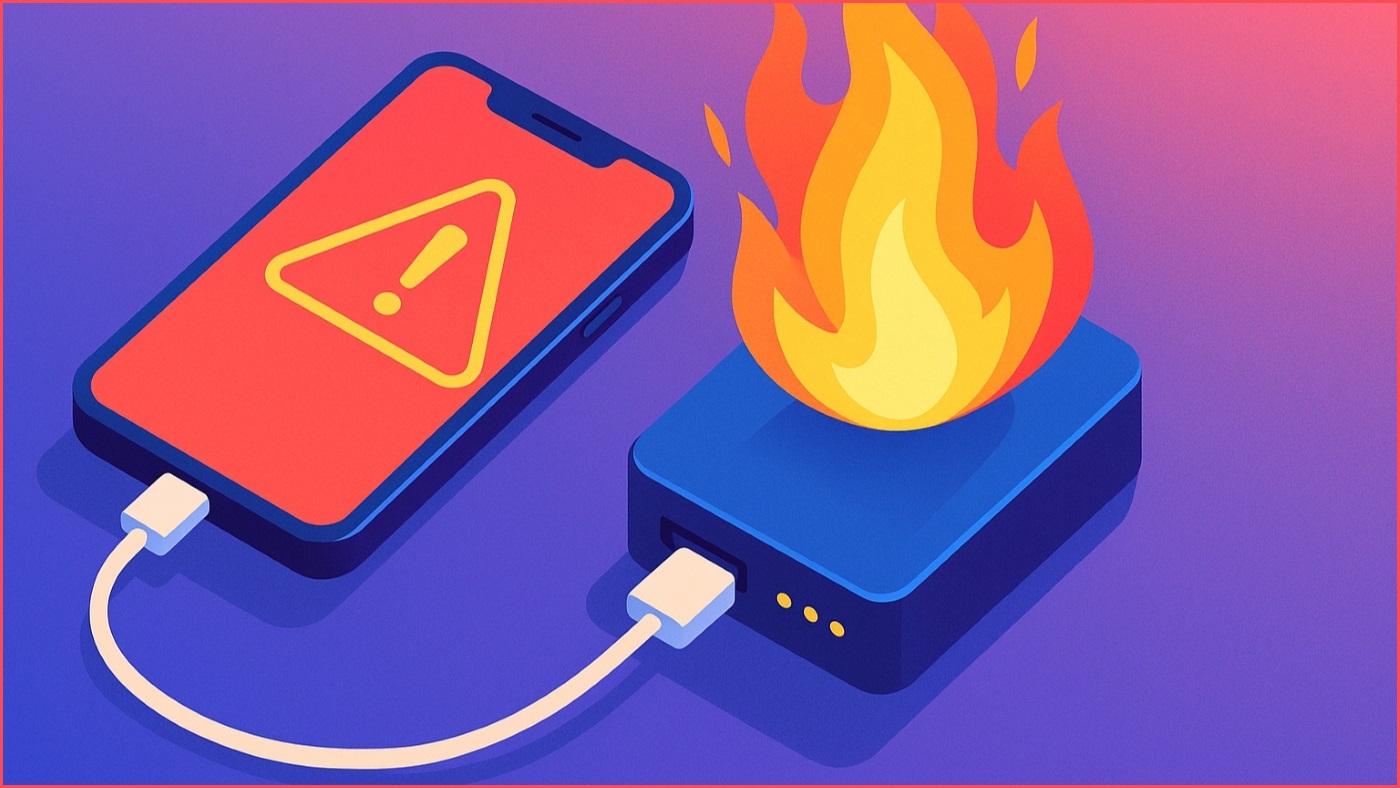
Battery failures, especially in lithium-ion batteries, can trigger fires. Swollen or damaged batteries are warning signs you shouldn’t ignore.
- Poor-quality chargers and adapters can overheat and cause fires.
- Blocked ventilation in devices traps heat, increasing fire risk.
- Physical damage to devices can expose wires or internal components.
Impact On Users And Property
Fires caused by electronics can lead to severe injuries or even loss of life. You might think it won’t happen to you until you hear stories of homes destroyed by a small device left charging overnight.
Beyond personal safety, fires result in costly property damage. Repairing or replacing belongings and homes after a fire can be financially overwhelming.
Have you ever checked if your devices are overheating or noticed unusual smells? Taking simple steps to monitor your electronics can prevent disaster and give you peace of mind.
Fire Testing Methods
Fire testing methods are essential to ensure that consumer electronics meet safety standards and protect users from potential fire hazards. These tests examine how materials and devices react under various fire-related conditions, helping manufacturers improve product design and safety features. Understanding these methods can help you appreciate the rigorous processes behind the electronics you use daily.
Flammability Testing
Flammability testing checks how easily a material catches fire and how quickly the fire spreads. This test is crucial because it identifies components that could ignite during device failure or overheating.
Materials like plastic casings and circuit boards undergo this testing to ensure they won’t contribute to rapid fire spread. Would you want your phone or laptop to turn into a fire hazard just because of a cheap plastic cover?
Heat Resistance Evaluation
Heat resistance evaluation measures how well electronic components withstand high temperatures without degrading or melting. This is important because devices often generate heat during normal use.
Testing under extreme heat conditions ensures that your device continues to function safely without posing a fire risk. Think about your laptop running for hours—this test confirms it won’t suddenly become a fire source.
Smoke And Toxicity Analysis
This method evaluates the amount and harmfulness of smoke produced when materials burn. Smoke from electronics can contain toxic gases that are dangerous to your health.
Manufacturers use this analysis to choose safer materials that emit less toxic smoke, protecting you in case of fire. Have you ever thought about how toxic the smoke from a burning device can be?
Regulations And Standards
Regulations and standards play a vital role in fire testing for consumer electronics. These rules ensure products are safe for everyday use and reduce fire risks. Following them protects consumers and builds trust in brands. They also guide manufacturers in designing safer devices.
International Safety Requirements
Many countries set strict fire safety rules for electronics. These rules cover materials, design, and testing methods. Examples include the IEC 60335 and UL 94 standards. Meeting these standards helps products enter global markets. It also lowers the chance of electrical fires or burns.
Industry Compliance And Certifications
Certifications prove a product meets safety rules. Common marks include CE, UL, and FCC. These certifications require passing fire tests by approved labs. Manufacturers use them to show their products are safe. Consumers look for these marks when buying electronics. They offer peace of mind and confirm quality.
Credit: titanalarm.net
Benefits Of Fire Testing
Fire testing plays a key role in the development of consumer electronics. It ensures products meet safety standards and protects users from fire hazards. The benefits extend beyond safety, impacting brand reputation and legal protection.
Enhancing Product Safety
Fire testing identifies weak spots in electronic devices. It helps manufacturers improve materials and design. This reduces the risk of fire accidents during use. Safer products protect consumers and minimize damage to property.
Boosting Consumer Confidence
Consumers trust products that pass strict fire tests. It shows the brand cares about safety and quality. Confidence in a product leads to higher sales and better reviews. People feel secure using electronics that meet fire safety standards.
Reducing Liability Risks
Fire testing lowers the chance of product recalls and lawsuits. It proves the product complies with safety rules. Companies avoid costly legal issues from fire-related accidents. This protects the brand’s reputation and financial health.
Challenges In Fire Testing
Fire testing consumer electronics is not a straightforward task. It involves navigating several challenges that can affect the accuracy and reliability of the test results. Understanding these difficulties helps you appreciate why fire testing is crucial and why it demands careful planning and execution.
Testing Complex Designs
Consumer electronics today come with intricate designs that include multiple components packed into small spaces. This complexity makes it difficult to simulate real-life fire scenarios accurately. For example, testing a smartphone with layered batteries, circuit boards, and plastic casings requires detailed attention to how each material reacts under heat.
Have you ever wondered how a tiny device can cause a big fire? The challenge lies in replicating the exact conditions that trigger such incidents. Without testing every possible interaction inside the device, you might miss critical weaknesses that could lead to safety hazards.
Balancing Cost And Thoroughness
Fire testing can quickly become expensive, especially when you aim for thoroughness. High-quality tests require specialized equipment, skilled technicians, and multiple test cycles to cover various scenarios. This creates a tension between wanting to keep costs low and needing comprehensive safety assurance.
Imagine you run a startup producing smart home devices. You want to ensure your products are safe, but your budget is limited. How do you decide which tests to prioritize without compromising on safety? This challenge forces manufacturers to carefully choose testing methods that offer the best value without leaving gaps in fire safety evaluation.
Future Trends In Fire Safety
Fire safety in consumer electronics is evolving fast. New technologies aim to reduce fire risks and improve protection. These future trends focus on smarter, safer devices that protect users and property. Innovations in materials and detection systems are key to better fire safety.
Advanced Materials
New materials help electronics resist fire better. Manufacturers use flame-retardant plastics and coatings. These materials slow down or stop fire spread. Some materials also reduce toxic smoke during a fire. Innovations include self-extinguishing polymers that react quickly to heat. These advances make devices safer without adding bulk or weight.
Smart Fire Detection Technologies
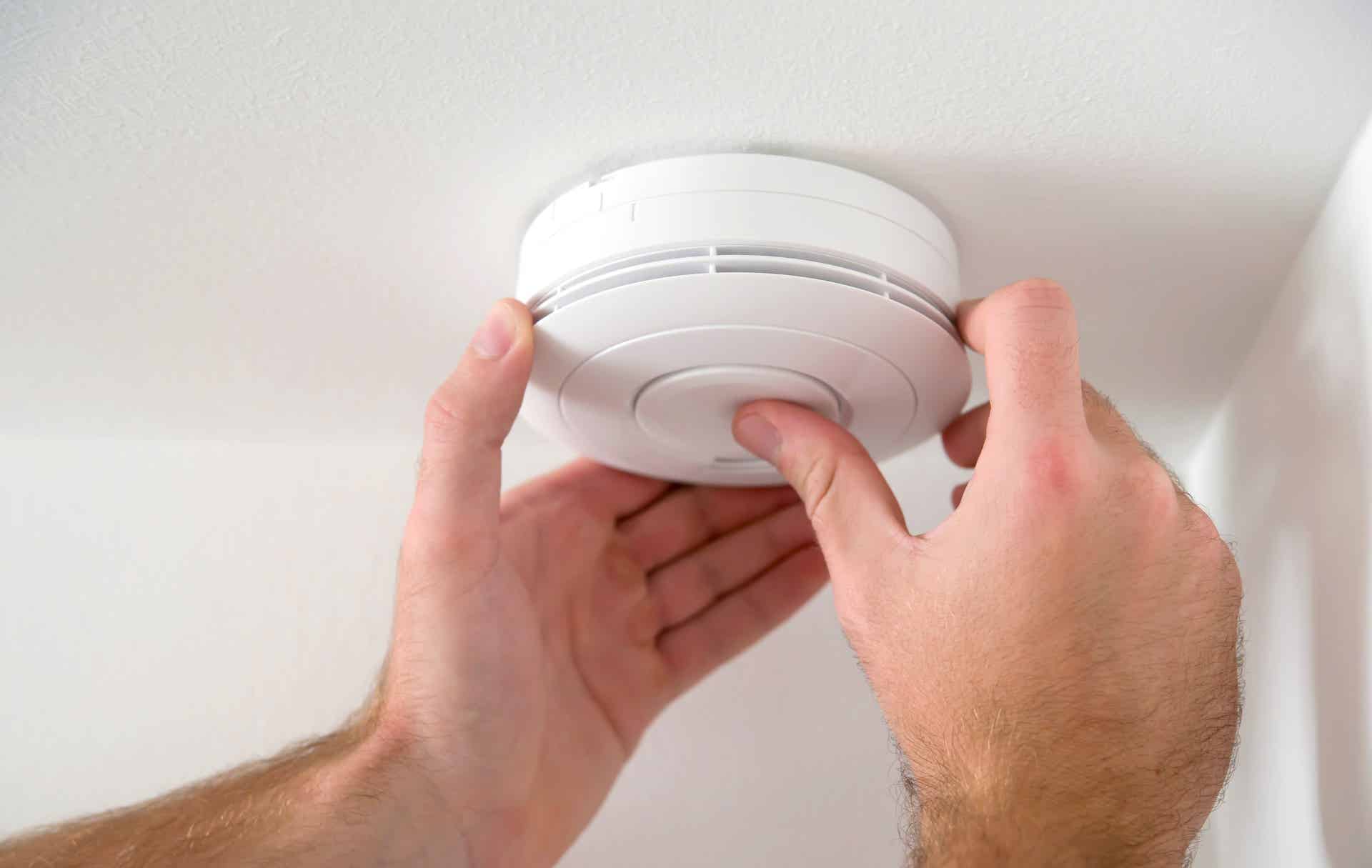
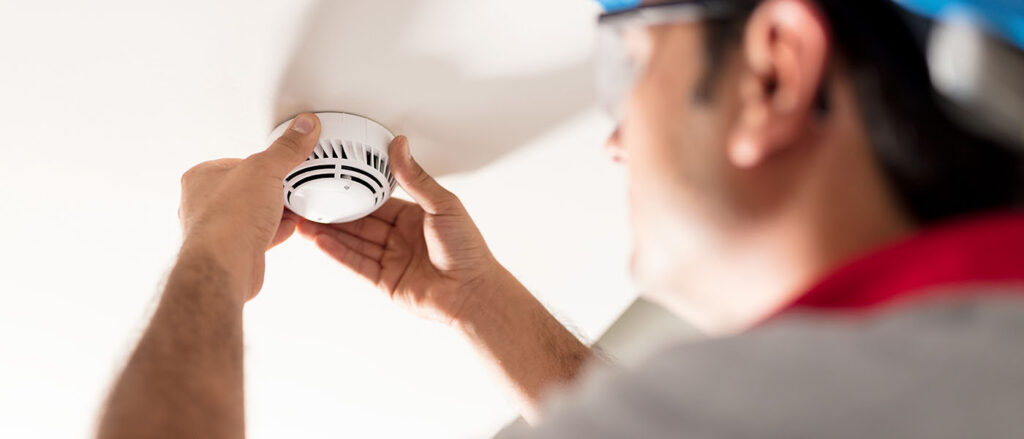
Smart sensors detect fire risks early. They monitor temperature, smoke, and electrical faults continuously. These sensors send alerts to users or emergency services instantly. Integration with smart home systems allows automatic actions, like shutting down power. Machine learning helps predict fire risks before they start. This technology reduces damage and saves lives by acting fast.
Credit: ia.acs.org.au
Frequently Asked Questions
What Is Fire Testing In Consumer Electronics?
Fire testing evaluates how electronics resist ignition and flames. It ensures devices meet safety standards and reduce fire risks to users.
Why Is Fire Testing Crucial For Electronic Product Safety?
Fire testing prevents hazards by identifying fire risks early. It helps manufacturers design safer products and protect consumers from potential fires.
How Does Fire Testing Improve Consumer Electronics Quality?
Fire testing enforces strict safety criteria. This leads to higher product durability, reliability, and user trust in electronic devices.
What Standards Govern Fire Testing For Electronics?
Standards like UL 94 and IEC 60695 guide fire testing. These protocols ensure consistent safety assessments worldwide for electronics.
Conclusion
Fire testing keeps consumer electronics safe and reliable. It helps find risks before products reach users. This testing protects homes and prevents accidents. Manufacturers improve their designs with these results. Buyers gain trust in products that pass tests. Safety matters for everyone using electronics daily.
Fire testing supports quality and long-lasting devices. It plays a key role in protecting lives and property. Choosing tested electronics means choosing peace of mind. Fire testing is not just a step, but a necessity.