Which Electronic Items Consume Most Electricity: Shocking Energy Hogs Revealed
Are you tired of those unexpected high electricity bills? Ever wondered which electronic items in your home are the silent power guzzlers?
Understanding which devices consume the most electricity can transform how you manage your energy costs. Imagine having the power to save money and contribute to a more sustainable environment just by knowing where your energy is going. This article will guide you through the top electricity-consuming electronics in your home.
By the end, you’ll have the insights needed to make smarter energy choices, potentially saving you a significant amount on your next bill. Ready to uncover the secrets behind your electricity usage? Let’s dive in!
Top Energy Hogs In Homes
Households use many electronic devices daily. Some consume a lot of electricity. These devices are called energy hogs. Knowing them helps save power and cut bills.
Heating And Cooling Devices
Heating and cooling devices use the most electricity in homes. Air conditioners, heaters, and fans run for hours. They keep rooms comfortable but drain power quickly. Old or inefficient models consume even more energy. Proper maintenance and smart settings reduce their electricity use.
Kitchen Appliances
Kitchen appliances are another major energy user. Refrigerators run all day to keep food fresh. Ovens, microwaves, and dishwashers use high power during cooking. Electric kettles and toasters also draw a lot of energy for short times. Using energy-efficient models helps lower consumption.
Entertainment Electronics
TVs, gaming consoles, and sound systems consume noticeable electricity. Large screens and powerful speakers use more power. Devices left on standby still draw energy. Turning off devices completely saves electricity. Choosing energy-saving modes reduces power use during playtime.
Office Equipment
Home office devices add to the electricity load. Computers, printers, and routers run for long hours. Monitors and laptops use less but still add up. Charging phones and tablets also consumes power. Switching off equipment after use lowers energy bills.

Credit: www.crompton.co.in
Why Some Devices Use More Power
Some electronic devices consume more electricity due to their design and how they are used. Power needs vary by device type and function. Understanding why certain gadgets use more energy helps manage electricity bills. It also aids in choosing energy-efficient products. Several factors influence power consumption in electronics.
Power Ratings And Usage Patterns
Every device has a power rating in watts. This rating shows the energy it uses when running. Devices with high power ratings draw more electricity. Usage patterns also affect consumption. Running a device for hours consumes more power than short use. Devices used continuously often have higher energy costs. Heavy-duty appliances like air conditioners and heaters have large power ratings.
Standby Power Consumption
Many devices use electricity even when off. This is called standby power or vampire power. Devices like TVs, chargers, and microwaves draw small amounts constantly. Over time, this adds up to significant energy use. Standby power can be 5 to 10 watts per device. Unplugging or using power strips helps reduce this waste. Awareness of standby power can lower electricity bills.
Age And Efficiency Of Devices
Older electronics usually consume more electricity. They lack modern energy-saving technologies. Newer models meet stricter energy standards and use less power. Efficiency labels like ENERGY STAR indicate low energy use. Aging devices may also work less efficiently over time. Replacing old appliances can reduce overall power consumption. Regular maintenance helps keep devices running efficiently.
Spotlight On Heating And Cooling
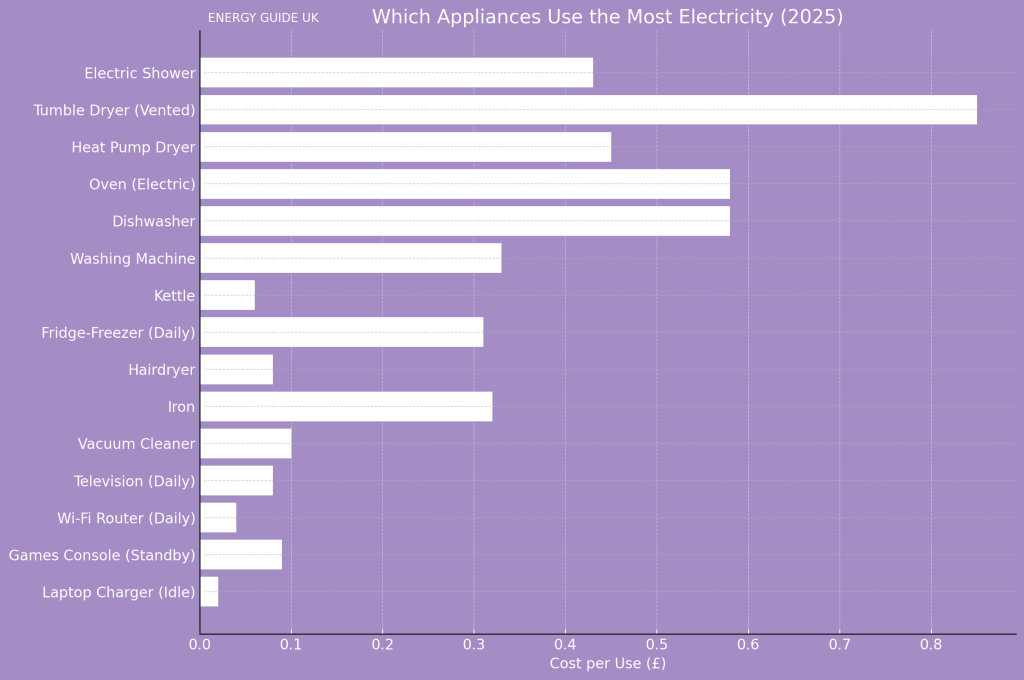
Heating and cooling devices use a large part of home electricity. These appliances run for many hours daily, making their energy use high. Understanding which heating and cooling items consume the most power helps manage electricity bills better.
Air Conditioners
Air conditioners cool rooms by removing heat and moisture. They use a compressor, fan, and coolant to lower indoor temperature. This process needs a lot of electricity, especially in hot weather. Larger units and older models consume more power. Using energy-efficient air conditioners can reduce electricity use.
Space Heaters
Space heaters warm small areas quickly. They convert electric energy directly into heat. This direct conversion makes them use a lot of electricity fast. Running a space heater all day can spike electricity bills. Choosing a heater with a thermostat helps control energy use.
Ceiling Fans
Ceiling fans move air to create a cooling effect. They use much less electricity than air conditioners or heaters. Fans do not change the room temperature but make people feel cooler. Using ceiling fans with other cooling devices lowers overall energy consumption. Fans are a cost-effective way to save electricity.
Credit: energyguide.org.uk
Energy Drain In Kitchen Gadgets
Kitchen gadgets are essential but often use a lot of electricity. They work daily, sometimes running for hours. Knowing which devices consume the most power helps control energy bills. It also reduces unnecessary energy waste in your home.
Refrigerators And Freezers
These appliances run 24/7 to keep food fresh. They use more electricity than most kitchen gadgets. Older models consume even more power. Proper maintenance can improve efficiency and cut energy use.
Microwaves And Ovens
Microwaves use electricity in short bursts for quick heating. Ovens consume more power because they heat for longer periods. Both are energy-intensive during use. Choosing the right size and energy rating helps reduce consumption.
Dishwashers And Coffee Makers
Dishwashers use water heating, which requires significant energy. Frequent use increases electricity consumption. Coffee makers heat water quickly but use less power overall. Turning off these devices when not in use saves energy.
Entertainment Electronics Power Use
Entertainment electronics are a big part of many homes, but they can also be some of the biggest electricity consumers. Understanding which devices use the most power can help you make smarter choices about when and how to use them. Let’s break down the power use of common entertainment electronics and see where you might save energy.
Televisions And Gaming Consoles
Televisions, especially larger models and older plasma or LCD screens, can draw significant electricity. A 55-inch LED TV typically uses between 50 to 100 watts, but bigger screens or 4K models may use even more. Gaming consoles, when active, can consume around 70 to 200 watts depending on the model and the intensity of the game.
If you leave these devices on standby, they still use power—sometimes up to 10 watts. Have you ever noticed your TV’s standby light glowing all day? Turning devices completely off or using power strips to cut power can reduce this wasted energy.
Sound Systems
Sound systems vary widely, from small Bluetooth speakers to large home theater setups. Larger systems with multiple speakers and amplifiers can use 100 watts or more during playback. Smaller devices, like portable speakers, use far less but can add up if you have several around the house.
Consider how often you turn your sound system on and whether you really need it at full volume. Lower volume settings reduce power use, and turning off the system when not in use saves energy that often goes unnoticed.
Streaming Devices
Streaming devices such as Roku, Amazon Fire Stick, or Apple TV are popular but often overlooked in power consumption discussions. These devices usually consume around 3 to 8 watts during use and about 1 to 2 watts on standby.
Although individually small, having multiple devices connected and always on can increase your electricity bill. Are you using all your streaming boxes regularly? Unplugging or using smart plugs to schedule power can make a difference over time.
Office Equipment Energy Impact
Office equipment can quietly add up to a significant portion of your electricity bill. Many devices remain plugged in and consume power even when not in active use. Understanding which office gadgets use the most energy helps you manage your consumption better and cut costs without sacrificing productivity.
Computers And Laptops
Computers and laptops are among the top electricity consumers in any office. Desktop computers generally use more power than laptops because of their larger components and external monitors.
Did you know that leaving your computer on overnight can double its daily energy use? Switching off or using power-saving modes when not in use can reduce this drain significantly.
Printers And Scanners
Printers and scanners may seem low-energy devices, but they can consume a lot during warm-up times and standby mode. Laser printers, in particular, use more electricity compared to inkjet models.
Keeping these devices powered down when idle can save energy. Also, consider consolidating printing tasks to reduce frequent warm-ups.
Chargers And Accessories
Chargers and small accessories often get overlooked but continue to draw power even when devices are fully charged or disconnected.
Have you ever noticed chargers getting warm in the socket without anything plugged in? Unplugging chargers when not in use can prevent this unnecessary energy waste.
Tips To Cut Down Electricity Consumption
Cutting down electricity use helps lower bills and saves energy. Small changes make a big difference over time. Focus on habits and smart choices to reduce power use at home.
Unplugging And Power Strips
Many devices use power even when turned off. This is called standby power. Unplug devices or use power strips to stop this waste. Switch off the power strip to cut electricity completely.
- Unplug chargers and small appliances when not in use
- Connect multiple devices to a single power strip
- Turn off power strips to stop phantom energy drain
Choosing Energy-efficient Models
Select appliances with high energy ratings. Energy-efficient models use less power for the same work. Look for labels like ENERGY STAR or similar certifications. These products lower your electricity use and costs.
- Buy LED bulbs instead of incandescent ones
- Choose refrigerators and washers with good energy ratings
- Use air conditioners with inverter technology for better efficiency
Regular Maintenance And Upgrades
Keep appliances clean and in good condition. Dust and dirt make devices work harder, using more power. Replace old or broken parts to keep efficiency high. Upgrade to newer models when possible for better energy savings.
- Clean filters in air conditioners and refrigerators regularly
- Service heating systems to maintain performance
- Replace old bulbs with energy-saving LED lights
Credit: www.renogy.com
Smart Technologies To Monitor Usage
Keeping track of your electricity consumption has never been easier thanks to smart technologies. These tools give you clear insights into which electronic items are using the most power in your home. By monitoring usage, you can make smarter choices that save energy and lower your bills.
Energy Monitors And Apps
Energy monitors connect directly to your electrical panel or specific outlets to track real-time power usage. Paired with user-friendly apps, they show you detailed data on your phone or tablet.
You can see exactly how much energy each device consumes throughout the day. This helps you spot power-hungry gadgets, like old refrigerators or gaming consoles left on standby. Some apps even provide tips on reducing consumption based on your habits.
Have you ever wondered which appliance quietly drains your electricity? Using an energy monitor can reveal surprising culprits and empower you to act.
Smart Plugs And Timers
Smart plugs offer a simple way to control your devices remotely and monitor their energy use. Plugging in a lamp or coffee maker through a smart plug lets you schedule on/off times, preventing unnecessary electricity waste.
Timers work similarly by automatically shutting off appliances when not needed. This is perfect for devices that tend to stay on longer than they should, like space heaters or chargers.
Imagine cutting down your energy use without changing your daily routine. Smart plugs and timers make it possible by automating control and keeping tabs on consumption.
Frequently Asked Questions
Which Home Appliances Use The Most Electricity?
Air conditioners, refrigerators, and water heaters consume the most electricity in homes. These devices run continuously or for long periods, leading to high energy use. Efficient models and proper maintenance can reduce their electricity consumption significantly.
Do Electronic Devices Consume Electricity When Turned Off?
Yes, many electronic devices consume power in standby mode. This is called “phantom load” or “vampire power. ” Unplugging devices or using power strips helps minimize this hidden electricity use and lowers your energy bills.
How Much Electricity Do Tvs And Computers Consume?
TVs and computers vary in electricity use based on size and technology. Larger screens and older models generally consume more power. Using energy-saving settings and turning off devices when not in use reduces their electricity consumption.
Are Kitchen Appliances Big Electricity Consumers?
Yes, kitchen appliances like ovens, microwaves, and dishwashers consume significant electricity. Their usage time and power rating determine total consumption. Choosing energy-efficient models and using appliances wisely can lower electricity costs.
Conclusion
Electronic items like air conditioners, heaters, and refrigerators use the most electricity. These devices run for many hours daily, which adds to high energy bills. Choosing energy-efficient models can help reduce power use. Turning off devices when not needed saves electricity too.
Being aware of your biggest electricity users helps control costs. Small changes can make a big difference in energy use. Stay mindful and use electricity wisely to save money and the environment.