What Does Abs Electronic Component Mean: Essential Guide Explained
Have you ever wondered what the ABS electronic component really means and why it matters in your daily life? Whether you’re curious about your car’s safety features or just want to understand the technology behind it, knowing what ABS stands for can give you a clearer picture of how things work.
This simple term holds the key to important functions that keep you and your loved ones safe on the road. Keep reading, and you’ll discover what ABS is, why it’s essential, and how it impacts your driving experience in ways you might not expect.
Abs Component Basics
The ABS electronic component plays a crucial role in vehicle safety systems. Understanding its basics helps you appreciate how your car prevents wheel lockup during sudden braking. This knowledge can also guide you in identifying issues or communicating effectively with mechanics.
What Is An Abs Electronic Component?
The ABS (Anti-lock Braking System) electronic component is a part of the car’s braking system that controls wheel speed sensors and hydraulic valves. It uses electronic signals to prevent wheels from locking during hard braking. This ensures you maintain steering control and reduce stopping distances on slippery surfaces.
Key Parts Of The Abs Component
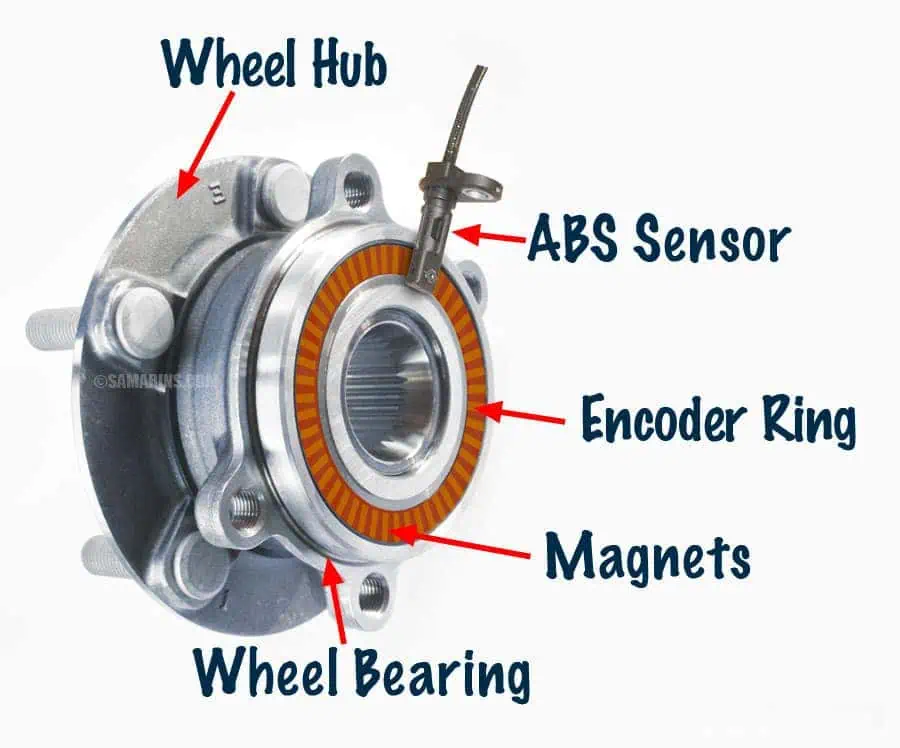
- Wheel Speed Sensors:These sensors monitor the speed of each wheel and send data to the ABS control module.
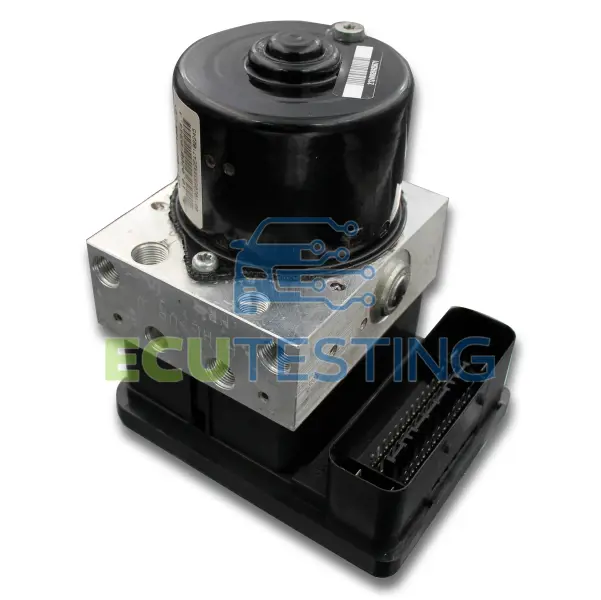
- ABS Control Module:Acts as the brain of the system, processing sensor data and deciding when to activate braking pressure adjustments.
- Hydraulic Valves:These valves regulate brake fluid pressure to each wheel, preventing lockup by modulating the brakes.
How Does The Abs Electronic Component Work?
The system constantly monitors wheel speed while you drive. If it detects a wheel about to lock, it sends signals to reduce brake pressure temporarily. This pulsing action allows the wheel to keep spinning, giving you better control.
Have you ever felt a rapid pulsing in the brake pedal during hard stops? That’s the ABS in action, working to keep you safe.
Why Knowing Abs Basics Matters To You
Understanding ABS components helps you spot warning signs like dashboard lights or unusual brake behavior. When your ABS light comes on, you’ll know it’s time to check sensors or control modules. This awareness can prevent costly repairs and keep your vehicle safe on the road.

Credit: circuitboardmedics.com
History Of Abs Technology
The history of ABS technology dates back to the mid-20th century. It began as a safety feature to prevent car wheels from locking during braking. This innovation improved control and reduced accidents. Over time, ABS evolved into a crucial electronic component in modern vehicles.
Early experiments with anti-lock brakes started in the 1920s. However, these systems were bulky and unreliable. It was not until the 1970s that ABS became practical for cars. Advances in electronics made it possible to monitor wheel speed and adjust braking force quickly.
Today, ABS is a standard feature in most vehicles. It works through sensors, control modules, and valves. These parts work together to maintain traction and stability during sudden stops. The technology has saved countless lives by preventing skidding and loss of control.
Origins Of Anti-lock Braking Systems
The first anti-lock braking systems appeared in airplanes. Designers wanted to avoid wheel lockup during landing. This inspired engineers to adapt the idea for cars. Early car ABS systems were mechanical and complex.
Technological Advancements In Abs
The introduction of electronic sensors changed everything. Wheel speed sensors could detect slipping instantly. Electronic control units processed this data and adjusted brakes fast. This shift made ABS more reliable and affordable.
Abs In Modern Vehicles
Modern ABS systems use advanced electronics and software. They integrate with other safety features like traction control. The system improves performance in wet or icy conditions. Manufacturers continue to enhance ABS for better safety.
Working Principle
The working principle of an ABS electronic component is simple yet crucial for vehicle safety. ABS stands for Anti-lock Braking System. It helps prevent wheels from locking during braking.
This system uses sensors to monitor wheel speed. When it detects a sudden slowdown, it adjusts brake pressure. This prevents skidding and helps maintain control.
The ABS electronic component works by rapidly modulating brake force. It sends signals to the brake actuators to apply or release pressure. This action happens many times per second.
Wheel Speed Sensors
These sensors track the speed of each wheel. They send data to the ABS control unit. If a wheel slows down too fast, it signals possible lock-up.
Abs Control Unit
The control unit processes data from the sensors. It decides when to reduce brake pressure. It controls valves that manage the brake fluid flow.
Hydraulic Modulator
This part changes brake pressure based on control unit commands. It quickly increases or decreases pressure. This action helps the wheels keep moving.
Brake Actuators
Brake actuators receive signals from the hydraulic modulator. They apply or release the brakes accordingly. This avoids wheel lock and keeps traction.

Credit: www.tirereview.com
Key Components Of Abs
Understanding the key components of an ABS (Anti-lock Braking System) is essential if you want to grasp how this safety feature works to keep your vehicle under control during sudden braking. Each part plays a critical role in preventing wheel lockup and maintaining traction on slippery roads. Let’s break down the main electronic elements that make ABS effective.
Electronic Control Unit
The Electronic Control Unit (ECU) acts as the brain of the ABS. It constantly monitors signals from the wheel speed sensors to detect if any wheel is about to lock up.
Once it senses a potential lock, the ECU quickly sends commands to adjust braking pressure. You might not see it, but this tiny computer is working hard every time you hit the brakes abruptly.
Wheel Speed Sensors
Wheel speed sensors are small devices attached to each wheel hub. They measure how fast each wheel is spinning in real-time.
If a sensor detects a sudden drop in speed, indicating wheel lockup, it immediately alerts the ECU. Have you ever felt your brakes pulsate during an emergency stop? That’s the sensors and ECU working together to keep you safe.
Hydraulic Valves
Hydraulic valves control the brake fluid pressure sent to each wheel. When the ECU signals that a wheel is locking, these valves adjust the pressure to prevent it.
This adjustment happens within milliseconds, allowing you to maintain steering control. Think of these valves as the hands that modulate the pressure your foot applies on the brake pedal, ensuring smooth and safe stopping.
Benefits Of Abs
The benefits of ABS (Anti-lock Braking System) electronic components go beyond just safety. These components improve your vehicle’s control and performance, making every drive smoother and more secure. Understanding how ABS helps can change the way you view your car’s technology.
Improved Vehicle Control
ABS prevents your wheels from locking up during sudden braking. This means you maintain steering control and can avoid obstacles more easily.
Have you ever felt your car skid uncontrollably? ABS helps reduce that risk, giving you confidence in emergency stops.
Reduced Stopping Distance
In many cases, ABS can help shorten the distance your vehicle travels before coming to a complete stop.
This is especially noticeable on slippery surfaces like wet or icy roads. Better stopping power can be the difference between an accident and safety.
Enhanced Safety For All Drivers
ABS technology benefits not just experienced drivers but beginners as well.
It acts as an extra layer of protection, making driving safer even if you panic or brake hard unexpectedly.
Lower Maintenance Costs
Because ABS prevents wheel lockup, it reduces tire wear and brake system damage over time.
This means fewer repairs and replacements, saving you money in the long run.
Increased Vehicle Value
Having ABS electronic components installed can increase your vehicle’s resale value.
Buyers often look for cars equipped with advanced safety features, making your vehicle more attractive on the market.
Common Applications
ABS electronic components are vital in many industries. They help improve safety and control systems. These components detect wheel speed and send signals to other systems. Their use is widespread, ensuring machines run smoothly and safely.
Automotive Industry
In cars, ABS components prevent wheel lock during braking. They help maintain steering control on slippery roads. These parts are part of anti-lock braking systems. They improve vehicle safety and reduce accident risks. ABS sensors also support traction control and stability programs.
Aerospace Sector
Aerospace uses ABS components to monitor wheel speeds on aircraft. These sensors aid in safe landing and braking processes. They help control systems adjust braking force accurately. ABS components improve aircraft handling on runways. They ensure safer takeoffs and landings.
Railway Systems
Railways use ABS components to enhance train braking systems. They detect wheel speed to prevent wheel slip and slide. ABS sensors help maintain train stability during stops. These components improve passenger safety and ride comfort. Rail operators rely on ABS for efficient braking control.
Troubleshooting And Maintenance
Troubleshooting and maintaining ABS electronic components is essential to keep your vehicle’s safety features working perfectly. These components control the anti-lock braking system, which prevents wheel lockup during sudden stops. Ignoring small issues can lead to bigger problems, affecting your car’s braking performance and your safety on the road.
Common Issues
ABS electronic components often face problems such as sensor failures and wiring issues. You might notice the ABS warning light on your dashboard, signaling a fault in the system. Sometimes, the ABS pump or control module can malfunction due to electrical faults or wear over time.
Another frequent problem is dirt or debris affecting the wheel speed sensors. This can cause inaccurate readings, leading to improper ABS activation. Have you checked if your brake fluid level is adequate? Low fluid can also trigger ABS warnings and reduce braking efficiency.
Maintenance Tips
Keeping your ABS components clean and dry is one of the easiest ways to prevent problems. Regularly inspect the wheel sensors for dirt or damage, and clean them carefully to avoid false readings. Make sure the wiring harness is intact and free from corrosion or loose connections.
Check your brake fluid level frequently and replace it according to the manufacturer’s schedule. Old or contaminated fluid can harm the ABS pump and valves. Also, run diagnostic scans if you see any warning lights; these tools can pinpoint the exact issue and save you time and money.
- Inspect sensors for dirt and physical damage
- Keep brake fluid clean and at proper levels
- Check wiring for corrosion or loose connections
- Use diagnostic tools to identify faults early
Have you ever experienced sudden ABS light activation? How did you handle it? Sharing your experience might help others recognize warning signs before serious damage occurs.
Future Trends In Abs Technology
The future of ABS (Anti-lock Braking System) technology holds exciting possibilities that could change how vehicles respond to emergency braking. As ABS components become smarter and more connected, your car’s safety features will keep evolving to offer better control and stability. Let’s look at some trends shaping the next generation of ABS systems.
Integration With Advanced Driver Assistance Systems (adas)
ABS is no longer just about preventing wheel lock-up during braking. It’s now merging with ADAS technologies like adaptive cruise control and lane-keeping assist.
This integration allows your vehicle to predict and react to road conditions faster. Imagine ABS working alongside sensors to adjust braking force before you even hit the brakes hard—this could reduce accidents significantly.
Use Of Artificial Intelligence In Abs
Artificial intelligence is starting to play a role in how ABS components learn and adapt to driving styles and road conditions. AI-powered ABS can analyze data from multiple sensors and make real-time decisions.
This means your ABS could become smarter over time, adjusting its performance based on your driving habits and the specific environment. How might this personalized braking system improve your daily drive?
Wireless And Sensor Improvements
Future ABS systems will rely on enhanced wireless communication between sensors and the control unit. This reduces wiring complexity and improves system reliability.
Better sensors will provide more accurate data on wheel speed and traction. With faster, more precise feedback, your ABS will respond quicker and more effectively in critical moments.
Energy Efficiency And Lightweight Components
Manufacturers are focusing on making ABS components lighter and more energy-efficient. This helps reduce overall vehicle weight and improve fuel economy.
Imagine your car’s ABS system contributing to longer battery life in electric vehicles or better mileage in traditional cars. How would this impact your choice of vehicle in the future?
Customization And User Control
Future ABS technology may offer you more control over how the system behaves. Drivers could adjust settings based on preferences or specific driving conditions.
This level of customization means safer braking whether you’re driving on icy roads or smooth highways. Would you want to tailor your ABS response to fit your driving style?
Credit: www.ecutesting.com
Frequently Asked Questions
What Does Abs Electronic Component Stand For?
ABS stands for Anti-lock Braking System. It is an electronic safety feature in vehicles that prevents wheel lockup during braking. This helps maintain steering control and reduces stopping distances on slippery surfaces.
How Does Abs Electronic Component Work?
The ABS electronic component monitors wheel speed sensors. It modulates brake pressure to prevent wheels from locking. This allows the driver to maintain control while braking hard or on slippery roads.
Why Is Abs Electronic Component Important In Vehicles?
ABS improves vehicle safety by preventing skidding during emergency braking. It helps maintain steering control and reduces accident risks. ABS is essential for safe driving in diverse road conditions.
Can Abs Electronic Component Fail And Cause Issues?
Yes, ABS components can fail due to sensor damage or electrical faults. Failure may cause warning lights to appear and reduce braking efficiency. Regular maintenance can help prevent ABS malfunctions.
Conclusion
ABS electronic components play a key role in vehicle safety systems. They help control braking and prevent wheel lock during stops. Understanding ABS parts can improve your knowledge of car mechanics. This knowledge aids in better maintenance and troubleshooting. Always trust reliable sources for accurate information.
Keep learning to stay informed about automotive technology. Safety on the road depends on these small but important components.