Why is Wearable Technology Important: Transforming Health & Life
Imagine a world where your watch tells you more than just the time. It tracks your heart rate, counts your steps, and even helps you manage stress.
This is not science fiction; it’s the reality of wearable technology. But why is it important for you? Wearable technology is more than just a trend. It’s a powerful tool that can enhance your daily life, improve your health, and keep you connected.
You might be wondering how these small devices can make such a big impact. The answer lies in their ability to gather data and provide insights tailored specifically for you. By the end of this article, you’ll discover how wearable technology can transform your lifestyle, boost your productivity, and offer peace of mind. Curious to learn more? Let’s dive into the fascinating world of wearables and uncover why they are essential for you today.

Credit: www.happiestminds.com
Rise Of Wearable Tech
Wearable technology has grown rapidly, changing how people track health and interact with devices. Small gadgets worn on the body now provide real-time data and help improve daily life. This rise marks a shift in technology, blending convenience with innovation.
Early Innovations
The first wearable devices appeared decades ago. Simple wristwatches evolved into digital fitness trackers. These early gadgets focused on counting steps and monitoring heart rates. They laid the foundation for more advanced wearables.
In the 1980s and 1990s, smartwatches and head-mounted displays started to appear. These devices were bulky and limited in function. Yet, they sparked interest in wearable computing.
Current Market Trends
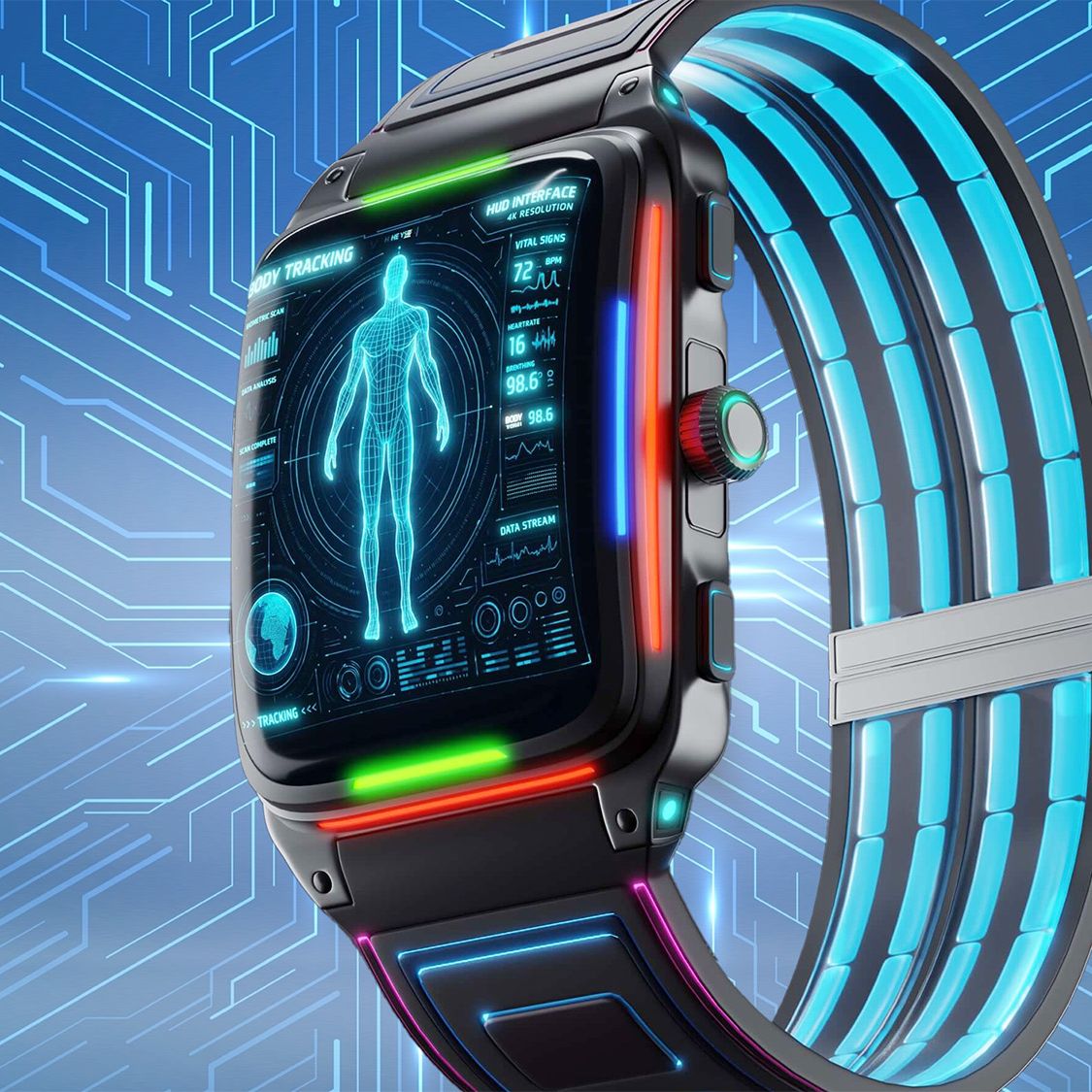
Today’s wearable tech is sleek and powerful. Users find smartwatches, fitness bands, and smart glasses common. These devices monitor health metrics like sleep, stress, and blood oxygen.
- Integration with smartphones and apps is key
- Artificial intelligence helps personalize user experience
- More focus on fashion and comfort
Wearable technology is now a part of everyday life. Its rise reflects ongoing demand for smart, easy-to-use tools.
Credit: www.tomsguide.com
Impact On Health Monitoring
Wearable technology plays a key role in health monitoring today. These devices collect important health information quickly. They help users and doctors understand body functions better. Wearables support early detection of health problems. They also encourage healthier lifestyle choices by providing constant feedback.
Real-time Data Tracking
Wearables track vital signs like heart rate and blood pressure instantly. Users receive updates throughout the day. This helps spot unusual changes early. Continuous monitoring gives a clear view of health trends. It allows for quick action in emergencies or sudden changes.
Chronic Disease Management
People with chronic diseases benefit from wearable devices. These tools help manage conditions such as diabetes and asthma. Devices record symptoms and medication effects regularly. Doctors can adjust treatments based on real data. This reduces hospital visits and improves quality of life.
Fitness And Activity Tracking
Wearables encourage users to stay active. They count steps, calories burned, and exercise time. This information motivates people to reach fitness goals. Tracking progress helps maintain healthy habits. It also supports setting realistic and achievable targets.
Enhancing Medical Care
Wearable technology is transforming the way medical care is delivered. It brings healthcare closer to you by constantly tracking vital signs and health conditions. This shift is making medical care more proactive, personalized, and efficient.
Remote Patient Monitoring
Wearable devices let doctors keep an eye on your health without needing you to visit the clinic often. They continuously send data like heart rate, blood pressure, and glucose levels straight to healthcare providers. This constant flow of information helps catch health issues early, sometimes before you even notice symptoms.
Imagine being able to manage chronic conditions like diabetes or hypertension with real-time feedback. This technology reduces hospital visits and keeps you safer at home.
Emergency Response
Wearables can detect sudden health emergencies, such as falls or irregular heartbeats, and alert emergency contacts or medical teams immediately. This quick response can be life-saving, especially for elderly people or those with serious health risks.
Have you ever thought about how fast help could arrive if your watch noticed you had a stroke or a fall? These devices can act as your silent guardian, giving you and your loved ones peace of mind.
Personalized Treatment
With data collected from wearables, doctors can tailor treatments specifically for your needs. Instead of a one-size-fits-all approach, your healthcare can adapt based on your daily activity, sleep patterns, and other health metrics.
This personalization can improve treatment effectiveness and reduce side effects. Wouldn’t you want your care to be as unique as you are?
Improving Daily Life
Wearable technology has become a key player in enhancing how you manage everyday tasks and personal well-being. It fits seamlessly into your routine, offering tools that make your life easier and healthier. Let’s look at some specific ways wearables improve daily life and why they matter to you.
Sleep And Stress Management
Quality sleep and managing stress are vital for your health, yet many struggle with both. Wearables track your sleep patterns in detail, showing when you’re restless or deep asleep. This data helps you understand your habits and adjust your bedtime or environment for better rest.
Stress monitoring features detect changes in your heart rate or skin temperature, alerting you before stress peaks. You might get guided breathing exercises or reminders to take breaks, which can calm your mind during a hectic day. Have you noticed how small pauses can change your mood and focus?
Smart Notifications And Connectivity
Wearables keep you connected without overwhelming you. Instead of pulling out your phone constantly, you get important alerts right on your wrist or glasses. This means you can stay focused on tasks or conversations without missing critical messages.
You control what notifications matter most, cutting down distractions. Whether it’s a calendar reminder, an urgent call, or a weather update, you get instant access. How would reducing screen time while staying informed change your daily flow?
Motivation And Behavior Change
Tracking your steps, calories, or activity levels provides clear, visual proof of your progress. Seeing daily goals met sparks motivation and creates a sense of achievement. Wearables often add fun elements like challenges or badges, turning healthy habits into engaging goals.
They also remind you to move if you’ve been inactive too long, encouraging consistent activity. This gentle nudge can be the difference between sitting all day and taking a refreshing walk. What small habit could you start today with a little wearable encouragement?
Challenges And Limitations
Wearable technology offers many benefits but also faces significant challenges and limits. These issues impact how widely these devices can be used and trusted. Understanding these challenges helps users and developers improve wearable tech for the future.
Privacy Concerns
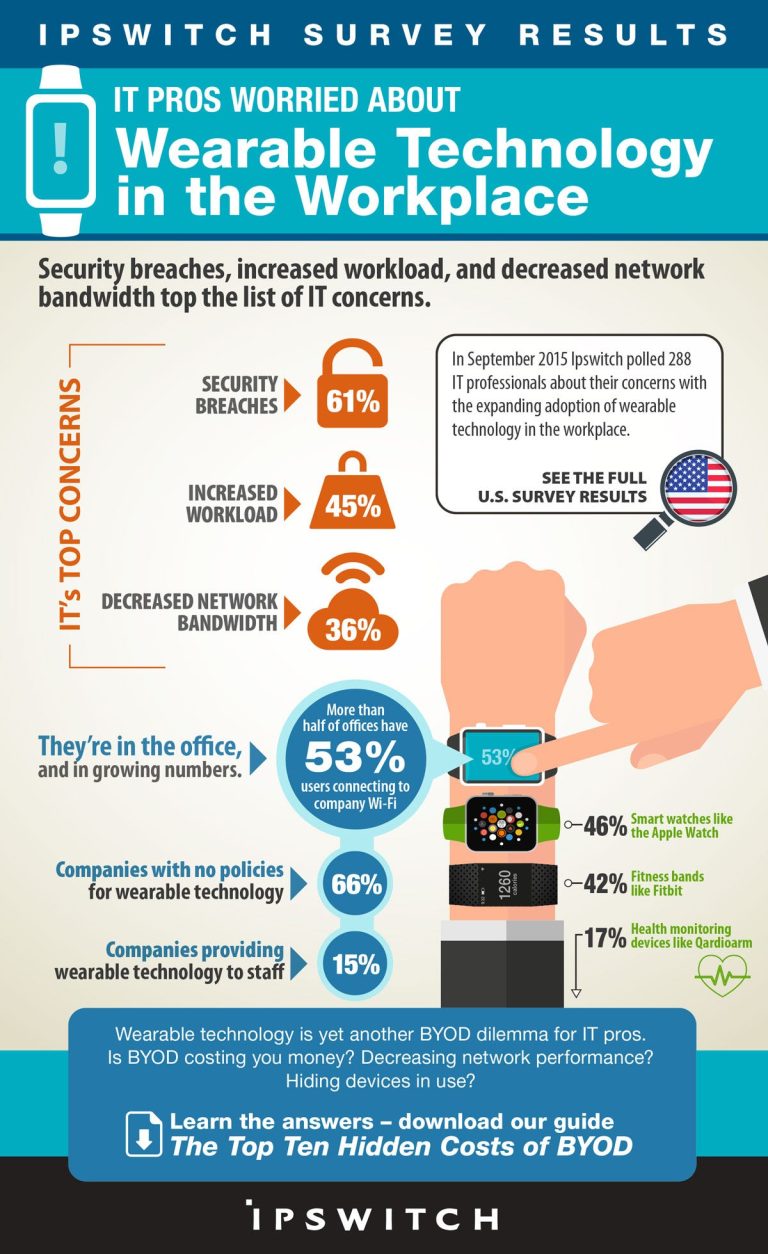
Wearables collect large amounts of personal data. This raises concerns about who can access and use this information. Data breaches and unauthorized sharing risk user privacy. Many users worry about constant tracking of their location and activities. Strong privacy policies and data protection are needed to build trust.
Accuracy And Reliability
Wearable devices sometimes provide inaccurate data. Sensors can be affected by motion, sweat, and skin type. Inconsistent readings reduce trust in health and fitness tracking. Some devices fail to work well in all environments. Improving sensor technology and testing under varied conditions is crucial.
User Adoption And Accessibility
Not everyone finds wearable technology easy to use. Some devices are complex or uncomfortable to wear. High prices put wearables out of reach for many people. Accessibility features for people with disabilities are often missing. Making devices affordable, simple, and inclusive will increase adoption.
Future Directions
The future of wearable technology looks promising and full of potential. New developments will enhance how these devices track health and connect with users. Innovations will make wearables smarter and more useful in daily life.
Wearables will not just collect data but also interpret it better. This will allow users to make quick decisions about their health and activities. The technology will become more comfortable and accessible for everyone.
Advances In Sensor Technology
Sensors will become smaller and more accurate. They will measure more health indicators like blood pressure and hydration. Improved sensors will use less power and last longer on a single charge. This means wearables can be used continuously without frequent recharging.
Integration With Ai
Artificial intelligence will help analyze data from wearables. AI can detect patterns and predict health issues early. It will provide personalized advice based on real-time information. This smart feedback will help users stay healthier and avoid risks.
Expanding Applications
Wearables will be used in many new fields. Sports, healthcare, and work safety will benefit from better monitoring. They will also play a bigger role in mental health support. More industries will adopt wearables to improve efficiency and well-being.
Credit: www.tomsguide.com
Frequently Asked Questions
What Are The Main Benefits Of Wearable Technology?
Wearable technology improves health monitoring, fitness tracking, and real-time data access. It enhances convenience and supports proactive lifestyle choices. Devices help users stay connected and motivated for better well-being.
How Does Wearable Technology Impact Health Management?
Wearables track vital signs and physical activity continuously. They provide early warnings for medical conditions. This real-time data helps users and doctors make informed health decisions quickly.
Why Is Wearable Technology Important For Fitness Enthusiasts?
Wearables offer precise activity tracking and performance metrics. They help set goals, monitor progress, and stay motivated. This technology encourages consistent exercise and healthier habits for better fitness results.
Can Wearable Technology Improve Daily Productivity?
Yes, wearables streamline notifications and reminders, reducing distractions. They enable quick responses and efficient task management. This helps users stay organized and focused throughout the day.
Conclusion
Wearable technology helps people track health and stay active. It makes daily tasks easier and saves time. Many use it to improve fitness and monitor heart rate. Some wearables assist with sleep and stress management too. This technology grows more useful each day.
People find it simple and helpful in life. Wearable devices bring convenience and support better choices. They keep us connected without using hands. Small gadgets with big benefits. A smart step toward a healthier, easier lifestyle.