Should Wearable Health Technology Be a Requirement?
Have you ever wondered if wearing a health tracker could actually save you money on insurance? Imagine if your daily steps, heart rate, and sleep patterns could help lower your premiums.
It sounds like a win-win, but should wearable health technology really be required for insurance? This question goes beyond gadgets and apps—it’s about your privacy, your health, and your wallet. Keep reading to discover the surprising benefits and hidden challenges that could change the way you think about insurance forever.
Benefits Of Wearable Health Tech
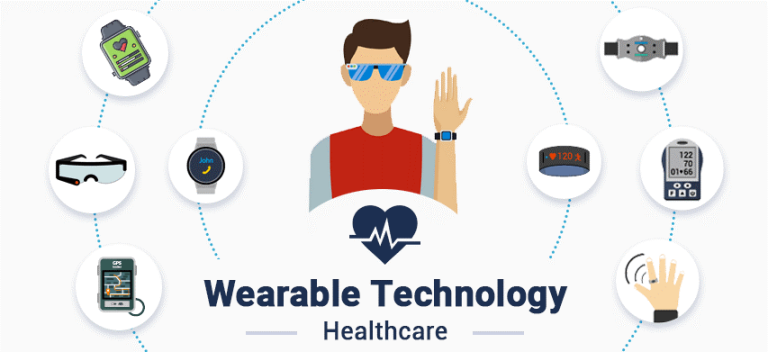
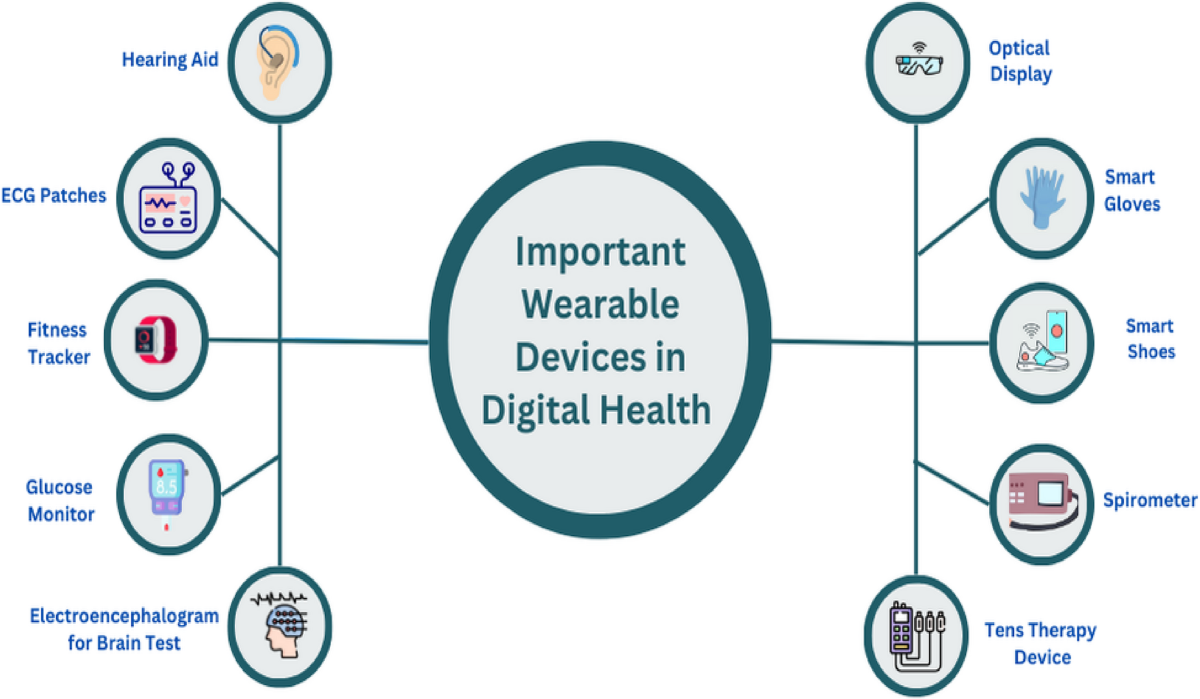
Wearable health technology offers a range of benefits that can significantly impact your well-being and insurance experience. These devices provide continuous insights into your body’s functions, helping you stay proactive about your health. Understanding these advantages can help you decide if wearing such technology should be part of your insurance requirements.
Improved Health Monitoring
Wearables give you real-time data on your heart rate, sleep quality, and daily activity levels. This constant monitoring helps you notice patterns and changes that might otherwise go undetected. Imagine catching early signs of stress or irregular heartbeats before they turn into bigger problems.
Insurance companies could use this data to offer personalized health advice, encouraging you to maintain healthier habits. Wouldn’t it be reassuring to have a device that keeps an eye on your health around the clock?
Early Disease Detection
Wearable devices can alert you to unusual symptoms or trends, such as irregular heart rhythms or spikes in blood pressure. Early warnings like these often mean faster diagnosis and treatment, which can prevent serious complications.
For instance, detecting atrial fibrillation early through a smartwatch can reduce the risk of stroke. This raises the question: could mandatory wearables save lives by catching diseases sooner?
Enhanced Fitness Tracking
These gadgets motivate you to move more by tracking steps, calories burned, and exercise intensity. They also provide feedback that helps you set achievable fitness goals and celebrate progress.
By making your fitness journey visible, wearables turn abstract health goals into concrete actions. How much more motivated would you be if your insurance rewards you for consistent activity tracked by your device?
Privacy And Security Concerns
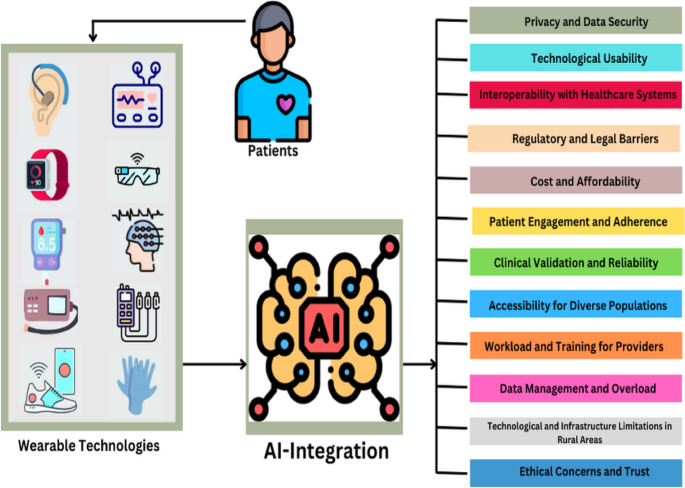
Wearable health technology collects a lot of personal data every day. This data can reveal sensitive information about a person’s health and lifestyle. Privacy and security concerns arise because this information must be protected from misuse and unauthorized access. Understanding these concerns is vital before making such technology mandatory for insurance.
Data Protection Issues
Health data is highly sensitive and requires strong protection. Weak security can lead to data breaches. These breaches expose personal details to hackers and third parties. Insurance companies must ensure data is stored securely. Encryption and strict access controls are essential. Without these measures, users risk losing control over their private information.
Risks Of Surveillance
Continuous tracking may feel like constant surveillance. Wearables monitor daily activities, heart rate, and sleep patterns. This data can be used beyond health insights. Insurers might use it to adjust premiums or deny claims. Users may fear being watched all the time. Such surveillance can affect personal freedom and trust.
Consent And Control
Users must fully understand what data is collected and why. Clear consent ensures people agree to data use willingly. They should control which information they share. Options to opt out or delete data are important. Without control, users may feel powerless. Transparent policies build trust and respect privacy rights.
Ethical And Social Implications
Mandating wearable health technology for insurance raises important ethical and social questions. It challenges how much control you should have over your personal data and lifestyle choices. These concerns extend beyond privacy, touching on fairness and how such technology could reshape society.
Impact On Personal Freedom
Wearing a health device constantly can feel intrusive. It tracks your every move, heart rate, and even sleep patterns. Would you feel pressured to behave a certain way just to avoid penalties or get better rates?
Think about it: your health habits become public to insurers, limiting your freedom to make choices without judgment. Should your personal health data dictate your insurance options? This raises serious questions about consent and autonomy.
Health Inequality Risks
Not everyone can afford the latest wearable technology. Requiring it might deepen the gap between those with access and those without. People with lower incomes or living in rural areas could face higher premiums or exclusion.
Imagine someone struggling to pay for basics being penalized for not owning a health tracker. This could reinforce existing inequalities instead of helping people improve their health.
Workplace And Insurance Use
Employers might want to use wearable data to monitor workers’ health and productivity. This could blur lines between health management and workplace surveillance. Would you feel comfortable knowing your employer can see your health stats daily?
Insurance companies could also share data with employers, raising questions about how this information is used. Could it affect job security or promotions? The risk of misuse or discrimination is real and should make you think twice.
Credit: journalofcloudcomputing.springeropen.com
Cost And Accessibility
Cost and accessibility are key factors in the debate over wearable health technology as a requirement for insurance. The price of these devices can put them out of reach for many. Access to the latest technology varies by location and community. Insurance policies must consider these differences to be fair and inclusive.
Affordability Challenges
Wearable health devices often come with high upfront costs. Not everyone can afford to buy or maintain them. Monthly fees or subscription services add extra expenses. Low-income individuals face a bigger hurdle in accessing these devices. Without subsidies or financial help, affordability remains a major barrier.
Technology Availability
Access to wearable technology depends on where people live. Urban areas usually have better access to stores and reliable internet. Rural regions may lack the infrastructure to support these devices. Limited availability can delay or prevent people from using wearables. This gap creates unequal chances to benefit from health monitoring.
Support For Diverse Populations
Diverse populations include different ages, cultures, and abilities. Some wearables are not designed for all body types or health needs. Older adults or people with disabilities may find devices hard to use. Language barriers can limit understanding of device features. Insurance policies must address these issues to support everyone fairly.
Effectiveness And Reliability
Effectiveness and reliability play a vital role in deciding if wearable health technology should be mandatory for insurance. Insurers depend on accurate and trustworthy data to assess risk and set premiums. The technology must consistently deliver precise health information to benefit both policyholders and companies.
Wearable devices must also encourage user compliance. Without steady use, the data collected may be incomplete or misleading. Reliability depends on how well users follow guidelines and wear the devices regularly.
Technology limitations also affect the overall trust in these devices. No technology is perfect, and understanding these limits helps evaluate their role in insurance decisions.
Accuracy Of Data
Wearable health devices collect various data like heart rate, steps, and sleep patterns. The accuracy of this data varies by device brand and type. Some devices may show small errors or inconsistencies. These inaccuracies can affect insurance assessments and decisions.
Many devices use sensors that may not work well during intense activities or irregular movements. Environmental factors like temperature and humidity can also impact readings. Insurers must consider these factors before relying fully on wearable data.
User Compliance
Users must wear devices consistently for data to be useful. Forgetting to wear or charging devices leads to gaps in data. Some users may alter their behavior just to improve their scores, which can distort results.
Motivation to use wearables varies among individuals. Some may feel uncomfortable or find devices intrusive. Without steady use, the data does not reflect true health status. Insurance companies need clear policies to handle non-compliance.
Technology Limitations
Wearable devices have limits in battery life, sensor quality, and data security. Battery issues can cause data loss during charging or low power. Sensors may not detect all health problems or subtle changes.
Data privacy and security remain concerns. Sensitive health data must be protected against breaches. Technology also may not work well for all age groups or medical conditions.
These limitations require cautious integration of wearables in insurance policies. Insurance firms must balance benefits with these challenges for fair use.
Credit: journalofcloudcomputing.springeropen.com
Policy And Regulation
Policy and regulation shape the use of wearable health technology in insurance. They ensure safety, privacy, and fairness for users and insurers. Rules guide how data is collected, stored, and shared. They also set clear boundaries on mandatory use and user rights.
Government Role
Governments protect citizens by creating laws for wearable health devices. They monitor data privacy and prevent misuse. Regulations require clear consent before data collection. They also enforce penalties for breaches. Governments may promote standards for device accuracy and safety. This builds trust among users and insurers alike.
Industry Standards
Industry standards create common rules for wearable technology. They help devices meet quality and security benchmarks. Standards cover data encryption, device reliability, and interoperability. Insurers rely on these to trust the data collected. Standardization reduces risks and improves user experience. It also supports fair competition within the market.
Legal Frameworks
Legal frameworks define rights and responsibilities around wearable health data. They clarify ownership and control of personal information. Laws protect users from discrimination based on health data. They regulate the use of data in insurance decisions. Frameworks often require transparency in data handling. Clear legal rules prevent abuse and promote ethical use.

Credit: advanced.onlinelibrary.wiley.com
Frequently Asked Questions
What Are Wearable Health Technologies?
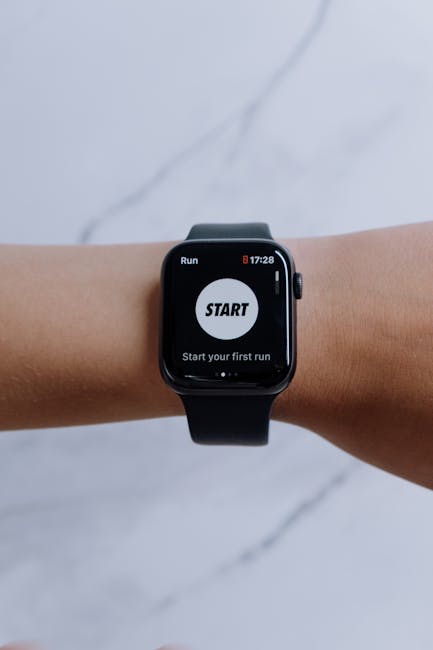
Wearable health technologies are devices like fitness trackers and smartwatches. They monitor health metrics such as heart rate, activity, and sleep patterns in real time.
How Can Wearables Impact Insurance Premiums?
Wearables provide insurers with health data, promoting personalized risk assessments. This can lead to lower premiums for healthier lifestyles and improved risk management.
Are Wearable Devices Mandatory For Insurance Policies?
Currently, wearable devices are optional for most insurance policies. However, some insurers offer discounts or incentives for policyholders who use them.
What Privacy Concerns Exist With Wearable Health Data?
Wearable devices collect sensitive health information, raising privacy concerns. Insurers must ensure data protection and transparency to maintain user trust.
Conclusion
Wearable health technology can help people track their health daily. It may lower insurance costs by encouraging healthy habits. Some worry about privacy and fairness in using this data. Others feel it might push people to change too much. The choice to use wearables should stay personal and clear.
Insurance companies need to balance benefits with respect for users. This topic will grow as technology and health needs change. The right decision depends on fairness, privacy, and health benefits.