Are People Addicted to Wearable Technologies? Shocking Truths Revealed
Have you ever caught yourself checking your smartwatch one more time, even when you don’t really need to? Or maybe you feel uneasy when your fitness tracker is off your wrist for too long.
Wearable technologies, like smartwatches and fitness bands, are becoming a big part of your daily life. But could these handy devices be more than just tools? Could they be something you’re actually addicted to? Keep reading to discover how these gadgets might be shaping your habits—and what that means for you.
Rise Of Wearable Tech
Wearable technology has moved from a niche gadget to a daily essential for millions around the world. These devices are no longer just about counting steps or checking the time. They blend seamlessly into your lifestyle, tracking health, enhancing communication, and even managing your smart home.
Have you noticed how often you reach for your smartwatch or fitness band without even thinking? That ease of access is a big part of why wearable tech is becoming so hard to put down. But are these devices simply useful tools, or are they creating new habits that border on addiction?
Popular Devices In Use
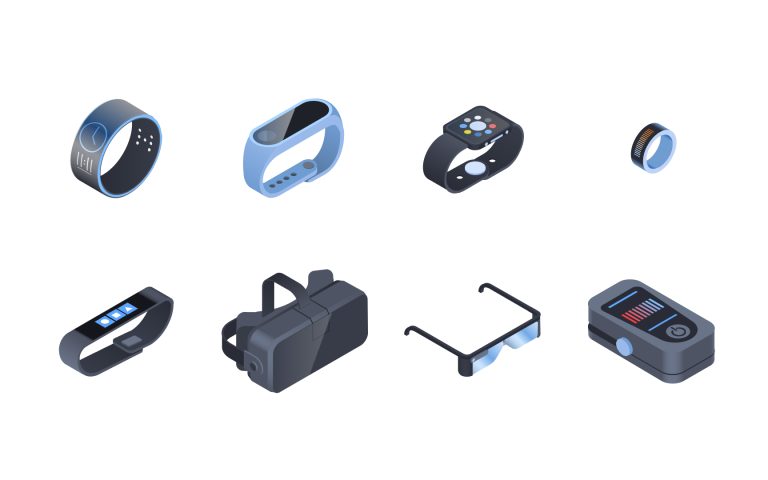
The market is flooded with wearable gadgets designed to serve different needs. Some of the most common include:
- Smartwatches:Apple Watch, Samsung Galaxy Watch, Fitbit Versa
- Fitness Trackers:Fitbit Charge, Garmin Vivosmart, Xiaomi Mi Band
- Smart Glasses:Google Glass, Ray-Ban Stories
- Health Monitors:Oura Ring, Whoop Strap
Each device offers unique features, but all share the goal of keeping you connected and informed at all times. This constant connection can make it tempting to check your stats or notifications repeatedly throughout the day.
Growth Trends Over Time
The wearable tech industry has seen rapid growth over the past decade. Global shipments have increased year after year, with no signs of slowing down. In 2015, fewer than 50 million units were sold worldwide; by 2023, that number surpassed 300 million.
This explosive growth reflects more than just improved technology. It shows how people have integrated these devices into daily life, often relying on them for motivation, health insights, and social interaction. But at what point does frequent checking turn into a compulsive habit?
Think about your own use. How often do you find yourself glancing at your wearable just to see if something new has popped up? The rise of wearable tech challenges you to consider where convenience ends and dependency begins.

Credit: www.thedailybeast.com
Signs Of Wearable Addiction
Noticing signs of wearable addiction can be tricky because these devices are designed to blend seamlessly into your daily life. However, certain behaviors and mental shifts reveal when your use might be tipping into unhealthy territory. Paying attention to these signs can help you regain control before the technology controls you.
Behavioral Patterns
You might find yourself constantly checking your wearable, even when there’s no new data or notification. This urge to stay connected can disrupt your focus on work, social interactions, and relaxation.
Other common patterns include obsessively tracking steps, heart rate, or sleep quality to the point where it causes stress. You may also prioritize device usage over face-to-face conversations or physical activity, ironically defeating the purpose of some wearables.
- Frequent, unnecessary checking of stats or notifications
- Feeling restless or anxious without your device
- Ignoring real-world surroundings to monitor wearable data
- Using the device as a way to escape boredom or uncomfortable emotions
Psychological Impact
Over-reliance on wearables can lead to increased anxiety, especially when you obsess over hitting daily goals or interpreting health data. This constant evaluation may create pressure that affects your mood and self-esteem.
Ask yourself: Does missing a target or not receiving a notification cause frustration or disappointment? If your device influences your emotional state this much, it’s a red flag.
Wearable addiction can also foster a sense of dependency, where you feel unable to function or make decisions without the device’s input. This erodes your confidence and can isolate you from genuine experiences.
Why Wearables Are So Addictive
Why do wearable technologies grab your attention and keep pulling you back? The answer lies in how they are designed and the social circles they connect you with. Wearables don’t just track data; they create habits and sometimes even cravings for more interaction and improvement.
Design And Features
Wearables are sleek, lightweight, and easy to use, making them comfortable to wear all day. Their design encourages constant checking—whether it’s a step count, heart rate, or sleep quality.
Notifications and real-time feedback hook you in. Every buzz or glow feels like a small reward, pushing you to engage more. Some devices even use color changes or vibrations to signal achievements, which can be surprisingly motivating.
Think about your own experience. Have you ever felt the urge to check your watch after seeing a notification, even when you didn’t expect one? That’s the design working to keep you connected.
Social Influence
Wearables often come with apps that let you share your progress with friends or join challenges. This social connection adds a layer of motivation and sometimes pressure.
Seeing your friends’ activity levels or receiving encouragement can push you to wear your device more and improve your stats. On the flip side, you might feel left out or less motivated if you skip a day.
Ask yourself: How much does your activity depend on what others are doing? That social element can make wearables feel less like gadgets and more like a part of your daily social life.

Credit: www.embs.org
Health Implications
Wearable technologies have become common in daily life. People rely on them to track health, fitness, and sleep patterns. These devices offer benefits but may also affect health in unseen ways. Understanding the health implications of wearable tech is vital for safe use.
Physical Effects
Wearing devices constantly can cause skin irritation. Some users report redness or rashes due to sweat and friction. Extended use may lead to discomfort or pressure marks on the wrist.
Radiation from wireless signals is low but still a concern for some. Long-term effects remain unclear, needing more research. Poor posture can result from focusing too much on screens and data.
Sleep disturbance happens if devices cause light or sound at night. Over-monitoring can also increase stress, affecting physical well-being.
Mental Health Concerns
Constant notifications create anxiety and distraction. People may feel pressured to meet daily goals set by the device. This pressure can reduce motivation and cause frustration.
Dependence on data for validation may lower self-esteem. Users might ignore body signals and trust only the device. This behavior can lead to unhealthy obsession.
Social isolation may increase as individuals focus more on devices than people. Balancing tech use with real-life interactions is important for mental health.
Balancing Use And Dependence
Balancing the use of wearable technologies and avoiding dependence is crucial for a healthy lifestyle. These devices offer many benefits like tracking health and staying connected. Yet, overuse may lead to stress or distraction. Finding a middle ground keeps technology helpful without controlling daily life.
Setting Boundaries
Clear limits help control wearable use. Decide specific times to check devices, such as during breaks or after work. Avoid wearing devices 24/7 to give your mind rest. Turn off non-essential notifications to reduce distractions. Create tech-free zones, like the dining table or bedroom, to focus on real-life moments.
Healthy Usage Tips
- Use wearables to support goals, not replace habits.
- Regularly review data without obsessing over every detail.
- Take breaks from devices during weekends or holidays.
- Combine wearable insights with professional advice when needed.
- Remember to enjoy offline activities without tech interference.

Credit: medium.com
Future Of Wearable Technology
The future of wearable technology holds exciting possibilities. Devices will become smaller, smarter, and more connected. Users will enjoy more personalized experiences and seamless integration into daily life.
Wearables will track health with greater accuracy. They may also predict illnesses before symptoms appear. This can lead to better care and healthier lives.
Emerging Innovations
New sensors will monitor stress, hydration, and sleep quality. Smart fabrics may change color or temperature based on your mood. Augmented reality glasses will offer real-time information without distractions.
Wearables could communicate directly with other devices. Imagine your watch unlocking your car or adjusting your home’s temperature. Artificial intelligence will help customize alerts and recommendations.
Potential Risks Ahead
Privacy remains a major concern for users and experts. Constant data collection raises questions about who controls the information. Hacking risks increase as devices connect more deeply with life.
Overdependence on wearables can lead to anxiety or distraction. Some users might ignore real-world interactions in favor of virtual feedback. Physical discomfort or skin irritation may result from prolonged use.
Regulations must keep pace with rapid technology growth. Clear rules will protect consumers and encourage safe innovation.
Frequently Asked Questions
What Are Wearable Technologies?
Wearable technologies are smart electronic devices worn on the body. They include fitness trackers, smartwatches, and health monitors. These devices collect data and offer insights to the user. They often connect to smartphones or computers. Wearables help users monitor health, fitness, and daily activities.
Why Are Wearables Becoming Popular?
Wearables are popular due to their convenience and functionality. They provide real-time health and fitness tracking. Users can monitor heart rate, steps, and sleep patterns. Wearables offer personalized feedback, making them attractive. Their integration with smartphones enhances user experience. This growing demand boosts their popularity.
Can Wearables Lead To Addiction?
Wearables can lead to addiction for some users. Constant notifications and data tracking can become addictive. Users may feel compelled to check stats frequently. This can impact mental health and daily life. However, moderation and mindful usage can prevent addiction.
Balancing technology use is essential.
How Do Wearables Benefit Users?
Wearables benefit users by providing health and fitness insights. They encourage an active lifestyle and track progress. Users can set goals and monitor achievements. Wearables also offer convenience with notifications and reminders. These features enhance user experience and promote well-being.
Conclusion
Wearable technologies have become part of daily life for many. People enjoy tracking health and staying connected. Sometimes, this can lead to overuse or dependence. Balance is key to using these devices well. Taking breaks helps maintain control and avoid addiction.
Awareness about usage patterns supports healthier habits. Wearables offer many benefits when used mindfully. The choice to use them wisely belongs to each person.