What are the Different Types of Wearable Technology: Ultimate Guide
Are you curious about how technology is transforming the way we interact with the world around us? Imagine having powerful tools right at your fingertips—or even better, right on your wrist, your eyes, or your clothes!
Wearable technology is not just a trend; it’s a revolution that’s changing our lives in ways we never thought possible. From tracking your fitness goals to enhancing your reality, these innovative devices offer incredible benefits. But what are the different types of wearable technology, and how can they make your life easier and more exciting?
Stick around, and you’ll discover the fascinating world of wearables that could completely transform your daily routine. Let’s dive in to find the perfect tech companion just for you!

Credit: www.happiestminds.com
Fitness Trackers
Fitness trackers have changed how we approach our health and daily routines. These wearable devices do more than just count steps—they offer insights that help you understand your body better and motivate you to stay active. Whether you’re a beginner or a seasoned athlete, fitness trackers provide data that can shape your habits and improve your wellbeing.
Activity Monitoring
Tracking your daily activity is the core of every fitness tracker. These devices count steps, measure distance, and estimate calories burned throughout the day. This simple information can push you to move more, especially if you set clear goals.
Have you ever noticed how seeing your step count rise motivates you to take the stairs instead of the elevator? That’s the power of activity monitoring—it turns movement into a measurable challenge.
Heart Rate Sensors
Heart rate sensors give you real-time feedback on your cardiovascular health. They measure your beats per minute during rest and exercise, helping you stay in the right intensity zone. This data is crucial for optimizing workouts and avoiding overexertion.
For example, if your tracker shows a higher heart rate than usual during a walk, it might be a sign to slow down or check your health. Monitoring your heart rate regularly can reveal trends you might miss otherwise.
Sleep Tracking
Good health depends on quality sleep, and fitness trackers can help you understand your sleep patterns. They monitor how long and how well you sleep by detecting movements and heart rate changes throughout the night. This information helps you identify habits that disrupt your rest.
Have you ever wondered why you feel tired even after a full night’s sleep? Sleep tracking can reveal if you’re missing deep or REM sleep stages, guiding you to make better choices before bedtime.
Smartwatches
Smartwatches are wearable devices worn on the wrist. They do more than show time. These gadgets connect to smartphones and offer many useful features. Smartwatches keep you updated and help manage daily tasks without needing your phone in hand.
Notification Features
Smartwatches send alerts for calls, texts, and emails. You can see messages quickly on your wrist. They also notify about social media updates and calendar events. This keeps you aware without checking your phone constantly.
Health Apps
Many smartwatches include health and fitness apps. They track steps, heart rate, and sleep quality. Some even monitor blood oxygen levels and stress. These apps help users stay active and understand their health better.
Customization Options
Users can change watch faces to match their style. Bands come in different colors and materials. Some smartwatches allow adding apps for extra functions. This makes each watch personal and practical.
Wearable Cameras
Wearable cameras are small, portable devices worn on the body. They capture photos and videos from the wearer’s point of view. These cameras offer hands-free recording, making them popular in many activities.
Wearable cameras come in different types. Each type serves unique uses and features. Understanding these can help you pick the right device.
Action Cameras
Action cameras are compact and rugged. They are designed for sports and outdoor adventures. These cameras often have waterproof cases and shock resistance. Users wear them on helmets, wrists, or bikes. Action cameras capture high-quality video in fast-moving scenes.
Body Cameras
Body cameras are mainly used by law enforcement and security personnel. They attach to uniforms or clothing. These cameras record real-time events and interactions. Body cameras help with transparency and evidence collection. They usually have long battery life and secure storage.
360-degree Cameras
360-degree cameras capture a full spherical view. They record everything around the wearer simultaneously. These cameras create immersive videos and virtual reality content. Users wear them on hats or chest mounts. 360-degree footage can be explored from all angles.
Smart Glasses
Smart glasses are changing how you interact with the world around you. These wearable devices blend technology with everyday eyewear, offering hands-free access to important information. Whether you’re at work, on a hike, or just out running errands, smart glasses keep you connected without pulling out your phone.
Augmented Reality
Smart glasses use augmented reality (AR) to overlay digital information onto your real-world view. Imagine walking down the street and seeing restaurant reviews appear right in front of you. This feature helps you make quick decisions without breaking your focus.
AR can also assist professionals by displaying instructions or data while they work. For example, a technician could see repair steps directly on a machine without needing to consult a manual.
Voice Assistance
Voice assistance in smart glasses lets you control your device with simple commands. You can ask for the weather, send messages, or play music without using your hands. This keeps you productive and safe, especially when your hands are busy or you’re on the move.
Think about how convenient it is to get directions or set reminders just by talking. Voice control reduces distractions and helps you stay focused on what matters.
Navigation Features
Navigation features in smart glasses guide you step-by-step without looking down at your phone. They provide turn-by-turn directions directly in your line of sight. This is especially useful when cycling or walking in unfamiliar areas.
Some smart glasses even use haptic feedback, giving you gentle taps to signal turns. How much easier would your daily commute be with these subtle but effective alerts?
Wearable Medical Devices
Wearable medical devices have transformed how you manage health daily. These gadgets provide real-time data and insights, helping you stay proactive about your well-being. They fit seamlessly into your life, offering convenience without compromising accuracy.
Glucose Monitors
Continuous glucose monitors (CGMs) track your blood sugar levels throughout the day. Unlike traditional finger-prick tests, these devices use a small sensor placed under the skin to deliver constant updates. This means you can catch spikes or drops early, preventing emergencies and improving diabetes management.
Imagine adjusting your meals and activities based on instant feedback from your monitor. This immediate insight helps you make smarter choices and keeps your glucose levels stable. Have you ever wondered how much control you could gain over your health with real-time data?
Ecg Monitors
Electrocardiogram (ECG) monitors in wearable form let you check your heart rhythm anytime, anywhere. These devices detect irregularities like atrial fibrillation that might go unnoticed in routine checkups. You gain peace of mind by spotting potential issues early, sometimes even before symptoms appear.
Many wearables now sync with your smartphone, making it easy to share ECG results with your doctor instantly. This can speed up diagnosis and treatment decisions. How would having this level of heart monitoring change the way you approach your health?
Blood Pressure Monitors
Wearable blood pressure monitors track your readings throughout the day, capturing variations caused by stress or activity. Traditional cuffs only give snapshots, but wearables provide a fuller picture of your cardiovascular health. This continuous data can reveal trends that guide your lifestyle adjustments or medication needs.
Using a wearable monitor, you can identify what triggers blood pressure spikes and take action sooner. It’s like having a personal health assistant alerting you to potential risks. Would you want this kind of insight to avoid complications and maintain a healthier life?
Smart Clothing
Smart clothing is transforming the way you interact with your outfit. These garments go beyond style and comfort by embedding technology that monitors, adjusts, and even enhances your body’s functions. Whether you’re an athlete, someone managing health conditions, or just curious about the latest tech, smart clothing offers practical benefits you can feel throughout your day.
Temperature Regulation
Imagine wearing a jacket that cools you down when it’s hot and warms you up when it’s cold. Smart clothing with temperature regulation uses special fabrics and embedded sensors to adjust heat levels automatically. This means you stay comfortable without needing to change layers constantly, which is especially useful during outdoor activities or unpredictable weather.
Some smart shirts and jackets contain phase-change materials or tiny heating elements powered by small batteries. These pieces learn your body temperature and surrounding climate, then respond in real time. Have you ever wished your clothes could adapt as quickly as your mood? This technology makes that possible.
Posture Correction
Bad posture can cause pain and long-term health issues. Smart clothing equipped with posture correction technology senses when you slouch or lean incorrectly. It then sends gentle vibrations or alerts to remind you to straighten up, helping you develop better habits without constant self-monitoring.
Wearable posture correctors integrated into everyday clothing can be discreet and comfortable. For example, a smart shirt with embedded sensors can track your back alignment throughout the day. This helps you improve your posture gradually, reducing strain on your neck and back.
Performance Tracking
If you’re serious about fitness, smart clothing can provide insights that go beyond what a wristband can offer. These garments track muscle activity, heart rate, and movement patterns with high accuracy. This detailed data helps you understand your body’s performance and recovery needs better.
Runners and gym enthusiasts use smart leggings or compression shirts that monitor muscle fatigue and impact. This feedback lets you adjust your training intensity and avoid injuries. Wouldn’t it be great to have a coach woven right into your workout clothes?
Wearable Audio Devices
Wearable audio devices have transformed how you experience sound on the go. These gadgets blend comfort, style, and advanced technology to keep you connected and entertained without the bulk of traditional headphones. Whether you’re working out, commuting, or just relaxing, there’s a wearable audio device designed to fit your lifestyle perfectly.
Wireless Earbuds
Wireless earbuds offer freedom from tangled cords and limited movement. They connect seamlessly to your smartphone or other devices via Bluetooth, providing clear sound quality and noise cancellation features. Many models now include touch controls, voice assistant access, and long battery life, making them incredibly convenient for daily use.
Think about your last workout or commute. Could you imagine struggling with wires while trying to stay active or catch up on podcasts? Wireless earbuds solve that problem by giving you the freedom to move without restrictions.
Bone Conduction Headphones
Bone conduction headphones send sound vibrations through your cheekbones directly to your inner ears, leaving your ear canals open. This technology is excellent if you want to stay aware of your surroundings while listening to music or calls. It’s especially useful for runners, cyclists, and outdoor enthusiasts who need to hear traffic or environmental sounds.
Have you ever felt uneasy wearing traditional headphones outside? Bone conduction headphones provide a safer alternative without compromising on audio quality.
Hearing Aids
Modern hearing aids are no longer bulky devices; they are sleek, smart wearables designed to improve hearing discreetly. Many come with Bluetooth connectivity, allowing you to stream calls, music, and even adjust settings through your phone. These devices adapt to different environments, enhancing speech clarity in noisy places.
If you or someone you know struggles with hearing, these advanced hearing aids can significantly improve quality of life. They combine health technology with everyday convenience, making sound accessible and enjoyable.

Credit: link.springer.com
Vr And Ar Headsets
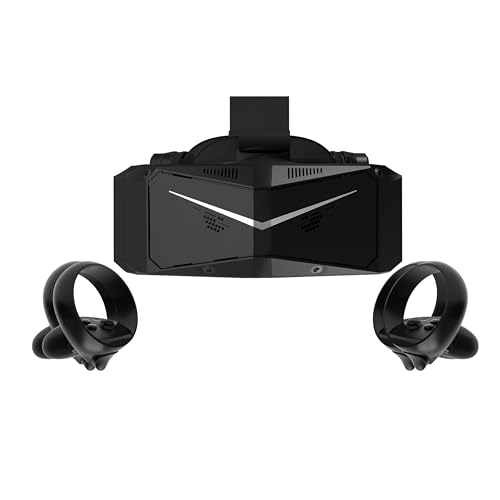
VR and AR headsets are changing how you experience digital content. They offer immersive ways to interact with virtual environments and blend digital images with the real world. Understanding their differences can help you choose the right device for gaming, education, work, or entertainment.
Virtual Reality
Virtual Reality (VR) headsets fully immerse you in a computer-generated environment. When you wear a VR headset, your entire field of vision is replaced by a digital world. This makes you feel like you’re inside a game, simulation, or virtual tour.
Popular VR devices like the Oculus Quest or HTC Vive use motion sensors to track your head and hand movements. You can look around, grab objects, and move inside the virtual space. Have you ever tried walking through a virtual museum or playing a VR escape room? These experiences show how VR can transport you to places beyond your imagination.
Augmented Reality
Augmented Reality (AR) headsets overlay digital images onto your real-world view. Unlike VR, you still see your surroundings but with added information or graphics. This helps you stay aware of your environment while interacting with virtual objects.
Devices like Microsoft HoloLens and Magic Leap let you see holograms or instructions right in front of you. Imagine assembling furniture with step-by-step AR guidance appearing on the parts. AR enhances your tasks without cutting you off from reality.
Mixed Reality
Mixed Reality (MR) combines elements of VR and AR to create interactive experiences blending real and virtual worlds. MR headsets map your surroundings and allow digital objects to interact with physical ones.
This means a virtual character can hide behind your real furniture or bounce a ball on your actual table. MR is useful for training, design, and collaboration, where digital content needs to coexist naturally with the real space around you.
Emerging Wearable Tech
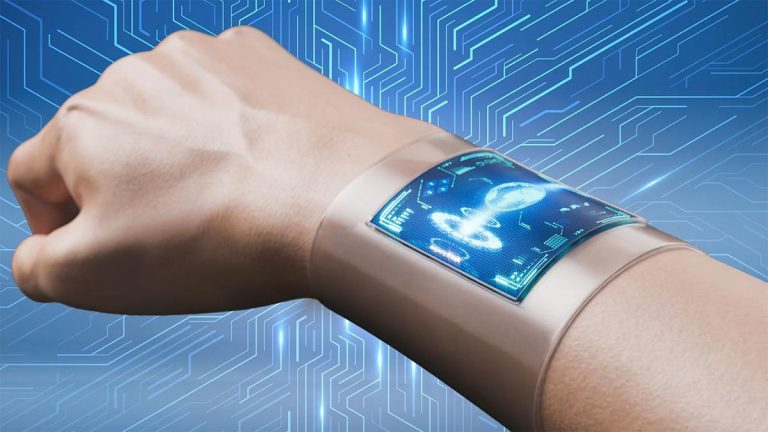
Emerging wearable technology is reshaping how you interact with the digital world and monitor your health. These devices go beyond traditional smartwatches and fitness trackers, offering innovative ways to enhance daily life and personal well-being. As technology evolves, it’s exciting to see how wearables become more seamless, discreet, and powerful.
Smart Rings
Smart rings pack impressive tech into a tiny form that fits comfortably on your finger. They track your heart rate, sleep patterns, and even control your smartphone with simple gestures. Imagine unlocking your door or approving payments without pulling out your phone—smart rings make it possible.
Because they’re less bulky, smart rings are perfect if you want constant monitoring without the bulk of a wrist device. Have you tried wearing a smart ring yet? It can feel surprisingly natural and less intrusive throughout your day.
Wearable Sensors
Wearable sensors are designed to collect detailed data from your body in real-time. These devices can be attached to your skin or clothing and monitor everything from muscle activity to hydration levels. Athletes and medical patients benefit greatly from this precise information to improve performance or track recovery.
Some sensors even provide feedback through vibrations or alerts, helping you adjust your posture or activity instantly. Could having real-time biofeedback change how you manage your health?
Implantable Devices
Implantable devices take wearable tech to a new level by being placed under your skin. These devices monitor critical health data continuously and can deliver treatments like insulin for diabetes automatically. While the idea may sound futuristic, implantables are becoming more common in managing chronic conditions.
They offer a hands-free, always-on approach to health monitoring. Would you consider an implantable device if it meant better control over your health without daily hassle?

Credit: kritikalsolutions.com
Frequently Asked Questions
What Are The Main Types Of Wearable Technology?
Wearable technology includes smartwatches, fitness trackers, smart glasses, and wearable medical devices. Each serves unique functions like health monitoring, communication, or augmented reality.
How Do Fitness Trackers Differ From Smartwatches?
Fitness trackers primarily monitor health metrics like steps and heart rate. Smartwatches offer additional features such as apps, notifications, and GPS alongside fitness tracking.
What Are The Benefits Of Smart Glasses?
Smart glasses provide hands-free access to information and augmented reality experiences. They enhance productivity and offer real-time data without interrupting daily tasks.
Can Wearable Medical Devices Improve Health Monitoring?
Yes, wearable medical devices continuously track vital signs and alert users or doctors to anomalies. They enable early diagnosis and better chronic disease management.
Conclusion
Wearable technology comes in many types, each serving different needs. From smartwatches to fitness trackers, these devices help track health and stay connected. Some wearables focus on safety, while others improve daily tasks. Choosing the right type depends on your lifestyle and goals.
Technology keeps evolving, so expect new options soon. Wearables make life easier and more fun to manage. They blend technology with daily activities smoothly. Explore what fits you best and enjoy the benefits.