Do Wearable Fitness Technology Really Make Us Healthier?
Have you ever wondered if your fitness tracker or smartwatch is truly helping you become healthier? You’re not alone.
Millions rely on wearable fitness technology to track steps, monitor heart rate, and even analyze sleep. But do these gadgets really make a difference in your health, or are they just another trendy accessory? You’ll discover how wearable tech affects your body and mind, and whether it can boost your well-being in ways you might not expect.
Keep reading to find out if your device is a game-changer or just a gadget collecting dust.

Credit: www.thedailybeast.com
Rise Of Wearable Fitness Tech
Wearable fitness technology has grown quickly in recent years. These devices track physical activity, heart rate, sleep patterns, and more. They aim to help people stay active and make smarter health choices. The rise of these gadgets shows how technology blends with daily life to support better health. Many people now rely on wearables to monitor their wellness and fitness progress.
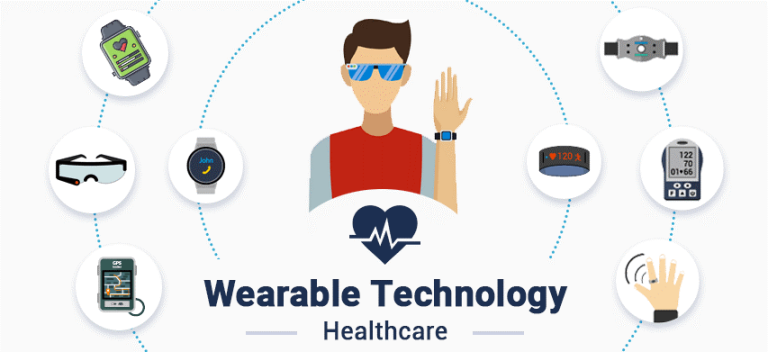
Popular Devices And Features
- Fitness trackers that count steps and calories burned
- Smartwatches offering heart rate monitoring and GPS
- Sleep trackers measuring sleep quality and duration
- Apps that set goals and provide workout reminders
- Devices with water resistance for swimming and outdoor use
- Integration with smartphones for notifications and health data
Adoption Trends Worldwide
Wearable fitness tech use is rising across many countries. Young adults and fitness enthusiasts show the highest adoption. People in cities tend to use these devices more than those in rural areas. Health-conscious individuals see wearables as helpful tools for daily motivation. Companies are also encouraging employees to use fitness gadgets for wellness programs. As prices fall, more people find these devices affordable and useful.
Tracking Health Metrics
Tracking health metrics with wearable fitness technology offers a new way to understand your body. These devices collect data throughout the day, giving you insights that were once hard to measure. But how useful are these numbers in making you healthier?
Steps
Counting steps is one of the simplest and most popular features of fitness trackers. It encourages you to move more by setting daily goals like 10,000 steps. I noticed that just aiming for a step goal pushed me to take short walks, which improved my mood and energy levels.
However, steps alone don’t tell the full story. If you’re walking slowly or just pacing, is that really enough exercise? Think about whether your step count matches your overall activity intensity.
Heart Rate
Monitoring your heart rate can reveal how your body responds to exercise and stress. Wearables track your resting heart rate and changes during workouts, helping you adjust your effort. For example, seeing your heart rate spike during a workout helped me avoid overtraining and recover faster.
Still, you should ask yourself: are you using this information to improve your habits, or just watching the numbers? Heart rate data becomes valuable only when you act on it.
Sleep Monitoring
Sleep trackers estimate how long and how well you sleep by detecting movement and heart rate. Knowing your sleep patterns helped me identify nights when I wasn’t getting enough deep sleep, prompting me to change my bedtime routine.
Keep in mind that these devices aren’t perfect. They can mistake restlessness or quiet wakefulness for poor sleep, so use the data as a guide, not a diagnosis.
Calorie Counting And Activity Levels
Tracking calories burned and overall activity levels aims to balance energy in versus energy out. Wearables calculate calories based on your movement, heart rate, and personal info, giving you a daily estimate. I found this useful for adjusting my diet and exercise, especially when trying to lose weight.
But don’t rely solely on these numbers. Calorie estimates can be off by a significant margin, and focusing too much on counting may lead to stress or obsession. Instead, use these metrics as a rough guide to support healthier choices.
Impact On Physical Activity
Wearable fitness technology has changed how many people approach physical activity. These devices track steps, monitor heart rates, and analyze sleep patterns, offering detailed insights into your daily habits. But the real question is—do they truly help you move more and stay healthier?
Motivation And Goal Setting
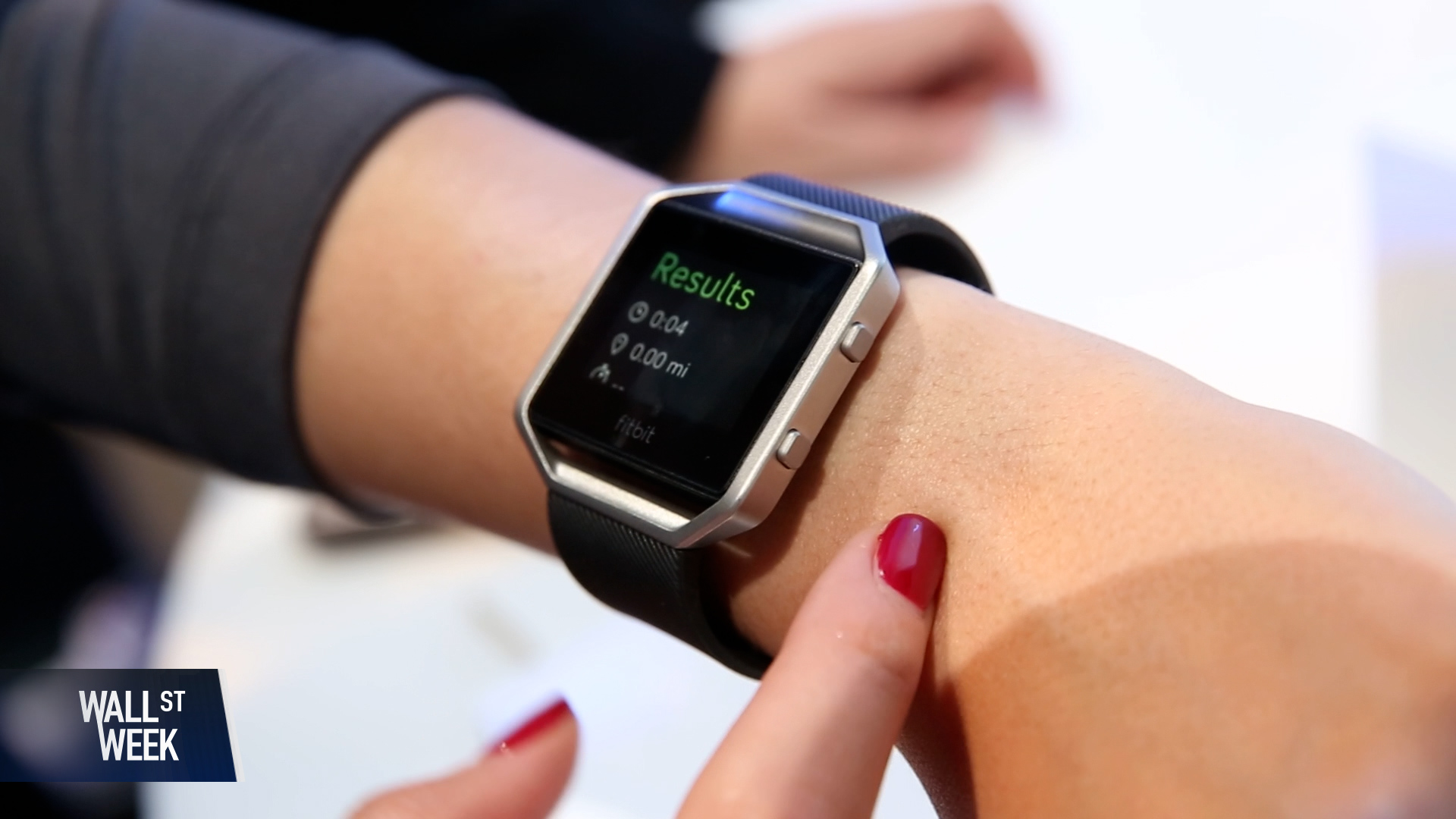
Seeing your progress in real time can push you to take that extra walk or finish your workout. When you set clear, achievable goals on your device, it gives you a target to aim for every day. This kind of feedback turns abstract health ideas into concrete steps you can follow.
I once tracked my daily steps with a smartwatch and realized how little I moved during office hours. Setting a simple goal of 10,000 steps motivated me to take short breaks just to walk around. Without that reminder, I probably would have stayed seated most of the day.
Behavioral Changes And Consistency
Wearables create opportunities to build new habits by encouraging regular activity. They remind you to move if you’ve been inactive for too long, helping break sedentary patterns. Over time, these small nudges add up to real lifestyle changes.
Think about how often you ignore your body’s signals. A fitness tracker forces you to pay attention and adjust. This helps maintain consistency, which is key to long-term health improvements.
- Regular reminders to stand or stretch
- Tracking trends to spot progress or setbacks
- Encouraging small, manageable changes rather than drastic shifts
Do you find yourself more active on days when your tracker challenges you? That’s the power of consistent feedback. It turns motivation into action, step by step.
Credit: www.bloomberg.com
Mental Health And Wellbeing
Mental health and wellbeing are crucial parts of overall health. Wearable fitness technology is not just about tracking steps or calories. It also focuses on how the mind feels and functions. These devices can help users manage stress and improve sleep. Both stress and sleep quality deeply affect mental health.
Stress Tracking And Mindfulness
Many wearables track stress levels using heart rate and skin signals. They show when stress rises and suggest calming exercises. Mindfulness features guide users through breathing and meditation. This helps lower anxiety and clear the mind. Regular practice can build better emotional control.
Sleep Quality And Recovery
Good sleep is key to mental wellbeing. Wearables monitor sleep patterns and stages. They reveal how long and how well someone sleeps each night. Users get tips to improve sleep habits and recovery time. Better sleep supports mood, focus, and energy for daily tasks.
Limitations Of Wearables
Wearable fitness devices promise a lot—they track your steps, monitor your heart rate, and even analyze your sleep. But these gadgets have their limits. Understanding these can help you decide how much trust to put in your wearable and how to use it effectively for your health goals.
Accuracy Concerns
Not all wearable data is perfectly reliable. Heart rate monitors, for example, can misread during intense workouts or if the device isn’t snug on your wrist. Step counters often confuse hand movements with walking, leading to inflated numbers.
I once trusted my fitness watch to count every calorie burned, only to find out later my actual energy expenditure was quite different. This made me realize: relying solely on wearables can mislead your health decisions.
Ask yourself—are you using this data as a rough guide or an exact measurement? If you’re aiming for precise health changes, consider combining wearable data with other methods like professional assessments.
Privacy And Data Security
Your wearable collects sensitive health details every day. But where does this data go? Many devices store information on company servers, raising risks of hacking or unauthorized sharing.
One friend shared how his health data was targeted by marketing companies without his full knowledge. This made me cautious about what permissions I grant to apps linked to my wearable.
Think about your privacy: Are you comfortable with your fitness patterns being accessible to third parties? Review privacy settings regularly and choose brands with strong data protection policies to keep your information safe.
Long-term Health Outcomes
Wearable fitness technology promises to improve health over time. Many people use these devices daily to track activity, heart rate, and sleep. But do they really lead to better long-term health? The answer depends on several factors, including how people use the data and stay motivated. Understanding the effects on long-term health helps us see their true value.
Research Findings And Case Studies
Studies show mixed results about wearables and long-term health. Some research finds small improvements in physical activity levels. Others see no lasting change in weight or heart health.
Case studies highlight success stories and challenges. For example, one study followed users for a year:
- Users increased daily steps by 20% in the first three months.
- Activity levels dropped after six months without new goals.
- Those with social support kept better habits longer.
Many studies agree that wearables help short-term motivation. Lasting health benefits depend on continued use and behavior change.
User Experiences And Testimonials
Many users say wearables help them become more active. They appreciate real-time feedback and goal tracking.
Some users report challenges like boredom or device fatigue. Others find motivation fades without clear rewards or progress.
Common themes from user stories include:
- Better awareness of daily habits
- Improved sleep tracking
- Encouragement from challenges and badges
- Need for variety to avoid losing interest
User experience often shapes whether wearables support lasting health gains. Support from friends and apps can boost success.
Future Of Fitness Technology
The future of fitness technology promises tools that do more than just count steps or track calories. These devices are evolving to provide deeper insights into your health and help you make smarter decisions daily. But how exactly will these innovations change the way you manage your fitness journey?
Advancements In Ai And Sensors
Artificial intelligence is becoming smarter at understanding your body’s unique signals. New sensors can now monitor hydration levels, muscle fatigue, and even stress markers with surprising accuracy. Imagine a wearable that not only tracks your heart rate but also advises you when to rest or push harder based on real-time data.
These improvements mean your fitness device could act like a personal coach, adapting workouts to your needs. You might find yourself avoiding injuries because your wearable senses early signs of overtraining. How often have you wished for that kind of personalized feedback?
Integration With Healthcare Systems
Wearables are beginning to connect directly with healthcare providers, offering a seamless flow of health data. This integration allows doctors to monitor your progress remotely and adjust treatments without waiting for your next appointment. For those managing chronic conditions, this could be a game changer.
Picture your fitness tracker sending alerts to your doctor if it detects irregular heart rhythms or abnormal blood sugar levels. This connection can lead to quicker interventions and better health outcomes. Would you feel more confident about your health knowing your wearable acts as a bridge between you and your healthcare team?

Credit: www.latimes.com
Frequently Asked Questions
Do Wearable Fitness Devices Improve Overall Health?
Yes, wearable fitness devices track physical activity and motivate healthier habits. They help monitor heart rate, sleep, and calories, encouraging better lifestyle choices.
Can Fitness Trackers Prevent Chronic Diseases?
Fitness trackers promote regular exercise and better sleep, reducing risks of diabetes and heart disease. Early activity tracking can lead to healthier long-term outcomes.
How Accurate Are Wearable Fitness Gadgets?
Wearable devices provide reasonably accurate data for heart rate and steps. However, some measurements like calorie burn can vary due to individual differences.
Do Wearables Increase Motivation To Exercise?
Yes, wearables offer real-time feedback and goal setting, boosting user motivation. Social sharing features also encourage competition and accountability for consistent workouts.
Conclusion
Wearable fitness devices help track activity and health daily. They remind us to move more and rest well. But they do not change habits alone. Real health comes from choices we make every day. These gadgets support, not replace, good habits and care.
Use them as tools, not solutions. Stay active, eat well, and listen to your body. Small steps lead to better health over time. Wearables can guide you, but you lead the way.