What Does Wearable Technology Track: Uncovering Insights
Have you ever wondered what your wearable device is really keeping an eye on? These small gadgets do more than just tell time or count steps.
They track important details about your body and daily habits that can help you stay healthier and more active. Understanding exactly what wearable technology tracks can give you the power to improve your lifestyle in ways you might not expect.
Keep reading to discover the surprising things your device is monitoring right now—and how that information can work for you.
Credit: blog.stackademic.com
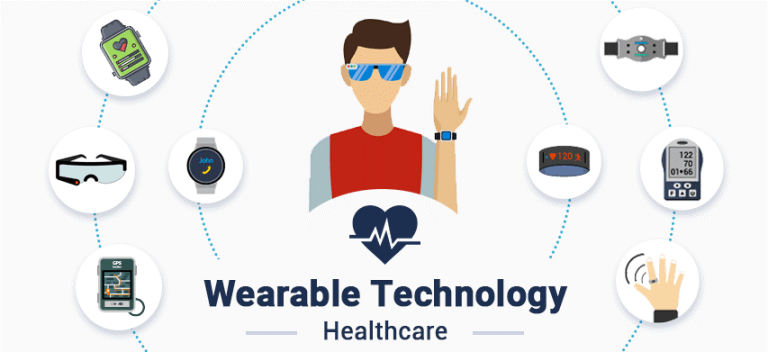
Types Of Wearable Devices
Wearable technology has grown beyond simple gadgets to become essential tools for tracking various aspects of your daily life. These devices collect data that help you understand your health, fitness, and even your environment better. Knowing the different types of wearables can help you choose one that fits your lifestyle and goals.
Fitness Trackers
Fitness trackers focus on monitoring your physical activities. They count steps, track distance, and estimate calories burned throughout the day. Some models even analyze your sleep patterns to help you improve rest quality.
Many people use fitness trackers to stay motivated during workouts. Have you noticed how seeing your step count can push you to walk just a little further? That simple feedback loop makes a big difference.
Smartwatches
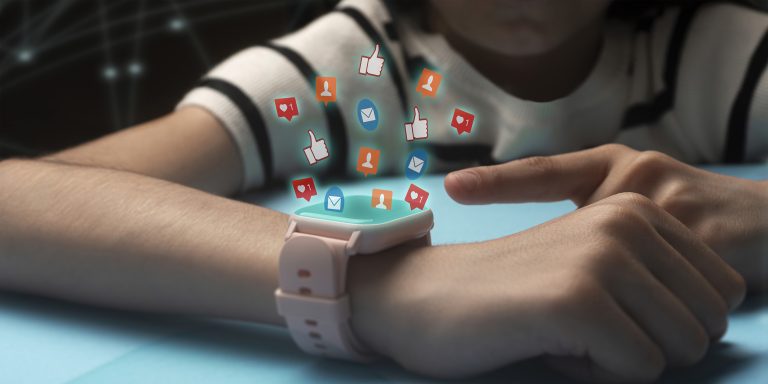
Smartwatches combine the functions of a traditional watch with advanced tracking features. Beyond fitness metrics, they offer notifications, GPS, and music controls right on your wrist. They often sync with your smartphone, making it easier to stay connected without pulling out your phone constantly.
If you want a device that helps you manage both your health and daily tasks, a smartwatch might be the best fit. Think about how many times you check your phone daily—having those alerts on your wrist saves time and keeps you focused.
Health Monitors
Health monitors go deeper into tracking specific body functions. These devices measure heart rate variability, blood oxygen levels, and even stress indicators. Some are designed for medical-grade monitoring, providing real-time data for managing chronic conditions.
Imagine catching early signs of an issue before symptoms appear. That’s the power of detailed health monitoring. Do you want to take control of your health with precise, actionable information?
Wearable Cameras
Wearable cameras capture life from your perspective, recording videos or taking photos hands-free. They are popular among athletes, travelers, and content creators who want to document experiences as they happen. These devices often include stabilization and quick sharing options.
Have you ever wished you could save a moment exactly as you saw it? Wearable cameras make that possible without interrupting your activity. They also offer unique angles that traditional cameras can’t match.
Credit: www.larahealth.com.tr
Physical Activity Metrics
Wearable technology has transformed how you understand your physical activity. These devices capture detailed metrics that give you a clearer picture of your daily movement and exercise habits. Tracking these numbers helps you set realistic goals and stay motivated.
Step Counting
Step counting is the most common metric tracked by wearables. It records every step you take throughout the day, encouraging you to move more. Have you ever been surprised by how few steps you take on a lazy day?
Wearables use accelerometers to detect your motion and translate it into step counts. This simple number can push you to take the stairs instead of the elevator or walk a bit more after work.
Distance Measurement
Distance measurement shows how far you’ve traveled, whether walking, running, or cycling. This metric is especially useful if you enjoy outdoor activities or want to track progress during training.
GPS-enabled devices provide accurate distance tracking, helping you map your routes. Imagine knowing exactly how far you ran in the park without guessing.
Calorie Tracking
Calories burned is a key metric that connects your physical activity with weight management. Wearables estimate calories based on your movement, heart rate, and personal info like age and weight.
This data helps you balance your food intake with your activity level. It’s like having a personal coach reminding you of the energy you’ve used and how to adjust your meals.
Exercise Recognition
Modern wearables can automatically recognize different types of exercises, such as running, cycling, or swimming. This feature saves you time and ensures your activity log is accurate.
Have you ever forgotten to start your workout tracker? Exercise recognition fills that gap by detecting your movements and recording the session for you.
Health Monitoring Features
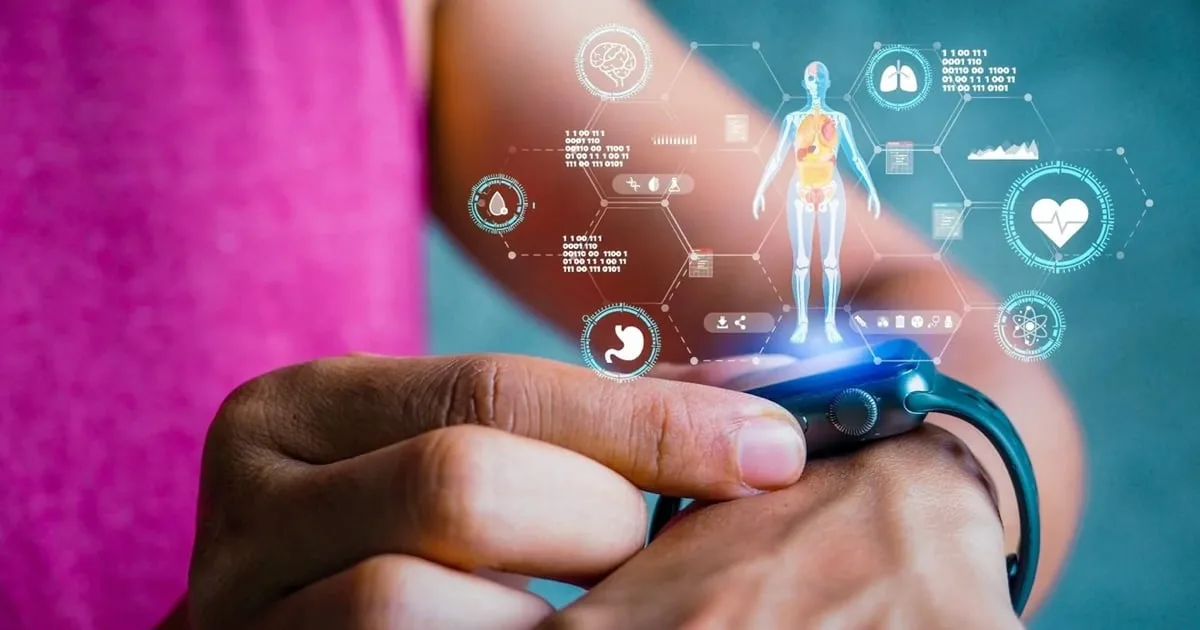
Wearable technology offers many health monitoring features. These features help users keep track of their body’s vital signs. They provide real-time data for better health awareness. Wearables support daily wellness and early detection of issues. The following sections explain key health monitoring functions.
Heart Rate Tracking
Heart rate tracking measures your pulse continuously. It shows how fast your heart beats during activity and rest. This data helps spot irregular rhythms or stress responses. Many wearables alert users if heart rate goes too high or low. Tracking heart rate supports fitness and heart health goals.
Sleep Analysis
Sleep analysis records sleep duration and quality. It tracks light, deep, and REM sleep stages. This data reveals sleep patterns and disturbances. Users can improve habits based on sleep insights. Better sleep leads to improved energy and mood.
Blood Oxygen Levels
Blood oxygen sensors measure oxygen saturation in the blood. This indicates how well oxygen reaches the body. Low levels may signal breathing or circulation issues. Wearables provide quick checks anytime, anywhere. Monitoring oxygen helps users manage health conditions effectively.
Stress And Mood Detection
Stress and mood detection uses heart rate and skin sensors. It identifies signs of stress and emotional changes. Some devices offer breathing exercises to reduce tension. Tracking mood helps users understand emotional well-being. This feature supports mental health awareness daily.

Credit: www.softude.com
Advanced Sensor Data
Wearable technology collects detailed data using advanced sensors. These sensors monitor various physical and environmental factors. They provide insights into health, activity, and surroundings. The data helps users make better lifestyle choices and track performance over time.
Gps And Location Tracking
GPS sensors track your exact location outdoors. They map your routes during running, cycling, or walking. This data shows distance, speed, and elevation changes. Location tracking also helps with navigation and safety features.
Electrocardiogram (ecg)
ECG sensors measure your heart’s electrical activity. They detect irregular heartbeats and monitor heart health. This data helps spot early signs of heart problems. Wearables with ECG can send alerts to users or doctors.
Temperature Sensors
Temperature sensors check your skin or body temperature. They track changes caused by exercise or illness. This data helps monitor fever or heat stress. Some wearables adjust recommendations based on temperature readings.
Motion And Posture Detection
Motion sensors detect movement and body position. They record steps, activity levels, and sleep quality. Posture sensors alert you to slouching or poor posture. This data supports better habits and injury prevention.
Data Integration And Apps
Wearable technology collects a vast amount of data from your body and environment. This data becomes more useful when integrated with apps and other devices. Integration helps you see and understand your health, fitness, and daily habits clearly. Apps process the raw data to deliver meaningful insights. This connection between wearables and apps enhances your experience and motivation.
Syncing With Smartphones
Wearable devices connect easily with smartphones. This syncing allows data to move from the wearable to your phone in real time. You can check your activity, heart rate, or sleep stats anytime on your phone. Syncing also helps update the device software and settings quickly. It ensures your wearable stays accurate and ready to use.
Health And Fitness Apps
Apps play a key role in turning data into useful information. They track steps, calories burned, and workout sessions. Many apps offer goal setting to keep you motivated. Some apps connect with other health services for a full wellness picture. They also remind you to move, drink water, or rest.
Data Visualization
Apps show data through charts, graphs, and summaries. Visual displays make it easier to understand your progress. You can spot trends and patterns in your health over days or weeks. Clear visuals help you see what works and where to improve. This makes tracking less confusing and more fun.
Personalized Insights
Apps analyze your data to provide tailored advice. They suggest changes based on your habits and goals. Personalized tips can improve sleep, diet, or exercise routines. These insights guide you to make better choices every day. The more you use the app, the smarter its suggestions become.
Privacy And Security
Privacy and security are at the heart of wearable technology. These devices collect a wealth of personal data, from your heart rate to location, making protection crucial. Understanding how your information is guarded can help you use wearables confidently without risking your privacy.
Data Protection Measures
Wearable tech companies use various methods to protect your data. Encryption is a key tool, turning your information into unreadable code during transmission and storage. Many devices also require strong passwords or biometric authentication to prevent unauthorized access.
Regular software updates fix security flaws that hackers might exploit. Some brands even offer end-to-end encryption, ensuring only you and authorized services can see your data. Have you checked if your device supports these protections?
User Consent And Control
You should have full control over what data your wearable collects and shares. Most devices ask for your permission before accessing sensitive information. This consent lets you decide which features to enable or disable.
Additionally, many apps provide settings where you can review, download, or delete your data. Taking time to explore these options empowers you to protect your privacy actively. Are you comfortable with the data your wearable collects?
Potential Risks
Despite safeguards, wearable devices can pose risks. Data breaches might expose your health or location details to malicious parties. There’s also the chance that third-party apps access your data without clear permission.
Imagine if someone tracked your daily routine through your smartwatch—how would that affect your sense of security? Being aware of these risks helps you stay vigilant and make smarter choices about device usage.
Regulatory Standards
Governments worldwide are introducing rules to protect wearable users. Laws like GDPR in Europe and HIPAA in the U.S. set standards for data privacy and security. These regulations require companies to be transparent about data use and to report breaches promptly.
Checking if your wearable complies with these standards can offer peace of mind. Are you aware of the laws protecting your data in your country? Understanding these can guide you in selecting safer devices.
Future Trends In Wearables
Wearable technology is evolving rapidly, pushing the limits of what these devices can track and analyze. The future holds exciting possibilities that will make wearables smarter, more personalized, and deeply integrated into daily life. Let’s look at some key trends shaping the next generation of wearable devices.
Ai And Machine Learning
Artificial intelligence is becoming the brain behind wearables, helping devices learn from your habits and provide better insights.
Imagine your smartwatch not just counting steps but predicting when you might feel tired or stressed based on your past patterns. This personalized feedback can help you adjust your day proactively.
Machine learning algorithms will also improve the accuracy of tracking, reducing errors and false alarms. Have you noticed how some devices sometimes misinterpret your activity? That will change as AI gets smarter.
Biometric Advancements
Wearables are moving beyond heart rate and basic activity metrics to track deeper biometric data.
New sensors will measure blood glucose levels, hydration, and even stress hormones without invasive methods. This means you could monitor your health in real-time without frequent doctor visits.
These advancements will provide you with precise health data, helping catch potential issues early. Would you want a wearable that alerts you before you even feel unwell?
Wearables In Healthcare
Healthcare is becoming one of the biggest beneficiaries of wearable technology.
Devices will help monitor chronic conditions like diabetes and heart disease continuously, giving doctors real-time data to adjust treatments quickly.
Remote patient monitoring through wearables can reduce hospital visits and improve patient outcomes. How would having a wearable that connects directly to your healthcare provider change your approach to managing health?
Integration With Iot
Wearables won’t just work alone; they will connect seamlessly with other smart devices in your environment.
Your watch could communicate with your home thermostat, car, or even your office equipment to optimize comfort and productivity based on your stress levels or activity.
This interconnected system will create a more responsive and personalized experience throughout your day. Are you ready for a world where your devices understand and support your needs automatically?
Frequently Asked Questions
What Types Of Health Data Do Wearables Track?
Wearable technology tracks heart rate, sleep quality, steps taken, and calories burned. Some also monitor blood oxygen and stress levels, helping users maintain better health awareness and fitness goals.
Can Wearables Track Physical Activity Accurately?
Yes, most wearables use sensors like accelerometers and GPS to track physical activity. They provide real-time data on distance, pace, and movement, enhancing workout efficiency and motivation.
Do Wearable Devices Monitor Sleep Patterns?
Wearables monitor sleep stages by analyzing movement and heart rate. They help users understand sleep quality, duration, and disturbances, promoting healthier sleep habits and overall well-being.
How Do Wearables Track Location And Movement?
Wearables use GPS and motion sensors to track location and movement. This data helps users map routes, track workouts, and improve navigation during outdoor activities.
Conclusion
Wearable technology tracks many parts of your health and daily life. It measures steps, heart rate, sleep, and even stress levels. This data helps you understand your body better. You can set goals and see progress easily. These devices support a healthy lifestyle with simple tracking.
They keep information at your fingertips, anytime you need. Wearables are tools that make health monitoring clear and easy. They fit into everyday routines without much effort. Small devices, big impact on your wellness journey.