What is Wearable Health Technology: Revolutionizing Wellness
Have you ever wondered how you can keep track of your health without visiting a doctor every day? Wearable health technology is changing the way you manage your well-being.
These smart devices fit right on your wrist or body, giving you real-time information about your heart rate, sleep patterns, and even stress levels. Imagine having a personal health assistant with you at all times, helping you make better choices and catch problems early.
Curious to know how this technology works and how it can benefit you? Keep reading to discover everything you need to know about wearable health technology.
Wearable Health Tech Basics
Wearable health technology helps track your body’s vital signs and daily activities. These devices collect health data in real time. They make it easier to monitor fitness, sleep, heart rate, and more. Wearable health tech improves awareness of personal wellness and supports better health choices.
Types Of Wearable Devices
- Fitness Trackers: Monitor steps, calories, and activity levels.
- Smartwatches: Combine timekeeping with health tracking features.
- Heart Rate Monitors: Measure pulse during rest and exercise.
- Sleep Trackers: Analyze sleep patterns and quality.
- Wearable ECG Monitors: Detect irregular heart rhythms.
- Glucose Monitors: Track blood sugar levels continuously.
- Smart Rings and Bands: Offer compact health tracking options.
Key Features And Sensors
- Accelerometer: Detects motion and activity type.
- Heart Rate Sensor: Measures pulse rate accurately.
- Gyroscope: Tracks orientation and rotation.
- SpO2 Sensor: Measures blood oxygen levels.
- GPS: Tracks location and distance traveled.
- Temperature Sensor: Monitors skin or body temperature.
- Electrocardiogram (ECG): Records heart’s electrical activity.
Impact On Personal Wellness
Wearable health technology changes how people manage their wellness daily. It offers clear data on body functions and habits. This tech helps users make better health choices. Small devices worn on the body track key health metrics. These tools encourage a more active and mindful lifestyle.
Fitness Tracking And Activity Monitoring
Wearables count steps, distance, and calories burned. They motivate users to stay active throughout the day. Real-time feedback helps adjust workouts instantly. Many devices set daily goals to keep users engaged. This tracking improves overall physical fitness and endurance.
Sleep Analysis And Improvement
Sleep trackers monitor sleep patterns and quality. They identify restless nights and deep sleep phases. Users learn habits that affect their rest. Suggestions from data promote better sleep routines. Better sleep boosts energy and mental clarity.
Stress Management Tools
Wearables detect signs of stress through heart rate changes. Guided breathing exercises help reduce tension. Some devices offer mindfulness reminders during busy days. Managing stress supports emotional health and focus. Regular use can lead to calmer, healthier days.
Advancements In Medical Monitoring
Advancements in medical monitoring have transformed wearable health technology. Devices now track vital signs with greater accuracy. This progress supports better health decisions and timely care. Wearables have become essential tools for patients and healthcare providers.
Chronic Disease Management
Wearables help manage chronic diseases like diabetes and heart problems. Continuous monitoring alerts users to changes in their health. This allows quick action to prevent complications. Patients can adjust medications based on real-time data. Healthcare providers receive detailed reports for better treatment plans.
Real-time Health Data Collection
Wearable devices collect health data instantly and constantly. This includes heart rate, blood pressure, oxygen levels, and activity. Real-time data offers a clear picture of a person’s health status. It helps detect issues early before symptoms appear. Users gain insights into their daily habits and health trends.
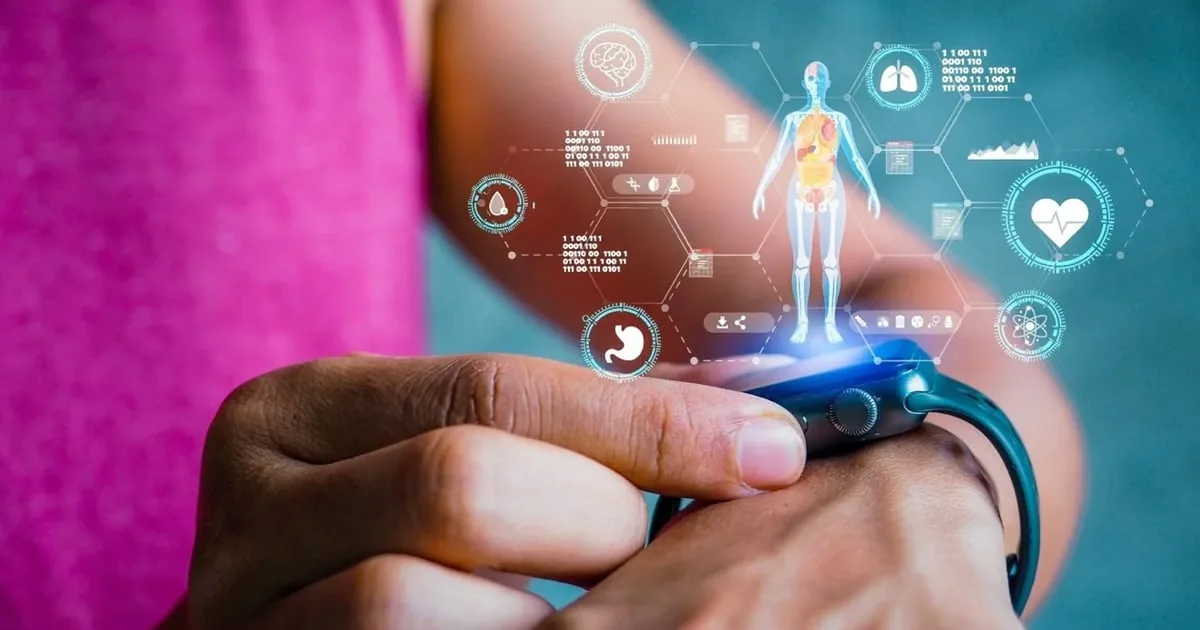
Remote Patient Monitoring
Remote monitoring allows doctors to watch patients outside the clinic. Wearables send health data directly to medical professionals. This reduces hospital visits and lowers healthcare costs. Patients feel safer knowing their health is under constant watch. It improves care for those in remote or busy areas.
Credit: www.larahealth.com.tr
Integration With Mobile And Cloud Tech
Wearable health technology has become more powerful through its integration with mobile devices and cloud technology. This connection allows you to track your health data seamlessly and access it anytime, anywhere. The blend of wearables with mobile apps and cloud storage creates a dynamic ecosystem that supports better health management and informed decision-making.
Data Synchronization And Accessibility
Wearable devices collect data like heart rate, steps, and sleep patterns continuously. This data syncs automatically with your smartphone, ensuring you have real-time updates at your fingertips. Have you ever missed tracking your progress because your device wasn’t connected? That’s less likely now.
Cloud technology stores this information securely, letting you access it from multiple devices. Whether you’re on your phone, tablet, or computer, your health stats are just a few taps away. This instant accessibility helps you stay on top of your goals without hassle.
Ai And Predictive Analytics
AI analyzes your health data to spot patterns you might miss. It can predict potential health issues before symptoms appear, giving you a chance to act early. Imagine your wearable alerting you to unusual heart activity or sleep disturbances—this can be a game-changer for your well-being.
These smart insights go beyond raw numbers. They provide personalized recommendations tailored to your lifestyle, making health management practical and achievable. How might your daily habits improve if your wearable guided you with precise, data-driven advice?
Challenges And Privacy Concerns
Wearable health technology offers incredible benefits, but it also brings significant challenges and privacy concerns you can’t ignore. These devices collect a massive amount of personal health data, making security a top priority. Understanding the risks and ethical questions involved helps you protect your information and make smarter choices about your health gadgets.
Data Security Risks
Your wearable device tracks sensitive health details like heart rate, sleep patterns, and even location. If this data falls into the wrong hands, it can lead to identity theft or unauthorized access to your medical history. Many devices rely on wireless connections, which hackers can exploit if security measures are weak.
Think about a fitness tracker you’ve used or seen. Have you checked how it encrypts your data? Simple passwords and outdated software make your information vulnerable. Always look for devices with strong encryption and regular security updates to reduce these risks.
User Consent And Ethical Issues
How often do you read the privacy policy before using a wearable device? Many people skip this step, unknowingly giving companies broad access to their personal data. This raises ethical concerns about how your data is collected, shared, and used beyond your control.
Wearables sometimes share data with third parties like advertisers or insurers, which can affect your privacy and even your insurance rates. You deserve clear choices about what information you share and with whom. Always review consent options and adjust settings to protect your privacy.
Credit: cubettech.com
Future Trends In Wearable Health
The future of wearable health technology holds exciting possibilities that can change how you manage your wellness daily. These devices are evolving beyond simple step counters to become powerful tools that offer deeper insights into your body’s needs. Imagine wearables that not only track your health but also predict potential issues before they arise.
Emerging Technologies
New materials and sensors are making wearables smaller, more comfortable, and more accurate. Flexible electronics that can be worn like a second skin are already in development, allowing continuous monitoring without discomfort. Imagine a patch on your arm that tracks hydration, heart rate, and blood sugar simultaneously.
Advanced AI integration is set to enhance real-time data processing. This means your device could alert you to subtle changes in your health, such as early signs of a heart condition or stress levels spiking, so you can act quickly. Wouldn’t it be reassuring to have a personal health assistant on your wrist?
Personalized Health Insights
Wearables will soon tailor health advice uniquely for you, based on your genetics, lifestyle, and daily habits. Instead of generic recommendations, you’ll get actionable tips that fit your body’s specific needs. For example, your device might suggest personalized nutrition plans after detecting nutrient deficiencies.
These insights will help you make informed decisions about your health without needing to visit a clinic every time. You can track your progress and adjust routines with data-driven feedback, making wellness a continuous journey. How would having this level of personalized care change your approach to health?
Credit: www.otandp.com
Frequently Asked Questions
What Is Wearable Health Technology?
Wearable health technology includes devices that monitor and track health metrics. These gadgets collect data like heart rate, steps, and sleep patterns. They help users manage fitness and health effectively.
How Do Wearable Health Devices Improve Wellness?
Wearable devices provide real-time health insights and personalized feedback. They motivate users to stay active and maintain healthy habits. This technology supports early detection of health issues and better lifestyle choices.
Are Wearable Health Technologies Accurate For Medical Use?
Many wearable devices offer reliable health data but vary in accuracy. They are best for general wellness, not for critical medical diagnosis. Always consult healthcare professionals for serious health concerns.
What Types Of Data Do Wearables Track?
Wearables commonly track heart rate, physical activity, sleep quality, and calories burned. Advanced models monitor blood oxygen, ECG, and stress levels. This data helps users understand their overall health trends.
Conclusion
Wearable health technology helps people track their health daily. It makes health information easy to see and understand. Many devices measure steps, heart rate, and sleep quality. This data can guide better habits and choices. Wearables also support doctors by sharing useful health details.
As technology grows, these tools get smarter and more helpful. They bring health care closer to everyone’s life. Simple, small gadgets can make a big difference. Wearable health tech is a useful tool for staying healthy.