What is System Operation And Maintenance: Ultimate Guide
Have you ever wondered how complex systems keep running smoothly without constant breakdowns? Whether it’s the software on your computer or the machinery in a factory, there’s a behind-the-scenes process that makes sure everything works as it should.
This process is called System Operation and Maintenance. Understanding it can help you avoid costly downtime, improve efficiency, and extend the life of your equipment or software. You’ll discover what System Operation and Maintenance really means and why it matters to you.
Keep reading to unlock the secrets that keep systems reliable and working at their best.
System Operation Basics
Understanding system operation basics is key to managing any technology environment effectively. It’s not just about keeping things running; it’s about knowing what keeps them running smoothly. When you grasp the fundamentals, you can anticipate issues before they arise and maintain optimal performance.
Core Functions
System operation involves several core functions that ensure continuous and reliable service. These include monitoring system health, managing resources, and handling user requests efficiently.
Regular tasks like backup, updates, and troubleshooting fall under these functions. Each task contributes to minimizing downtime and enhancing system performance, helping you avoid costly interruptions.
Key Components
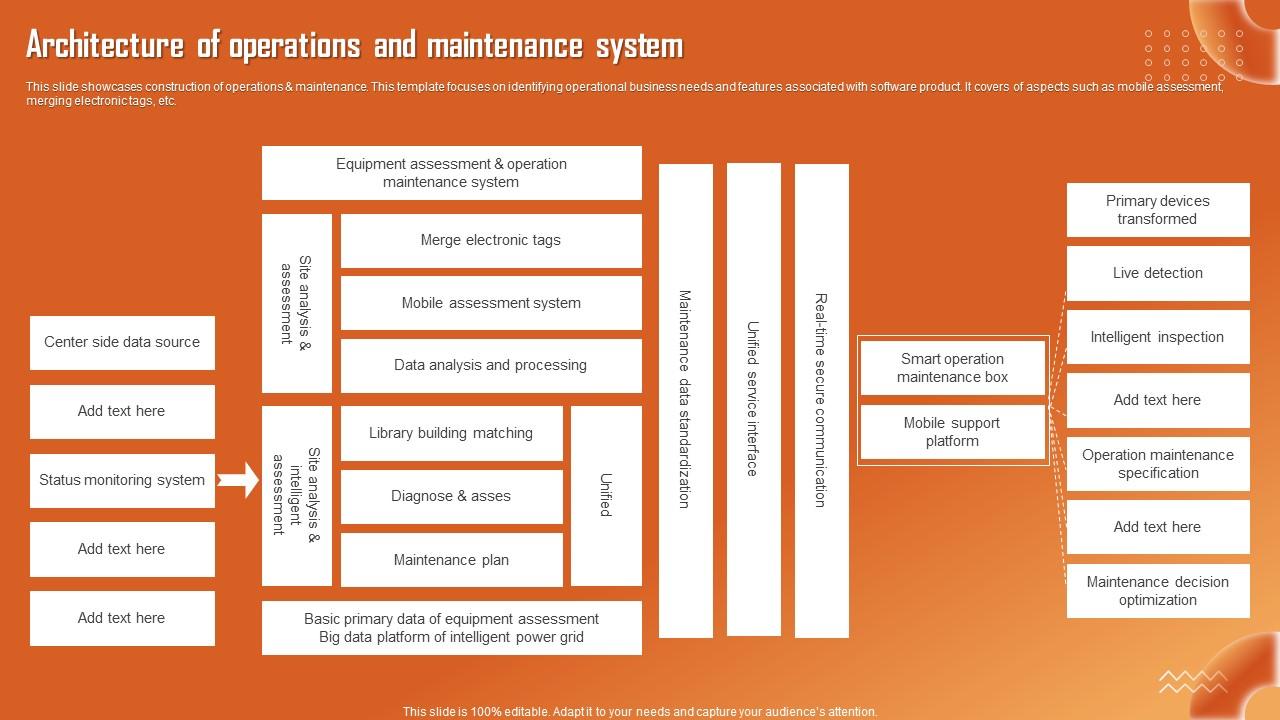
The backbone of system operation consists of hardware, software, and network infrastructure. Each component plays a crucial role in the system’s overall functionality.
Hardware includes servers and storage devices, while software covers operating systems and applications. Network infrastructure connects everything, ensuring smooth communication and data flow across the system.
Roles And Responsibilities
Clear roles are essential to effective system operation. Operators manage daily activities, ensuring systems run without hiccups.
Administrators focus on configuration and security, while support teams handle user issues and system faults. When you define responsibilities well, you create a team that works seamlessly to keep your system stable and secure.
Credit: www.slideteam.net
Maintenance Essentials
Maintenance is a core part of system operation. It keeps systems running smoothly and avoids breakdowns. Proper maintenance ensures safety, efficiency, and longer equipment life. Understanding different maintenance types helps in planning the right approach.
Preventive Maintenance
Preventive maintenance involves regular checks and tasks. It aims to stop problems before they happen. This includes cleaning, lubrication, adjustments, and part replacements. Scheduled inspections help catch wear and tear early. It reduces downtime and costly repairs.
Corrective Maintenance
Corrective maintenance happens after a failure or issue occurs. It focuses on fixing the problem quickly. This type restores the system to its normal state. It is often unexpected and can cause downtime. Proper tools and skilled workers are essential for fast repair.
Predictive Maintenance
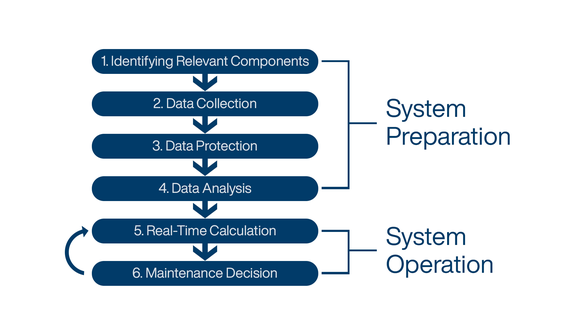
Predictive maintenance uses data and technology to forecast failures. Sensors and monitoring tools track equipment condition continuously. It allows action before a breakdown occurs. This method saves money by targeting only parts needing attention. It improves system reliability and reduces emergency repairs.
Tools And Technologies
Maintaining smooth system operation requires the right set of tools and technologies. These tools help you monitor performance, automate routine tasks, and diagnose problems quickly. Without them, keeping systems healthy becomes a guessing game rather than a precise science.
Monitoring Software
Monitoring software gives you real-time insights into your system’s health and performance. Tools like Nagios, Zabbix, or Datadog track everything from CPU usage to network traffic. They alert you immediately when something goes wrong, so you can fix issues before users even notice.
Imagine catching a server overheating before it crashes. That’s the kind of control monitoring software offers. It also helps you spot patterns over time, making it easier to plan upgrades or capacity changes.
Automation Tools
Automation tools reduce manual work by handling repetitive tasks automatically. Tools like Ansible, Puppet, and Jenkins can manage configurations, deploy updates, and even perform backups without your constant attention. This not only saves time but also minimizes human errors.
Think about how much time you spend on routine updates. Automating these frees you to focus on more complex problems. Plus, consistent automation ensures every system follows the same standards, improving overall reliability.
Diagnostic Techniques
Diagnostic techniques help you identify the root causes of system issues quickly. Techniques include log analysis, performance profiling, and root cause analysis tools. These methods provide detailed insights beyond what monitoring software can show.
Have you ever spent hours hunting for a bug that turned out to be a simple configuration error? Diagnostic tools help you avoid that frustration by narrowing down the problem faster. They empower you to fix issues effectively, reducing downtime and improving system stability.
Best Practices
Best practices in system operation and maintenance ensure your systems run smoothly and avoid unexpected failures. They help you catch issues early, keep clear records, and make teamwork more effective. Focusing on practical steps can save you time and reduce stress.
Routine Checks
Performing regular inspections is essential. Check system performance, hardware health, and software updates frequently. Simple daily or weekly checks can prevent major problems down the line.
Ask yourself: Are you tracking system logs consistently? Overlooking small errors often leads to bigger failures. Set up automated alerts to catch anomalies early and act promptly.
Documentation Standards
Clear and detailed documentation is your safety net. Keep records of system configurations, maintenance activities, and incident reports. This makes troubleshooting faster and knowledge easier to share.
Use consistent formats and update documents as changes happen. You might want to create templates to standardize entries. Think about how much time you save when you don’t have to guess what was done last.
Team Collaboration
Operation and maintenance are rarely solo jobs. Encourage open communication among your team members. Share updates, challenges, and solutions regularly to keep everyone aligned.
Tools like shared dashboards or chat platforms improve transparency. Have you considered daily stand-ups or quick check-ins? These small habits build trust and prevent misunderstandings before they escalate.
Common Challenges
System operation and maintenance come with a set of common challenges that can disrupt smooth functioning and impact overall performance. Understanding these challenges helps you prepare better and respond effectively. Let’s break down some of the biggest hurdles you might face.
System Downtime
Unexpected system downtime can halt business activities and frustrate users. Even short outages can lead to lost revenue and damaged trust. Are you equipped with a robust plan to minimize downtime and recover quickly?
Scheduling regular maintenance during off-peak hours and using monitoring tools can help you spot issues early. But sometimes, hardware failures or software bugs sneak past your defenses, causing sudden interruptions.
Resource Constraints
Limited budgets and staff often make it hard to keep systems running smoothly. You might find yourself juggling multiple roles, from troubleshooting to upgrades, with little time left for proactive improvements.
Prioritizing tasks and automating routine work can ease the load. Think about which maintenance activities deliver the most value and focus your resources there. Could your team benefit from training or new tools to boost efficiency?
Security Risks
Security threats evolve constantly, making it a challenge to keep systems safe. Vulnerabilities in outdated software or weak passwords can open doors to hackers.
Regularly updating software and enforcing strong security policies are essential steps. Have you considered running security audits or penetration tests to identify hidden risks before they become problems?
Credit: industry.panasonic.eu
Future Trends
The future of system operation and maintenance is shaping up to be more dynamic and efficient than ever. New technologies are changing how you handle everyday tasks, making systems smarter and easier to manage. Understanding these trends can help you stay ahead and improve your operational workflows.
Ai And Machine Learning
Artificial intelligence and machine learning are becoming key players in system maintenance. These technologies help predict failures before they happen, saving you time and preventing costly downtime.
Imagine your system alerting you about a potential issue based on historical data patterns. This proactive approach means you can fix problems early, rather than reacting after a failure.
Are you ready to trust your system to learn and improve itself continuously?
Cloud Integration
Cloud integration is making system operation more flexible and scalable. Instead of relying on physical hardware, you can now manage your systems from anywhere through the cloud.
This shift reduces the need for on-site maintenance and allows for faster updates and backups. It also supports collaboration by letting multiple users access the system simultaneously.
How much easier would your work be if you could update or troubleshoot systems remotely without being tied to a physical location?
Remote Management
Remote management tools are growing more powerful and user-friendly. They let you monitor and control your systems from any device, anywhere in the world.
With remote access, you can respond to alerts instantly and perform maintenance without waiting to be on-site. This capability is crucial for businesses with multiple locations or remote teams.
What tasks could you complete faster if you had full control over your systems, even when you’re miles away?
Credit: floorheat.com
Frequently Asked Questions
What Is System Operation And Maintenance?
System operation and maintenance involves managing and supporting systems to ensure optimal performance. It includes monitoring, troubleshooting, updating, and repairing to prevent downtime and extend system lifespan.
Why Is System Operation And Maintenance Important?
It ensures system reliability, efficiency, and security. Proper maintenance reduces failures, lowers costs, and improves user satisfaction by keeping systems running smoothly.
What Are Key Tasks In System Operation And Maintenance?
Key tasks include system monitoring, performance tuning, software updates, backup management, and fault resolution. These tasks help maintain system stability and prevent disruptions.
How Often Should System Maintenance Be Performed?
System maintenance should be performed regularly, based on system criticality. Monthly or quarterly checks are common to detect issues early and maintain performance.
Conclusion
System operation and maintenance keep technology running smoothly. It helps prevent problems and fixes issues quickly. Regular checks and updates improve system life and performance. Skilled teams handle tasks to ensure safety and efficiency. Good maintenance saves time and lowers costs.
Understanding these basics helps you value system care. A well-kept system supports business goals and user needs. Simple steps make a big difference in system health. Keep systems updated and monitored for best results. This approach ensures long-term success and stability.