What is Home Automation Electronic Control Systems: Ultimate Guide
Imagine walking into your home, and with a simple voice command or the touch of a button, your lights dim, the thermostat adjusts to your preferred temperature, and your favorite music begins to play. This is not a scene from a sci-fi movie—it’s the reality of home automation electronic control systems.
If you’ve ever wondered how technology can simplify your daily life, enhance your comfort, and even save you money, you’re in the right place. Home automation systems are revolutionizing the way you interact with your living space. They offer a seamless blend of convenience and efficiency, transforming ordinary homes into smart homes.
Curious to find out how you can turn your home into a tech-savvy haven? Keep reading to discover the magic behind these systems and how they can change your world.
Credit: www.louisasweb.com
Basics Of Home Automation
Understanding the basics of home automation gives you a solid foundation to make smart choices about your living space. Home automation electronic control systems connect different devices in your home, letting you manage them easily through a central platform. This can make daily tasks more convenient, save energy, and even improve your home’s security.
Key Components
Every home automation system has a few essential parts working together:
- Controller:This is the brain of the system. It processes commands and coordinates devices.
- Sensors:These detect changes in the environment, like motion, temperature, or light.
- Actuators:Devices like smart bulbs or locks that perform actions when triggered.
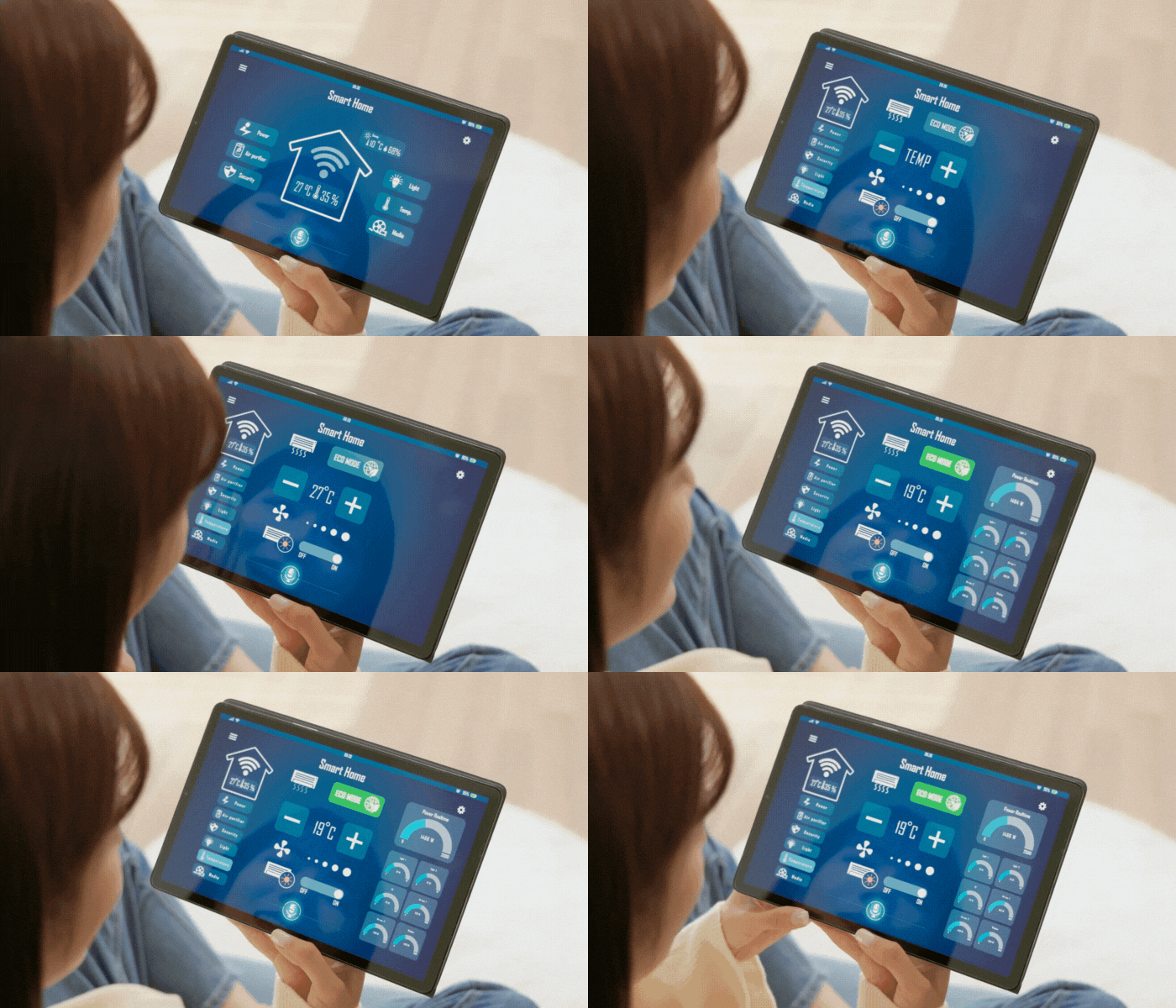
- User Interface:Apps, voice assistants, or wall panels you use to control your system.
Knowing these components helps you understand what you’re adding to your home and how they interact.
How It Works
Home automation systems usually work by connecting devices through a network, often Wi-Fi or specialized protocols.
You send commands via an app or voice assistant, which the controller receives and then tells the actuators what to do.
For instance, you could set your lights to turn on automatically when you enter a room or lower the thermostat at bedtime.
Have you ever thought about how much time you could save by automating everyday tasks?
Common Technologies
Several technologies make home automation possible and reliable:
- Wi-Fi:Easy to use and widely available, but can get crowded with many devices.
- Zigbee and Z-Wave:Low-power wireless standards designed specifically for smart home devices.
- Bluetooth:Suitable for short-range control and quick device setup.
- Voice Assistants:Tools like Alexa, Google Assistant, or Siri let you control devices hands-free.
Choosing the right technology depends on your home size, device types, and personal preferences.
Credit: www.grafelectric.com
Types Of Control Systems
Home automation electronic control systems help manage devices and appliances in a house. These systems come in different types, each with unique features and setups. Choosing the right type depends on the home’s design, budget, and user needs.
Wired Systems
Wired systems use cables to connect all devices and controllers. This type offers stable and fast communication. It is less affected by interference or signal loss. Installation can be complex and costly, especially in existing buildings. Maintenance is often easier because wires are visible and accessible.
Wireless Systems
Wireless systems use radio waves or Wi-Fi to connect devices. They are easy to install with no need for cables. Ideal for retrofitting older homes without major renovations. Wireless systems may face signal interference from walls or other electronics. Battery life of devices can affect performance and maintenance needs.
Hybrid Solutions
Hybrid systems combine wired and wireless technologies. They offer flexibility by using wires where possible and wireless where needed. This approach balances reliability and ease of installation. Hybrid solutions adapt well to different home layouts and user preferences. They can optimize cost and performance together.
Popular Home Automation Devices
Popular home automation devices are transforming how you interact with your living space. These gadgets not only add convenience but also help you save energy, enhance security, and customize your environment. Understanding the key types of devices available can help you decide which ones fit your lifestyle best.
Smart Lighting
Smart lighting lets you control your home’s lights remotely through apps or voice commands. You can adjust brightness, change colors, and set schedules to match your mood or daily routine.
Imagine walking into a room and the lights turn on automatically. That’s not just cool—it also helps reduce wasted electricity. Brands like Philips Hue and LIFX offer easy setups that work with popular smart home platforms.
Thermostats And Climate Control
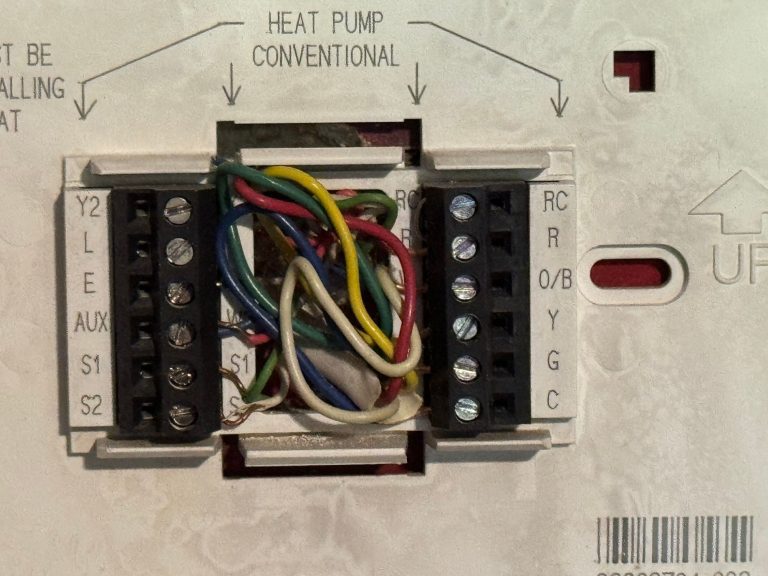
Smart thermostats learn your schedule to keep your home comfortable without wasting energy. They can adjust heating and cooling based on when you’re home or away, saving money on utility bills.
Devices like Nest or Ecobee provide detailed energy reports, helping you spot patterns and make changes. Have you ever thought about how much energy your old thermostat might be wasting?
Security And Surveillance
Home automation includes security devices such as smart locks, cameras, and motion sensors. These let you monitor your home in real-time and receive alerts if anything unusual happens.
Many systems allow you to grant temporary access to guests or service providers without handing over physical keys. How much peace of mind would you gain knowing you can check your home’s security from anywhere?
Integration And Compatibility
Integration and compatibility are key to a smooth home automation system. Devices must work well together for easy control and efficiency. Without proper integration, smart devices can feel disconnected and hard to manage.
Choosing systems that support common standards helps create a seamless smart home. Compatibility ensures new devices join your network without issues. This section explains how protocols, device connections, and control methods fit together.
Protocols And Standards
Protocols are rules that let devices communicate. Popular ones include Zigbee, Z-Wave, and Wi-Fi. Each protocol works differently but aims for reliable data exchange.
Standards ensure devices from different brands work together. For example, Matter is a new standard designed for better compatibility. Using common protocols reduces conflicts and improves system stability.
Connecting Devices
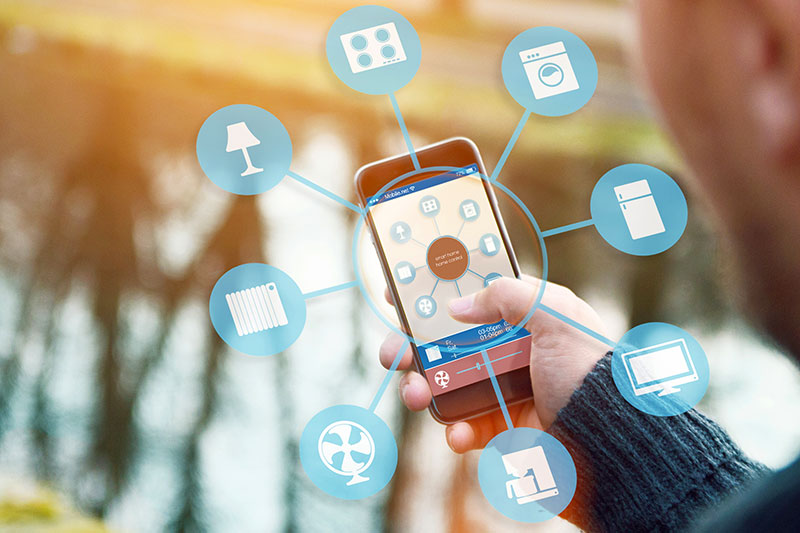
Devices connect through hubs or directly via Wi-Fi. Hubs act as central points for multiple protocols. This allows various devices to link in one system.
Wired connections offer stable links but limit placement. Wireless connections provide flexibility but may face interference. A good system balances both types based on needs.
Mobile And Voice Control
Mobile apps let users control devices from anywhere. These apps often combine controls for lighting, security, and climate. User-friendly interfaces simplify managing many devices.
Voice control works through assistants like Alexa, Google Assistant, or Siri. It offers hands-free convenience and quick access. Integration with voice services requires compatible devices and proper setup.
Benefits Of Home Automation
Home automation electronic control systems offer more than just futuristic appeal—they deliver practical benefits that can transform your daily life. These systems connect devices and appliances, letting you manage them effortlessly. Understanding the benefits can help you decide how to make your home smarter and your routine easier.
Energy Efficiency
One of the biggest advantages of home automation is cutting down energy waste. Automated lighting and thermostats adjust to your schedule, turning off when rooms are empty. This smart control doesn’t just save electricity; it lowers your utility bills significantly.
Imagine your heating system switching off the moment you leave for work or your lights dimming automatically as the sun sets. These small tweaks add up, creating a noticeable difference in energy consumption.
Convenience And Comfort
Home automation puts control at your fingertips, making everyday tasks easier and more enjoyable. You can set your coffee maker to start brewing before you wake up or control your home’s temperature from your phone while stuck in traffic.
Have you ever wished you could check if you left the lights on after leaving home? With automated systems, you can do exactly that and fix it instantly. This level of convenience saves time and reduces stress, letting you focus on what matters most.
Safety And Security
Security is a major concern for any homeowner, and automation systems offer peace of mind. You can monitor your home remotely with cameras and receive alerts if unusual activity is detected.
Smart locks can grant access to trusted visitors without needing to be physically present. These features give you greater control over your home’s safety, helping you protect your family and belongings more effectively.

Credit: srituhobby.com
Installation And Setup
Installing and setting up a home automation electronic control system is an important step. It connects all your devices for smooth operation. Proper setup ensures the system works reliably and meets your needs. This process involves choosing how to install, planning the layout, and overcoming common hurdles. Understanding these aspects helps you create a smart home that feels just right.
Diy Vs Professional
Deciding between DIY and professional installation depends on your skills. DIY is cheaper and lets you learn the system inside out. Many kits come with easy instructions and online tutorials. Still, some tasks need technical knowledge, like wiring or network setup.
Professional installers bring experience and tools. They save time and avoid mistakes. Their work usually comes with a warranty or support. Complex systems, like whole-house control, benefit from experts. Choose based on your comfort and system complexity.
Planning Your System
Good planning sets the foundation for success. Start by listing all devices to control: lights, locks, thermostats, cameras, and more. Decide which rooms need automation first. Consider the network needs and power sources for each device.
Create a simple map showing device locations and connections. Think about future expansion to avoid extra work later. Choose a central hub or app to manage everything easily. Clear plans save money and reduce installation errors.
Common Challenges
Many face issues during installation. Network problems can cause devices to lose connection. Make sure your Wi-Fi covers all areas well. Power supply issues might stop devices from working properly.
Compatibility between devices is another challenge. Different brands may not work together smoothly. Always check if components support the same protocols. Software updates can also cause temporary glitches. Patience and careful setup help solve these problems quickly.
Future Trends In Home Automation
The future of home automation electronic control systems is full of exciting possibilities. As technology evolves, your home will become smarter, more responsive, and easier to manage. Understanding the upcoming trends can help you prepare for a more connected and efficient living space.
Ai And Machine Learning
Artificial Intelligence (AI) and machine learning are making homes smarter by learning your habits and preferences. Imagine your lighting adjusting automatically based on the time of day or your mood without you lifting a finger.
These systems can predict your needs, reducing energy waste and improving comfort. Have you noticed how streaming services suggest shows you like? Similar algorithms are starting to control home environments, making automation more personalized and intuitive.
Iot Expansion
The Internet of Things (IoT) is expanding rapidly, connecting more devices than ever before. Your fridge, thermostat, security cameras, and even garden sprinklers can communicate and work together seamlessly.
This network of devices allows you to control everything from your phone, no matter where you are. Think about the convenience of checking your oven or locking your doors while at work—IoT makes this not just possible but simple.
Enhanced Connectivity
Fast, reliable connectivity is the backbone of effective home automation. With the rise of 5G and advanced Wi-Fi standards, your devices will respond quicker and stay connected more reliably.
This means fewer frustrating delays and smoother operation across your smart home. Have you ever experienced a lag when controlling devices remotely? Enhanced connectivity aims to eliminate those hiccups, creating a more seamless experience.
Frequently Asked Questions
What Is A Home Automation Electronic Control System?
A home automation electronic control system manages and automates household devices. It controls lighting, security, HVAC, and appliances for convenience and energy efficiency.
How Do Home Automation Systems Improve Energy Efficiency?
These systems optimize energy use by scheduling lights and appliances. They adjust heating and cooling based on occupancy, reducing unnecessary power consumption and lowering bills.
Are Home Automation Systems Compatible With Smart Devices?
Yes, most home automation systems integrate seamlessly with smart devices. They connect with smartphones, voice assistants, and IoT gadgets for centralized control and monitoring.
What Security Features Do Home Automation Systems Offer?
They provide remote monitoring, automated door locks, surveillance cameras, and alert notifications. These features enhance home security and allow real-time control from anywhere.
Conclusion
Home automation electronic control systems make life easier and safer. They let you control lights, temperature, and security from one place. These systems save energy and reduce bills. They also add comfort to your daily routine. Technology keeps improving, making homes smarter every day.
Everyone can enjoy the benefits of a connected home. Simple steps can bring big changes. Embrace home automation to create a modern, efficient living space.