Can We Update Our Toyota System During Maintenance? Essential Insights
Have you ever wondered if your Toyota’s system can be updated during routine maintenance? Keeping your vehicle’s software up to date is just as important as checking the oil or tires.
But what does that mean for you? Can a simple visit to the service center make your car smarter, safer, or more efficient? You’ll discover exactly how system updates work during maintenance and why they might be a game changer for your driving experience.
Keep reading to find out how easy it can be to keep your Toyota running at its best.

Credit: heartautocare.com
Toyota System Basics
Understanding the basics of your Toyota system is essential before considering any updates during maintenance. Your vehicle relies on a combination of hardware and software working together seamlessly to deliver optimal performance. Knowing how these components interact helps you make informed decisions about system updates and maintenance.
Understanding The System Components
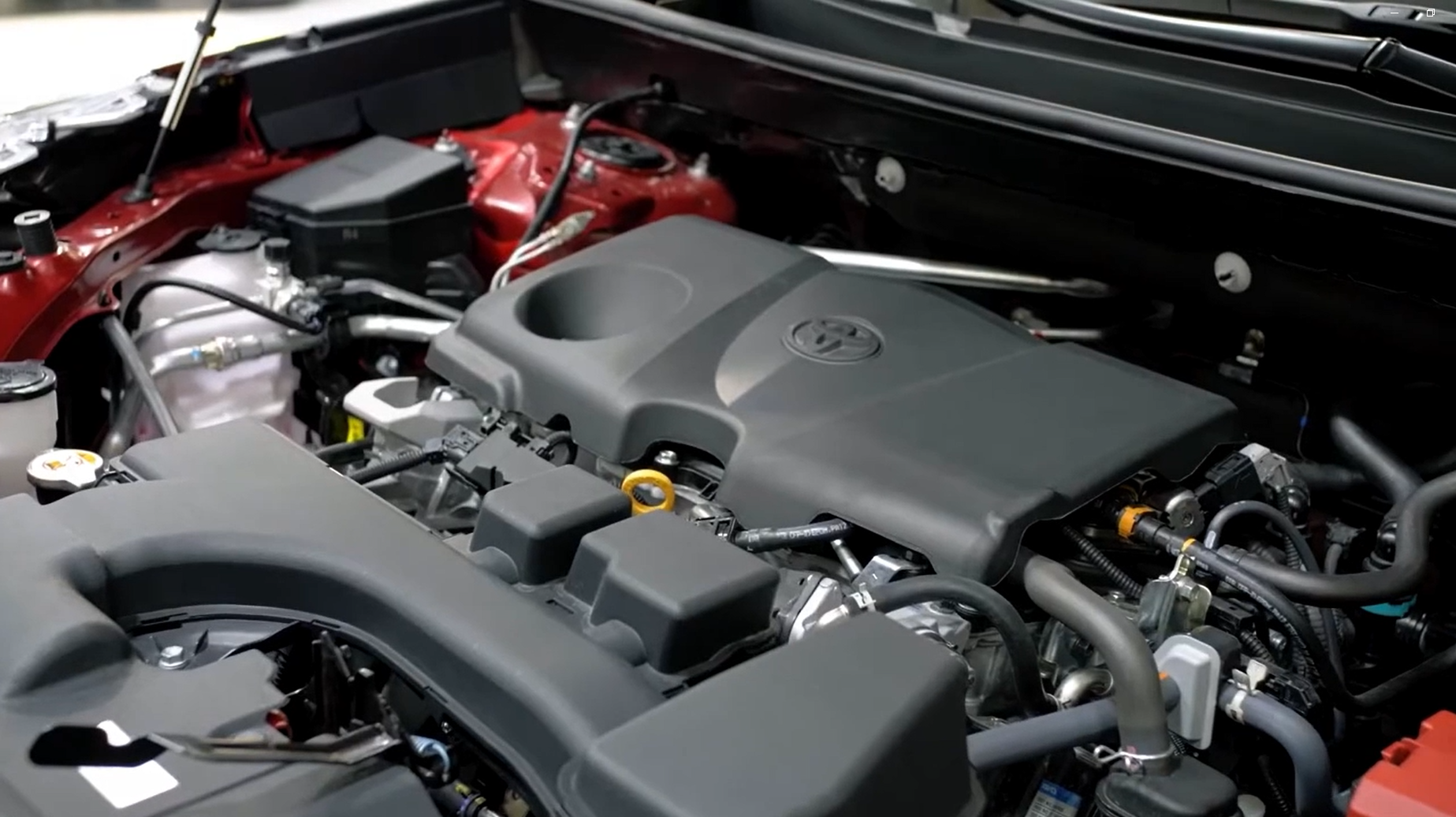
Your Toyota system is made up of various components that control everything from engine function to safety features.
- Engine Control Unit (ECU):Acts as the brain of your vehicle, managing fuel injection, ignition timing, and emission controls.
- Transmission Control Module (TCM):Oversees gear shifts and transmission behavior for smooth driving.
- Infotainment System:Controls navigation, audio, and connectivity options inside your car.
- Safety Systems:Includes airbags, anti-lock brakes, and stability control, all linked to sensors and control units.
Each component depends on software updates to stay efficient and compatible with new features or fixes. Have you ever noticed your car’s infotainment acting slower after a few years? That’s often a sign the system needs a software refresh to keep up with evolving technology.
Role Of Software In Vehicle Performance
Software plays a crucial role in how your Toyota performs daily. It controls engine efficiency, fuel economy, and safety protocols.
Manufacturers regularly release software updates to improve performance, fix bugs, and enhance security. Skipping these updates can result in slower response times or reduced fuel efficiency.
For example, an update might improve how your car adapts to different driving conditions, making your ride smoother and safer. Have you ever thought about how your vehicle’s software affects your driving experience beyond just the dashboard display?
During maintenance, technicians often check for available updates and install them to keep your Toyota running at its best. This proactive approach can prevent costly repairs down the road and ensure your system stays current with the latest improvements.
Maintenance And Updates
Maintaining your Toyota is more than just checking oil and brakes. It also includes keeping the vehicle’s system updated. Updates can improve performance, fix bugs, and add new features. Knowing how updates fit into your maintenance schedule helps you keep your car running smoothly.
Scheduled Maintenance Overview
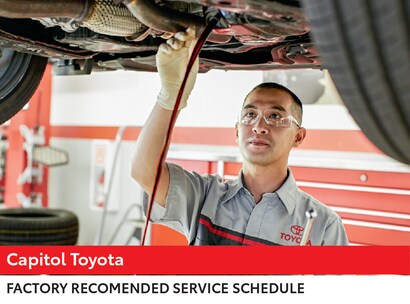
Toyota recommends regular checkups at set mileage or time intervals. These visits cover:
- Oil and filter changes
- Brake inspections
- Tire rotations
- Fluid level checks
- Battery and electrical system tests
During these visits, technicians also review your vehicle’s system for any updates. This ensures your car stays safe and efficient.
Update Options During Maintenance
Software updates can be installed during regular maintenance. These updates may include:
- Navigation system improvements
- Enhanced safety features
- Bug fixes for infotainment systems
- Engine control optimizations
Toyota service centers have the tools to check and install these updates. It is often easier to update the system while the car is in for maintenance. Updates can take a short time and improve your driving experience.
Benefits Of System Updates
Updating your Toyota’s system during maintenance offers many benefits. It keeps your vehicle running smoothly and safely. These updates improve how your car performs and protect it against new threats. Keeping the system current means your car can use the latest technology and features.
Improved Vehicle Performance
System updates often fix bugs and improve software efficiency. This leads to better engine control and fuel management. Your car may respond faster and run more quietly. Updates can also enhance features like navigation and infotainment. A well-tuned system means a smoother, more enjoyable drive.
Enhanced Security Features
Car systems face risks from hacking and cyber threats. Updates strengthen security protocols to protect your vehicle. They close vulnerabilities that could allow unauthorized access. Updated systems guard your personal data and car functions. Staying current reduces the risk of security breaches and theft.

Credit: www.reddit.com
Challenges In Updating
Updating your Toyota system during maintenance sounds straightforward, but it comes with its own set of challenges. These challenges can affect the performance and reliability of your vehicle if not handled properly. Understanding these hurdles can help you make smarter decisions about when and how to update your system.
Compatibility Issues
Not all updates fit every Toyota model or system version. Sometimes, the software update is designed for newer models and may not work well with older hardware. This mismatch can cause your system to lag or even stop functioning entirely.
Think about a time you tried to install an app on an old phone, only to find it crashes or won’t open. The same happens with car systems if the update isn’t fully compatible. You need to check the update’s requirements against your vehicle’s current system before proceeding.
Potential Risks And Failures
Updating your Toyota system isn’t risk-free. There’s a chance the update might fail midway, leaving your system stuck or unresponsive. This can happen due to power loss, poor internet connection during the update, or software bugs.
Sometimes, updates introduce new glitches instead of fixing old ones. Imagine driving with a navigation system that suddenly resets or loses data after an update. These failures can be frustrating and might require professional help to fix, costing you time and money.
Manufacturer Recommendations
Manufacturer recommendations are essential when considering updates to your Toyota system during maintenance. These guidelines ensure that your vehicle’s software stays compatible and secure without risking damage. Ignoring them can lead to system errors or void warranties, which is why following official advice matters.
Guidelines For Safe Updates
Toyota advises updating your vehicle’s software only when necessary and through approved methods. Updates often improve performance, fix bugs, and add new features, but installing them incorrectly can cause problems.
- Always back up your system data before starting any update.
- Ensure your vehicle is parked in a well-ventilated, stable environment during the update.
- Do not interrupt the update process once it has started—power loss can cause serious issues.
- Check for any specific update instructions in your owner’s manual or Toyota’s official website.
Have you ever faced glitches after a system update? Following these guidelines can prevent such frustrations by keeping your Toyota’s system running smoothly.
Authorized Service Centers
Toyota strongly recommends having your system updates performed by authorized service centers. These centers have trained technicians who understand the precise requirements of Toyota vehicles.
- Authorized centers use official Toyota diagnostic tools and software to guarantee proper updates.
- They can identify if your vehicle needs an update or if other maintenance tasks are more urgent.
- Using authorized centers helps maintain your warranty and ensures that updates do not interfere with other vehicle systems.
Trying to update your system at home or through unverified channels might seem convenient, but it often leads to compatibility issues. Would you risk your vehicle’s reliability to save a few dollars?
Diy Vs Professional Updates
Deciding between updating your Toyota system yourself or hiring a professional can be tricky. Both choices have benefits and challenges. Understanding these helps you make the best decision for your vehicle’s maintenance and safety.
Pros And Cons Of Diy Updates
Updating your Toyota system on your own saves money on labor costs. It gives you control over timing and process. Simple updates can be done at home with basic tools.
- Pros:
- Cost-effective for minor updates
- Convenient scheduling
- Learning experience
- Cons:
- Risk of errors if instructions are unclear
- Possible voiding of warranty
- Time-consuming for complex updates
- Need for compatible hardware and software
When To Seek Professional Help
Professional service is best for major system updates or when unsure about the process. Experts have access to the latest software and tools. They ensure updates install correctly and safely.
- Complex updates requiring specialized tools
- Ensuring warranty protection
- Diagnosing system issues during update
- Saving time and avoiding frustration
Future Of Toyota System Updates
The future of Toyota system updates holds exciting possibilities for drivers who want to keep their vehicles running smoothly and efficiently. As technology advances, updating your Toyota’s software during routine maintenance is becoming easier and more effective. These updates not only improve performance but also enhance safety features and user experience over time.
Emerging Technologies
Toyota is investing heavily in new technologies that make system updates faster and more reliable. Over-the-air (OTA) updates are becoming standard, allowing your vehicle to receive improvements without a trip to the dealer. This means your car can get the latest features or security patches while you sleep.
Artificial intelligence and machine learning are also playing a bigger role. They help the vehicle learn from real-world driving conditions and adjust settings automatically. Imagine your car optimizing fuel efficiency or adapting its safety systems based on your driving style.
Impact On Vehicle Longevity
Regular system updates can extend the life of your Toyota by keeping the software aligned with the hardware. This means fewer breakdowns and a smoother driving experience. You might be surprised how a simple update can fix issues before they become serious problems.
Think about how smartphones get slower over time without updates. Cars are no different. By keeping your Toyota’s system current, you protect your investment and maintain its value. Have you ever experienced a feature that suddenly stopped working or improved after an update? That’s the kind of advantage you can expect.
Credit: www.captoyota.com
Frequently Asked Questions
Can Toyota System Updates Be Done During Maintenance?
Yes, Toyota system updates are often performed during routine maintenance. This ensures your vehicle’s software is current and functions optimally.
How Often Should Toyota System Updates Occur?
Toyota recommends checking for system updates at every scheduled maintenance. Regular updates improve performance, safety, and add new features.
Are Toyota System Updates Free During Maintenance?
System updates are usually free if your vehicle is under warranty or covered by a service plan. Check with your dealership for details.
What Benefits Come From Updating Toyota Systems?
Updating Toyota systems enhances navigation, infotainment, and safety features. It also fixes bugs and improves overall vehicle reliability.
Conclusion
Updating your Toyota system during maintenance keeps your car running smoothly. It helps fix bugs and improve features. The process is usually quick and safe. Your technician can check for updates while servicing your vehicle. Staying up to date can improve your driving experience.
Don’t miss the chance to keep your system current. It’s a smart step for better car care. Always ask your service center about system updates. Simple, effective, and worth considering every time.