What are Electronic Components Used for: Essential Functions Explained
Have you ever wondered what makes your smartphone light up, your TV display colors, or your favorite gadget work smoothly? The secret lies in tiny parts called electronic components.
These small pieces play a huge role in powering the devices you use every day. Understanding what electronic components are used for can help you see how technology fits into your life—and maybe even inspire you to create something new.
Keep reading to discover how these essential building blocks shape the world around you.

Credit: www.reddit.com
Basic Functions Of Electronic Components
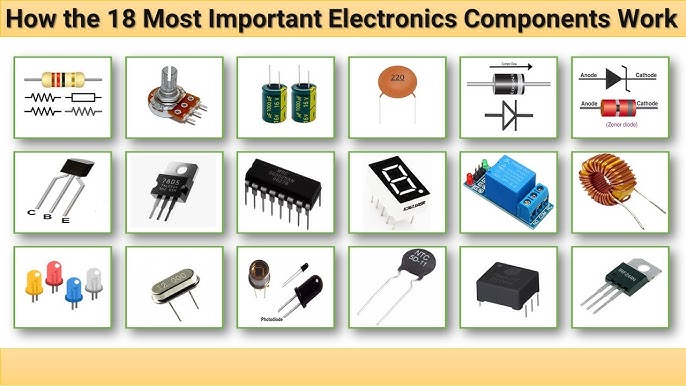
Electronic components play a vital role in devices and circuits. Each part has a specific function that helps control electrical signals and power. Understanding these basic functions reveals how electronic systems work efficiently.
These components perform tasks like controlling current flow, storing energy, or changing signals. Their functions form the foundation of all electronic equipment, from simple gadgets to complex machines.
Resisting And Controlling Current
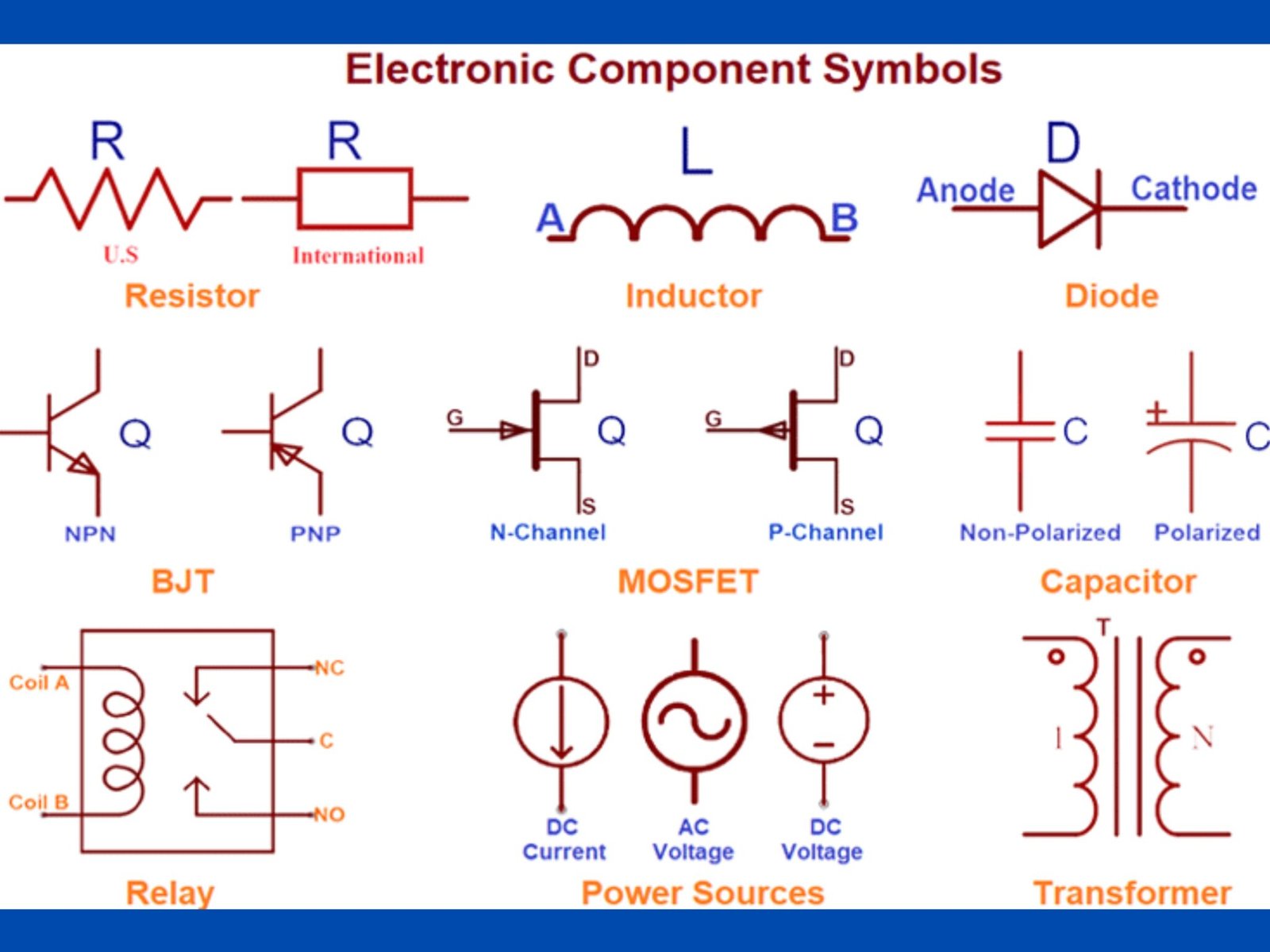
Resistors limit or control the flow of electric current. They protect sensitive parts from damage. By adjusting resistance, circuits can operate safely and correctly.
Storing Electrical Energy
Capacitors store and release electrical energy quickly. They help smooth out voltage changes. This storage supports stable power supply in circuits.
Allowing Current To Flow In One Direction
Diodes act as one-way gates for electric current. They prevent current from flowing backward. This protects devices and guides current properly.
Amplifying Signals
Transistors boost weak electrical signals. They make small signals stronger for further processing. Transistors are essential in radios, computers, and more.
Generating Oscillations And Timing
Inductors and crystals help create and control signal frequency. They keep timing accurate in clocks and radios. This function ensures devices run on schedule.
Credit: mscpl.in
Resistors And Their Role
Resistors are fundamental electronic components that play a crucial role in managing electrical circuits. They control how much current flows through a part of the circuit and help in adjusting voltage levels. Understanding their function can help you design or troubleshoot circuits more effectively.
Limiting Current Flow
One of the main jobs of a resistor is to limit the amount of current passing through a circuit. Without resistors, too much current could flow, damaging other components like LEDs or microchips. Think about a simple LED light; adding a resistor prevents it from burning out by controlling the current.
Have you ever wondered why some devices have tiny colored bands on small cylinders? Those are resistors, and the colors tell you their resistance value. By picking the right resistor, you ensure your circuit stays safe and functions as expected.
Voltage Division
Resistors also help split voltage within a circuit, a process called voltage division. This is useful when you need different parts of a circuit to operate at different voltages but only have one power source. By arranging resistors in series, you can create specific voltage levels needed for various components.
Imagine you want to power a sensor that needs 3 volts from a 9-volt battery. A voltage divider made with resistors can reduce the voltage safely and efficiently. This practical use shows how resistors provide flexibility in circuit design.
Capacitors In Circuits
Capacitors play a crucial role in electronic circuits by managing electrical energy in ways that keep devices running smoothly. You might not see them, but capacitors influence everything from the power supply in your phone to the sound quality of your speakers. Understanding how capacitors work can help you appreciate their value and even troubleshoot simple circuit issues yourself.
Energy Storage
Capacitors store electrical energy temporarily, acting like small batteries within a circuit. They charge when voltage is applied and release energy when the circuit needs it. This ability helps stabilize power supply, preventing sudden drops or spikes that could damage sensitive components.
Imagine your smartphone’s camera flash—capacitors gather energy slowly and release it quickly to create a bright, intense burst of light. This quick energy delivery is something regular batteries can’t provide efficiently. Have you ever noticed how some devices keep running smoothly even when power fluctuates? Capacitors are often the reason.
Signal Filtering
Capacitors also filter signals by blocking certain frequencies while letting others pass through. This property is essential in radios, audio equipment, and even your computer to reduce noise and improve signal clarity. You can think of capacitors as gatekeepers that decide which signals get through and which don’t.
For instance, in audio circuits, capacitors remove unwanted low-frequency noise, making the sound clearer and more pleasant. Without proper filtering, you might hear static or humming that ruins the listening experience. If you’ve ever tried fixing a speaker and noticed how replacing a capacitor improved the sound, you’ve witnessed this filtering effect firsthand.

Credit: www.tomsonelectronics.com
Inductors And Magnetic Fields
Inductors are key components in many electronic circuits, and their relationship with magnetic fields is what makes them unique. Unlike resistors or capacitors, inductors store energy in a magnetic field created by the electric current flowing through their coils. Understanding how inductors work with magnetic fields can help you design better circuits and troubleshoot issues more effectively.
Energy Storage In Magnetic Field
Inductors store energy by creating a magnetic field around their coil when current passes through. This magnetic field acts like a temporary energy reservoir, which releases energy back into the circuit when the current changes. This property is essential in power supplies and DC-DC converters where smooth energy transfer is crucial.
Think about how a transformer uses inductors to transfer energy between circuits without direct electrical contact. The magnetic field enables this transfer efficiently, reducing energy loss. Have you ever noticed how inductors can help maintain steady currents even when power fluctuates?
Tuning Circuits
Inductors also play a vital role in tuning circuits, especially in radios and wireless communication devices. By pairing inductors with capacitors, you can create resonant circuits that select specific frequencies while blocking others. This ability allows your radio to pick up just one station from a sea of signals.
Such tuning circuits rely on the precise values of inductance and capacitance to work correctly. A slight change in the inductor’s magnetic field can shift the frequency, which is why adjustable inductors are often used in these applications. Could you imagine how much clearer your favorite radio station sounds thanks to this simple yet powerful component?
Diodes And Current Flow
Diodes play a crucial role in controlling current flow within electronic circuits. They allow current to pass in one direction while blocking it in the opposite direction. This unique property makes diodes essential for a variety of applications that involve managing electrical signals and power.
Rectification
One of the most common uses of diodes is in rectification, where they convert alternating current (AC) into direct current (DC). This process is vital for powering electronic devices that require steady DC voltage.
Think about your phone charger. Inside, diodes are working silently to ensure the AC from the wall outlet becomes usable DC for your battery. Without diodes, many everyday devices wouldn’t function properly.
Signal Demodulation
Diodes also extract information from modulated signals through demodulation. They separate the audio or data signals from carrier waves in radios and communication devices.
Imagine tuning into your favorite radio station. Diodes help pull the sound signal out of the radio waves, making it possible for you to hear clear music or voices. This simple yet powerful function highlights how diodes impact the way you receive information daily.
Transistors In Amplification
Transistors play a vital role in electronic circuits. They control electric signals by acting as switches or amplifiers. This makes them essential for many devices like radios, TVs, and computers. Understanding how transistors amplify signals helps appreciate their importance in technology.
Switching Applications
Transistors can turn electric current on or off. This switching ability helps control devices and circuits. For example, they enable microprocessors to perform logic functions. The transistor acts like a gate, allowing current to flow only when needed. This makes circuits faster and more efficient.
Signal Amplification
Transistors increase the strength of weak signals. They take a small input current and produce a larger output current. This process is crucial in audio devices, radios, and other communication tools. Amplification helps sounds or data travel longer distances clearly. Without transistors, many electronic devices would not work properly.
Integrated Circuits And Miniaturization
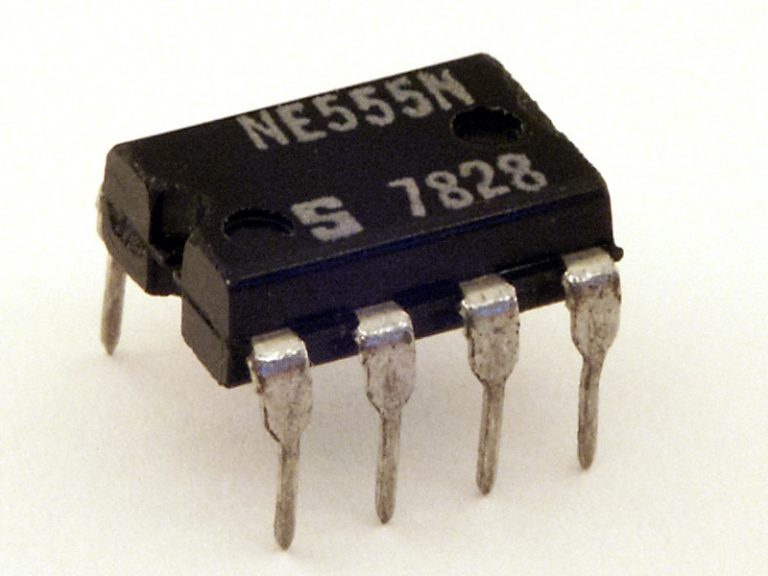
Integrated circuits (ICs) have transformed how electronic components function and fit into devices. These tiny chips combine multiple electronic elements like transistors, resistors, and capacitors into a single piece of semiconductor material. This advancement has driven the trend of miniaturization, allowing powerful electronics to become smaller and more efficient than ever before.
Complex Functionality
ICs pack a huge amount of functionality into a small chip. Instead of wiring individual components, you get entire circuits that can process data, amplify signals, or control systems all in one unit. This complexity enables smartphones to manage dozens of tasks simultaneously without overheating or slowing down.
Think about the microprocessor in your computer or phone. It contains millions of transistors performing billions of operations every second. Without ICs, devices would be bulky and far less capable.
Space Efficiency
Miniaturization through integrated circuits saves a remarkable amount of space. By placing thousands or millions of components on a tiny chip, manufacturers reduce the size of electronic devices drastically. This means your gadgets become more portable and convenient.
Space efficiency also lowers manufacturing costs and improves reliability. Fewer connections between components mean fewer points of failure. Have you noticed how much thinner laptops and wearables have become? That’s the power of IC-driven miniaturization.
Sensors And Data Acquisition
Sensors and data acquisition components play a key role in gathering information from the physical world. These electronic parts detect changes and convert them into signals. Devices use these signals to make decisions or monitor conditions. Sensors help collect data in many fields, improving safety, efficiency, and comfort.
Environmental Monitoring
Environmental sensors track air quality, temperature, and humidity. They detect pollutants and harmful gases in the atmosphere. Water quality sensors measure contaminants and pH levels. These components help maintain healthy surroundings and prevent risks. Industries and homes use them to control and improve environments.
Motion Detection
Motion sensors detect movement or vibrations in a space. They activate alarms, lights, or cameras when motion occurs. These sensors improve security and automate systems. Common types include infrared, ultrasonic, and microwave sensors. Motion detection helps protect property and conserve energy.
Connectors And Signal Transmission
Connectors play a crucial role in electronic components by enabling the transfer of signals between devices and circuits. They ensure that electrical signals move efficiently and reliably, which is vital for any electronic system to function properly. Understanding how connectors work can help you choose the right parts and improve your project’s performance.
Mechanical Joining
Connectors physically join two or more electronic components together. This mechanical joining keeps the parts securely connected even if the device moves or vibrates. A loose connection can cause interruptions, so the design of connectors often includes locking mechanisms or clips to hold the connection firmly.
Think about the last time you had to fix a loose headphone jack. The annoying crackle you heard was a direct result of poor mechanical joining. Ensuring a solid physical connection reduces such issues and improves the overall durability of your electronics.
Electrical Continuity
Electrical continuity means that the connector allows current or signals to flow without interruption. A good connector minimizes resistance and prevents signal loss or distortion. This is essential in high-speed data transfer or sensitive audio and video applications.
Have you noticed how sometimes a cheap cable leads to poor sound or slow data? This happens because the electrical continuity is compromised. Choosing connectors with high-quality materials and proper plating can help maintain a clean and stable signal throughout your devices.
Frequently Asked Questions
What Are The Main Uses Of Electronic Components?
Electronic components are used to build circuits for devices like computers, smartphones, and TVs. They control electrical signals and power. These parts enable functions such as amplification, signal processing, and power regulation in electronic gadgets.
How Do Electronic Components Improve Device Performance?
They enhance device efficiency by managing electrical currents precisely. Components like resistors, capacitors, and transistors optimize energy use. This ensures reliable operation, reduces power loss, and increases overall device lifespan and functionality.
Which Industries Rely On Electronic Components?
Industries such as telecommunications, automotive, healthcare, and consumer electronics heavily depend on electronic components. They are essential for manufacturing medical devices, communication tools, automotive controls, and home appliances.
Can Electronic Components Be Used In Diy Projects?
Yes, electronic components are widely used in DIY electronics and hobbyist projects. They allow users to create custom gadgets, repair devices, and learn about electronics through hands-on experience.
Conclusion
Electronic components build the foundation of all electronic devices. They help control, connect, and power circuits. From simple toys to complex computers, these parts make technology work. Understanding their use helps you see how devices function every day. Small pieces, big roles.
They keep our world moving with electricity and signals. Learning about them opens doors to new ideas and creativity. Electronics shape modern life in many ways. Keep exploring to discover how these tiny parts impact your world.