What Do Passive Electronic Components Do: Essential Functions Explained
Have you ever wondered what goes on inside your favorite gadgets? At the heart of these devices are components that quietly perform essential roles without demanding much attention.
These are known as passive electronic components. They might not be the stars of the show, but they are the unsung heroes that make your electronics work smoothly. Understanding what passive electronic components do can unlock a new level of appreciation for the technology you use daily.
Whether you’re a tech enthusiast or simply curious about how things work, this article will reveal the critical functions these components serve and why they matter to you. Dive in, and discover how passive electronic components power your world in ways you might never have imagined!
Credit: www.kynix.com
Basic Roles Of Passive Components
Passive electronic components play essential roles in controlling and shaping electrical signals without adding energy to the circuit. Understanding their basic functions helps you design circuits that work reliably and efficiently. Let’s break down what resistors, capacitors, and inductors actually do in your devices.
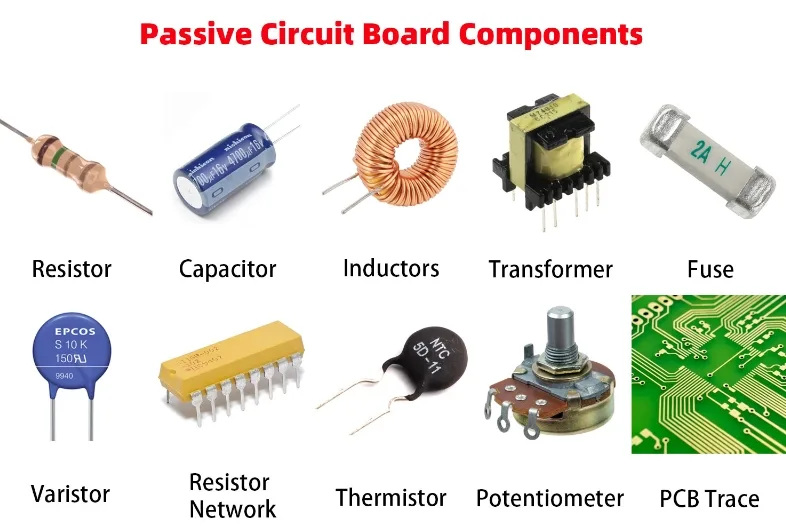
Resistors And Current Control
Resistors limit or regulate the flow of electric current in a circuit. By adding resistance, they protect sensitive parts from damage due to excessive current. Have you ever noticed how a dimmer switch controls the brightness of a bulb? That’s resistors doing their job.
Resistors also help create voltage drops, allowing different parts of a circuit to operate at the right voltage level. Without them, your circuit could be like a busy highway with no traffic rules—chaotic and unsafe.
Capacitors For Energy Storage
Capacitors store electrical energy temporarily and release it when needed. This ability smooths out fluctuations in power supply, making your devices run more steadily. Think about how your smartphone keeps running smoothly even when the battery voltage dips slightly.
They also filter out noise in signals and help with timing tasks in electronic circuits. If you’ve ever noticed a camera flash going off just at the right moment, a capacitor was likely involved behind the scenes.
Inductors And Magnetic Fields
Inductors store energy in a magnetic field created by the flow of current through a coil of wire. This property allows them to resist sudden changes in current, which is crucial in managing power surges. You might find inductors in power supplies or radio equipment stabilizing signals.
They also help filter signals and separate frequencies, which is vital in communication devices. Have you wondered how radios tune into specific channels? Inductors play a key role in making that possible.
Credit: www.lstpcb.com
Signal Processing Functions
Passive electronic components play a crucial role in shaping and refining electrical signals. They don’t generate energy but influence signal behavior in meaningful ways. Understanding their signal processing functions can help you design better circuits and troubleshoot problems more efficiently.
Filtering Unwanted Frequencies
Filters made from passive components like capacitors, inductors, and resistors remove or reduce unwanted parts of a signal. For example, a low-pass filter blocks high-frequency noise while allowing lower frequencies to pass through.
You might have noticed static or humming in audio devices; filtering helps clear that up. Choosing the right combination of components lets you target specific frequency ranges, improving signal clarity.
Signal Smoothing Techniques
Signal smoothing reduces abrupt changes or noise in a signal, making it more stable and easier to interpret. Capacitors often act as smoothing elements by storing and releasing charge gradually.
Think about a power supply: smoothing capacitors minimize voltage spikes that can damage sensitive electronics. If you want steady output, smoothing is a simple yet effective strategy.
Impedance Matching Basics
Impedance matching ensures maximum power transfer between parts of a circuit by making their resistances compatible. Passive components like transformers and resistors help adjust impedance levels.
Have you ever faced weak signal strength or distortion in audio or radio devices? Impedance mismatches might be the cause. Fixing this can improve performance without adding complex active components.
Energy Management Tasks
Passive electronic components play a key role in managing energy within circuits. They help control, store, and dissipate electrical energy efficiently. These tasks ensure devices run smoothly and safely. Understanding how these components handle energy helps in designing better electronics.
Voltage Regulation
Passive components help keep voltage levels steady. Resistors and capacitors work together to smooth out voltage spikes. This protects sensitive parts from damage. A steady voltage supply means reliable device performance. These components adjust voltage by absorbing or releasing energy.
Power Dissipation
Power dissipation means converting electrical energy into heat. Resistors are the main components doing this job. They limit current flow and reduce excess energy. This prevents circuits from overheating or failing. Proper power dissipation keeps electronics safe and stable.
Energy Storage And Release
Capacitors and inductors store energy temporarily. Capacitors hold energy as an electric field. Inductors store energy in a magnetic field. They release stored energy when the circuit needs it. This helps maintain power flow and reduces interruptions. Energy storage smooths out changes in current or voltage.

Credit: www.youtube.com
Common Applications In Circuits
Passive electronic components play crucial roles across various circuits, often working silently behind the scenes. Understanding their common applications can help you design more efficient and reliable electronic devices. These components handle essential tasks such as managing timing, reducing noise, and controlling signal flow.
Timing And Oscillation
Capacitors and inductors often work together to create timing circuits and oscillators. These components control the frequency of signals, which is vital for clocks, radios, and microcontrollers. For example, a simple RC (resistor-capacitor) circuit can set the timing interval in a blinking LED project.
Have you ever wondered how your watch keeps accurate time? That precision often depends on a quartz crystal oscillator, a passive component that vibrates at a steady frequency, ensuring consistent timing in electronics.
Noise Reduction
Noise can disrupt signal clarity and damage sensitive components. Passive components like capacitors, inductors, and resistors help filter out unwanted electrical noise. They smooth power supply fluctuations and prevent interference in audio and communication devices.
Think about your phone call quality. Without these noise reduction components, you’d experience constant static and dropped signals. Adding a simple capacitor across a power line can significantly improve device performance by stabilizing voltage levels.
Signal Coupling And Decoupling
Passive components manage how signals move between different parts of a circuit. Coupling capacitors allow AC signals to pass while blocking DC, preventing unwanted voltage shifts. Decoupling capacitors stabilize voltage supply by absorbing sudden changes or spikes in current.
Imagine trying to listen to a radio station while the volume randomly changes—this is what poor decoupling can cause. Properly placed capacitors ensure your circuits receive clean, stable signals, improving overall functionality and reliability.
Material And Design Impact
The materials and design of passive electronic components shape their function and efficiency. Every choice in material affects how the component behaves under different conditions. Design determines how well it fits into a circuit and how it manages electrical signals.
These factors influence size, heat tolerance, and how long the component lasts. Understanding these impacts helps in choosing the right component for any electronic project.
Component Size And Performance
The size of a passive component impacts its performance directly. Smaller components save space but may have limits on power handling. Larger parts handle more current and voltage but take up more room. The material used can allow for smaller sizes without losing strength or efficiency.
Design choices, like shape and layering, also affect performance. A well-designed component balances size and function for the best results.
Temperature Effects
Heat changes how passive components work. Some materials resist heat better, keeping the component stable. Others may expand or change resistance with temperature shifts. This can alter the circuit’s behavior and cause errors.
Designs that include heat sinks or special coatings help manage temperature. They keep components cooler and improve stability under stress.
Reliability And Lifespan
Material quality plays a big role in reliability. High-grade materials resist corrosion and wear, extending lifespan. Poor materials fail faster and cause circuit problems.
Design also affects lifespan. Components built to handle stress and avoid damage last longer. Proper insulation and protective layers add to durability.
Frequently Asked Questions
What Are Passive Electronic Components?
Passive electronic components are devices that do not require power to operate. They include resistors, capacitors, and inductors. These components control voltage, current, and signal flow in circuits without amplification. They play vital roles in filtering, timing, and energy storage within electronic devices.
How Do Passive Components Differ From Active Ones?
Passive components cannot amplify signals or generate energy. Active components like transistors and ICs require power and can control signal gain. Passive components only respond to electrical signals by storing or dissipating energy. This distinction is crucial for designing electronic circuits and systems.
Why Are Resistors Important In Electronics?
Resistors limit current flow and divide voltage in circuits. They protect sensitive components by controlling current levels. Resistors also help set operating points in amplifiers. Their precise values ensure circuits function reliably and safely.
What Role Do Capacitors Play In Circuits?
Capacitors store and release electrical energy quickly. They filter noise, smooth power supplies, and enable timing functions. Capacitors block direct current while allowing alternating current to pass, making them essential in signal processing and power management.
Conclusion
Passive electronic components control and manage electrical signals. They store energy, filter noise, and regulate current flow. These parts do not need power to work. Resistors, capacitors, and inductors are common examples. Each plays a key role in circuits and devices.
Understanding their function helps in electronics learning and projects. Small but important parts keep devices running smoothly. Remember, they support active components by shaping signals. Without them, electronic devices would not work well. Simple parts with big impact.