How to Ship Electronic Components: Expert Tips for Safe Delivery
Shipping electronic components might seem simple, but one small mistake can damage your valuable items or cause costly delays. If you want your parts to arrive safely and on time, you need to know the right steps to take.
You’ll discover easy-to-follow tips that protect your components during transit and avoid common shipping problems. Keep reading to ensure your shipments reach their destination without a hitch.
Choosing The Right Packaging
Choosing the right packaging for shipping electronic components is crucial to ensure they arrive safely and function properly. Poor packaging can lead to damage from static electricity, moisture, or physical shocks. Paying close attention to how you package these sensitive items can save you time, money, and frustration.
Selecting Appropriate Materials
Not all packaging materials work well for electronic components. You need materials that protect against static electricity, moisture, and physical damage. Anti-static bags are essential for sensitive chips and circuit boards because they prevent electrostatic discharge that can fry your components.
Consider moisture barrier bags if your items are prone to corrosion or humidity damage. Also, use rigid boxes or containers made from sturdy cardboard or plastic to provide a strong outer layer of protection during transit.
Size And Shape Considerations
Your packaging should fit the component snugly but not too tight. Too much empty space inside the box allows movement, increasing the risk of damage. On the other hand, packaging that’s too small can crush or stress the components.
Think about the shape of your components as well. Irregular shapes may require custom inserts or molded trays to hold the parts securely. Have you ever received a package where the item slid around inside? Avoid that by matching package size and shape carefully.
Cushioning And Protection
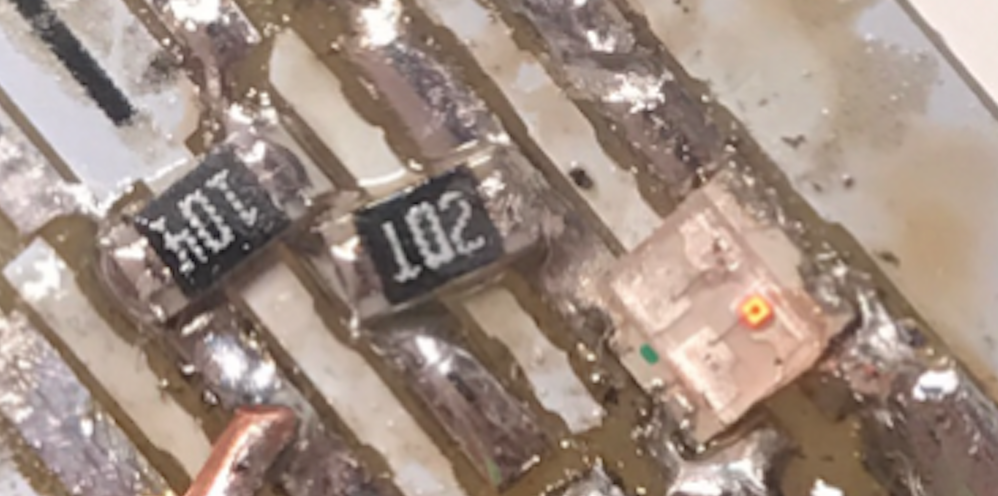
Cushioning absorbs shocks and vibrations during shipping. Materials like bubble wrap, foam peanuts, or molded foam inserts work well. Wrap each component individually before placing it in the box to prevent collisions between parts.
Adding a layer of cushioning on the bottom, sides, and top of the package increases protection. You might also consider double-boxing for highly fragile or expensive components. What’s your experience with cushioning—does your current method give you peace of mind?
Credit: medium.com
Handling And Storage Best Practices
Proper handling and storage of electronic components ensure their quality and functionality. Sensitive parts need special care to avoid damage during shipping. Following best practices helps maintain component integrity and reduces the risk of failure.
Temperature And Humidity Control
Electronic components react badly to extreme temperatures and moisture. Keep storage areas cool and dry. Use climate-controlled containers for shipping if needed. Avoid sudden temperature changes to prevent condensation. Store components in sealed bags with desiccants to absorb moisture.
Avoiding Static Electricity
Static electricity can destroy delicate electronic parts instantly. Use anti-static bags for packaging components. Wear grounding wrist straps when handling parts. Work on anti-static mats to reduce static build-up. Keep plastic and other static-prone materials away from parts during packing.
Proper Labeling Techniques
Clear labels help identify components and prevent mix-ups. Use durable, waterproof labels that stick well. Include part numbers, batch codes, and handling instructions on labels. Place labels where they are easy to read without opening packages. Use barcodes or QR codes for quick scanning and tracking.
Shipping Methods And Carriers
Choosing the right shipping methods and carriers is key for sending electronic components safely and on time. Electronics need special care due to their delicate nature. Picking the correct service helps avoid damage and delays.
Comparing Shipping Options
Several shipping options exist for electronic components. Air freight is fast but costly. Ground shipping is cheaper but slower. Courier services offer door-to-door delivery. Freight shipping suits large or heavy orders.
- Air freight: quick delivery, higher cost
- Ground shipping: affordable, longer transit
- Courier services: reliable, convenient
- Freight shipping: best for bulky items
Choose the option that fits your budget and timing needs. Consider the size and weight of your package too.
Choosing Reliable Carriers
Reliable carriers protect your shipment and offer good service. Look for carriers with experience in electronics shipping. Check reviews and ratings for trustworthiness. A reliable carrier handles packages carefully and meets delivery promises.
- Verify carrier’s handling of fragile goods
- Check delivery speed options
- Confirm carrier’s coverage areas
- Compare pricing and service quality
Tracking And Insurance
Tracking keeps you informed about your shipment’s location. Most carriers provide online tracking tools. Use tracking to plan for receiving your package. Insurance protects against loss or damage during transit.
- Select tracking options with detailed updates
- Purchase insurance based on package value
- Keep shipping documents until delivery confirmation
Insure valuable electronic parts to avoid costly losses. Tracking and insurance add peace of mind to shipping.

Credit: www.crowdsupply.com
Addressing International Shipments
Shipping electronic components internationally requires more than just packing and labeling. You must navigate a complex web of customs rules, regulations, and fees. Getting these details right saves you time, money, and stress.
Customs Documentation
Every international shipment needs proper paperwork. This usually includes a commercial invoice, packing list, and sometimes a certificate of origin. These documents describe the contents, value, and purpose of the shipment clearly.
Incorrect or missing paperwork can cause delays or even seizure of your goods. Double-check that the product descriptions match what’s inside the package exactly. Adding harmonized system (HS) codes can speed up customs clearance by helping officials classify your items correctly.
Regulations And Compliance
Different countries have unique rules for importing electronics. Some items may require special permits or certifications, such as FCC approval or CE marking. Ignoring these can result in your shipment being rejected or returned.
Check local regulations before shipping. This might mean researching the destination country’s import restrictions or consulting with a customs broker. Have you ever faced unexpected hold-ups due to compliance issues? Preparing ahead can prevent those headaches.
Handling Import Duties
Import duties and taxes can significantly add to your shipping costs. These fees depend on the destination, the type of components, and their declared value. You should clarify who pays these charges—sender or receiver—before shipping.
Sometimes, you can reduce duties by using trade agreements or special tariff codes. Communicating this clearly to your customers avoids surprises. Have you considered including duty costs in your pricing strategy to keep your customers happy?
Common Mistakes And How To Avoid Them
Shipping electronic components requires careful attention to detail. Mistakes in packing or handling can cause damage or delays. Avoiding common errors helps ensure safe delivery and customer satisfaction.
Overpacking Or Underpacking
Using too much packing material adds weight and cost. It can also cause parts to shift and break. Too little packing leaves items unprotected during transit. Find a balance with proper cushioning materials like foam or bubble wrap. Secure components tightly to avoid movement inside the box.
Neglecting Environmental Factors
Electronic parts are sensitive to moisture, heat, and static electricity. Moisture can corrode metal parts and cause failures. High temperatures may damage delicate circuits. Static electricity can destroy components instantly. Use anti-static bags and silica gel packets to control moisture. Ship in climate-controlled conditions when possible.
Ignoring Carrier Guidelines
Each carrier has rules for shipping electronics. Ignoring these can lead to delays or fines. Check weight limits, packaging standards, and labeling requirements before shipping. Provide clear documentation and tracking info. Following carrier rules ensures smooth transit and reduces risks of damage or loss.
Leveraging Technology For Secure Delivery
Shipping electronic components demands extra care to ensure they arrive safely. Technology helps secure deliveries and improves tracking accuracy. Using modern tools reduces risks like theft, damage, or loss. It also builds trust with customers and partners.
Using Real-time Tracking
Real-time tracking gives constant updates on shipment location. It helps spot delays or route changes quickly. Both sender and receiver get peace of mind by watching the package progress. Many services offer GPS and barcode scanning for precise tracking.
Implementing Security Seals
Security seals protect packages from tampering during transit. They show visible signs if someone opens the box. Modern seals can include QR codes or RFID tags for extra verification. This technology makes it easy to confirm the package is untouched.
Digital Documentation And Management
Digital documents replace paper forms for smoother shipping processes. They store invoices, customs forms, and delivery receipts securely online. Using software to manage these files reduces errors and speeds up delivery. It also allows quick access to shipment history anytime.
Credit: medium.com
Frequently Asked Questions
What Packaging Materials Protect Electronic Components Best?
Use anti-static bags and bubble wrap to protect electronic parts. Choose sturdy boxes and cushioning to prevent damage during shipping. Proper packaging reduces static electricity and physical impact risks effectively.
How To Label Electronic Shipments Correctly?
Label packages with “Fragile” and “Handle with Care” clearly visible. Include detailed contents and shipping information on the label. Proper labeling ensures careful handling and smooth delivery.
What Shipping Methods Suit Electronic Components?
Air freight is fastest but costly; ground shipping is economical for bulky items. Use reliable carriers experienced with electronics. Choose insured shipping to cover potential losses.
Are There Special Regulations For Shipping Electronics?
Yes, some electronics contain lithium batteries regulated by law. Check carrier and country rules before shipping. Proper compliance prevents delays and fines.
Conclusion
Shipping electronic components needs care and attention. Use proper packaging to protect parts from damage. Label shipments clearly to avoid confusion or loss. Choose reliable carriers for faster, safer delivery. Check shipping rules for electronics to prevent delays. Keep track of your packages until they arrive.
Following these steps helps ensure your components reach safely. Safe shipping saves time, money, and frustration. Simple, careful actions make a big difference in shipping success.