
Have you ever wondered if smart devices really make a difference in your daily student life? Imagine having tools that help you study faster, stay organized, and even make learning more fun.
But do these gadgets truly improve your experience, or are they just distractions? In this essay, you’ll discover how smart devices can change the way you learn, manage your time, and connect with others. Keep reading to find out if these tools are a game-changer for your success as a student.

Credit: ai-pro.org
Role Of Smart Devices In Education
Smart devices have become integral in shaping modern education. They provide tools that help students learn more efficiently and stay organized. But how exactly do these devices fit into the daily life of a student? Let’s take a closer look at their role in education.
Types Of Smart Devices Used By Students
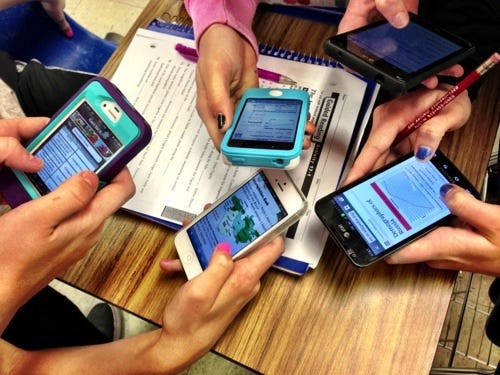
Students use a variety of smart devices tailored to their learning needs. Laptops and tablets are the most common, offering access to online resources and interactive apps. Smartphones also play a big role, especially for quick research and communication.
Other devices like e-readers help students carry multiple textbooks without the bulk. Smartwatches can remind you about class schedules and deadlines. Each device serves a unique purpose but all aim to support learning.
Accessibility And Convenience
Smart devices break down barriers to education by providing access anytime, anywhere. You no longer need to be in a classroom to learn; lessons and materials are at your fingertips. This flexibility is especially helpful for students balancing school with other responsibilities.
Think about how you use your smartphone to look up information immediately during study sessions. This instant access speeds up understanding and keeps you engaged. Moreover, smart devices offer features like voice commands and screen readers, making learning easier for students with disabilities.

Credit: medium.com
Enhancing Learning Experiences
Smart devices have changed the way students learn by making education more engaging and effective. These tools bring lessons to life and adapt to individual needs, helping you stay focused and motivated. Let’s look at how they enhance your learning experience in practical ways.
Interactive Learning Tools
Smart devices offer interactive tools like educational apps, quizzes, and games that make studying more enjoyable. Instead of passively reading, you can actively participate, which helps you remember information better. Have you ever used a simulation or a virtual lab? These tools let you experiment safely and learn by doing.
Using videos and animations also breaks down complex topics into simple visuals. This approach can clear up confusion instantly and keeps your brain engaged. Don’t you find it easier to grasp ideas when you see them in action rather than just reading about them?
Personalized Education
With smart devices, learning becomes tailored to your pace and style. Adaptive learning apps assess your strengths and weaknesses, then adjust the material accordingly. This means you spend more time on what’s challenging and breeze through what you already know.
Personalized feedback helps you track progress and set realistic goals. Imagine having a tutor available anytime to guide you based on your unique needs. How much more confident would you feel if your study plan was designed just for you?
Collaborative Opportunities
Smart devices connect you with classmates and teachers beyond the classroom walls. Group chats, video calls, and shared documents let you work together easily, no matter where you are. Collaboration tools encourage discussion and idea exchange, which deepen your understanding.
Working with others on projects via smart devices also teaches you important skills like communication and teamwork. Have you tried brainstorming on a shared digital whiteboard? It can spark creativity and help you see different perspectives quickly.
Impact On Academic Performance
Smart devices play a key role in shaping academic success. They help students focus more and learn better. These tools bring new ways to study and understand lessons.
Students can use smart devices for quick answers and clear explanations. This instant access saves time and supports learning anytime. The devices also help teachers track progress and give useful feedback.
Improved Engagement And Motivation
Smart devices make lessons more interesting. Interactive apps and videos catch students’ attention. This active learning style keeps students motivated. They feel excited to try new tasks and solve problems. Motivation grows when students see their own progress.
Access To Instant Information
Students get answers quickly using smart devices. They can search for facts and examples during class. This instant information helps students understand topics better. It also supports homework and project work. Reliable sources are easy to find with these tools.
Tracking Progress And Feedback
Smart devices let teachers monitor student work easily. They can spot strengths and areas needing improvement. Feedback is faster and more precise. Students understand what to improve and how to do it. Progress tracking encourages steady growth and goal setting.
Challenges And Limitations
Smart devices bring many benefits to students, but they also come with challenges. These issues can affect learning and daily life. It is important to understand the limits and problems of using technology in education.
Distractions And Overuse
Smart devices can distract students from their studies. Notifications and apps can take attention away from lessons. Overuse of devices may lead to less focus and lower productivity. Spending too much time on screens can cause fatigue and reduce learning quality.
Digital Divide And Inequality
Not all students have equal access to smart devices. Many come from low-income families or areas with poor internet. This creates a gap between students who can use technology and those who cannot. Inequality in access can lead to unfair learning opportunities and results.
Privacy And Security Concerns
Using smart devices raises privacy risks for students. Personal data may be collected without clear consent. Cybersecurity threats like hacking and phishing can expose sensitive information. Schools and parents must ensure strong protections to keep students safe online.
Future Trends In Smart Education
The future of education is closely tied to smart devices, shaping how students learn and interact with information. These technologies are evolving quickly, offering new ways to make learning more personalized and engaging. Understanding upcoming trends helps you prepare for a smarter, more connected classroom experience.
Ai Integration In Learning
Artificial intelligence is changing the way students absorb knowledge. AI can tailor lessons to fit your learning speed and style, making study time more efficient.
Imagine having a tutor that understands exactly where you struggle and offers targeted help. This isn’t just theory; apps with AI-powered quizzes and feedback already improve retention and confidence.
Could AI be the key to closing gaps in education that traditional methods leave behind? Your next study partner might just be a smart device.
Virtual And Augmented Reality
Virtual and augmented reality bring lessons to life by letting you explore subjects in 3D environments. Instead of reading about ancient civilizations, you can walk through them.
This hands-on approach helps you understand complex topics better and keeps you engaged. VR and AR are especially useful for science, history, and art classes where visual context matters.
How could stepping inside a virtual lab or historical site change your motivation to learn? These tools make abstract ideas tangible and memorable.
Smart Device Innovations
Smart devices continue to get smarter and more versatile, offering new ways to support your studies. From wearable tech that tracks focus to interactive notebooks that sync with your devices, the options are expanding.
These gadgets can remind you about deadlines, suggest study breaks, or even help you practice languages through speech recognition. They do more than just store information—they actively boost productivity.
What smart device could transform your daily study routine? Staying updated on these innovations can give you a learning edge that lasts throughout your education.
Credit: medium.com
Frequently Asked Questions
How Do Smart Devices Help Students Learn Better?
Smart devices provide access to vast resources and educational apps, enhancing learning experiences. They facilitate interactive learning through videos, quizzes, and games. Moreover, these devices help students stay organized with digital planners and reminders. Overall, smart devices support personalized learning and improve academic performance.
Can Smart Devices Boost Student Productivity?
Yes, smart devices can boost student productivity by streamlining tasks and enhancing time management. With features like digital calendars and task lists, students can efficiently manage their schedules. Moreover, instant access to information helps in quick research and learning, ultimately improving productivity.
Do Smart Devices Enhance Student Collaboration?
Smart devices significantly enhance student collaboration by enabling easy communication and resource sharing. They provide platforms for group discussions, project collaboration, and peer reviews. With tools like cloud storage and collaborative apps, students can work together seamlessly, regardless of physical location.
Are Smart Devices Beneficial For Student Research?
Smart devices are highly beneficial for student research by providing immediate access to information. Students can easily browse academic journals, articles, and databases. Furthermore, they can organize research data efficiently using digital tools, making the research process more effective and streamlined.
Conclusion
Smart devices help students learn in many ways. They make studying easier and more fun. Students can find information quickly and stay organized. These tools also help students connect with teachers and classmates. Still, balance is important to avoid distractions.
Using smart devices wisely can improve learning. They support different learning styles and needs. Students get more chances to explore new ideas. Overall, smart devices can make student life better when used carefully and with focus.


