Do Companies Access Peoples Info Through Smart Devices? Unveiled
Have you ever wondered if the smart devices you use every day are secretly sharing your personal information? You might be surprised to learn just how much data companies can access through your phone, smart speaker, or wearable gadgets.
This isn’t just about convenience—it’s about your privacy and control over your own life. Keep reading to discover what’s really happening behind the scenes and how it affects you directly. Understanding this can help you make smarter choices about the technology you invite into your home.
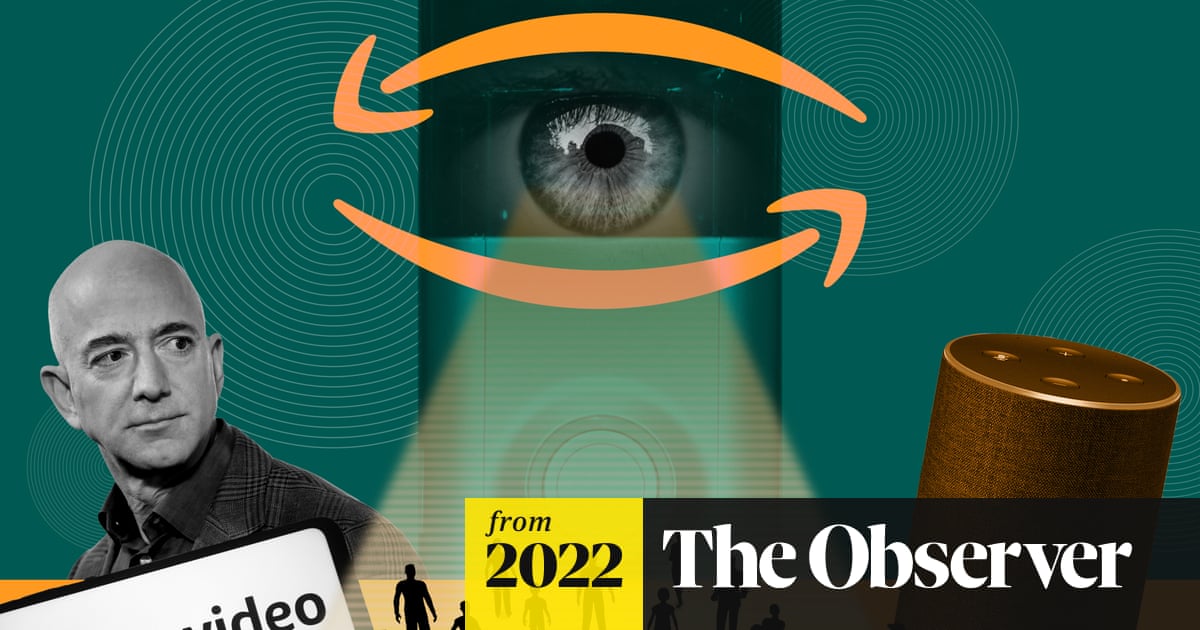
Credit: www.theguardian.com
Smart Devices And Data Collection
Smart devices have become part of daily life. They help with tasks, entertainment, and communication. These devices collect a lot of data about users. Understanding what data is collected and how it is shared is important. This helps people know how companies might access their information.
Types Of Smart Devices
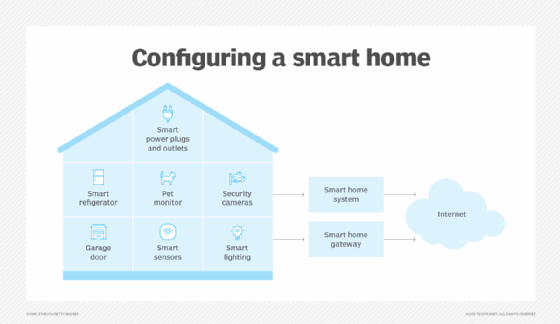
Smart devices come in many forms. Some common types include:
- Smartphones and tablets
- Smart speakers and voice assistants
- Wearable devices like fitness trackers
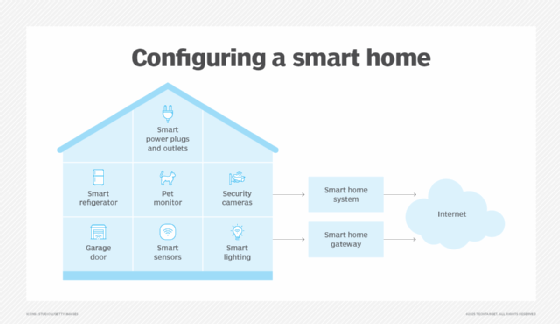
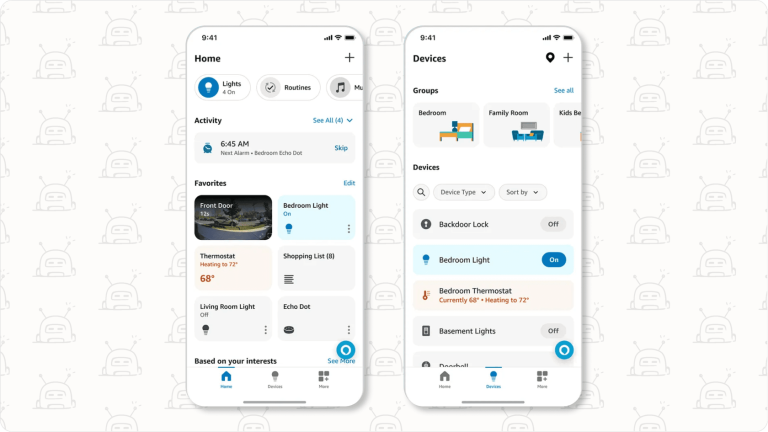
- Smart home devices like thermostats and cameras
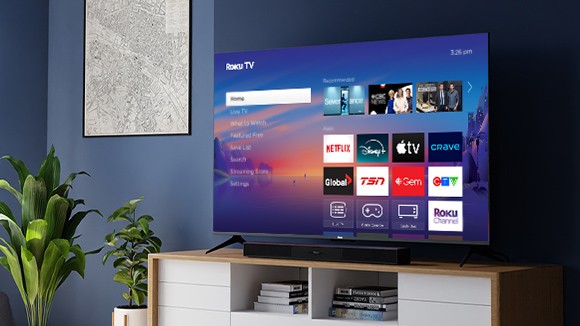
- Connected appliances such as refrigerators and TVs
Each device has unique features and collects different types of data.
Data Generated By Devices
Smart devices collect various data types. Examples include:
- Location information
- Voice commands and audio recordings
- Search and browsing history
- Health and fitness metrics
- Device usage patterns
This data helps improve services but can reveal personal habits.
How Devices Communicate Data
Smart devices send data through the internet. They use Wi-Fi, Bluetooth, or cellular networks. Data often goes to cloud servers for processing. Companies analyze this data to enhance user experience. Sometimes data is shared with third parties for ads or analytics.
Users should check privacy settings to control what is shared.
Methods Companies Use To Access Data
Companies use many ways to collect data from smart devices. These methods help them understand user behavior and preferences. Some ways are simple, while others work behind the scenes. Understanding these methods helps you stay aware of your data privacy.
App Permissions And Tracking
Apps ask for permissions to access device features like camera, location, or contacts. Granting these permissions lets apps collect personal information. Many apps also track user actions within the app. This tracking helps companies gather data on user habits and interests.
Network Monitoring
Companies can monitor data sent over the internet from smart devices. This includes browsing history, app usage, and messages. Network monitoring captures data packets traveling between devices and servers. It reveals what users do online and how often they use certain apps.
Third-party Data Sharing
Data collected by one company often gets shared with others. Third-party companies receive user data to improve ads or services. This sharing can happen through partnerships or data brokers. Many users are unaware their data moves beyond the original app or device.
Common Data Types Collected
Smart devices collect various types of data from users. This data helps companies improve services and target ads. Understanding common data types shows what information companies access.
Personal Identification Information
This includes names, email addresses, phone numbers, and birthdates. Companies use this data to identify users and create profiles. Sometimes, they collect device IDs or account details. This information links the user to their device and activity.
Location And Usage Patterns
Smart devices track where users go and how they use apps. GPS data shows physical location in real time. Usage patterns reveal which apps are used and when. This data helps companies analyze behavior and improve user experience.
Behavioral And Preference Data
Companies collect data about user habits and choices. This includes search history, clicks, and purchase records. Preferences like favorite genres or brands are also noted. This data personalizes content and advertisements for users.
Credit: www.techtarget.com
Purpose Behind Data Collection
Understanding the purpose behind data collection is key to knowing what companies do with the information your smart devices gather. It’s not just about spying or selling your data randomly. Companies often have clear reasons to collect and use this information, which can directly or indirectly affect your user experience.
Targeted Advertising
One of the main reasons companies collect data is to deliver ads that matter to you. Instead of generic ads, your smart device data helps companies show products and services that fit your interests.
Think about the last time you searched for a new pair of headphones and then saw ads for similar products on your phone. That’s targeted advertising in action. It can feel intrusive, but it also means you spend less time scrolling through irrelevant ads.
Product Improvement
Companies use data to make their products better and fix issues faster. Your device might send information about bugs or how you use certain features, helping developers understand what works and what doesn’t.
When I noticed my smart thermostat learning my schedule more accurately over time, I realized it was using data to improve itself. This ongoing feedback loop can make your daily tech experiences smoother and more personalized.
Security And Fraud Prevention
Data collection also plays a big role in keeping your devices and personal info safe. Companies monitor unusual activity to spot potential threats before they become real problems.
Imagine if your smart doorbell detected someone trying to hack into your home network. That quick detection often relies on the data your device continuously shares. It’s a trade-off: sharing some info to protect your privacy and security.
Privacy Risks And Concerns
Smart devices collect vast amounts of personal data. This raises serious privacy risks and concerns. Users often do not know how their data is stored or shared. Companies may access this data, sometimes without clear consent. Understanding these risks helps protect your information.
Data Breaches
Data breaches expose private information to hackers. Companies store user data in large databases. These databases can be weak points for cyber attacks. When breached, personal details like location and habits leak out. Such leaks can lead to identity theft or fraud.
Unauthorized Surveillance
Some companies track users beyond what they admit. Smart devices can record conversations or movements silently. This data may be used to monitor behavior without permission. Surveillance can happen through apps or device features. It threatens personal freedom and trust in technology.
Loss Of User Control
Users often lose control over their own data. Companies decide how to use or share information. Privacy settings can be confusing or hidden. Once data is collected, it is hard to remove or limit access. This loss of control creates uncertainty and fear among users.
Regulations Governing Data Access
Understanding the rules around how companies access your data through smart devices is crucial. These regulations aim to protect your privacy while allowing businesses to use data responsibly. Let’s look at the key laws and challenges that shape this landscape.
Data Protection Laws
Data protection laws set clear boundaries on what companies can collect and how they must handle your information. Laws like the GDPR in Europe and CCPA in California require companies to be transparent about data use.
These regulations often demand that businesses limit data collection to what’s necessary. They also enforce strict security measures to prevent unauthorized access. Have you ever noticed how some apps ask for only essential permissions? That’s part of these laws in action.
User Consent Requirements
You have the right to decide if and how your data is collected. Regulations require companies to get your explicit consent before accessing sensitive information on your smart devices.
This means you should see clear, understandable requests asking for permission. Vague or hidden consent forms don’t meet legal standards. Think about the last app you installed—did it clearly explain what data it would access and why?
Enforcement Challenges
Even with strong laws, enforcing data protection can be tricky. Companies sometimes find loopholes or fail to fully comply with regulations.
Regulators face difficulties monitoring every business, especially with cross-border data flows. This leaves you with the challenge of staying vigilant about the permissions you grant. How often do you review your privacy settings on your smart devices?
Steps To Protect Personal Information
Protecting your personal information on smart devices is more important than ever. Every tap, voice command, and app interaction can share pieces of your data. Taking control of how your devices handle your information puts you in the driver’s seat of your digital privacy.
Managing Device Settings
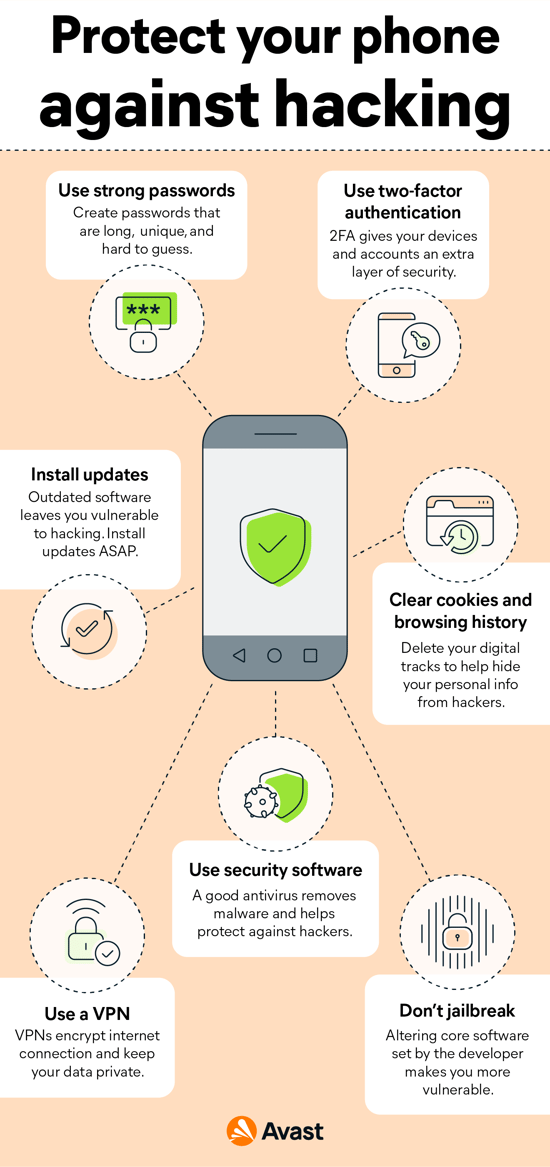
Your device settings are the first line of defense. Dive into privacy options and limit what apps can access, such as your location, microphone, or camera. Turning off unnecessary permissions not only keeps data safer but can also improve your device’s performance.
Think about the last time you installed a new app—did you check what permissions it requested? Adjusting these settings regularly helps stop apps from quietly collecting more information than you want to share.
Using Privacy-focused Apps
Not all apps are created equal when it comes to privacy. Choosing apps designed to protect your data reduces the risk of unwanted tracking. Look for apps that offer end-to-end encryption or explicitly state they don’t sell your data.
For messaging, try apps like Signal or Telegram instead of default options. For browsing, privacy-focused browsers like Brave or Firefox can block trackers automatically. Are you willing to switch to apps that respect your privacy?
Regularly Updating Software
Software updates often include patches for security holes that hackers might exploit. Skipping these updates leaves you vulnerable. Set your devices to update automatically so you don’t have to remember to do it manually.
Think of updates as vaccines for your digital health—they protect against new threats constantly emerging. Have you noticed how much smoother and safer your device runs after an update?
Future Trends In Smart Device Data
The future of smart device data is shaping up to be a complex mix of innovation, privacy concerns, and shifting user expectations. As technology advances, how companies access and use your information will evolve too. Understanding these trends can help you stay ahead and protect your personal data effectively.
Advancements In Privacy Technology
New privacy tools are emerging to give you more control over your data. Technologies like differential privacy and on-device processing mean your information can be used without being fully exposed to companies.
Apple’s recent moves to process more data locally on devices reduce the amount of personal info sent to the cloud. This shift helps protect your privacy without sacrificing the smart features you rely on daily.
Evolving Corporate Practices
Companies are beginning to change how they collect and use data due to growing public pressure and stricter regulations. Some businesses now offer clearer privacy settings and more transparent data policies.
You might notice more options to opt-out of data sharing or see simplified explanations of what data is collected. These changes aim to build trust but also reflect that companies are adjusting to a world where privacy matters more than ever.
Increased User Awareness
More people are waking up to the fact that their smart devices gather extensive information. This awareness is pushing users to demand better privacy protections and to take active steps in managing their data.
Have you ever checked the permissions on your phone’s apps or disabled unnecessary data sharing? Small actions like these can make a big difference in how much of your personal information companies can access.
Credit: www.forbes.com
Frequently Asked Questions
Do Companies Collect Data Through Smart Devices?
Yes, companies collect data via smart devices to improve services. This data includes usage patterns, location, and preferences. It helps personalize user experience and target advertisements more effectively.
How Do Companies Use Info From Smart Devices?
Companies analyze smart device data to enhance products and services. They use it for marketing, improving functionality, and understanding customer behavior. This data also supports innovation and competitive advantage.
Is My Privacy At Risk With Smart Devices?
Privacy risks exist if data is mishandled or leaked. Users should review privacy settings and permissions on smart devices. Strong passwords and regular updates reduce potential security threats.
Can I Control What Data Companies Access?
Yes, users can control data access via device settings. Most smart devices offer options to limit data sharing. Reviewing privacy policies helps understand data usage and control options.
Conclusion
Smart devices often collect data from users. Many companies use this information to improve services. Privacy concerns are real and should not be ignored. Users must stay aware of what they share. Checking device settings helps control data access. Clear choices protect your personal information better.
Trust comes from knowing how data is handled. Stay informed to keep your privacy safe.